
 Esikatselu
 Jaa teos
 Jaa
Jaa
 Tiedot
 Opas
Opas

 Lataa kuva
 Samanlaisia kohteita
 Röntgenkuvaus
 Diaesitys
 Q&A
Q&A Tilastot
Child at Table


 Lue lisää
Giclée- ja taideprintit
Museolaatuisia giclée- tai kankaitaulun tulosteita nopealla tuotannolla ja joustavilla viimeistelyvaihtoehdoilla. ( Osta käsinmaalattu taideteos Siirry digitaaliseen kuvaan)




P118B €10

P118H €10

P118W €10

P438Z €10

P508JH €12

P508YH €12

P805H €10

P805Z €10

P919BZ €10

P919G €10

P919XJ €10

P959ZH €10

P968JZ €12

W106C €8

W218G €10

W218JH €8

W218Y €10

W307PJ €10

W316G €10

W316PJ €8

W316Y €10

W398PJ €8

W4111J €10

W500HY €15

W500JH €15

W692G €12

W849H €8

W940BG €15

W953PJ €8




Valitse valmiista mitoistamme sellaiset, jotka vastaavat teoksen alkuperäisiä mittasuhteita.

Syötä tarvitsemasi leveys ja korkeus, jotta tuloste sopii kehyksiisi tai seinällesi. Tulostetta voidaan vain leikata, sitä ei voida koskaan suurentaa alkuperäistä kuvaa suuremmaksi, joten eri muotoinen koko aiheuttaa osan kuvasta katoamisen. Lähetämme sinulle digitaalisen mallikuvan hyväksyttäväksi ennen kuin aloitamme tulostuksen. Tällä sivulla näkyvä kuva ei näytä lopullista rajausta — vain mallikuva näyttää sen.
Maailmanlaajuinen toimitus () 2 viikossa tavallisen 4–5 viikon sijaan. (3 marraskuu)

Ilmainen pikatoimitus ympäri maailman

Korkealaatuinen pellavakangas

Kattava kuljetusvakuutus

Tulliveron palautustakuu

Takuu täydellisestä värien vastaavuudesta

100 päivän palautusoikeus (vain valmistusvirheet)

100% rahat takaisin -takuu

Määräalennus tarjolla
 Lasivaihtoehto on saatavilla vain alle 110 cm kokoisille teoksille

Child at Table
Giclée- ja taideprintit
Replikaatin koko
-


Kokonaishinta
€ 71
Eugène Carrière’s ‘Child at Table’: A Monochromatic Meditation on Innocence
Eugène Anatole Carrière's Child at Table (1880) is not merely a portrait; it’s an immersion into a world of quiet contemplation, rendered with a startlingly spare palette and imbued with the profound symbolism characteristic of the Symbolist movement. Created during a period of intense artistic experimentation in France – a direct response to the Impressionists' focus on fleeting moments of light – Carrière sought to evoke deeper emotional and spiritual truths through his art. This work, depicting a young boy, likely his son Jean René, captured around 1888, exemplifies this approach with remarkable clarity.
- A Monochromatic Universe: Carrière’s signature style is immediately apparent in the painting's stark contrast. The almost entirely monochrome palette – shades of blue, gray, and brown – creates a sense of detachment from the everyday, elevating the scene to something almost sacred. This deliberate restriction of color wasn’t simply an aesthetic choice; it was rooted in Carrière’s early experience as a lithographer, where he honed his skills in creating dramatic tonal effects.
- The Power of Light and Shadow: Despite the lack of vibrant hues, Carrière masterfully manipulates light and shadow to generate a luminous effect. The creamy-white skin of the child is dramatically highlighted against the enveloping darkness, drawing the viewer’s eye directly to this vulnerable subject. This technique, reminiscent of Rubens' influence, suggests an almost ethereal quality, hinting at a timeless innocence.
Symbolism and Domestic Themes
Child at Table firmly places itself within the Symbolist tradition, which prioritized subjective emotion and spiritual meaning over realistic representation. The scene’s quiet intimacy – the boy seated at a table with a cup – speaks to themes of childhood, vulnerability, and perhaps even religious devotion. Carrière frequently depicted domestic scenes featuring his family, often exploring the complexities of motherhood and familial bonds. This particular work, like The Sick Child (Montargis), reflects this recurring motif, offering a poignant glimpse into the artist’s personal life.
- A Mystical Atmosphere: The dark background isn't merely a backdrop; it actively contributes to the painting's symbolic weight. It creates an atmosphere of mystery and introspection, inviting viewers to contemplate the child’s gaze upwards – a gesture that could be interpreted as prayerful or simply filled with wonder.
- The Artist's Lineage: The fact that Carrière was the grandson of artists further informs our understanding of this work. His artistic lineage undoubtedly influenced his approach, adding another layer of meaning to the scene’s quiet contemplation.
Technique and Historical Context
Carrière’s meticulous technique is evident in the smooth application of paint and the precise rendering of detail. The use of a glazing technique – applying thin layers of translucent color over dried underlayers – would have enhanced the luminosity of the skin tones and created subtle variations within the monochrome palette. Produced around 1880, this painting represents a pivotal moment in Carrière’s career, solidifying his reputation as a leading figure in the Symbolist movement and demonstrating his ability to create emotionally resonant works through masterful control of light, shadow, and tone.
Emotional Impact and Reproduction
Child at Table possesses an undeniable emotional power. The painting's quiet intimacy and the vulnerability of its subject evoke a sense of tenderness and nostalgia. A hand-painted reproduction captures not only the visual details but also the very essence of Carrière’s artistic vision, allowing you to experience this profound work in your own space.
Kysymykset ja vastaukset
Mikä on teoksen Eugène Anatole Carrière:n "Child at Table" paikka taidehistoriassa?
Teoksen Eugène Anatole Carrière:n "Child at Table" taidehistoriallinen luokitus on Symbolist Art, 19th Century-kaudelta.
Kuka on luonut teoksen "Child at Table"?
Teoksen "Child at Table" taiteilija on Eugène Anatole Carrière. Teos on luetteloitu Eugène Anatole Carrière nimellä.
Missä Landscape-muotoisen teoksen "Child at Table" suositellaan olevan esillä?
Eugène Anatole Carrière:n "Child at Table"-teoksen Landscape-muoto on suositeltava Dining Room-tilaan. Muoto ja tila ohjaavat yhdessä reproduktion sijoittelua.
Taiteilijan elämäkerta
Eugène Anatole Carrière (1849–1906)
Eugène Anatole Carrière oli ranskalainen symbolisti, fin de sièclen taiteilija. Hänelle on ominaista yksivärinen ruskea paletti ja hänen työnsä ovat tunnettuja lumoavasta tunnelmastaan sekä vaikutuksesta Pablo Picassoon. Hän oli Rodinin läheinen ystävä ja hänen tyylinsä nähtiin vaikuttavana Picasson siniseen kauteen. ### Early Life and Training Eugène Anatole Carrière syntyi Gournay-sur- Marnessa vuonna 1849. Hän oli yhdeksäs lapsi suurperheessä, jonka isä oli vakuutusmies. Hänen koulutuksensa tapahtui Pariisissa École des Beaux-Artsissa ja hän jatkoi Cabanelin johdolla opiskeluaan kehittääkseen taiteellisia taitojaan. Ranskan–Saksan sodan aikana hän palveltiin Dresdenissä, jossa hän oli erityisen vaikuttunut Peter Paul Rubensin maalauksista Louvressa – tämä vaikutus näkyy hänen nuoruustöidensä vahvoissa väreissä. Hän omaksui noin vuonna 1890 harmaan utuisen väriskaalan, jonka valon ja varjon vastakohtaisuudet olivat keskeisiä hänen taiteelleen. Tämä tyyli oli erityisen tunnusomaista hänen aikansa taiteelle. ### Artistic Style and Influences Carrière kehitti oman ainutlaatuisen työskentelytavan, joka perustui lähes täysin yksiväriseen ruskeaan palettiin. Hän sai merkittäviä vaikutteita Rubensilta ja hän oli erityisen vaikuttunut hänen kyvystään vangita valon ja varjon dynamiikkaa maalauksissaan. Tämä lähestymistapa näkyy hänen suurissa teoksissaan, kuten "Nuori äiti" ja "Sairas lapsi", jotka ovat tunnettuja niiden yksinkertaisuudesta ja syvyydestä sekä henkilökohtaisesta tunnelmastaan. Hänen työnsä ovat myös vaikuttaneet Pablo Picassoon, joka käytti Carrièren tyyliä inspiraationa oman sinisen kauden aikana. ### Notable Works and Exhibitions Carrière oli aktiivinen taiteilija ja hän osallistui useisiin näyttelyihin Société Nationale des Beaux-Artsissa. Hänen tunnetuimmista teoksistaan ovat "Uni" (1890), jossa hän kuvaa yksittäisen henkilön yksityistä elämää, sekä Paul Verlainen muotokuva, joka onnistuttiin vangitsemaan kirjailijan persoonallisuuden ja tunnelman. Hänen työnsä ovat myös vaikuttaneet Picassoon, joka käytti Carrièren tyyliä inspiraationa oman sinisen kauden aikana. Hän oli yksi Sesessionismin johtohahmoista ja hänen vaikutuksensa ranskalaisen taiteen historiaan on merkittävä. Hänen työnsä ovat nykyisin nähtävänä Musée d'Orsayssa Pariisissa. ### Legacy and Influence on Modern Art Eugène Carrière jäi jäljelle merkittäväksi henkilöksi ranskalaisen symbolistisen taiteen historiassa. Hänen yksivärinen tyylinsä oli erityisesti vaikuttava Pablo Picassoon, joka käytti sitä oman sinisen kauden aikana ja kehitti oman henkilökohtaisen työskentelytavan. Hänestä tuli yksi Sesessionismin johtohahmoista ja hänen vaikutuksensa ranskalaisen taiteen historiaan on merkittävä. Hänen työnsä ovat nykyisin nähtävänä Musée d'Orsayssa Pariisissa.
Eugène Anatole Carrière
1849 - 1906 , Ranska
Pähkinänkuoressa
- Artistic Movement Or Style: Symbolism
- Artists Or Movements Influenced By This Artist: ['Picasso']
- Artists Who Influenced This Artist: ['Peter Paul Rubens']
- Date Of Birth: 16 January 1849
- Date Of Death: 27 March 1906
- Full Name: Eugène Anatole Carrière
- Nationality: French
- Notable Artworks:
- The Sick Child
- Young Mother
- First Communion
- Place Of Birth: Gournay-sur-Marne, France
Aiheeseen liittyvät artikkelit
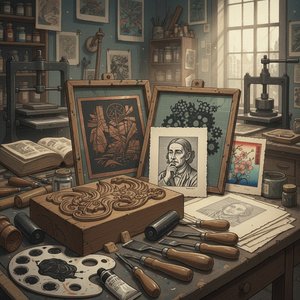
The Enduring Legacy of Printmaking: Techniques, Themes & Artistic Innovation Across Centuries
Explore the rich history of printmaking with OriginalUniqueArt. Discover techniques from intaglio to lithography, learn about collecting valuable prints & find museum-quality reproductions. Expert insights for art enthusiasts and collectors.

Echoes of Time: Exploring the Enduring Appeal & Historical Context of Vintage Art Prints
Explore the captivating world of vintage art prints! Discover their history, collecting tips & enduring appeal. Expert insights on chromolithography and building a legacy collection with OriginalUniqueArt.
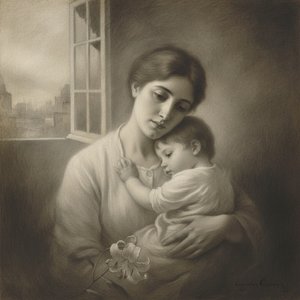
Eugène Carrière: The 'Peintre d'Âme' & Symbolist Portraiture’s Intimate Vision
Explore the haunting world of Eugène Carrière, a pivotal French Symbolist artist known for his deeply intimate portraits & 'peinture d'âme'. Discover his life, style, and lasting influence on modern masters like Picasso. Shop high-quality reproductions at OriginalUniqueArt.

The Enduring Legacy of Fine Art Prints: Technique, History & Aesthetic Impact
Explore the rich history & techniques of fine art prints. Discover investment potential, assess authenticity, and learn how to preserve your collection with expert guidance. Trusted insights for discerning collectors.

Giclée Prints: Archival Quality & Aesthetic Nuances for the Discerning Collector
Explore the world of giclée prints with OriginalUniqueArt. Learn about archival quality, aesthetic nuances & investment potential. Expert guidance for discerning art collectors seeking museum-quality reproductions and lasting value.