() ·

Sinulle käsin tehty maalaus

Child at Table

Käsinmaalattu öljyvärinen jäljennös

Käsinmaalattu öljyväri kankaalle haluamassasi koossa ja kehyksissä, taiteilijoidemme valmistamana tilauksesta. ( Vaihda tulosteeseen Siirry digitaaliseen kuvaan)

Keräilykohteen kuvaus

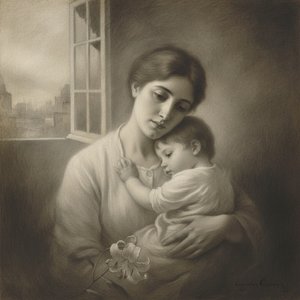
Experience Eugène Carrière’s poignant Symbolist masterpiece, Child at Table, renowned for its stark monochrome palette and luminous depiction of a baby boy. This 1880 painting evokes a mystical atmosphere through contrasting tones and captures a tender moment in the artist's son's life – discover this iconic artwork.

Taiteilijan elämäkerta

Eugène Carrière oli ranskalainen symbolisti, joka tunnetaan erityisesti yksivärisistä maalauksistaan ja kodinomaisista aiheistaan sekä vaikutuksestaan Pablo Picassoon. Tutustu hänen merkittäviin teoksiinsa OriginalUniqueArt.comissa!

alkaen ·

Luku 1

Kuinka suuren sen tulisi olla?

Vedä liukusäädintä vaihtaaksesi kokoa; vasemmalla oleva kuva näyttää kehyksen todellisen leveyden. Alkuperäiset mittasuhteet säilyvät.

Vakiokoko
räätälöity
CM
INCH

Valitse valmiista mitoistamme sellaiset, jotka vastaavat teoksen alkuperäisiä mittasuhteita.

leveys
korkeus

Kirjoita tarvitsemasi leveys ja korkeus, jotta teos sopii kehyksiisi tai seinällesi. Koska kyseessä on käsinmaalattu teos, taiteilija voi maalata hieman enemmän kuvan ympärille tai rajata sitä hieman, jos haluat eri muotoisen koon — valinta on sinun. Lähetämme sinulle digitaalisen mallikuvan hyväksyttäväksi ennen kuin maalaus alkaa. Tällä sivulla näkyvä kuva ei vastaa lopullista tulosta — vain mallikuva näyttää sen.

Luku 2

Miten teoksen tulisi saapua?

Valitse kangaspinnan reunat

Valitse kehys

Corner sample of the WhiteWrap canvas edge finish, stretched on massiivipuu bars
Valkoinen reuna €1
Corner sample of the BlurSideWrap canvas edge finish, stretched on massiivipuu bars
pehmennetty reuna €1
Corner sample of the ExtendedWrap canvas edge finish, stretched on massiivipuu bars
Jatkuva reuna €1
Corner sample of the P118B picture frame: valettu polystyreeni, 5 cm wide and 3 cm thick
P118B €10
Corner sample of the P118H picture frame: valettu polystyreeni, 5 cm wide and 3 cm thick
P118H €10
Corner sample of the P118W picture frame: valettu polystyreeni, 5 cm wide and 3 cm thick
P118W €10
Corner sample of the P438Z picture frame: valettu polystyreeni, 5.5 cm wide and 3.5 cm thick
P438Z €10
Corner sample of the P508JH picture frame: valettu polystyreeni, 7 cm wide and 3.5 cm thick
P508JH €12
Corner sample of the P508YH picture frame: valettu polystyreeni, 7 cm wide and 3.5 cm thick
P508YH €12
Corner sample of the P805H picture frame: valettu polystyreeni, 5 cm wide and 3.5 cm thick
P805H €10
Corner sample of the P805Z picture frame: valettu polystyreeni, 5 cm wide and 3.5 cm thick
P805Z €10
Corner sample of the P919BZ picture frame: valettu polystyreeni, 7 cm wide and 3.5 cm thick
P919BZ €10
Corner sample of the P919G picture frame: valettu polystyreeni, 7 cm wide and 3.5 cm thick
P919G €10
Corner sample of the P919XJ picture frame: valettu polystyreeni, 7 cm wide and 3.5 cm thick
P919XJ €10
Corner sample of the P959ZH picture frame: valettu polystyreeni, 5 cm wide and 3 cm thick
P959ZH €10
Corner sample of the P968JZ picture frame: valettu polystyreeni, 6 cm wide and 4 cm thick
P968JZ €12
Corner sample of the W106C picture frame: massiivipuu, 5 cm wide and 3 cm thick
W106C €8
Corner sample of the W218G picture frame: massiivipuu, 5 cm wide and 3 cm thick
W218G €10
Corner sample of the W218JH picture frame: massiivipuu, 5 cm wide and 3 cm thick
W218JH €8
Corner sample of the W218Y picture frame: massiivipuu, 5 cm wide and 3 cm thick
W218Y €10
Corner sample of the W307PJ picture frame: massiivipuu, 6 cm wide and 3 cm thick
W307PJ €10
Corner sample of the W316G picture frame: massiivipuu, 6 cm wide and 3 cm thick
W316G €10
Corner sample of the W316PJ picture frame: massiivipuu, 6 cm wide and 3 cm thick
W316PJ €8
Corner sample of the W316Y picture frame: massiivipuu, 6 cm wide and 3 cm thick
W316Y €10
Corner sample of the W398PJ picture frame: massiivipuu, 5 cm wide and 3 cm thick
W398PJ €8
Corner sample of the W4111J picture frame: massiivipuu, 6.5 cm wide and 3.5 cm thick
W4111J €10
Corner sample of the W500HY picture frame: massiivipuu, 7 cm wide and 5 cm thick
W500HY €15
Corner sample of the W500JH picture frame: massiivipuu, 7 cm wide and 5 cm thick
W500JH €15
Corner sample of the W692G picture frame: massiivipuu, 8 cm wide and 4 cm thick
W692G €12
Corner sample of the W849H picture frame: massiivipuu, 5 cm wide and 3 cm thick
W849H €8
Corner sample of the W940BG picture frame: massiivipuu, 7.5 cm wide and 4.5 cm thick
W940BG €15
Corner sample of the W953PJ picture frame: massiivipuu, 6 cm wide and 3.5 cm thick
W953PJ €8
Corner sample of the H24-GOLD picture frame: kaiverrettua puuta ja gessoa, 10 cm wide and 6 cm thick
H24-GOLD €30
Corner sample of the H24-SILVER picture frame: kaiverrettua puuta ja gessoa, 10 cm wide and 6 cm thick
H24-SILVER €30
Corner sample of the H36-GOLD picture frame: kaiverrettua puuta ja gessoa, 15 cm wide and 6.5 cm thick
H36-GOLD €45
Corner sample of the H36-SILVER picture frame: kaiverrettua puuta ja gessoa, 15 cm wide and 6.5 cm thick
H36-SILVER €45
Kehyksen esikatselu
Kehystetty

Kehystys: . Kokonaismitat kehyksen kanssa: .

Luku 3

Kuka sen maalaa, ja pitäisikö mitään muuttaa?

Esimerkkejä muutettavista asioista: Vaihda kasvot asiakkaan valokuvaan; Lisää lemmikki (esim. vaihda kissa koiraksi); Lisää piilotettu viesti taustalle; Vaihda taustan maisemaa tai elementtejä.

Tilauksen jälkeen OriginalUniqueArt.com -tiimi lähettää asiakkaalle sähköpostia ohjeita varten ja toimittaa luonnoksen esikatselun

Maailmanlaajuinen toimitus () 3–4 viikossa tavallisen 5 viikon sijaan. (3 marraskuu). Laadusta ei tingitä.

Luku 4

Viimeiset silaukset

Nimikyltti, kuten museossa?

Kaiverretun pronssilaatan tiedot

This elegant plaque features the artist's name and the title of the artwork, finely engraved for a timeless presentation.

It is made from bronze with a refined, elegant finish. The text is precisely laser-engraved for a sharp and permanent result. Measuring 9x2 cm, the plaque is compact yet easy to read. It's built to be durable and scratch-resistant, offering a professional, museum-quality look. Mounting is simple thanks to the included adhesive backing.

Läpinäkyvän akryylilaatan tiedot

The plaque includes essential engraved details such as the artist's name, the title of the artwork, the date it was created, the type of media used-like oil on canvas or watercolor-a brief description of the piece, and a QR code that links to the complete artwork information.

It is crafted from clear acrylic, offering a sleek, modern appearance. The text is UV-engraved in black to ensure strong visual contrast. With a size of 10x15 cm, it ensures optimal readability. It comes equipped with two metal hooks for secure wall mounting. The plaque is designed to be weather-resistant, making it suitable for various environments, and it includes interactive features that work seamlessly with smartphone scanning.

Mustan akryylilaatan tiedot

This elegant plaque includes engraved information such as the artist's name, the title of the artwork, the date it was created, the type of media used (like oil on canvas or watercolor), a short description of the artwork, and a QR code for quick access to more information.

The plaque itself is made from refined black acrylic with a premium finish. The text is laser-engraved in white for high contrast and readability. Its size is 10x15 cm, designed to be easy to read. It comes with two metal hooks for professional mounting. The design is sleek and fits any interior style. It is also weather-resistant and durable, with built-in digital integration for mobile compatibility.

Suojaava lakka?

Milloin tarvitset sen?

Luku 5

Maalauksesi juuri niin kuin tilasit

Child at Table

Reproduktiotekniikka

Replikaatin koko

-

Kokenut huipputaiteilija

Lisää yksityiskohtia, hienostuneisuutta ja enemmän aikaa tuotantoon

-

Reproduktion kehystysvaihtoehdot

-

-

Teoksille tai reproduktioille, joiden mikä tahansa sivu on suurempi kuin 105 cm (noin 41 tuumaa), kehys toimitetaan osina purettuna sarjana. Tämä menetelmä varmistaa turvallisen toimituksen ja ehkäisee vaurioita kuljetuksen aikana.

Vaatii ammattimaista kokoamista – kyseessä ei ole tee-se-itse-tuote.
Sarja on koottava ja kangas kiristettävä kokeneen kehystysammattilaisen toimesta käyttäen puuliimaa (ei sisälly pakkaukseen), kangaspinnetteitä ja puristimia, jotta kehyksen kulmat pysyvät suorina liiman kuivuessa. Virheellinen kokoaminen tai epätasainen kankaan kiristys voi vaurioittaa teosta pysyvästi, eikä tällaiset vauriot ala takuun piiriin.

  • Kaikki massiivipuupalat sisältyvät, tarkasti mittojen mukaan leikattuina.

  • Kootaan mukana tulevilla ruuveilla sekä kulmaliitoksia varten tarvittavalla puuliimalla, jota ei toimiteta, joten se on hankittava kehystäjältä.

  • Vaatii ammattilaisvälineitä, jotka eivät sisälly pakkaukseen: kankaan venytyspihdit (kiristin) ja puristimet, joilla pidetään kehyksen puut suorassa liiman kuivuessa.

Tärkeää:
Kulmaliitoksissa tarvitaan puuliimaa, kehyksien osat on pidettävä puristimilla, kunnes liima on täysin kuivunut, ja koottuun kehykseen jännitettävän kankaan kiristämiseen tarvitaan kangaspenssipihti. Mikään näistä ei sisälly pakkaukseen. Suosittelemme varmistamaan kokeneen kehystäjän saatavuuden ennen tämän kokoisen kehyksen tilaamista.

Nimilaatta

-

-

Suojalakkaus

Kiiltävä lakka (syventää värejä, suojaa valolta ja kosteudelta)

-

Mukauta taideteokseni

Esimerkkejä muokattavista asioista: Vaihda kasvot asiakkaan omaan valokuvaan; Lisää lemmikki (esim. vaihda kissa koiraan); Lisää taustalle piilotettu viesti; Muuta taustan maisemaa tai elementtejä.

-

Pikatoimitus

Maailmanlaajuinen toimitus () 3–4 viikossa tavallisen 5 viikon sijaan. (3 marraskuu). Laadusta ei tingitä.

-

Pikatoimitus

Maailmanlaajuinen toimitus () 5 viikon kuluessa. (10 marraskuu).

Sisältyy hintaan

Kokonaishinta

€ 268

Kokonaishinta € 268

Lasivaihtoehto on saatavilla vain alle 110 cm kokoisille teoksille

Sisältyy jokaiseen tilaukseen

  • Ilmainen pikatoimitus ympäri maailman
  • Korkealaatuinen pellavakangas
  • Kattava kuljetusvakuutus
  • Tulliveron palautustakuu
  • Takuu täydellisestä värien vastaavuudesta
  • 100 päivän palautusoikeus (vain valmistusvirheet)
  • 100% rahat takaisin -takuu
  • Määräalennus tarjolla

Eugène Carrière’s ‘Child at Table’: A Monochromatic Meditation on Innocence

Eugène Anatole Carrière's Child at Table (1880) is not merely a portrait; it’s an immersion into a world of quiet contemplation, rendered with a startlingly spare palette and imbued with the profound symbolism characteristic of the Symbolist movement. Created during a period of intense artistic experimentation in France – a direct response to the Impressionists' focus on fleeting moments of light – Carrière sought to evoke deeper emotional and spiritual truths through his art. This work, depicting a young boy, likely his son Jean René, captured around 1888, exemplifies this approach with remarkable clarity.

  • A Monochromatic Universe: Carrière’s signature style is immediately apparent in the painting's stark contrast. The almost entirely monochrome palette – shades of blue, gray, and brown – creates a sense of detachment from the everyday, elevating the scene to something almost sacred. This deliberate restriction of color wasn’t simply an aesthetic choice; it was rooted in Carrière’s early experience as a lithographer, where he honed his skills in creating dramatic tonal effects.
  • The Power of Light and Shadow: Despite the lack of vibrant hues, Carrière masterfully manipulates light and shadow to generate a luminous effect. The creamy-white skin of the child is dramatically highlighted against the enveloping darkness, drawing the viewer’s eye directly to this vulnerable subject. This technique, reminiscent of Rubens' influence, suggests an almost ethereal quality, hinting at a timeless innocence.

Symbolism and Domestic Themes

Child at Table firmly places itself within the Symbolist tradition, which prioritized subjective emotion and spiritual meaning over realistic representation. The scene’s quiet intimacy – the boy seated at a table with a cup – speaks to themes of childhood, vulnerability, and perhaps even religious devotion. Carrière frequently depicted domestic scenes featuring his family, often exploring the complexities of motherhood and familial bonds. This particular work, like The Sick Child (Montargis), reflects this recurring motif, offering a poignant glimpse into the artist’s personal life.

  • A Mystical Atmosphere: The dark background isn't merely a backdrop; it actively contributes to the painting's symbolic weight. It creates an atmosphere of mystery and introspection, inviting viewers to contemplate the child’s gaze upwards – a gesture that could be interpreted as prayerful or simply filled with wonder.
  • The Artist's Lineage: The fact that Carrière was the grandson of artists further informs our understanding of this work. His artistic lineage undoubtedly influenced his approach, adding another layer of meaning to the scene’s quiet contemplation.

Technique and Historical Context

Carrière’s meticulous technique is evident in the smooth application of paint and the precise rendering of detail. The use of a glazing technique – applying thin layers of translucent color over dried underlayers – would have enhanced the luminosity of the skin tones and created subtle variations within the monochrome palette. Produced around 1880, this painting represents a pivotal moment in Carrière’s career, solidifying his reputation as a leading figure in the Symbolist movement and demonstrating his ability to create emotionally resonant works through masterful control of light, shadow, and tone.

Emotional Impact and Reproduction

Child at Table possesses an undeniable emotional power. The painting's quiet intimacy and the vulnerability of its subject evoke a sense of tenderness and nostalgia. A hand-painted reproduction captures not only the visual details but also the very essence of Carrière’s artistic vision, allowing you to experience this profound work in your own space.

Kysymykset ja vastaukset

Mikä on teoksen Eugène Anatole Carrière:n "Child at Table" paikka taidehistoriassa?

Teoksen Eugène Anatole Carrière:n "Child at Table" taidehistoriallinen luokitus on Symbolist Art, 19th Century-kaudelta.

Kuka on luonut teoksen "Child at Table"?

Teoksen "Child at Table" taiteilija on Eugène Anatole Carrière. Teos on luetteloitu Eugène Anatole Carrière nimellä.

Missä Landscape-muotoisen teoksen "Child at Table" suositellaan olevan esillä?

Eugène Anatole Carrière:n "Child at Table"-teoksen Landscape-muoto on suositeltava Dining Room-tilaan. Muoto ja tila ohjaavat yhdessä reproduktion sijoittelua.

Lisää tästä teoksesta

Esikatselu Esikatsele AR-tilassa Vaihda tulosteeseen Siirry digitaaliseen kuvaan Jaa teos
Tiedot Opas Lisää suosikkeihin Lataa kuva Samanlaisia kohteita Röntgenkuvaus Diaesitys Kysymykset ja vastaukset Tilastot

Lukuina

  • 1880teosvuosi
  • 29valittavissa olevat kehykset
  • standardikoot, omissa mittasuhteissaan
  • 5viikkoja maalaamiseen ja toimitukseen
Eugène Anatole Carrière

Eugène Anatole Carrière

1849 - 1906, Ranska

Pikaaakkaukset taiteilijasta Eugène Anatole Carrière

  • Artistic Movement Or Style: Symbolism
  • Artists Or Movements Influenced By This Artist: ['Picasso']
  • Artists Who Influenced This Artist: ['Peter Paul Rubens']
  • Date Of Birth: 16 January 1849
  • Date Of Death: 27 March 1906
  • Full Name: Eugène Anatole Carrière
  • Nationality: French
  • Notable Artworks:
    • The Sick Child
    • Young Mother
    • First Communion
  • Place Of Birth: Gournay-sur-Marne, France

Taiteilijan elämäkerta

Eugène Anatole Carrière (1849–1906)

Eugène Anatole Carrière oli ranskalainen symbolisti, fin de sièclen taiteilija. Hänelle on ominaista yksivärinen ruskea paletti ja hänen työnsä ovat tunnettuja lumoavasta tunnelmastaan sekä vaikutuksesta Pablo Picassoon. Hän oli Rodinin läheinen ystävä ja hänen tyylinsä nähtiin vaikuttavana Picasson siniseen kauteen. ### Early Life and Training Eugène Anatole Carrière syntyi Gournay-sur- Marnessa vuonna 1849. Hän oli yhdeksäs lapsi suurperheessä, jonka isä oli vakuutusmies. Hänen koulutuksensa tapahtui Pariisissa École des Beaux-Artsissa ja hän jatkoi Cabanelin johdolla opiskeluaan kehittääkseen taiteellisia taitojaan. Ranskan–Saksan sodan aikana hän palveltiin Dresdenissä, jossa hän oli erityisen vaikuttunut Peter Paul Rubensin maalauksista Louvressa – tämä vaikutus näkyy hänen nuoruustöidensä vahvoissa väreissä. Hän omaksui noin vuonna 1890 harmaan utuisen väriskaalan, jonka valon ja varjon vastakohtaisuudet olivat keskeisiä hänen taiteelleen. Tämä tyyli oli erityisen tunnusomaista hänen aikansa taiteelle. ### Artistic Style and Influences Carrière kehitti oman ainutlaatuisen työskentelytavan, joka perustui lähes täysin yksiväriseen ruskeaan palettiin. Hän sai merkittäviä vaikutteita Rubensilta ja hän oli erityisen vaikuttunut hänen kyvystään vangita valon ja varjon dynamiikkaa maalauksissaan. Tämä lähestymistapa näkyy hänen suurissa teoksissaan, kuten "Nuori äiti" ja "Sairas lapsi", jotka ovat tunnettuja niiden yksinkertaisuudesta ja syvyydestä sekä henkilökohtaisesta tunnelmastaan. Hänen työnsä ovat myös vaikuttaneet Pablo Picassoon, joka käytti Carrièren tyyliä inspiraationa oman sinisen kauden aikana. ### Notable Works and Exhibitions Carrière oli aktiivinen taiteilija ja hän osallistui useisiin näyttelyihin Société Nationale des Beaux-Artsissa. Hänen tunnetuimmista teoksistaan ovat "Uni" (1890), jossa hän kuvaa yksittäisen henkilön yksityistä elämää, sekä Paul Verlainen muotokuva, joka onnistuttiin vangitsemaan kirjailijan persoonallisuuden ja tunnelman. Hänen työnsä ovat myös vaikuttaneet Picassoon, joka käytti Carrièren tyyliä inspiraationa oman sinisen kauden aikana. Hän oli yksi Sesessionismin johtohahmoista ja hänen vaikutuksensa ranskalaisen taiteen historiaan on merkittävä. Hänen työnsä ovat nykyisin nähtävänä Musée d'Orsayssa Pariisissa. ### Legacy and Influence on Modern Art Eugène Carrière jäi jäljelle merkittäväksi henkilöksi ranskalaisen symbolistisen taiteen historiassa. Hänen yksivärinen tyylinsä oli erityisesti vaikuttava Pablo Picassoon, joka käytti sitä oman sinisen kauden aikana ja kehitti oman henkilökohtaisen työskentelytavan. Hänestä tuli yksi Sesessionismin johtohahmoista ja hänen vaikutuksensa ranskalaisen taiteen historiaan on merkittävä. Hänen työnsä ovat nykyisin nähtävänä Musée d'Orsayssa Pariisissa.

Pikaista tietoa

  • Subject or theme: Domesticity, innocence
  • Title: Child at Table
  • Location: Private collection
  • Artist: Eugène Carrière
  • Influences: Rubens