- Etusivu

- Tuloste kankaalle
- carl buchheister
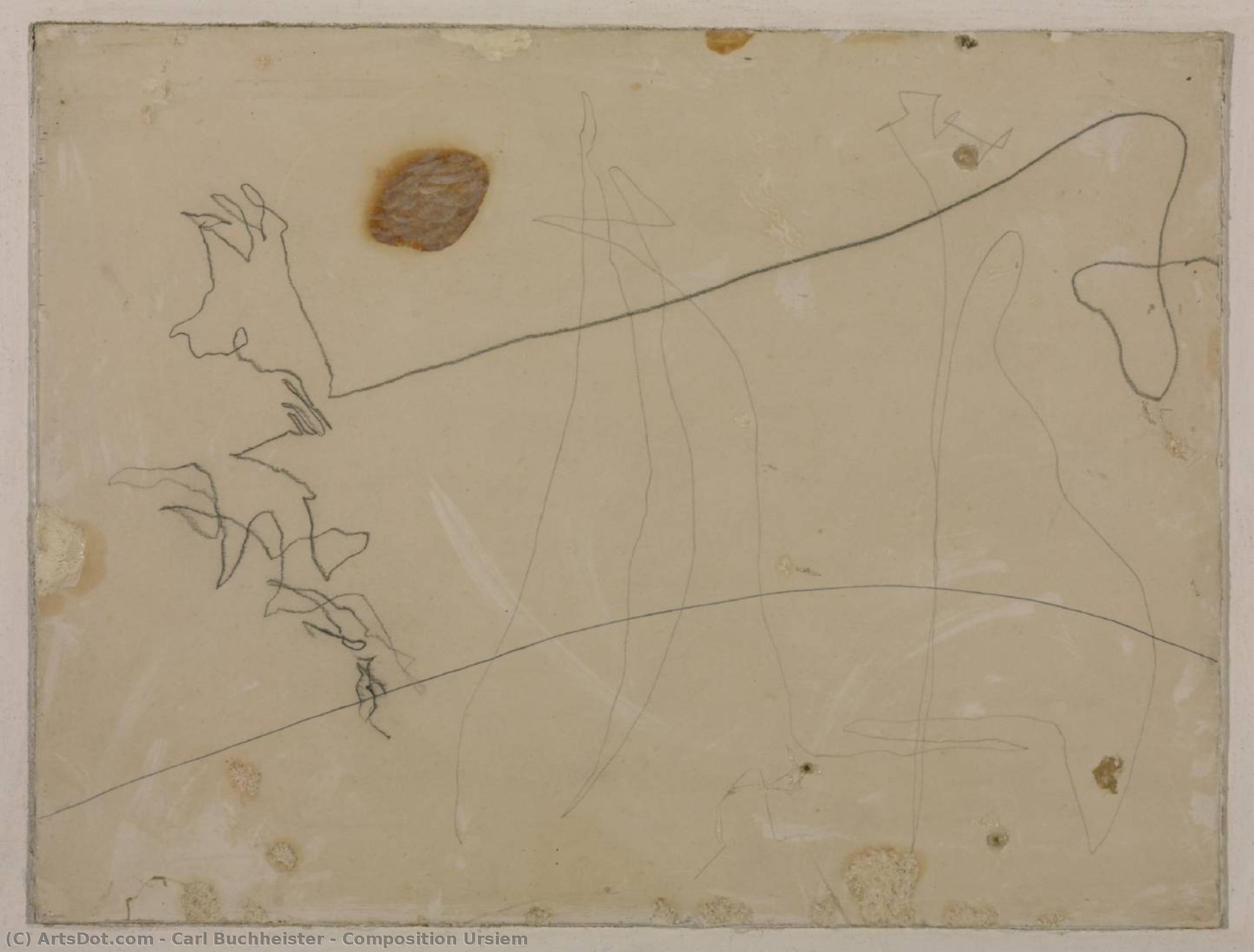
- Composition Ursiem
 Esikatselu
 Jaa
Jaa Jaa
Jaa
 Tarkemmat tiedot

 Lataa
Lataa
 Samanlaisia
 Röntgenkuva
 Diaesitys
Composition Ursiem


 Näytä lisää
Giclée-printit ja taideprintit
Museolaatuisia giclée- tai kankaitaulun tulosteita nopealla tuotannolla ja joustavilla viimeistelyvaihtoehdoilla. ( Vaihda käsinmaalattuun versioon Vaihda kuvaksi)




P118B $10

P118H $10

P118W $10

P438Z $10

P508JH $12

P508YH $12

P805H $10

P805Z $10

P919BZ $10

P919G $10

P919XJ $10

P959ZH $10

P968JZ $12

W106C $8

W218G $10

W218JH $8

W218Y $10

W307PJ $10

W316G $10

W316PJ $8

W316Y $10

W398PJ $8

W4111J $10

W500HY $15

W500JH $15

W692G $12

W849H $8

W940BG $15

W953PJ $8




Valitse valmiista mitoistamme sellaiset, jotka vastaavat teoksen alkuperäisiä mittasuhteita.

Voit syöttää omat mitat sopiaksesi tiettyyn kehykseen tai tilaan. Jos valittu koko ei vastaa alkuperäisen kuvan mittasuhteita, rajaamme teosta tai laajennamme kuvaa peilatulla tai yhtenäisellä reunalla. Digitaalinen mallikuva lähetetään hyväksyttäväksi ennen tuotannon aloittamista.
Huomaathan, että näytöllä näkyvä esikatselu ei vastaa lopullista rajausta tai laajennusta. Vain mallikuva näyttää lopullisen sommittelun tarkasti.
Vaikka räätälöityjä kokoja on saatavilla, suosittelemme valitsemaan mitat valmiista listasta alkuperäisten mittasuhteiden säilyttämiseksi.
Toimitus maailmanlaajuisesti () kahdessa viikossa tavallisen 4–5 viikon sijaan. (1 elokuu)

Ilmainen pikatoimitus ympäri maailman

Korkealaatuinen pellavakangas

Kattava kuljetusvakuutus

Tulliveron palautustakuu

Täydellinen värien vastaavuustakuu

60 päivän palautusoikeus (vain valmistusvirheet)

100% rahat takaisin -takuu

Määräalennus tarjous
 Lasivaihtoehto on saatavilla vain alle 110 cm kokoisina teoksina

Composition Ursiem
Giclée-printit ja taideprintit
Replikaatin koko
-


Kokonaishinta
$ 80
Teoksen kuvaus
The Echoes of Form: Exploring Buchheister's Composition Ursiem
To stand before Carl Buchheister’s Composition Ursiem is to step into a landscape of the mind itself—a place where structure dissolves into gesture and emotion takes tangible form. This charcoal drawing, executed in 1959, does not offer a scene to be merely observed; rather, it demands an emotional resonance from the viewer. It possesses the raw, untamed energy characteristic of preparatory studies, suggesting that what we see here is less a finished statement and more a vital moment caught mid-thought—a visual exhalation from the artist’s subconscious.
A Dialogue with Abstraction and Line
Technically, the piece is a masterclass in the expressive potential of charcoal. The medium allows Buchheister to build texture not through careful blending, but through the sheer accumulation and layering of marks. Dark, sinuous lines writhe across the paper, creating an almost frenetic dance that speaks volumes without uttering a single word. These elongated, amorphous shapes intertwine in a chaotic yet compelling arrangement. There is no clear focal point dictated by traditional perspective; instead, the eye is drawn into the density of the central, darker tones, suggesting an implied object or perhaps the core of a deeply felt anxiety. The overall effect is one of dynamic tension, where line weight becomes synonymous with emotional intensity.
Historical Resonance: From Constructivism to Inner Space
While Buchheister is historically recognized as a pioneer of Constructivist landscape painting—a movement dedicated to liberating art from mere representation and embracing geometric purity—Composition Ursiem seems to navigate the space between that rigorous structure and pure, unbridled expressionism. Influenced by the profound anxieties of the postwar era, his work often grappled with the fragmentation of modern existence. This drawing feels like a later meditation on those early struggles; if his earlier career sought elemental forms in the landscape, here he finds them within the tangled architecture of human feeling.
Symbolism and Emotional Depth for Your Space
For collectors and designers alike, this piece offers more than mere decoration; it offers conversation. The symbolism inherent in its undefined forms—the suggestion of limbs, figures, or merely currents of energy—invites contemplation on themes of disorientation, the subconscious, and the struggle for coherence. Reproducing Composition Ursiem allows one to introduce a sophisticated layer of intellectual depth into any room. It is perfect for an environment that values artistic dialogue over placid repose, lending an air of thoughtful, bohemian gravitas.
To own this reproduction is to possess a piece of art history distilled into pure feeling—a charcoal whisper from 1959 that continues to challenge and captivate the modern eye.
Taiteilijan elämäkerta
Carl Buchheister: A Pioneer of Constructivist Landscape Painting
Carl Buchheister (October 17, 1890 – February 2, 1964) emerged as a significant figure in German art during the turbulent years following World War I, establishing himself as one of the foremost practitioners of Constructivism—a revolutionary artistic movement that sought to liberate painting from representational illusionism and embrace geometric abstraction. Born in Hanover, Germany, Buchheister’s formative years coincided with the burgeoning intellectual ferment of Expressionism and Dada, shaping his artistic sensibilities and propelling him toward a distinctive visual language rooted in elemental forms and bold color palettes.- Early Influences: Like many artists of his time, Buchheister absorbed considerable inspiration from the landscapes of Edvard Munch and Friedrich Nietzsche, whose philosophical explorations mirrored the anxieties and uncertainties surrounding the postwar era. These influences instilled a preoccupation with psychological depth and emotional intensity—characteristics that would permeate his oeuvre throughout his career.
- Constructivist Principles: Embracing the tenets of Constructivism championed by artists like Wassily Kandinsky and Aleksandr Rodchenko, Buchheister rejected traditional perspective and tonal shading in favor of simplified geometric shapes arranged according to principles of balance and rhythm. He aimed to distill visual experience into its purest essence, prioritizing formal structure over detailed depiction.
- Notable Works: Buchheister’s artistic output comprises a series of striking landscape paintings—most notably “Composition Gowa,” “Composition Ursiem,” and “Composition Har”—that exemplify his Constructivist aesthetic. These canvases showcase monumental expanses of color punctuated by angular forms, conveying a sense of grandeur and immediacy that transcends mere visual observation.
Formal Innovation & Color Theory
Buchheister’s compositional strategies were meticulously crafted to evoke profound emotional responses in the viewer. He utilized techniques borrowed from photography—specifically the concept of “photographic illusion”—to create images that appeared to capture fleeting moments of atmospheric grandeur. His masterful manipulation of color—particularly hues derived from mineral pigments—further amplified the expressive power of his paintings. Analyzing geological formations and utilizing a palette informed by scientific observation, Buchheister sought to translate natural phenomena into visual metaphors for psychological states.- Geometric Abstraction: The artist’s canvases are dominated by large-scale geometric shapes—rectangles, triangles, and circles—arranged in harmonious configurations that prioritize spatial relationships over realistic representation.
- Mineral Pigments & Color Harmony: Buchheister meticulously selected mineral pigments—such as ultramarine blue and ochre—to achieve precise color matches and create visual compositions characterized by striking chromatic contrasts.
Legacy & Historical Significance
Carl Buchheister’s contribution to German art extends beyond his individual paintings; he served as a pivotal voice in advocating for Constructivism's role in shaping the artistic landscape of the Weimar Republic. His unwavering commitment to abstraction—coupled with his profound engagement with geological observation and psychological exploration—established him as a pioneer of a movement that anticipated many developments in postwar abstract expressionism. Buchheister’s work continues to resonate today, reminding us of the transformative potential of art to grapple with existential questions and convey visceral experiences.Further Exploration
For deeper insights into Carl Buchheister's artistic vision and his influence on subsequent generations of artists, consult resources such as Wikipedia (
carl buchheister
1890 - 1964 , Germany
Pikatiedot
- Artistic Movement Or Style: Constructivism
- Date Of Birth: October 17, 1890
- Date Of Death: February 2, 1964
- Full Name: Carl Buchheister
- Nationality: German
- Notable Artworks:
- Composition Gowa
- Composition Ursiem
- Composition Har
- Place Of Birth: Hanover, Germany
Liittyvät artikkelit
Fernand Légerin 25 mestariteosta: Modernismin ikoniset muodot seinillesi
Tutustu Fernand Légerin 25 ikonista mestariteosta – kubismin ja koneajan taiteen huiput. Taidehistoriaa, värikkäitä maalauksia ja inspiraatiota sisustukseen. Löydä upeimmat reproduktiot OriginalUniqueArt.com:sta!

Wassily Kandinskin 25 mestariteosta: Värien ja muodon syvä maailma | OriginalUniqueArt
Tutustu Wassily Kandinskin 25 vaikuttavinta teosta! Uppoudu abstraktin taiteen maailmaan, värien symboliikkaan ja modernin ekspressionismin historiaan. Löydä inspiraatiota kodin sisustukseen OriginalUniqueArt.com:ista – laadukkaat taideprintit ja reproduktiot.
Metropolitanin taidemestariklassikot: 25 unohtumatonta teosta kotiisi – OriginalUniqueArt.fi
Tutustu Metropolitan Museum of Artin 25 kuuluisimpaan teokseen! Uppoudu impressionismin, renessanssin ja modernin taiteen maailmaan. Löydä mestariteoksia Monétista Van Goghiin ja inspiroidu kodin sisustukseen OriginalUniqueArt.comissa. Tutki kokoelma verkossa!

MoMA:n 25 mestariteosta – Taidetta kotiisi OriginalUniqueArt.comista
Tutustu MoMA:n 25 ikonista mestariteosta! Vincent van Gogh, Picasso, Warhol ja muut taidemaailman legendat. Löydä inspiraatiota sisustukseen ja hanki korkealaatuisia taideprinttejä OriginalUniqueArt.comista. Tutki kokoelma verkossa!

Geometrisen abstraktion mestariteokset: Taidetta kotiin OriginalUniqueArtilta
Tutustu geometrisen abstraktion 10 mestariteokseen! Piet Mondrian, Kandinsky ja muut taiteilijat muovasivat modernin taiteen historiaa. Löydä inspiraatiota kotiisi OriginalUniqueArtilta – laadukkaat taideprintit ja sisustusehdotukset odottavat. Tutki kokoelma verkossa!

