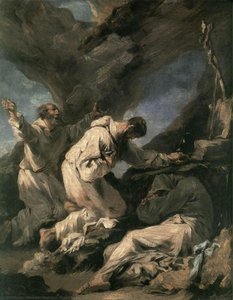
Katso seinällä
 Lähetä
 Jaa
Jaa
 Tarkemmat tiedot
 Opas
Opas

 Lataa kuva
 Samanlaisia kohteita
 Röntgenkuvaus
 Diaesitys
 Tilastot
Interrogations in Jail


 Lue lisää
Giclée- ja taideprintit
Museolaatuisia giclée- tai kankaitaulun tulosteita nopealla tuotannolla ja joustavilla viimeistelyvaihtoehdoilla. ( Tilaa käsinmaalattu jäljennös Siirry digitaaliseen kuvaan)




P118B €10

P118H €10

P118W €10

P438Z €10

P508JH €12

P508YH €12

P805H €10

P805Z €10

P919BZ €10

P919G €10

P919XJ €10

P959ZH €10

P968JZ €12

W106C €8

W218G €10

W218JH €8

W218Y €10

W307PJ €10

W316G €10

W316PJ €8

W316Y €10

W398PJ €8

W4111J €10

W500HY €15

W500JH €15

W692G €12

W849H €8

W940BG €15

W953PJ €8




Valitse valmiista mitoistamme sellaiset, jotka vastaavat teoksen alkuperäisiä mittasuhteita.

Kirjoita tarvitsemasi leveys ja korkeus, jotta tuloste sopii kehyskokoon tai seinällesi. Tulostetta voidaan vain leikata, sitä ei voi koskaan tehdä suuremmaksi kuin alkuperäinen kuva, joten eri muotoinen koko aiheuttaa osan kuvasta katoamisen. Lähetämme sinulle digitaalisen mallikuvan hyväksyttäväksi ennen kuin aloitamme tulostuksen. Tällä sivulla näkyvä kuva ei näytä lopullista leikkausta — vain mallikuva näyttää sen.
Maailmanlaajuinen toimitus () 2 viikossa tavallisen 4–5 viikon sijaan. (25 lokakuu)

Ilmainen pikatoimitus ympäri maailman

Korkealaatuinen pellavakangas

Kattava kuljetusvakuutus

Tulliveron palautustakuu

Takuu täydellisestä värien vastaavuudesta

100 päivän palautusoikeus valmistusvirhetapauksissa

100% rahat takaisin -takuu

Määräalennus saatavilla
 Lasivaihtoehto on saatavilla vain alle 110 cm kokoisille teoksille

Interrogations in Jail
Giclée- ja taideprintit
Replikaatin koko
-


Kokonaishinta
€ 70
A Descent Into Baroque Anxiety
In the shadowy recesses of the Kunsthistorisches Museum in Vienna lies one of Alessandro Magnasco’s most harrowing masterworks, "Interrogations in Jail." Created around 1710, this painting is far more than a mere historical tableau of cruelty; it is a visceral, psychological descent into the heart of Baroque anxiety. The composition centers on a figure suspended by ropes, his body contorted in a state of agonizing vulnerability above a cold table. Surrounding him, a group of grim jailers move through the gloom, their presence marked by the glint of swords and the terrifying silhouette of an iron maiden. Through this scene, Magnasco invites the viewer to witness not just a moment of physical torment, but a profound meditation on the fragility of human existence when confronted by the crushing weight of institutional authority.
The atmosphere of the work is thick with dread, achieved through Magnasco’s signature use of chiaroscuro. The stark, dramatic contrast between deep, impenetrable shadows and sudden, piercing flashes of light creates a sense of instability and movement. This technique does not merely illuminate the scene; it heightens the emotional tension, making the viewer feel as though they are peering into a secret, forbidden corner of history. The artist’s brushwork is remarkably expressive, utilizing rapid, fragmented strokes that mirror the agitation and chaos of the interrogation itself. There is a restless energy in every line, a flickering quality that suggests the very air in the stone cell is heavy with the scent of decay and the echoes of silent screams.
The Language of Shadows and Symbolism
Magnasco’s mastery lies in his ability to weave complex historical anxieties into a singular, haunting image. Painted during an era of intense religious fervor and political upheaval following the Thirty Years’ War, the artwork reflects a broader European preoccupation with justice, persecution, and the abuse of power. Every object within the frame serves as a symbol of this systemic oppression. The iron maiden, a centerpiece of dread, stands as a silent sentinel of mechanical cruelty, while the book resting on the table suggests the cold, bureaucratic recording of confessions—a chilling reminder that even pain is documented by the state. The muted palette of browns, grays, and ochres reinforces this sense of claustrophobia, stripping away any possibility of warmth or escape.
For the discerning collector or interior designer, "Interrogations in Jail" offers a profound opportunity to introduce a piece of immense character and intellectual depth into a space. A high-quality reproduction of this work serves as a powerful focal point, commanding attention through its dramatic narrative and sophisticated tonal range. It is an artwork for those who appreciate the darker, more contemplative side of the Baroque period—a piece that does not merely decorate a wall but provokes thought, invites conversation, and brings a sense of historical gravity to any curated environment. To possess such a work is to hold a fragment of the human struggle, rendered with unparalleled expressive power.
Kysymykset ja vastaukset
Minkä tyyppinen teos Alessandro Magnasco:n "Interrogations in Jail" on?
Teos Alessandro Magnasco:n "Interrogations in Jail" on luokiteltu tyypiksi WallArt. Luokitus kertoo, minkä tyyppinen alkuperäisteos on kyseessä.
Mistä voin ladata teoksen Alessandro Magnasco:n "Interrogations in Jail"?
Teoksen Alessandro Magnasco:n "Interrogations in Jail" voi ladata sen Lataa -sivulta muodossa korkearesoluutioinen digitaalinen kuvalataus.
Millaista tunnelmaa Alessandro Magnasco:n "Interrogations in Jail" -teoksen reproduktio toisi huoneeseen?
Dramatic-tunnelmansa ansiosta "Interrogations in Jail" sopii erinomaisesti tilaan Living Room.
Taiteilijan elämäkerta
Alessandro Magnasco (1667–1749): A Painter of Gloom and Wonder
- Early Life and Training:
- Collaboration and Artistic Influences:
- Magnasco’s Distinctive Style: Landscape and Figure Painting:
- Themes and Symbolism in His Oeuvre:
- Legacy and Recognition:
Early Life and Training
Alessandro Magnasco was born in Genoa in 1667, the son of Stefano Magnasco, a painter who practiced in the Genoese tradition. Unlike his father’s polished style—characterized by harmonious color blending—Magnasco embraced a radically different aesthetic path from an early age. Recognizing his talent, Stefano Magnasco entrusted him to Valerio Castello and Filippo Abbiati in Milan, where he honed his skills amidst the vibrant artistic milieu of the Lombard Baroque. This formative period instilled in Magnasco a sensitivity to expressive brushwork and a fascination with capturing psychological depth—traits that would define his future artistic endeavors.- Collaboration and Artistic Influences:
- Magnasco’s Distinctive Style: Landscape and Figure Painting:
- Themes and Symbolism in His Oeuvre:
- Legacy and Recognition:
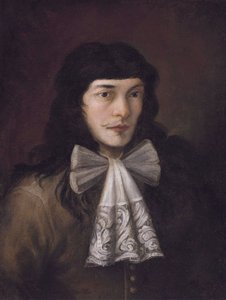
Alessandro Magnasco
1667 - 1749 , Italia
Tietoa taiteilijasta
- Artistic Movement Or Style: Barokki
- Artists Or Movements Influenced By This Artist:
- Cerquozzi
- Michelangelo Bamboccianti
- Artists Who Influenced This Artist:
- Valerio Castello
- Filippo Abbiati
- Date Of Birth: 4. helmikuuta 1667
- Date Of Death: 12. maaliskuuta 1749
- Full Name: Alessandro Magnasco
- Nationality: Italian
- Notable Artworks: ['Suuri Pyhä Maria']
- Place Of Birth: Genova, Italia
Aiheeseen liittyvät artikkelit

Drama & Light: The Captivating Power of Baroque Painting and the Mastery of Chiaroscuro
Explore the dramatic world of Baroque painting. Discover how masters used chiaroscuro and tenebrism to evoke profound emotion, from the Counter-Reformation to today's fine art collectors seeking breathtaking, hand-painted historical reproductions.

Drama and Light: A Definitive Guide to the Italian Baroque Masterpieces and the Revolution of Chiaroscuro
Explore the dramatic world of Italian Baroque art. Discover how masters like Caravaggio used chiaroscuro and tenebrism to revolutionize painting through light, shadow, and profound realism. A definitive guide for history lovers and art collectors.

Chiaroscuro & Emotion: Capturing the Dramatic Soul of Baroque Art
Explore the profound drama of Baroque art. Discover how masters used chiaroscuro and intense emotion to capture the soul of the 17th century through light, shadow, and spiritual grandeur in this expert art history guide.

Barokin dramaattinen valo ja varjo: Syväluotaava opas 1600-luvun taidehistoriaan
Opi barokin draaman ja chiaroscuro-tekniikan mestaruus. Tutustu 1600-luvun upeisiin mestareihin nyt.

Barokin mestariteokset: Taidetta ja loistoa kotiisi – OriginalUniqueArt.com
Uppoudu barokin loistokkuuteen! Tutustu Caravaggion, Rembrandtin ja Vermeerin kaltaisten mestareiden tunnetuimpiin teoksiin. Taidehistoriaa kotiisi – löydä upeat taidetulosteet ja canvas-taulut OriginalUniqueArt.comista.