Edward Steichen portree

47 kulubumatamatum Edward Steichen maali, galeriiselektsioon

Uuendatud oktoober 2026 · järjestatud meie populaarsusindeksi järgi (otsingud, külastused ja tellimused igale teosele) · 47 teost Edward Steichen meie kataloogis

Lühidalt

Kõigist Edward Steichen jäetud originaalteostest on kõige kuulsam Le Tournesol (The Sunflower) (1920), mis kuulub National Gallery of Art kogele linnas Washington. Järgnevad sellest Behind-the-scenes photograph, Paying the Piper (1921) ja Portrait, Osgood Perkins (1923). Meie kataloogist löytyb 47 teost kunstnikult Edward Steichen; galeriist on säilitatud 47 maailmas kõige imetlustunud teost, millest iga on esitatud koos kuupäeva, museumi ja oma luguga.

1900 – 1973, Bivange Pictorialism Enamama teoseid: Museum of the Moving Image

Edward Steichen top 10 maalist: galeriis valitud teosed

1
Le Tournesol (The Sunflower) (1920) autor Edward Steichen

Le Tournesol (The Sunflower)

1920 · Oil On Canvas · National Gallery of Art, Washington

The eye meets a sudden, bright collision of color where a stylized sunflower rests against a fractured sky. A large, yellow disk dominates the center, its hue shifting from a pale canary to a deep, warm goldenrod as it moves toward a dark honey outline. At the very heart of this bloom, a pine-green circle sits nestled within a ring of celery green. The flower head appears propped over the…

2
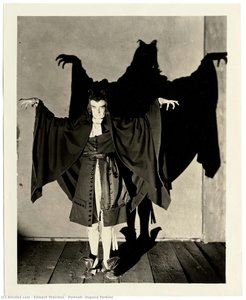
Behind-the-scenes photograph, Paying the Piper (1921) autor Edward Steichen

Behind-the-scenes photograph, Paying the Piper

1921 · Black and White Photography · Museum of the Moving Image, Astoria

To stand before this monochromatic document from 1921 is to step directly onto the dusty, exhilarating threshold of cinematic history. This photograph, capturing a behind-the-scenes moment from the production of 'Paying the Piper,' is far more than a mere record; it is an artifact imbued with the palpable energy of creation. One can almost hear the clatter of equipment and the hushed direction calls echoing across the makeshift set. The…

3
Portrait, Osgood Perkins (1923) autor Edward Steichen

Portrait, Osgood Perkins

1923 · Black and White Photography · Museum of the Moving Image, Astoria

Edward Steichen’s 1923 photograph, "Portrait, Osgood Perkins," is not merely a picture; it is an immersion into the velvet depths of theatrical fantasy. This striking black and white studio portrait captures a moment suspended between life and myth. The subject, dramatically costumed as a vampire, stands in profile, his posture radiating an almost predatory elegance. Steichen masterfully uses the stark contrast inherent to early 20th-century photography to sculpt this figure…

4
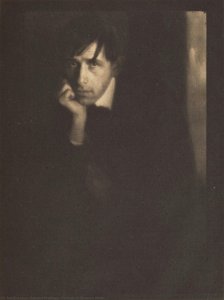
Portrait of Clarence White (1905) autor Edward Steichen

Portrait of Clarence White

1905 · Acrylic On Canvas · Denver Art Museum, Denver

To stand before Edward Steichen's Portrait of Clarence White is to step into a hushed moment suspended in time. This photograph is far more than a mere likeness; it is an immersion into the delicate landscape of introspection. The composition draws the viewer immediately into the intimate space shared between the artist and his subject. Clad in the soft, enveloping tones of monochrome, the portrait captures a man whose gaze…

5
Preview slide, The Kid (1921) autor Edward Steichen

Preview slide, The Kid

1921 · Acrylic On Canvas · Museum of the Moving Image, Astoria

Edward Steichen's "The Kid," produced in 1921 for the film starring Charles Chaplin and Jackie Coogan, stands as a quintessential example of Art Deco poster design—a bold declaration of cinematic excitement frozen in time. More than just an advertisement, it’s a meticulously crafted visual narrative that captures the spirit of its era.

6
Fan magazine, Motion Picture Magazine, vol. 9, no. 6 (1915) autor Edward Steichen

Fan magazine, Motion Picture Magazine, vol. 9, no. 6

1915 · Illustration · Museum of the Moving Image, Astoria

In this captivating artifact from July 1915, we are transported back to the dawn of the silver screen, an era where the magic of motion pictures began to weave itself into the very fabric of global culture. The cover of Motion Picture Magazine, volume 9, number 6, serves as more than just a periodical; it is a vibrant time capsule of early twentieth-century celebrity worship and artistic caricature. At its…

7
Herald, The Ten Commandments (1925) autor Edward Steichen

Herald, The Ten Commandments

1925 · Print · Museum of the Moving Image, Astoria

This evocative piece captures not merely an event, but a monumental moment in human mythology—the parting of the Red Sea. The composition immediately plunges the viewer into a scene of overwhelming drama and divine intervention. One can almost hear the roar of the receding waters and feel the tension gripping the figures on the shore. It is a visual narrative rendered with epic scope, designed to transport the observer across…

8
Lobby card, Blood and Sand (1922) autor Edward Steichen

Lobby card, Blood and Sand

1922 · Illustration · Museum of the Moving Image, Astoria

This evocative lobby card for "Blood and Sand," dating back to 1922, transports the viewer directly into the passionate, sun-drenched melodrama of early cinema. It is more than just a promotional piece; it is a carefully constructed tableau vivant, capturing the very essence of cinematic yearning. The composition immediately draws the eye to the central figure—a man embodying the romantic archetype, dressed in attire suggestive of Spanish passion and drama.…

9
Lobby card, Blood and Sand (1922) autor Edward Steichen

Lobby card, Blood and Sand

1922 · Photography · Museum of the Moving Image, Astoria

To gaze upon this lobby card for "Blood and Sand" is to step directly onto the vibrant, dramatic set of early cinema history. This piece is not merely a promotional artifact; it is a carefully constructed tableau vivant, capturing the raw energy and intoxicating allure that defined the silent film era. The composition immediately arrests the viewer with its bold chromatic choices—the passionate reds, the electric yellows, and the deep,…

10
Preview slide, The Immigrant (1919) autor Edward Steichen

Preview slide, The Immigrant

1919 · Illustration · Museum of the Moving Image, Astoria

In the realm of vintage visual culture, few images capture the whimsical essence of early cinema as effectively as this Preview slide for The Immigrant. This evocative piece serves as a window into a bygone era, presenting a delightful caricature of the legendary Charlie Chaplin in his most iconic role as the Tramp. The central figure is rendered with a charmingly exaggerated physicality; his oversized shoes, hat, and suit create…

Kunstianikut Edward Steichen nimekiri jätkub, 11 kuni 47

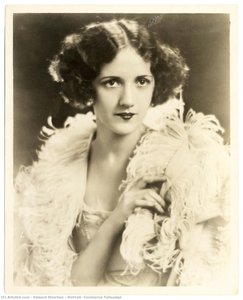
11Paul Robeson autor Edward SteichenPaul RobesonGeorge Eastmani muuseum 12Lobby kaart, The Love Special (1921) autor Edward SteichenLobby kaart, The Love Special1921 · Museum of the Moving Image 13In Memoriam (1906) autor Edward SteichenIn Memoriam1906 · Denver Art Museum 14Lobby card, The Heart of the North (1921) autor Edward SteichenLobby card, The Heart of the North1921 · Museum of the Moving Image 15Studio site photograph, Famous Players-Lasky, Hollywood, CA (1922) autor Edward SteichenStudio site photograph, Famous Players-Lasky, Hollywood, CA1922 · Museum of the Moving Image 16Sunflower (1920) autor Edward SteichenSunflower1920 · George Eastmani muuseum 17Preview slide, Hunting Big Game in Africa (1922) autor Edward SteichenPreview slide, Hunting Big Game in Africa1922 · Museum of the Moving Image 18Isadora Duncan in the Parthenon, Athens (1921) autor Edward SteichenIsadora Duncan in the Parthenon, Athens1921 · Toledo Museum of Art 19Lobby card, The Green Temptation (1922) autor Edward SteichenLobby card, The Green Temptation1922 · Museum of the Moving Image 20Film still, Footlights (1921) autor Edward SteichenFilm still, Footlights1921 · Museum of the Moving Image 21Nocturne, Temple d'Amour (1910) autor Edward SteichenNocturne, Temple d'Amour1910 22Film still, Experience (1921) autor Edward SteichenFilm still, Experience1921 · Museum of the Moving Image 23Brequet Photographic Plane Brought Down in Flames, World War I (1918) autor Edward SteichenBrequet Photographic Plane Brought Down in Flames, World War I1918 24Lobby card, Java Head (1923) autor Edward SteichenLobby card, Java Head1923 · Museum of the Moving Image 25Advertising slide, Paramount Pictures (1915) autor Edward SteichenAdvertising slide, Paramount Pictures1915 · Museum of the Moving Image 26Herald, The Kid Brother (1927) autor Edward SteichenHerald, The Kid Brother1927 · Museum of the Moving Image 27Lobby card, The Blue Fox, Episode 10 (1921) autor Edward SteichenLobby card, The Blue Fox, Episode 101921 · Museum of the Moving Image 28Special message slide, (1915) autor Edward SteichenSpecial message slide,1915 · Museum of the Moving Image 29Lobby card, The Man from Lost River (1921) autor Edward SteichenLobby card, The Man from Lost River1921 · Museum of the Moving Image 30The Lotus Screen, S.S.S (1909) autor Edward SteichenThe Lotus Screen, S.S.S1909 31Studio site photograph, Thomas H. Ince Studios, Culver City, CA (1922) autor Edward SteichenStudio site photograph, Thomas H. Ince Studios, Culver City, CA1922 · Museum of the Moving Image 32Herald, Blood and Sand (1922) autor Edward SteichenHerald, Blood and Sand1922 · Museum of the Moving Image 33Portrait, Constance Talmadge (1920) autor Edward SteichenPortrait, Constance Talmadge1920 · Museum of the Moving Image 34Preview slide, Cleopatra (1917) autor Edward SteichenPreview slide, Cleopatra1917 · Museum of the Moving Image 35Lady in a Flower Field (1899) autor Edward SteichenLady in a Flower Field1899 36The Little Round Mirror (1901) autor Edward SteichenThe Little Round Mirror1901 37Film still, Behind the Scenes (1914) autor Edward SteichenFilm still, Behind the Scenes1914 · Museum of the Moving Image 38Portrait, William Farnum (1920) autor Edward SteichenPortrait, William Farnum1920 · Museum of the Moving Image 39Aerial Bombs Dropping on Montmedy, World War I (1918) autor Edward SteichenAerial Bombs Dropping on Montmedy, World War I1918 40Aerial View of Trenches (1918) autor Edward SteichenAerial View of Trenches1918 · New Orleans Museum of Art 41Film still, Footlights (1921) autor Edward SteichenFilm still, Footlights1921 · Museum of the Moving Image 42Jean Walker Simpson (1923) autor Edward SteichenJean Walker Simpson1923 43Film still, Puritan Passions (1923) autor Edward SteichenFilm still, Puritan Passions1923 · Museum of the Moving Image 44Kontsertprogramm, Orpheum Teater, Filipiini Põhiäärkond (1915) autor Edward SteichenKontsertprogramm, Orpheum Teater, Filipiini Põhiäärkond1915 · Museum of the Moving Image 45Aerial View of Trenches (37) (1918) autor Edward SteichenAerial View of Trenches (37)1918 · New Orleans Museum of Art 46Esimese maailma lõpu müügikülje kaart (1923) autor Edward SteichenEsimese maailma lõpu müügikülje kaart1923 · Museum of the Moving Image 47Stuudio kohtfotograafia, Thomas H. Ince Stuudiod, Culver City, CA (1922) autor Edward SteichenStuudio kohtfotograafia, Thomas H. Ince Stuudiod, Culver City, CA1922 · Museum of the Moving Image

Edward Steichen kuulsaimad maalid ajastult ajastule

Teemad, mis püüdisid Edward Steichen pilma

Neli teemat, mis esinevad neis originaalkindel kõige sagedamini, ning iga teema parim näide.

Muuseumid, kus on säilitatud Edward Steichen originaalteosed

Kümne 6 muuseumi kollektsioonid, mis sisaldavad kõige rohkem sellel lehel esitatud teoseid.

Muuseumid Linn Edward Steichen teosid Selle nimekirja maalid
Museum of the Moving Image, AstoriaMuseum of the Moving Image Astoria 32 Behind-the-scenes photograph, Paying the Piper, Portrait, Osgood Perkins, Preview slide, The Kid
Denver Art Museum, DenverDenver Art Museum Denver 2 Portrait of Clarence White, In Memoriam
George Eastmani muuseum, RochesterGeorge Eastmani muuseum Rochester 2 Paul Robeson, Sunflower
New Orleans Museum of Art, New OrleansNew Orleans Museum of Art New Orleans 2 Aerial View of Trenches, Aerial View of Trenches (37)
National Gallery of Art, WashingtonNational Gallery of Art Washington 1 Le Tournesol (The Sunflower)
Toledo Museum of Art, ToledoToledo Museum of Art Toledo 1 Isadora Duncan in the Parthenon, Athens

Edward Steichen aastak aegades: originaalteos, mis määratleb iga ajastu

Teosed aastakate kaupa

Vali vuosakülg, et näha selle ajastu definieerivat originaalteost.

Sammlajate küsimused Edward Steichen maalide kohta

Millise teosega on Edward Steichen kõige kuulsam?Paljasta vastus

Le Tournesol (The Sunflower) (1920), National Gallery of Art, Washington. Järgnevad Behind-the-scenes photograph, Paying the Piper (1921) ja Portrait, Osgood Perkins (1923).

Kui vana oli Edward Steichen, kui teos Le Tournesol (The Sunflower) loodi?Paljasta vastus

20 aastat vanus: teos Le Tournesol (The Sunflower) on pärinev aastast 1920 ning Edward Steichen sündis aastal 1900.

Millised on kümne kõige kuulsama Edward Steichen maalid?Paljasta vastus

Le Tournesol (The Sunflower), Behind-the-scenes photograph, Paying the Piper, Portrait, Osgood Perkins, Portrait of Clarence White, Preview slide, The Kid, Fan magazine, Motion Picture Magazine, vol. 9, no. 6, Herald, The Ten Commandments, Lobby card, Blood and Sand, Lobby card, Blood and Sand ja Preview slide, The Immigrant. Ülemine reiting näitab iga teose puhul aastat ja muuseumi.

Kui palju maali Edward Steichen jäeti?Paljasta vastus

Meie kataloogist leiate 47 teost kunstnikult Edward Steichen, mis on pärinevad ajastust 1909 kuni 1927.

Mitteks muuseumides rihangavad Edward Steichen meistriteosed?Paljasta vastus

Peamiselt Museum of the Moving Image (Astoria), Denver Art Museum (Denver) ja George Eastmani muuseum (Rochester) muuseumites. Ülalpool olevate muuseumite tabelis on nendest kõik loetletud.

Millah aastades maalas Edward Steichen oma kuulsamaid teoseid?Paljasta vastus

Ajal 1920s: 29 47 sellel lehel olevat teost on sellel perioodil loodud, მათart közül Le Tournesol (The Sunflower).

Mis on Edward Steichen esimene ja viimane kuuls fama originaalteos?Paljasta vastus

Sellel lehel on kõige vanem teos The Lotus Screen, S.S.S (1909) ja kõige värskeim Herald, The Kid Brother (1927).

Milliseid teemasid Edward Steichen kõige sagedamini valis?Paljasta vastus

Black and white (7), Portrait (6) ja Photography (6), kogu selle lehekülje 47 teose kohta.

Millist tehnikat kasutas Edward Steichen kõige rohkem?Paljasta vastus

Black and White Photography, 9 teoseks 47 töödelt sellel lehel.

Minge pihta kunstisuunasse, kuhu Edward Steichen kuulub?Paljasta vastus

Pictorialism, seda lähtudes selle lehe originaalteostest.

Millised Edward Steichen teosed on Museum of the Moving Image näituses?Paljasta vastus

Behind-the-scenes photograph, Paying the Piper, Portrait, Osgood Perkins ja Preview slide, The Kid: Museum of the Moving Image, Astoria säilitab 32 selle lehel olevat teost.

Edward Steichen: elu ja looming

Lindimuste üle ulatuv elu: Edward Steicheni kunstiline oodysseia

Édouard Jean Steichen, hiljem tuntud kui Edward Steichen, oli tegelane, kes ületas lihtsa kategoriseerimise piirid. Sündinud 1879. aastal Lüksemburgi väikeses Bivange külas, muutus tema elu tärmatest perjalanan Euroopa juurist ühe Ameerika mõjukama kunstniku saajaks – mitte ainult fotograafina, vaid maalajana, kuraatorina ja visjonärina, kes reeglipärase visuaalse kultuuri me tajumist uuesti kujutas. Varajasi aastaid olid tähistatud suurepäralise ülemineku sündmusel; aastal 1881 emigreeris Steicheni pere uute võimaluste lootuses Michigani Hancocki linna. See liikumine sisaldas noore Edwardi vaimus eemalolemist ja ehk ka suurendatud tänamesuslikku tähelepanu maailmale – omadusi, mis kujundasid sügavalt tema kunstilist visiooni. Isegi lapsena oli nähtav loomulik talent joonistamisel, mida toetasid hoolivad vanemad, kes tunnistasid ja julgustasid tema loovusest tulnud kalduvusi. === Teekond muutuks murdeliseks enam kui kuze aastas, kui ta sai oma esimese kaamera, algades perioodi, mis oli suurelt osa ise õppimisest läbi väsimatu eksperimenteerimise. See ei olnud pelgalt tehnika omandamine; see oli uue keele avastamine, viis maailma jäädvustamisega sellise vahetu ja intiimse tunnetusega, mis oli varem saavuttamatu. Järgmine kolimine Milwaukee'sse tõi tema liitimusena litograafide poole, pakkudes väärtuslikke tehnilisi oskusi, samal ajal võimaldades tema kunstilistele püüdlustele õitsvetada.

Piktorialismist modernsesse visiooni: Steicheni kunstiline evolutsiole

Steicheni ilmumine kokkutas kasvava piktorialismi liikumisega, mis oli püüdeline tõsta fotografia kunstilisse staatuse. Ta sai kiiresti keskne tegelane, omakindlustades pehme fookust ja maalilisi efekte, et luua pilte, mis tekitasid meeleolu ja atmosfääri, mitte pelgalt dokumenteerisid reaalsust. See püüdatus juhtis teda Alfred Stieglitzi juurde, sarnase vaimuga inimeseni, kes tunnistas Steicheni erakordset talenti. Koos asetasid nad 1902. aastal Photo-Secessioni, grupi, mis oli pühendunud fotografie edendamisele kui legitiimsele kunstivormile. Publikatsioon *Camera Work*, väga mõjuva fotograafilise ajakirja, sai nende platvormiks ideede levitamiseks ja murdiliste teoste näitamiseks. New Yorkis asutatud galerii 291 kinnistas veelgi nende mõju, pakkudes ruumi, kus avantgarde Euroopa kunst – Picasso, Matisse, Cézanne – eksponeeriti koos fotograafiaga, edustades kultuurilist dialoogi ja ulatudes beyond tavalistest kunstilistest piiridest. Kuid Steicheni kunstiline teekond ei olnud ühe stiili staatiline järgimine. Esimese maailmasõja segadus tõi kaasa katalüütilise muutuse. Ta loobis piktorialismi etereelsetest omadustest, omakindlustades hoopis "otsefotograafia" (Straight Photography) esteetikat – mida isustas terav fookus, täpne detail ja reaalsuse puhtalt esitamine. See muutus peegeldas laiemat kultuurilist suundut modernsust ja keelasest sentimentaalsusest vabanemist eelistades selgust ja otsetunnet. Meister paljudes meediumides: mood, film ja inimlik olukord Steicheni mitmekülgsus oli hämmastav. Ta ei piirdunud ühe kunstivaldkonnaga; ta liikus sujuvalt läbi fotograafia, maalidust ja isegi filmikunstist. Tema sagedus moefotograafiates 1920. ja 30. aastatel revolutsioneeris tööstusega. Tegedes *Vogue*'i ja *Vanity Fair*'i jaoks, liikus ta kaugemale riietuste pelgast dokumenteerimisest, luues pilte, mis olid sofisteetlikud, glamuurne ja täidetud narratiivse tunnetega. Ta mõistis, kuidas kasutada valgust, poseerimist ja kompositsiooni, et edastada mitte ainult stiili, vaid ka isikupära ja emotsioone. See periood kinnistas teda selle valdkonna pioneerina, seades standardid järgnevatele moefotograafide põlvkondadele. Teises maailmasõjas teenis Steichen oma omavastuvõetud riiki suunates *The Fighting Lady* (1eks 1944), tunnustatud dokumentarfilmi USA merejõudude jaoks, mis pakkus viskeraalset portreetti õhusõjast. Kuid ehk tema kõige püsivaim pärand peitub 1955. aastal MoMA's kuraeritud näitusel *The Family of Man*. See monumentaalne näitus, mis sisaldas fotosid enam kui kuuestkümnest riigist, oli võimas sõnum universaalsetest inimlikest kogemustest – armastusest, sünnist, surmast, rõõmust ja kurbusest – ületades kultuurilised ja geograafilised piirid. UNESCO Maailmapärandi register on tunnustanud seda teost, mis jääb kui tõestus Steicheni usku kohta fotografie ühendavates jõudes.

Pärand ja mõju: püsiv jälg visuaalses kultuuris

Edward Steichen surmas 1973. aastal, jättes järeposse erakordse teosest, mis jätkub inspireerima ja provokeerima. Tema mõju on mitmekülgne. Ta muutis fundamentaalselt fotograafia perseptsiooni, tõstes selle puhtast tehnilisest protsessist tunnustatud kunstivormiks. Tema uuendav töö moefotografiates ei määranud mitte ainult ajastu esteetikat, vaid kehtestas uusi standardeid visuaalse loo jutustamiseks tööstuses. Galerii 291, läbi Euroopa modernismi toetamise, mängis kriitilist rolli Ameerika publiku tutvustamisel murdilike kunstiliikumistega. Ja *The Family of))= Man*, oma jagatud inimlikkuse sõnumiga, on sügavalt asjakohane üha fragmentaarsemas maailmas. Tema võime sujuvalt liikuda kommertsialistike ja kunstiliste püüdlete vahel näitas, et loovus võib õitsvetada erinevates kontekstides. Steicheni karjäär oli tõestus eksperimenteerimise, innovatsiooni ja vankumatult pursuitud kunstilise visiooni jõu vastu. Ta ei dokumenteerinud lihtsalt maailma; ta tõlkis seda, kujundas seda ja lõpuks muutis seda viisi, kuidas me seda näeme.

Olulised teosed

  • The Pond–Moonlight (1904): Lühendlik piktorialistiline foto, mida on austatud selle atmosfäärilise sügavuse ja toonirikkuse eest; rekordiline haulitrahv kinnitab selle püsivat atraktiivsust.
  • The Flatiron (1904): Teine oluline varajane teos, mis demonstreerib tema meistriklassi fototehnikas ja kompositsioonis, saavutades samuti märkimisväärse hinna haulitrahvus.
  • Kuulsuste portreid: Laialdane kogum, mis tabab kunstitegelaste, kirjanduspersonate ja meelelahutusartistide olemust sügavalt tundlikult.
  • The Fighting Lady (1944): Tunnustatud Teise maailmasõja dokumentarfilm, mis pakub kaasahaaravat pilku õhusõjale.
  • The Family of Man (1955): Murdiline näitus MoMA's, mis sisaldas üle maailma fotode kogumist, uurides universaalseid inimlikke kogemusi ja saades UNESCO tunnustuse.