Pictorialism · 1920
Sunflower (Edward Steichen, 1920)
Edward Steichen (1900–1973) on loonud teose Sunflower. See on pärinev 1920 aastast. See kuulub Pictorialism suuntrime. Teos on valmistatud materjalist Acrylic On Canvas. Teos asub George Eastmani muuseum kogamuses Rochester, Ameerika Ühendriigid. Mõõdud on 19 × 24 cm.
- 1920
- Acrylic On Canvas
- 19 × 24 cm
- George Eastmani muuseum, Rochester

 Eelvaade

 Käsitsi maalatud õlimaalatsioon
 Saada
 Jaga
 Teave teose kohta


 Laadi alla
 Sarnased teosed
 Röntgenuuring
 Slaidietendus
 KÜSIMUSED JA VASTUSID

 Statistika
Sunflower lühidalt
- Pealkiri
- Sunflower
- Kunstnik
- Edward Steichen (1900–1973)
- Kunstnik on sündinud
- Bivange, Luxemburg
- Kuupäev
- 1920
- Tehnika
- Acrylic On Canvas
- Mõõtmed
- 19 × 24 cm
- Kus seda näeb
- George Eastmani muuseum, Rochester, Ameerika Ühendriigid
- Suunad
- Pictorialism
- Aeglkond
- 19th Century
- Teema
- sunflower, edward steichen, photography, art, landscape, composition
Mida Sunflower kujutab?
A Luxembourgian Seed Takes Root: The Genesis of “Sunflower”
Edward Steichen’s 1920 painting, "Sunflower," isn’t merely a depiction of a flower; it's a poignant distillation of memory, displacement, and the enduring search for belonging. Born in the small, unassuming village of Bivange, Luxembourg, in 1879 – a region steeped in history and shadowed by the shifting borders of Europe – Steichen’s early life was marked by an emigration to America at just eighteen months old. This relocation, a common experience for Luxembourgers facing economic hardship, instilled within him a profound sense of rootlessness, a feeling that would subtly permeate his artistic vision throughout his career. The painting itself emerges from this context; it's not simply a botanical study but a visual echo of a past left behind, a yearning for stability amidst constant change.
Steichen’s journey to America was fueled by the hope of opportunity and a desire to escape the limitations imposed by his birthplace. He quickly immersed himself in the vibrant artistic scene of Milwaukee, Wisconsin, where he honed his skills as a lithographer and began experimenting with photography – a medium that would ultimately become his defining voice. This early exposure to both visual arts laid the groundwork for his later ability to capture light, texture, and emotion with remarkable precision.
The Pictorialist’s Palette: Technique and Style
“Sunflower” exemplifies Steichen's mastery of the pictorialist style – a movement that sought to elevate photography to the level of fine art. The painting is rendered in tempera and oil on canvas, utilizing a muted palette dominated by earthy browns, ochres, and subtle greens. These colors evoke the rich soil from which the sunflower springs, grounding the image in a sense of naturalism while simultaneously lending it an air of quiet contemplation. Steichen’s brushwork is deliberately soft and blended, creating a hazy, dreamlike quality that obscures sharp details and invites the viewer to lose themselves within the scene.
The composition itself is carefully constructed. The sunflower dominates the center of the frame, its broad petals radiating outwards in an explosion of color and form. Steichen employs a technique known as *sfumato*, borrowed from Renaissance painting, to soften edges and create a sense of atmospheric perspective. This blurring effect not only adds depth but also contributes to the painting’s overall mood of melancholy and nostalgia. The lighting is particularly noteworthy – a diffused, almost ethereal glow that seems to emanate from within the flower itself, suggesting an inner life and vitality.
Symbolism in Bloom: Memory, Displacement, and Resilience
The sunflower, as a symbol, carries layers of meaning. Historically, it has represented adoration, loyalty, and longevity – qualities that resonate deeply with Steichen’s own experiences. The flower's tendency to follow the sun is often interpreted as a metaphor for seeking guidance and direction in life, a theme particularly relevant to an artist grappling with displacement and uncertainty. The painting can be seen as a visual representation of Steichen’s own journey – his departure from Luxembourg, his struggles to find acceptance in America, and his ongoing quest for artistic fulfillment.
Furthermore, the sunflower's association with remembrance is significant. It’s often used as a symbol of mourning and remembrance, connecting to the broader context of Steichen’s life – marked by personal loss and the challenges of adapting to a new culture. Despite these hardships, however, “Sunflower” ultimately conveys a sense of resilience and hope. The flower's vibrant colors and upward-reaching form suggest an enduring spirit, a testament to the human capacity for growth and renewal.
A Legacy in Light: Steichen’s Enduring Influence
Edward Steichen’s “Sunflower” stands as a powerful example of his artistic vision – a synthesis of technique, symbolism, and personal experience. His pioneering work in photography and painting profoundly influenced generations of artists, shaping the course of modern visual culture. Today, reproductions of this evocative image continue to captivate viewers with their quiet beauty and poignant message. It serves as a reminder that even amidst displacement and hardship, there is always room for growth, remembrance, and the enduring pursuit of light.
Kumba muuseumis asub teos Sunflower?
George Eastmani muuseum
Rochester, Ameerika Ühendriigid
Valgusest etsüldud pärand New Yorki osariigi Rochesteri rahulikust ja rohelisest maastikust avastub monument, mis ei pühendu pelgalt kunstile, vaid visuaalse jutustamise enda leiutamisele. George Eastmani muuseum on palju enema kui pelgalt fotode ja filmide hoidla; see on elav tunnistus piiratu inimliku soovi kohta tabada põiklevat hetke, säilitada efemäärseid mälestusi ja jagada sügavuid visioone. See institutsioon, mille asutas visionäärne ettevõtja George Eastman — mees, kes demokratiseeris fotograafia oma revolutsionaalsete Kodak-kaameratega — kehastab tehnoloogilise innovatsiooni, kunstilise avalduse ja arhitektuurilise hiilguse erakordset liitmist.


Sunflower kõrge resolutsiooniga pildid

Protected by copyright: these files are for personal reference, not a licence to republish.
Edward Steichen, Sunflower (1920), George Eastmani muuseum.
Küsimused teemal Sunflower – vastused
Kust saab teose „Sunflower“, autor Edward Steichen täna vaadata?
Originaalteost "Sunflower" saab vaadata George Eastmani muuseum, Rochester, Ameerika Ühendriigid-is.
Mis on teose „Sunflower“, autor Edward Steichen loomisaeg?
Teos „Sunflower“, autor Edward Steichen loodi aastal 1920.
Millest on teos "Sunflower" valmistatud?
Teos "Sunflower" on valmistatud tehnika Acrylic On Canvas.
Mis on teose „Sunflower“, autor Edward Steichen tegelik suurus?
Originaalteose „Sunflower“, autor Edward Steichen mõõdud on 24 x 19 cm.
Mida „Sunflower“, autor Edward Steichen kujutab?
Teemad, mis teoses „Sunflower“, autor Edward Steichen esinevad, hõlmavad sunflower, edward steichen, photography, art, landscape, composition, color, 1920. Koos need kokkuvõtavad teose sisu.
Kas teose „Sunflower“, autor Edward Steichen pilt on vabalt reproduseeritav?
Teos „Sunflower“, autor Edward Steichen on lubaõiguslikult on endiselt autoriõiguse all under kaitse. See staatus reguleerib teose pildi reprodüseerimise võimalusi.
Kes on teose "Sunflower" kunstnik?
Teose "Sunflower" looja on Edward Steichen. Teos on kataloogitud nime Edward Steichen all.
Millissele stiilile kuulub "Sunflower"?
"Sunflower" on Pictorialism suunaga teos. See suundumine viitab kunstilisele traditsioonile, millega teos on seotud.
Millist etap Edward Steichen loomingus teos "Sunflower" esindab?
Edward Steichen loomingus kuulub teos "Sunflower" perioodi Early Period. See etap aitab seda võrdida kunstniku teiste töödega.
Kunstnikust, Edward Steichen

1900–1973, Luxemburg
Edward Steichen
Lindimuste üle ulatuv elu: Edward Steicheni kunstiline oodysseia Édouard Jean Steichen, hiljem tuntud kui Edward Steichen, oli tegelane, kes ületas lihtsa kategoriseerimise piirid. Sündinud 1879. aastal Lüksemburgi väikeses Bivange külas, muutus tema elu tärmatest perjalanan Euroopa juurist ühe Ameerika mõjukama kunstniku saajaks – mitte ainult fotograafina, vaid maalajana, kuraatorina ja visjonärina, kes reeglipärase visuaalse kultuuri me tajumist uuesti kujutas. Varajasi aastaid olid tähistatud suurepäralise ülemineku sündmusel; aastal 1881 emigreeris Steicheni pere uute võimaluste lootuses Michigani Hancocki linna.
Teel Edward Steichen kohta Edward Steichen silmapaistvad teosed
Ka Edward Steichen teosed
 Le Tournesol (The Sunflower)1920
 Behind-the-scenes photograph, Paying the Piper1921
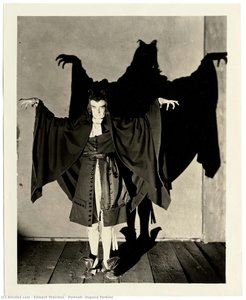 Portrait, Osgood Perkins1923
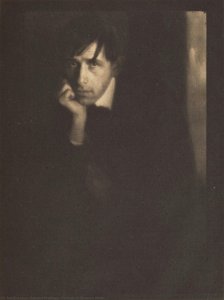 Portrait of Clarence White1905
Essee teemadel Sunflower
 Pictorialism Unveiled: How the Aesthetic Revolution Transformed Photography into Fine ArtExplore the revolution of Pictorialism. Discover how visionary photographers moved beyond documentation to transform the lens into a fine a…
 19th Century Masterpieces: 10 Paintings That Defined an Era | OriginalUniqueArtJourney through 19th century art with OriginalUniqueArt! Explore 10 iconic paintings – from Monet & Renoir to Courbet – and discover the st…
 Sunlight on Canvas: The Radiant Symbolism of Yellow Flowers in Impressionist ArtExplore the profound symbolism of yellow flowers in Impressionist art through expert analysis. Discover the light of the masters today.