1923
Lobby card, Java Head (Edward Steichen, 1923)
Edward Steichen (1900–1973) on loonud teose Lobby card, Java Head. See on pärinev 1923 aastast. Teos on valmistatud materjalist Print. Teos asub Museum of the Moving Image kogamuses Astoria, United States of America.
- 1923
- Museum of the Moving Image, Astoria

 Eelvaade

 Käsitsi maalatud õlimaalatsioon
 Saada
 Jaga
 Teave teose kohta


 Laadi alla
 Sarnased teosed
 Röntgenuuring
 Slaidietendus
 KÜSIMUSED JA VASTUSID

 Statistika
Lobby card, Java Head lühidalt
- Pealkiri
- Lobby card, Java Head
- Kunstnik
- Edward Steichen (1900–1973)
- Kunstnik on sündinud
- Bivange, Luxemburg
- Kuupäev
- 1923
- Tehnika
- Kus seda näeb
- Museum of the Moving Image, Astoria, United States of America
- Aeglkond
- Early Modern
- Teema
- movie poster, vintage art, lobby card, indian culture, nautical theme, drama scene
Mida Lobby card, Java Head kujutab?
A Glimpse into Cinematic Drama: The Allure of the Lobby Card
This evocative lobby card for "Java Head," dating back to 1923, transports us directly into the vibrant, dramatic heart of early cinema. It is more than just a promotional piece; it is a carefully constructed tableau vivant, capturing the charged atmosphere that defined silent film epics. The composition immediately draws the eye to the intense interaction between the two central figures. On the left, the gentleman, clad in the formal attire of the era—a suit and tie—leans into the scene with an air of grave seriousness, his posture suggesting a pivotal moment of revelation or confrontation. His gaze seems fixed upon the woman, anchoring the narrative tension.
The Symbolism of Culture and Mystery
The woman on the right introduces layers of exotic mystery to this dramatic exchange. Her adornment, featuring what appears to be elaborate traditional Indian jewelry, immediately suggests a cross-cultural narrative—a common trope in early Hollywood melodramas that allowed for rich visual storytelling. Her head is turned slightly away from the viewer, lending her an air of enigmatic contemplation; she seems caught between the man's intensity and some internal deliberation. The background reinforces this sense of journey and scope with its stylized depiction of a ship upon the ocean. This nautical element hints at themes of passage, separation, or perhaps even escape, grounding the personal drama within a grander, sweeping adventure.
Technique and Vintage Allure
The aesthetic quality of this piece is deeply rooted in the illustrative traditions of the early 20th century. The color palette—dominated by rich blues, warm yellows, and deep reds—is characteristic of period printing techniques, lending the entire image a beautiful patina of age that collectors so adore. While the original medium was likely lithography or high-quality printmaking for theatrical display, its reproduction offers us the chance to own this specific visual language. The overall style is illustrative yet highly polished, embodying the grand spectacle promised by "A Paramount Picture."
Emotional Resonance for the Modern Collector
For the discerning collector or interior designer, this artwork serves as a potent piece of decorative storytelling. It doesn't merely hang on a wall; it narrates a moment suspended in time—a breath held just before the climax. The blend of formal Western attire with richly detailed Eastern costume creates an immediate visual dialogue, sparking conversation and contemplation within any sophisticated space. Owning this reproduction allows one to curate an environment steeped in cinematic romance and historical grandeur, making it a captivating focal point that speaks volumes about an appreciation for art history and dramatic flair.
Kumba muuseumis asub teos Lobby card, Java Head?
Museum of the Moving Image
Astoria, United States of America
Portaal pikslite maailma: Astoria kinolineline hing Queensi Astoria linnaosa vibratil pulsil asudes seisab Liikumise Pildi Muuseum (MoMI) kui ainulaadne ja võitmatult lummav ristumiskoht, kus kunst, tehnoloogia ja lugudejutamine kokku kohtuvad. See on palju enema kui pelgalt artefaktide hoiutuspaik; see on sügavlt sisse tõmbav kogemus, mis hingab kaasaasaaja elu olemusega. Majutatud ajaloolistes Kaufman Astoria Studiosi seinte vahel — mälestismis, kus kunagi kõlas Hollywoodi kuldeaja loovenergia — toimib muuseum ise kinohistorias elava tunnistajana.
Lobby card, Java Head kõrge resolutsiooniga pildid

Autoriõigustega kaitstud: pilt on esitatud ainult näidisena.
Teised laiused, uueste lõikud ja alluding →Edward Steichen, Lobby card, Java Head (1923), Museum of the Moving Image.
Küsimused teemal Lobby card, Java Head – vastused
Kust saan näha originaalteost „Lobby card, Java Head“, autor Edward Steichen?
Originaalteost "Lobby card, Java Head" saab vaadata Museum of the Moving Image, Astoria, United States of America-is.
Mis aastal loodi teos „Lobby card, Java Head“, autor Edward Steichen?
Teose „Lobby card, Java Head“, autor Edward Steichen loomimisaastaks on märgitud 1923.
Millest on teos "Lobby card, Java Head" valmistatud?
Teose „Lobby card, Java Head“, autor Edward Steichen materjal on Print. Reproduktsioonide eesmärk on jälitada selle tehnika välimust.
Mille kohta teos "Lobby card, Java Head" on?
Teose "Lobby card, Java Head" teemad on movie poster, vintage art, lobby card, indian culture, nautical theme, drama scene, silent film.
Kas teos „Lobby card, Java Head“, autor Edward Steichen kuulub avalikku omandisse?
Teos „Lobby card, Java Head“, autor Edward Steichen on lubaõiguslikult on endiselt autoriõiguse all under kaitse. See staatus reguleerib teose pildi reprodüseerimise võimalusi.
Millisele kunstnikule on teos "Lobby card, Java Head" atribuutseeritud?
Teose "Lobby card, Java Head" autoriks on mõeldud Edward Steichen.
Kui vana oli Edward Steichen, kui ta loositud teose "Lobby card, Java Head" aastal 1923?
Edward Steichen loobus teose "Lobby card, Java Head" 23 aasta vanuses. Kunstnik on sündinud aastal 1900 ning teos on dateeritud 1923.
Miks on teose "Lobby card, Java Head" autoriõiguste staatus selline, nagu see on?
„Lobby card, Java Head“, autor Edward Steichen on on endiselt autoriõiguse all under kaitse. Tegijakeskuse kaitse kestus arvatakse kunstniku surmaajaest, mis toimus aastal 1973.
Kas teost "Lobby card, Java Head" peetakse kunstniku kodumaal?
Ei – teos asub välismaal. Edward Steichen sündis riigis Luxemburg ning teose "Lobby card, Java Head" algorig on säilitatud muuseumis, mis asub riigis United States of America.
Kunstnikust, Edward Steichen

1900–1973, Luxemburg
Edward Steichen
Lindimuste üle ulatuv elu: Edward Steicheni kunstiline oodysseia Édouard Jean Steichen, hiljem tuntud kui Edward Steichen, oli tegelane, kes ületas lihtsa kategoriseerimise piirid. Sündinud 1879. aastal Lüksemburgi väikeses Bivange külas, muutus tema elu tärmatest perjalanan Euroopa juurist ühe Ameerika mõjukama kunstniku saajaks – mitte ainult fotograafina, vaid maalajana, kuraatorina ja visjonärina, kes reeglipärase visuaalse kultuuri me tajumist uuesti kujutas. Varajasi aastaid olid tähistatud suurepäralise ülemineku sündmusel; aastal 1881 emigreeris Steicheni pere uute võimaluste lootuses Michigani Hancocki linna.
Teel Edward Steichen kohta Edward Steichen silmapaistvad teosed
Ka Edward Steichen teosed
 Le Tournesol (The Sunflower)1920
 Behind-the-scenes photograph, Paying the Piper1921
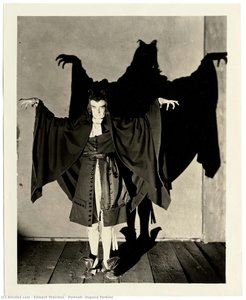 Portrait, Osgood Perkins1923
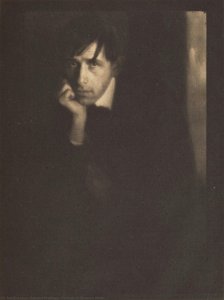 Portrait of Clarence White1905
Essee teemadel Lobby card, Java Head
 Pictorialism: A Search for Artistic Photography's Soul – Aesthetics, Techniques & LegacyExplore the captivating world of Pictorialism – a pivotal movement that transformed photography into fine art. Discover key artists like St…
 Crowns of Creativity: A Visual Journey Through History's Most Iconic Headdresses and Artful AdornmentsEmbark on a visual journey through history's most stunning headdresses. From royal crowns to sacred feathers, explore the artistry of iconi…
 25 Must-See Masterpieces at the Smithsonian American Art MuseumExplore 25 iconic works from the Smithsonian American Art Museum. From Hopper to O'Keeffe, find masterpieces on OriginalUniqueArt.com.