Õli-maalide versioon
 Kõik tegelda Polyptych kohta







































 Kunstiteoste või reproduktsioonide puhul, mille üks külg on üle 105 cm (umbikmolt 41 tolli), saadetakse raam kirjal asendis, la Dismantlitud komplektina. See meetod tagab ohutuse kohaletoimetamisel ja väldib transpordil tekkivaid kahjustusi.


Simone Martini’s Polyptych: A Symphony of Faith and Refinement
Simone Martini, a luminary of the early Renaissance born in Siena around 1284, gifted the art world with an unparalleled masterpiece – the Polyptych of Santa Caterina. More than just a painting; it embodies the spirit of its time, reflecting Siena’s burgeoning cultural vibrancy and establishing Martini as a pivotal figure in bridging medieval artistic traditions with the nascent ideals of humanist thought.
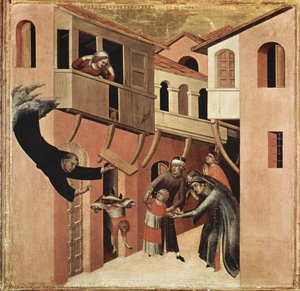
Housed within the Fitzwilliam Museum in Cambridge, United Kingdom, this monumental artwork transcends mere visual representation. Measuring 59 x 35 cm, it comprises three panels adorned with exquisitely detailed figures depicting saints and prophets—a testament to Martini’s mastery of tempera painting technique. The panel's vibrant hues – dominated by reds – aren’t merely decorative; they convey depth and luminosity, drawing the viewer into a contemplative space.
Artistic Significance & Style
The Polyptych exemplifies Martini’s signature International Gothic style, characterized by its graceful lines, meticulous attention to detail, and blending of Byzantine influences with Florentine realism. Unlike Giotto’s more austere depictions, Martini infused his compositions with a palpable sense of elegance and aristocratic refinement—a stylistic hallmark that distinguishes him from contemporaries.
- Composition: The central panel showcases three men in solemn robes, their hands clasped together in prayer, symbolizing unity and devotion.
- Figures: Each saint is rendered with remarkable realism, capturing subtle expressions of emotion and conveying spiritual contemplation.
- Color Palette: Martini’s masterful use of tempera pigments—particularly red—creates a rich tapestry of color that enhances the emotional impact of the scene.
Symbolism & Technique
Beyond its aesthetic beauty, the Polyptych is laden with symbolic meaning. The book held by one figure represents knowledge and divine guidance, while the staff symbolizes authority and spiritual leadership. Martini’s meticulous technique—evident in the layering of translucent glazes—allows him to achieve unparalleled luminosity and textural complexity. This painstaking process ensured that every brushstroke conveyed a profound sense of reverence.
Historical Context & Legacy
Created circa 1320, the Polyptych stands as an emblem of Siena’s religious fervor during the medieval period. It reflects the broader artistic trends of its time—the revival of classical ideals alongside Byzantine influences—and demonstrates Martini's profound impact on subsequent generations of painters. Its influence can be seen in works by artists like Andrea Pisano and Niccolò di Ser Sozzo, cementing Martini’s place as one of the foremost masters of his era.
For those seeking to experience the grandeur of Simone Martini’s vision, reproductions from OriginalUniqueArt offer exceptional quality and authenticity. Explore related artworks at the Fitzwilliam Museum and Isabella Stewart Gardner Museum for a deeper appreciation of this enduring masterpiece.
Korduvad küsimused
Kas teos Polyptych on käsitsi maaldis või trükis?
Käsin maalitud: professionaalne kunstnik koopia teose Polyptych õli-linast veebilehel.
Millise suuruse teose Polyptych jaoks valida?
Originaali mõõtmed on 59 x 35 cm. Suurused on vahemikus 31.1 x 32.2 cm (€179) kuni 235.7 x 243.6 cm (€1850); sellel lehel olev tabel on toodud peamised sammud ja nende hinnad.
Kui kaua kohalelymine aega võtab?
Tarneglus kestab 4–5 nädalat, pakkudes tasuta ekspresslaenitust üle maailma; kiiremat tootmist võimaldab seda lehte valitud valik. Teil on võimalik toote 100 päeva jooksul ilma tingimusteta täiesumma tagastamisega naasta, kui te ei ole sellest rahul.
Kus asub originaalteos Polyptych?
Originaalakade on Fitzwilliam College kollektsioonis, Cambridge.
Mida Simone Martini teoseks Polyptych kasutas?
Acrylic On Canvas
 Eelvaade

 Saada
 Jaga
 Teave teose kohta
 Teave teose kohta


 Laadi alla
 Sarnased teosed
 Röntgenuuring
 Slaidietendus
 KÜSIMUSED JA VASTUSID

 Statistika