International Gothic · 1320
Polyptych (Simone Martini, 1320)
Simone Martini (1284–1344) on loonud teose Polyptych. See on pärinev 1320 aastast. See kuulub International Gothic suuntrime. Teos on valmistatud materjalist Acrylic On Canvas. Teos asub Fitzwilliam College kogamuses Cambridge, United Kingdom. Mõõdud on 35 × 59 cm.
- 1320
- Acrylic On Canvas
- 35 × 59 cm
- Fitzwilliam College, Cambridge

 Eelvaade

 Käsitsi maalatud õlimaalatsioon
 Saada
 Jaga
 Teave teose kohta


 Laadi alla
 Sarnased teosed
 Röntgenuuring
 Slaidietendus
 KÜSIMUSED JA VASTUSID

 Statistika
Polyptych lühidalt
- Pealkiri
- Polyptych
- Kunstnik
- Simone Martini (1284–1344)
- Kunstnik on sündinud
- Siena, Itaalia
- Kuupäev
- 1320
- Tehnika
- Acrylic On Canvas
- Mõõtmed
- 35 × 59 cm
- Kus seda näeb
- Fitzwilliam College, Cambridge, United Kingdom
- Suunad
- International Gothic
- Aeglkond
- Renaissance
- Teema
- religious art, medieval painting, renaissance style, simone martini, polyptych format, tempera technique
Mida Polyptych kujutab?
Simone Martini’s Polyptych: A Symphony of Faith and Refinement
Simone Martini, a luminary of the early Renaissance born in Siena around 1284, gifted the art world with an unparalleled masterpiece – the Polyptych of Santa Caterina. More than just a painting; it embodies the spirit of its time, reflecting Siena’s burgeoning cultural vibrancy and establishing Martini as a pivotal figure in bridging medieval artistic traditions with the nascent ideals of humanist thought.
Housed within the Fitzwilliam Museum in Cambridge, United Kingdom, this monumental artwork transcends mere visual representation. Measuring 59 x 35 cm, it comprises three panels adorned with exquisitely detailed figures depicting saints and prophets—a testament to Martini’s mastery of tempera painting technique. The panel's vibrant hues – dominated by reds – aren’t merely decorative; they convey depth and luminosity, drawing the viewer into a contemplative space.
Artistic Significance & Style
The Polyptych exemplifies Martini’s signature International Gothic style, characterized by its graceful lines, meticulous attention to detail, and blending of Byzantine influences with Florentine realism. Unlike Giotto’s more austere depictions, Martini infused his compositions with a palpable sense of elegance and aristocratic refinement—a stylistic hallmark that distinguishes him from contemporaries.
- Composition: The central panel showcases three men in solemn robes, their hands clasped together in prayer, symbolizing unity and devotion.
- Figures: Each saint is rendered with remarkable realism, capturing subtle expressions of emotion and conveying spiritual contemplation.
- Color Palette: Martini’s masterful use of tempera pigments—particularly red—creates a rich tapestry of color that enhances the emotional impact of the scene.
Symbolism & Technique
Beyond its aesthetic beauty, the Polyptych is laden with symbolic meaning. The book held by one figure represents knowledge and divine guidance, while the staff symbolizes authority and spiritual leadership. Martini’s meticulous technique—evident in the layering of translucent glazes—allows him to achieve unparalleled luminosity and textural complexity. This painstaking process ensured that every brushstroke conveyed a profound sense of reverence.
Historical Context & Legacy
Created circa 1320, the Polyptych stands as an emblem of Siena’s religious fervor during the medieval period. It reflects the broader artistic trends of its time—the revival of classical ideals alongside Byzantine influences—and demonstrates Martini's profound impact on subsequent generations of painters. Its influence can be seen in works by artists like Andrea Pisano and Niccolò di Ser Sozzo, cementing Martini’s place as one of the foremost masters of his era.
For those seeking to experience the grandeur of Simone Martini’s vision, reproductions from OriginalUniqueArt offer exceptional quality and authenticity. Explore related artworks at the Fitzwilliam Museum and Isabella Stewart Gardner Museum for a deeper appreciation of this enduring masterpiece.
Kumba muuseumis asub teos Polyptych?
Fitzwilliam College
Cambridge, United Kingdom
Fitzwilliami Muuseum: Cambridge'i südames peituv kunstniku hing Cambridge'i ülikooli linna südal, ajaloolise arhitektuuri ja akadeemilise vaimust läbivat muuseumikülastust pakub Fitzwilliami kolledži muuseum – tõeline aarete kamber, mis on sajandite jooksul kogunud maailma eri paigist pärit kunstivara. Asutatud 1816. aastal Richard Fitzwilliami pool, kes soovis oma erakollektsiooni laiemalt avalikkusega jagada, on muuseum tänapäevaks kasvanud üheks Suurbritannia tähtsaimaks kultuuriliseks sihtkohaks.


Polyptych kõrge resolutsiooniga pildid

Avalik omanik: kunstnik suri aastal 1344.
Teised laiused, uueste lõikud ja alluding →Simone Martini, Polyptych (1320), Fitzwilliam College. Avalik omaniklik õigus
Küsimused teemal Polyptych – vastused
Kust saan näha originaalteost „Polyptych“, autor Simone Martini?
Originaalteost „Polyptych“, autor Simone Martini hoiustatakse Fitzwilliam College, Cambridge, United Kingdom muuseumis. Reproduktsioon võimaldab teost koduses keskkonnas esitleda.
Mis aastal loodi teos „Polyptych“, autor Simone Martini?
Teose „Polyptych“, autor Simone Martini loomimisaastaks on märgitud 1320.
Millises materjalis on teos „Polyptych“, autor Simone Martini valmistatud?
Teose "Polyptych" loomisel kasutas Simone Martini Acrylic On Canvas tehnikat. See tehnika määrab originaalteose materjalilise olemuse.
Mis on originaalteose „Polyptych“, autor Simone Martini mõõdud?
Originaalteose „Polyptych“, autor Simone Martini mõõdud on 59 x 35 cm.
Millised teemad teoses „Polyptych“, autor Simone Martini esile tõelve?
Teemad, mis teoses „Polyptych“, autor Simone Martini esinevad, hõlmavad religious art, medieval painting, renaissance style, simone martini, polyptych format, tempera technique, italian gothic. Koos need kokkuvõtavad teose sisu.
Kas teos „Polyptych“, autor Simone Martini kuulub avalikku omandisse?
Tegijateõiguse osas on teos "Polyptych" kuuluv klassifikatsiooni alla: avalikus õiguses – selle autoriõigud onหมดunud.
Kes on teose "Polyptych" kunstnik?
Teose "Polyptych" autoriks on mõeldud Simone Martini.
Millissele stiilile kuulub "Polyptych"?
Teos „Polyptych“, autor Simone Martini kuulub International Gothic suunasse. See suund annab teosele stilistilise konteksti.
Kuhu Simone Martini loomingulisse perioodi kuulub teos "Polyptych"?
Teos "Polyptych" esindab kunstniku Simone Martini loovperioodi Early Renaissance.
Kunstnikust, Simone Martini

1284–1344, Itaalia
Simone Martini
Simone Martini elu ja identiteet Siena linnas, Itaalias, umbes aastal 1284 sündinud Simone Martini elas elu, mis peegeldas oma ajastu pidevalt muutuvaid laineid. Tuntud ka nimega Simone di Martino, oli ta keskne tegelane varajase Itaalia maalisidunduse arenduses. Tema jalajälgi kunstimaailmas tuntus nii Toskaani südames kui ka Prantsuse paavialal, tähistades teda mehena, kelle mõju ulatus kaugele tema sünnupaigast. Ta oli kunstnik, kes mõistis oma aja keelt, liigudes läbi Euroopa religioossete ja civiilkeskuste kindla ja sihtriktud käega.
Teel Simone Martini kohta Simone Martini silmapaistvad teosed
Ka Simone Martini teosed
 Annunziatsioon ja kaks püha1333
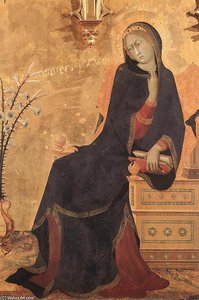 Annuntiatio ja kaks välist (detail)1333
 Annuntiatio koos Püha Margareeta ja Püha Ansanusega1333
 St Clare and St Elizabeth of Hungary1317
Essee teemadel Polyptych
 Italian proto-renaissance paintersMasterpieces by Giotto and Duccio define the Italian Proto-Renaissance. Explore the full collection online at OriginalUniqueArt.com.
 14th century Italian paintersMasterpieces by Giotto and Duccio define the Trecento era. Explore museum-quality reproductions on OriginalUniqueArt.com.
 Understanding Gothic and Renaissance Art: Key Differences and FeaturesMaster the differences between Gothic and Renaissance art through expert analysis of technique and style. Discover the evolution of art tod…