Vaata sisu
 Jaga teost
 Jaga
Jaga
 Detailid
 Õppekate juhend

 Laadi alla
 Sarnased teosed
 Röntgenuuring
 Slaidietendus
 Statistika
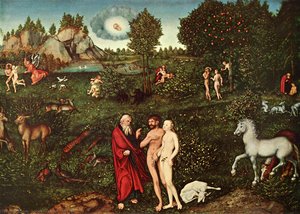
The Paradise
 Õlimaal paneelil
- German Renaissance
 1530
1530 81.0 x 114.0 cm
 Kunsthistorisches Museum
 Loe lähemalt
Giclée / Kunstiprint
Muuseumikvaliteediga giclée- või kangasprint kiire tootmisega ja paindlikud viimistlusvõimalused. ( Telli käsitsi maalitud reproduktsioon Ülemineku digitaalse pildi müügi kanalisse)




P118B €10

P118H €10

P118W €10

P438Z €10

P508JH €12

P508YH €12

P805H €10

P805Z €10

P919BZ €10

P919G €10

P919XJ €10

P959ZH €10

P968JZ €12

W106C €8

W218G €10

W218JH €8

W218Y €10

W307PJ €10

W316G €10

W316PJ €8

W316Y €10

W398PJ €8

W4111J €10

W500HY €15

W500JH €15

W692G €12

W849H €8

W940BG €15

W953PJ €8




Vali meie eelmääratud suurused, mis vastavad teose algupärastele proportsioonidele.

Sisestage vajalik laius ja kõrgus, et see sobiks teie raamile või seinale. Trükki saab ainult lõigata, seda ei saa kunagi pildist suuremaks teha, seega ka differentse vormiga suurus kaotab osa pildist. Enne trükkimist saadame teile kinnitamiseks digitaalse näidisprojektsiooni. Sellel lehel näidatud pilt ei kujuta reaalset lõiget — seda näitab ainult näidisprojekttsioon.
Ülemaailmne tarne () 2 nädala jooksul, tavalise 4/5 nädala asemel. (21 oktoober)

Tasuta ekspresssaatmine üle maailma

Kõrgekvaliteediline lina-kangastest muld

Täielik transpordikindlustus

Tollimaksude tagastamise garantii

Värvitoime täpsuse garantii

100 päeva tagastusõigus (ainult defektide korral)

100% raha tagasi garantii

Hulgusoodustus
 Klaasivalik on saadaval ainult kuni 110 cm suuruses teostes

The Paradise
Giclée / Kunstiprint
Reproduktsiooni mõõtmed
-


Lõppsumma
€ 70
A Renaissance Tableau of Divine Grace: Exploring "The Paradise"
Lucas Cranach the Elder’s “The Paradise,” painted in 1530, isn't merely a depiction of a biblical scene; it’s a carefully constructed dialogue between faith, mythology, and the burgeoning anxieties of the Reformation. Housed within the Kunsthistorisches Museum in Vienna, this oil-on-panel masterpiece transcends its religious subject matter to become a profound meditation on humanity’s relationship with God, temptation, and redemption. Cranach masterfully blends the formality of Northern Renaissance portraiture with the vibrant color palette and dynamic composition characteristic of his era, creating an image that simultaneously invites contemplation and draws the viewer into its intricate narrative.

At the heart of “The Paradise” stands a striking figure: a man, clad in arresting crimson robes, holding a child nude against his chest. This central scene immediately commands attention, drawing us into a moment of profound intimacy and vulnerability. The red, a color often associated with royalty, sacrifice, and divine authority, elevates this father-son tableau to a position of symbolic importance. Surrounding them is a carefully orchestrated gathering – kneeling figures, standing attendants, and even a powerful horse positioned on the right, adding an element of dynamism and perhaps hinting at earthly power and dominion. Cranach’s skill lies not just in rendering individual forms with meticulous detail but also in creating a palpable sense of atmosphere; the lighting, the positioning of the figures, all contribute to a feeling of solemn reverence.
Symbolism Woven into the Fabric of Faith
Beyond its immediate depiction of Adam and Eve’s expulsion from Paradise, “The Paradise” is rich in symbolic layers. The horse, frequently associated with pagan deities like Mars, can be interpreted as a reminder of humanity's fallen state – a connection to earthly desires and temptations that led to their expulsion from Eden. The figures kneeling represent the faithful, seeking solace and guidance within the divine realm. Cranach subtly incorporates elements of classical mythology, suggesting a continuity between the biblical narrative and the broader human story. The very act of holding the child is laden with meaning: it represents both the promise of new life and the responsibility of nurturing faith – a theme central to the Reformation’s emphasis on personal piety.
Technique and Artistic Innovation
Cranach's mastery of oil paint on panel is evident in every brushstroke. The rich, layered textures, the subtle gradations of color, and the remarkable detail with which he renders fabrics and skin tones demonstrate his technical virtuosity. He was a pioneer in utilizing this medium to achieve both luminous effects and intricate realism. Cranach’s ability to balance detailed observation with expressive gesture is particularly noteworthy; the figures are not merely representations but seem imbued with genuine emotion. The composition itself, carefully balanced and meticulously arranged, reflects Cranach's deep understanding of perspective and his desire to create a visually compelling and intellectually stimulating work.
A Legacy of Religious Art and Reformation
“The Paradise” stands as a pivotal work in Lucas Cranach the Elder’s oeuvre and a significant example of German Renaissance art. It reflects the complex religious and political landscape of his time, embodying both Catholic tradition and the emerging Protestant ideals. Cranach's willingness to engage with the Reformation through his art cemented his place as a key figure in shaping the visual language of the era. Today, reproductions of “The Paradise” offer a captivating glimpse into this pivotal moment in history, inviting viewers to contemplate timeless themes of faith, temptation, and redemption – themes that continue to resonate powerfully across centuries.
Küsimused ja vastused
Kas teose „The Paradise“, autor Lucas Cranach Vanem autoriõigused lubavad selle reproduktsiooni?
Teose „The Paradise“, autor Lucas Cranach Vanem autoriõiguste staatus on selge: teos kuulub avalikule omandile (avalikus õiguses – selle autoriõigud onหมดunud). Selle paik on Kunsthistorisches Museum kollektsioonis seda staatust ei muuda.
Mis on teose „The Paradise“, autor Lucas Cranach Vanem tehnika ja valmimisaeg?
Teos "The Paradise" loodi aastal 1530, kasutades Õlimaal paneelil tehnikat. Materjal ja kuupäev kirjeldavad, kuidas ja millal originaal valminud on.
Millise kunstisuunaga kuulub teos „The Paradise“, autor Lucas Cranach Vanem nn-väljendisse?
Teos „The Paradise“, autor Lucas Cranach Vanem kuulub German Renaissance suunasse. See suund annab teosele stilistilise konteksti.
Kunstniku elulugu
Saksamaa renessansimeister: Lucas Cranach vanem elu ja kunst
Lucas Cranach vanem, kes sündis umbes 1472. aastal Saksamaal Kronachis, seisab Saksa renessanssi võtmetegelaskuna. Tema elu laavandus tohutute religioossete ja poliitiliste muutuste ajastul ning tema kunst on muutunud lahutuselt seotuks nii kasvava protestantliku reformatsiooniga kui ka õukondadega, mida ta teenis. Kuigi Cranachi varajane kunstiline areng on osaliselt häguse katuse all, olles esialgu oma isa, Hans Maler, õpilane, on tema arenevas stiilis selgelt nähtavad Lõuna-Saksamaa meistrite mõjud. Ta eristus kiiresti mitte ainult oskusliku käsitöömeistrina, vaid kunstnikuna, kes suutas tabada nii psühholoogilist sügavust kui ka tehnilist täpsust – omadused, mis tõid peagi tähelepanu võimsatele patroonidele. 1504. aastal astus ta Saksamaa kurator Friedrich III teenistusse, suhe, mis määras tema karjääri suure osa ja pakkus talle nii stabiilsust kui ka ligipääsu mõjuvate ringkondadele. See ametikoht õukonnakunstnikuna Wittenbergis ei olnud pelgalt dekoratiivsete teoste loomine; see asetas Cranachi Euroopa ajaloo ühe transformatiivse liikumise südamesse.Patroonlus, reformatsioon ja kunstiline uuendus
Cranachi positsioon Saksamaa õukonnas osutas kriitilist rolli mitte ainult tema toimelemise, vaid ka tema kunstilise arengu jaoks. Ta ei dokumenteerinud sündmusi pelgalt; ta kujundas aktiivselt visuaalseid narratiive sügavate muutuste ajal. Tema kõige püsivam pärand on tõenäoliselt tema lähedane seos Martin Lutheriga, protestantliku reformatsiooni keskfigurega. Cranach loobus vähemalt üksteist Lutheri portreedi, millest iga pakub unikaalset vaadet reformistori isikupärale ja muutuvale rollile. Need ei olnud lihtsalt sarnalused joonised; need olid hoolikalt konstrueritud kujundid, mille eesmärk oli projiskeerida autoriteeti, ususlikkust ja intellektule tugevust – olemuslikke omadusi juhile, kes väljakutsub kehtestatud religioossele korrale. Lisaks portreetide loomisele tõlkis Cranach reformatsiooni teoloogia visuaalsesse vormi, luues puukõla ja maalid, mis levitasid protestantlikke ideid laialdaselt. Tema piiblist lüüumist esitavad teosed eemaldasid end traditsioonilisest katoliklikust ikonograafiast, rõhutades otsest suhet kirjastega ja edendades isikupärasemat seost vaataja ja usku vahel. Näiteks Joachimile ilmutamine kiirgab rõõmsast vaimust, peegeldades reformitud kirikus uut rõhupunktit individuaalse pühaooduse suhtes. See uuenduslik lähenemine lahendus ka religioossete teemade üle; Cranachi müütilised maalid, nagu Venus ja teised klassikalised figuurid, kandsid sageli allegorilisi tähendusi, mis olid asjakohased sellepäeva poliitiliste ja sotsiaalsete küsimustega.Meeskonnatöö dinastia: stiil ja tehnika
Lucas Cranach vanem ei olnud üksildane kunstnik, kes töötas eraldatult. Ta juhtis märkimisväärselt produktiivset töökoda, kasutades arvukalt assistente ja õpilasi, kes panustasid oluliselt tema loomingusse. See koostööpõhine lähenemine tähendas, et paljusid Cranachile attribuutseeritud teoseid loodi tegelikult tema juhendis või tema ringi liikmetel – sealhulgas tema pojaga, Lucas Cranach nooremaga. Cranachi töökoda sai tuntuks oma eripärase stiili poolest: elegantne figuurid pikendatud proportsioonidega, vibrantne värvigarm ja hoolikas tähelepanu detailidele. Tema tehnika hõttis õlimaali, puukõla ja graafika kombinatsiooni, võimaldades tal jõuda laia publikuni nii originaalteoste kui ka kättesaadavama trükite läbi.Pärand ja igav lõplik mõju
Lucas Cranach vanem suri 1553. aastal, jättes järele erakordse kunstilise pärandi, mis resonatsioonib tänapäevani. Ta oli portreetide meister, religioossete teemade oskuslik tõlkija ja tark ärinaine, kes mõistis visuaalse kommunikatsiooni jõlu. Tema töö ei peegelda mitte ainult oma ajastu kultuurilisi ja intellektuaalseid voolu, vaid aitas neid ka kujundada. Cranachi töökoda jätkus pärast tema surma, tagades tema stiili ja tehnikate säilitamise põlgedeks. Tema mõju on nähtav arvukate järgnevate kunstnike teostes ning tema maalid on end manterdanud maailma kollektsionide ja muuseumide väärtuslikemate teostena. Alates ikoonilistest Martin Lutheri portreetidest kuni lummavate müütiliste stseenideni pakub Cranachi kunst põnevat vaadet Saksa renessanssi maailma – maailma, mida iseloomustasid nii sügav vaimne küsimine kui ka kunstiline uuendus. Tema võime ühendada religioosne põletus, poliitiline tarkus ja kunstiline talent kinnitas tema koha oma ajastu ühe olulisema kunstnikuna ning tema panused jätkavad sajandite pärast publikut inspireerimas ja võlustamas.
Lucas Cranach Vanem
1472 - 1553 , Saksa
Lühikest infot
- Artistic Movement Or Style: German Renaissance
- Artists Who Influenced This Artist: ['Hans Maler']
- Date Of Birth: 1472
- Date Of Death: 1553
- Full Name: Lucas Cranach the Elder
- Nationality: German
- Notable Artworks:
- Stag Hunt
- Self-Portrait
- Annunciation to Joachim
- Place Of Birth: Kronach, Germany
Sarnased artiklid

German Expressionism's 10 Defining Masterpieces | Art for Your Home
Explore 10 defining German Expressionism masterpieces – from Munch's 'The Scream' to Kandinsky’s abstracts. Discover the artists, stories & bold colors behind this powerful art movement. Find museum-quality reproductions at OriginalUniqueArt.com.
The Northern Awakening: Artistic Innovation & Cultural Transformation in the German Renaissance
Explore the artistic innovation of the German Renaissance! Discover Dürer, the Danube School & Reformation art. Learn about techniques, materials & lasting influence. Find museum-quality reproductions at OriginalUniqueArt.
Sacred Narratives on Canvas: Exploring Religious Painting Through History
Explore the rich history of religious painting with OriginalUniqueArt.com! Discover iconic artworks, symbolism & techniques from antiquity to the Renaissance. Enhance your art appreciation today.
Sacred Narratives Embodied: A Comprehensive Exploration of Religious Iconography in Art History
Explore the rich history of religious iconography in art! Discover symbolism, movements & masterpieces from Byzantine to Renaissance periods. Expert insights for collectors and enthusiasts at OriginalUniqueArt.
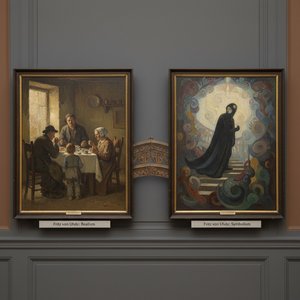
Fritz von Uhde: Bridging Realism & Symbolism in Late 19th-Century German Painting
Explore the captivating world of Fritz von Uhde, a pivotal German painter bridging Realism & Symbolism. Discover his plein-air techniques, religious themes, and influence on modern art. Learn about this fascinating artist at OriginalUniqueArt.