 Tellimaks maali Osta digipilt
 Saada
Saada
 Jaga
Jaga
 Teave teose kohta
 Lisa lemmikutesse

 Laadi alla
 Sarnased teosed
 Röntgenuuring
 Slaidietendus
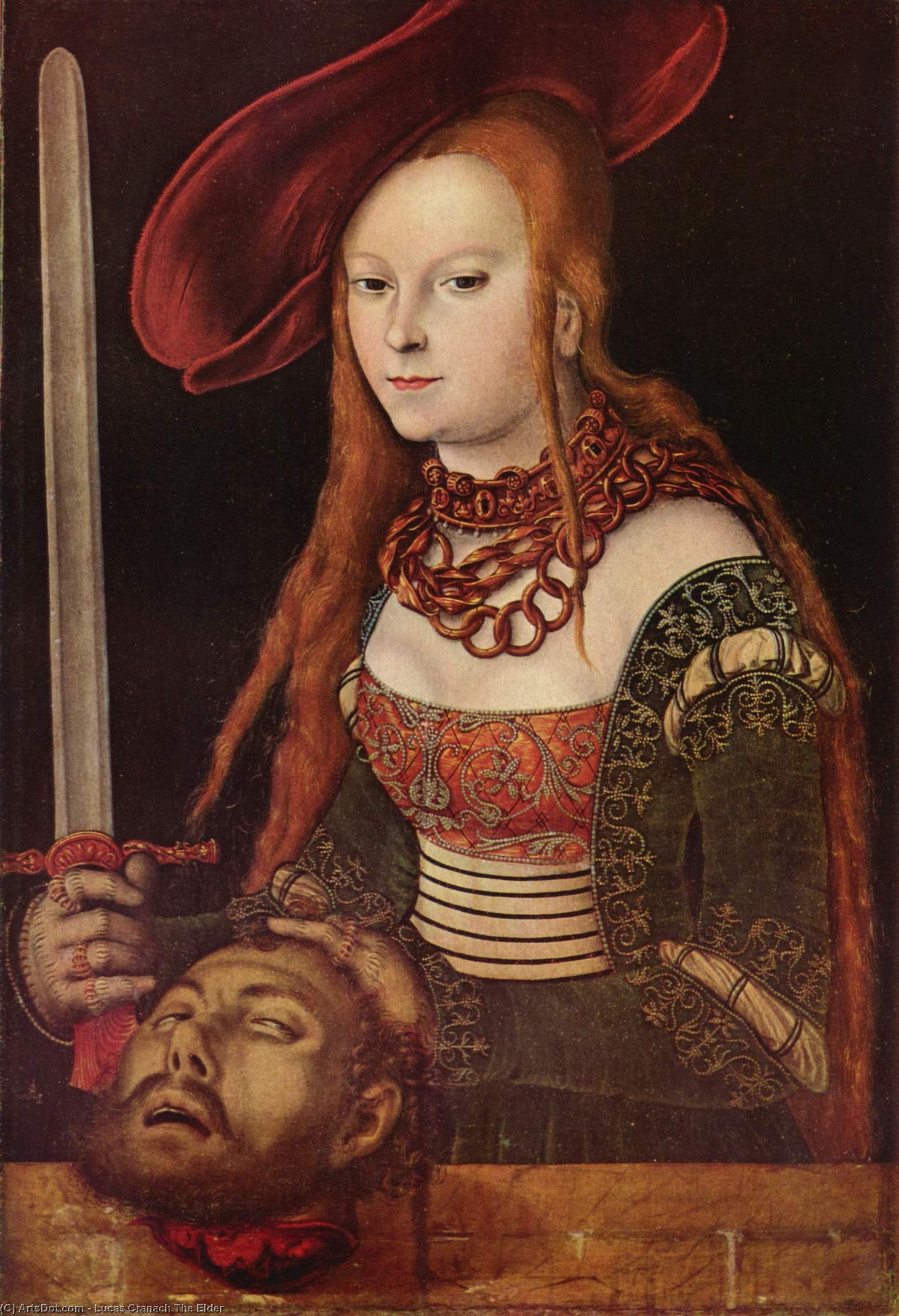
Judith
 Oil On Panel
- Northern Renaissance
 1515
1515- Renaissance
 86.0 x 59.0 cm
 Loe lähemalt
Giclée / Kunstiprint
Muuseumikvaliteediga giclée- või kangasprint kiire tootmisega ja paindlikud viimistlusvõimalused.




P118B $10

P118H $10

P118W $10

P438Z $10

P508JH $12

P508YH $12

P805H $10

P805Z $10

P919BZ $10

P919G $10

P919XJ $10

P959ZH $10

P968JZ $12

W106C $8

W218G $10

W218JH $8

W218Y $10

W307PJ $10

W316G $10

W316PJ $8

W316Y $10

W398PJ $8

W4111J $10

W500HY $15

W500JH $15

W692G $12

W849H $8

W940BG $15

W953PJ $8




Vali meie eelmääratud suurused, mis vastavad teose algupärastele proportsioonidele.

Saate sisestada oma mõõdud, et need sobiks konkreetse raami või ruumi sisse. Kui valitud suurus ei vasta originaalteose proportsioonidele, lõigame teose ära või laiendame pilti peegeldatud või ühtlase servaga. Enne tootmisprotsessi algust saadetakse Teie kinnitamiseks digitaalne näidis.
Palun märka, et ekraanil kuvatav eelvaade ei kajasta tegelikku lõigamist või laiendamist. Ainult näidis kujutab täpselt lõplikku kompositsiooni.
Kuigi erimõõdu on saadaval, soovitame originaaproportsioonide säilitamiseks valida mõõt ette määratud nimekirjast.
Ülemaailmne tarne () 2 nädala jooksul, tavalise 4/5 nädala asemel. (20 juuli)

Tasuta ekspresssaatmine üle maailma

Kõrgekvaliteediline linakangas

Täielik transpordikindlustus

Tollimaksude tagastamise garantii

Värvitoime täpsuse garantii

60-päevane tagastusõig: ainult tootmisdefektide korral

100% raha tagasi garantii

Hulgusoodustus
 Klaasivalik on saadaval ainult suuruses kuni 110 cm

Judith
Giclée / Kunstiprint
Reproduktsiooni suurus
-


Kogusumma
-
Kogumuse kirjeldus
Judith by Lucas Cranach the Elder: A Renaissance Masterpiece
The painting "Judith" by Lucas Cranach the Elder is a masterpiece of the Northern Renaissance style, created in 1515. This oil painting measures 86 x 59 cm and is a stunning representation of the biblical story of Judith and Holofernes.
Artistic Style and Technique
Lucas Cranach the Elder was a renowned German painter and printmaker, known for his contributions to the development of the Northern Renaissance style. His paintings often featured rich colors, detailed landscapes, and mythological subjects. In "Judith," he used a bold color palette, with the red hat standing out against the rest of the scene. The woman's armor is also intricately detailed, highlighting her role as a warrior.
- The painting is characterized by its use of symbolism, with the severed head representing victory and power.
- The artist’s attention to detail is evident in the intricate design of Judith’s armor and clothing.
- The painting's composition is balanced, with the central figure of Judith drawing the viewer's eye.
Symbolism and Historical Context
This artwork draws from the biblical story of Judith, a courageous Jewish widow who saved her people by seducing and then beheading the Assyrian general Holofernes. Cranach’s depiction reflects the Northern Renaissance fascination with biblical narratives and classical themes. The painting was created during the Reformation period in Germany, and it's believed that some scholars have suggested that such works may relate to the Schmalkaldic League – an alliance of Protestant princes formed to defend against the Holy Roman Emperor.
Emotional Impact and Legacy
“Judith” evokes a sense of strength, determination, and triumph. Judith’s direct gaze and regal posture convey her power and resolve. The somber background enhances the dramatic impact of the scene, drawing attention to the central figure. Cranach's masterful use of light and shadow creates depth and realism, making this painting a captivating work of art that continues to inspire and fascinate audiences today.
Notable Works by Lucas Cranach the Elder
Explore more of Cranach's artistry through these notable works:
The Kunsthistorisches Museum in Vienna, Austria, also houses several of his works.
Kunstniku elulugu
Lucas Cranach the Elder
Lucas Cranach the Elder (Lucas Müller, Lucas Cranach der Ältere, Lucas Cranach der Jüngere) was born around 1472 in Kronach, Bavaria – part of the Bishopric of Bamberg – and died in Wittenberg, Saxony, on October 16th, 1553. He stands as a monumental figure of the German Renaissance, inextricably linked to both the burgeoning Protestant Reformation and the opulent courts he served. His artistic journey unfolded during an era defined by religious upheaval and political maneuvering, resulting in a body of work that continues to fascinate scholars and artists alike.Early Life and Training
Lucas Cranach’s formative years were spent under the tutelage of his father, Hans Maler, a respected painter who instilled in him a foundational understanding of artistic technique and stylistic conventions prevalent in South Germany during the early 16th century. While biographical details concerning Cranach's youth remain somewhat elusive—primarily due to the scarcity of surviving documentation—evidence suggests that he absorbed influences from masters such as Matthias Grünewald and Albert Dürer, shaping his evolving aesthetic sensibilities. These formative experiences would prove instrumental in establishing him as a distinct artistic voice within the broader Renaissance landscape.Service Under Frederick III and Wittenberg
A pivotal moment in Cranach’s career arrived in 1504 when he accepted the patronage of Frederick III, Elector of Saxony—a relationship that would endure for nearly half a century and profoundly impact his artistic output. This appointment to Wittenberg wasn't merely about securing financial stability; it placed him squarely at the epicenter of one of Europe’s most transformative movements: the Protestant Reformation. Cranach swiftly became Luther’s confidante, collaborating on iconic portraits that projected authority and piety—essential qualities for a leader challenging papal dogma. Beyond portraiture, he spearheaded the dissemination of Reformation theology through woodcuts and engravings, reaching audiences far beyond Wittenberg's walls. His artistic endeavors reflected not only his personal convictions but also the broader intellectual climate of the time – characterized by skepticism toward traditional institutions and an embrace of humanist ideals.Style and Technique: A Synthesis of Tradition and Innovation
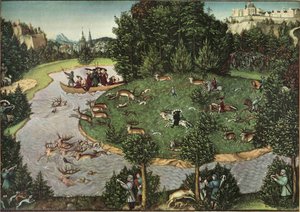
Cranach’s artistic style—a masterful blend of Northern Renaissance realism and expressive symbolism—became instantly recognizable. He employed oil painting, woodcut, and engraving with unparalleled skill, achieving remarkable textural detail and luminous color palettes. His compositions frequently incorporated mythological references alongside biblical narratives, conveying complex allegorical meanings relevant to contemporary political discourse. Consider *Stag Hunt*, for example: the dynamic depiction captures the grandeur of the hunt while simultaneously embodying noble virtues—a testament to Cranach’s ability to synthesize artistic tradition with humanist innovation. The meticulous rendering of animal musculature and drapery demonstrates his mastery of anatomical precision, underpinned by a profound understanding of visual perception.Legacy and Influence
Lucas Cranach the Elder died in Wittenberg in 1553, leaving behind an unparalleled artistic legacy that continues to inspire artists and scholars today. His portraits—particularly those depicting Martin Luther—remain among the most celebrated images of the Reformation era, embodying both psychological insight and stylistic grandeur. Moreover, his workshop flourished after his death, ensuring that his distinctive style persisted for generations—a testament to his enduring influence on subsequent artistic movements. Cranach’s contribution to the visual culture of the German Renaissance solidified his position as one of the foremost masters of his time—a figure whose art continues to captivate audiences worldwide with its beauty and intellectual depth.
Lucas Cranach Vanem
1472 - 1553 , Saksa
Lühikesed faktid
- Artistic Movement Or Style: German Renaissance
- Artists Who Influenced This Artist: ['Hans Maler']
- Date Of Birth: 1472
- Date Of Death: 1553
- Full Name: Lucas Cranach the Elder
- Nationality: German
- Notable Artworks:
- Stag Hunt
- Self-Portrait
- Annunciation to Joachim
- Place Of Birth: Kronach, Germany
Seotud artiklid
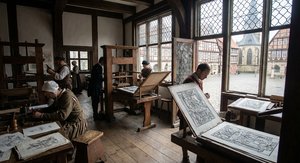
The Northern Awakening: Artistic Innovation & Cultural Transformation in the German Renaissance
Explore the artistic innovation of the German Renaissance! Discover Dürer, the Danube School & Reformation art. Learn about techniques, materials & lasting influence. Find museum-quality reproductions at OriginalUniqueArt.
Põhja Renessansi 10 Meisterteost: Kunsti ja Sisustamise Klassikat
Avasta Põhja Renessansi 10 ikoonilist meistriteost! Van Eyck, Dürer ja Holbein – nende teoste lugu, kunstnikud ja värvid. Leia inspiratsiooni sisustamiseks ning kaunista oma kodu renessanssi klassikaga. Uuri täielik kollektsioon OriginalUniqueArt.com-is!
Varase renessansi 10 meistriteost: Kunsti ja disaini ajatu inspiratsioon
Sukeldu varase renessansi maailma! Avasta 10 meistriteost – Leonardo, Michelangelo jt – mis muutis kunsti ajatuiks. Giotti värvid ja Botticelli ilu ootavad sind. Leia inspiratsiooni interjööriks OriginalUniqueArt.com-ist!
Renessansi meistriteosed: 10 kunstiteost, mis muutisid maailma
Sukeldu renessansi kuldaegadesse! Avasta 10 kuulsat meistriteost – Leonardo, Michelangelo jt. – ja nende ajatu kunst. Leia inspiratsiooni interjööriks ning kaunista oma kodu OriginalUniqueArt.com kvaliteetsete reproduktsioonidega. Uuri täielik kollektsioon veebis!
Renaissance Masters: 10 Artworks That Defined a Golden Age | OriginalUniqueArt
Journey through the High Renaissance with 10 iconic masterpieces by Leonardo da Vinci, Michelangelo & Raphael. Explore art history, techniques & timeless beauty. Find museum-quality reproductions for your home at OriginalUniqueArt.com.