

 Vaata sisu
 Jaga teost
 Jaga
Jaga
 Detailid
 Juhend

 Laadi alla
 Sarnased teosed
 Röntgenuuring
 Slaidietendus
 Statistika
The Walking Tour


 Loe lähemalt
Käsitsi valmistatud õlimaalireproduktsioon
Meie kunstnike poolt tellimusel valmistatud käsitsi maalitud õli-kainaste teos teie soovitud suuruses ja raamis. ( Lülita trükkitoodetele Ülemineku digitaalse pildi müügi kanalisse)




P118B $10

P118H $10

P118W $10

P438Z $10

P508JH $12

P508YH $12

P805H $10

P805Z $10

P919BZ $10

P919G $10

P919XJ $10

P959ZH $10

P968JZ $12

W106C $8

W218G $10

W218JH $8

W218Y $10

W307PJ $10

W316G $10

W316PJ $8

W316Y $10

W398PJ $8

W4111J $10

W500HY $15

W500JH $15

W692G $12

W849H $8

W940BG $15

W953PJ $8




Vali meie eelmääratud suurused, mis vastavad teose algupärastele proportsioonidele.

Sa võite sisestada oma mõõtmed konkreetse raami või ruumi sobivuse tagamiseks. Kui teie valitud suurus ei vasta originaalpildi proportsioonidele, siis kärvime kunstiteost või laiendame maali täiendavate käsitsi maalitud elementidega. Enne tootmise algust saadetakse teile heakskiitmiseks digitaalne eelvaade.
Palun pidage meeles, et ekraanil kuvatav eelvaade ei kajasta tegelikku kärpimist või laiendamist. Ainult eelvaade näitab täpselt lõplikku kompositsiooni.
Kuigi on saadaval kohandatud suurused, soovitame originaalproportsioonide säilimiseks valida mõõdud eelmääratletud nimekirjast.
Pärast tellimust saadab OriginalUniqueArt.com meeskond kliendile e-posti juhised ning esitab eelvaate kavandi
Maailmline tarne 3–4 nädala jooksul tavalise 5 nädala asemel. (21 september). Kvaliteedis kompromisse ei tehta.

Tasuta ekspresssaatmine üle maailma

Kõrgekvaliteediline lina-kangastest muld

Täielik transpordikindlustus

Tollimaksude tagastamise garantii

Värvitoime täpsuse garantii

100 päeva tagastusõigus (ainult defektide korral)

100% raha tagasi garantii

Hulgusoodustus
 Klaasivalik on saadaval ainult kuni 110 cm suuruses teostes

The Walking Tour
Reproduktsiooni materjal
Reproduktsiooni mõõtmed
-


Lõppsumma
$ 300
The Walking Tour – A Luminist Embrace of American Landscape
John Frederick Kensett’s “The Walking Tour,” painted in 1847, isn't merely a depiction of a picturesque landscape; it’s an invitation to contemplate the sublime beauty of nature and the quiet joy of exploration. This masterful work, now housed within the Metropolitan Museum of Art, exemplifies the Luminist movement – a distinctly American style that emerged in the mid-19th century, characterized by its emphasis on light, atmosphere, and serene observation. Kensett, a key figure in this artistic circle, eschewed dramatic narratives or heroic subjects, instead focusing on capturing the subtle nuances of the natural world with an almost meditative intensity.
The scene unfolds along a gently sloping path that winds through a vibrant, verdant valley. A meandering river, reflecting the soft hues of the sky, snakes its way through the foreground, drawing the viewer’s eye into the heart of the composition. Scattered amongst the trees and foliage are figures – likely members of a walking party – rendered with remarkable delicacy and suggesting an intimate connection to their surroundings. These aren't grand portraits; rather, they serve as anchors for our own imaginative journey, inviting us to share in the experience of quiet contemplation.
Kensett’s technique is remarkably understated yet profoundly effective. He employs a delicate layering of brushstrokes, creating an almost luminous effect – hence the term “Luminist.” The colors are muted and harmonious, dominated by shades of green, blue, and brown, all rendered with remarkable subtlety. Light plays a crucial role; it filters through the trees, dappling the landscape in shifting patterns, and bathing the scene in a soft, ethereal glow. This masterful manipulation of light isn’t about dramatic illumination but rather about capturing the subtle shifts in atmosphere that define a tranquil afternoon.
A Reflection of Transcendentalist Ideals
“The Walking Tour” is deeply rooted in the philosophical currents of its time – specifically, the Transcendentalist movement. Figures like Ralph Waldo Emerson and Henry David Thoreau were advocating for a closer connection with nature as a means of spiritual enlightenment. Kensett’s painting embodies this philosophy by presenting nature not as something to be conquered or exploited but as a source of profound beauty and inner peace. The figures in the scene aren't actively engaged in any particular activity; they are simply *present* within the landscape, absorbing its serenity and finding solace in its quiet grandeur.
The choice of subject matter – a leisurely walk through nature – is itself significant. It speaks to a growing appreciation for the outdoors during an era increasingly dominated by industrialization and urban life. The painting offers a respite from the hustle and bustle, inviting viewers to slow down, breathe deeply, and reconnect with the natural world.
Symbolism of Path and Perspective
The winding path that dominates the composition is more than just a physical element; it represents a journey – both literal and metaphorical. It symbolizes the exploration of nature, but also the exploration of one’s own inner landscape. The perspective subtly draws the viewer into the scene, creating a sense of immersion and inviting us to step into the painting ourselves.
The placement of the figures along the path suggests a shared experience – a collective appreciation for beauty and tranquility. They are not isolated individuals but rather participants in a larger narrative of connection with nature. The river, flowing towards the horizon, can be interpreted as a symbol of time and continuity, suggesting that this moment of serenity is part of an ongoing cycle.
Capturing American Identity
“The Walking Tour” is often considered a quintessential example of American landscape painting because it captures a uniquely American sensibility. Unlike European artists who frequently depicted grand historical scenes or mythological narratives, Kensett focused on the beauty and character of his native land. He sought to portray an idealized vision of America – one that was both beautiful and accessible, reflecting the nation’s burgeoning sense of identity.
Today, this painting continues to resonate with viewers who appreciate its quiet beauty, its subtle symbolism, and its profound connection to nature. It serves as a reminder of the importance of slowing down, appreciating the simple pleasures of life, and seeking solace in the natural world – values that remain remarkably relevant in our increasingly complex and fast-paced society.
Kunstniku elulugu
Varajane Elu Ja Koolitus
John Frederick Kensett, silmapaistev ameerika kunstnik ja graafik, sündis 22. märtsil 1816 Cheshire’is Connecticutis. Tema varajased eluaastad olid tihedalt seotud perekonna ettevõtlusega – isa Thomas Kensett oli tuntud graveerija ning John sai esmased õpetussõnad just temalt. Ta omandas põhjalikud oskused graafika alal, töötades New Havenis kuni 1838. aastani. Seejärel otsustas ta kolida New Yorki, et jätkata tööd pangatähtede graveerijana. Kuid juba sel ajal tundis noor Kensett tugevat tõmmet maalikunsti poole ning 1840. aastal suundus ta Euroopasse täiendõppeteekonnale, kus ta lihvis oma andeid Benjamin Champneyga koos. See reis oli tema kunstilises arengus pöördeliseks hetkeks, avades uued horisondid ja võimaldades tal õppida otse Euroopa suurmeisterite loomingust.Stiili Loomine Ja Hudson River Koolkonna Pärand
Pärast New Yorki stuudio loomist hakkas Kensett aktiivselt reisima Põhja-Ida osariikides ja Colorado Rocky Mountainsis, otsides inspiratsiooni looduse iludest. Tema stiil läbis olulise evolutsiooni – algselt traditsioonilisest Hudson River Koolkonna maalikunstist arenes välja peenema luminismi suuna poole. Luminism iseloomustab unikaalne valgustunde edastamine, atmosfäärilise õhu nüansid ja tagasihoidlikud värvitoonid. Kensetti tööd eristuvad oma rahuliku ja valgusküllase atmosfääri poolest, mis rõhutavad looduse transtsendentaalseid aspekte. Üks tema ikoonilisemaid teoseid, “Mount Washington from the Valley of Conway” (1851), ostis American Art Union ning seda levitati 13 000 tellija seas, tõstes Kensetti tuntust ja populaarsust. Teos demonstreerib suurepäraselt tema oskust tabada looduse grandioossus ja rahu.Hilised Teosed Ja Pärand
Kensetti hilisemad teosed, nagu “Eaton’s Neck, Long Island” (1872), on eriti silmapaistvad luminismi esindajatena. See maal, mis kuulub Metropolitan Museum of Arti kollektsiooni New Yorgis, näitab tema täiuslikku valgustunde ja atmosfääri loomise oskust. Ta suutis edastada looduse vaikset ilu ja rahu, kasutades peent värvipaletti ja unikaalset pintslitehnikat. Kensett oli ka Metropolitan Museum of Arti asutajaliige ning täielik liige National Academy of Designis. Tema töö pälvis elajal suure tunnustuse ning jätkab tänapäevalgi maalikunsti mõjutamist. Ta on tuntud oma panuse eest ameerika maastikumaalikunstisse ja luminismi arendamisesse.Olulised Teosed Ja Assotsieerunud Kunstnikud
Põhjalikud teosed:- “Sunset Sky” (ca. 1870), Metropolitan Museum of Art, New York
- “Three Mile Harbor” (ca. 1860), Museum of Fine Arts, Tallahassee
- Thomas Cole, Hudson River Koolkonna rajaja, kelle loomingut Kensett austas ja millest ta inspiratsiooni ammutas.
- Benjamin Champney, kes oli Kensetti lähedane kolleeg ja kaaslane Euroopa reisidel.

John Frederick Kensett
1816 - 1872 , Ameerika Ühendriigid
Lühikest infot
- Artistic Movement Or Style: Hudson Riveri kool & Luminism
- Artists Or Movements Influenced By This Artist: ['Luminism']
- Artists Who Influenced This Artist:
- Thomas Cole
- Benjamin Champney
- Date Of Birth: 22. märts 1816
- Date Of Death: 14. detsember 1872
- Full Name: John Frederick Kensett
- Nationality: Ameeriklaste rahvus
- Notable Artworks:
- Mount Washington from the Valley of Conway
- Eaton's Neck, Long Island
- Place Of Birth: Cheshire, USA
Sarnased artiklid

John Frederick Kensett: Luminosity, Landscape & the American Identity
Explore the luminous landscapes of John Frederick Kensett, a master of Luminism and key figure in the Hudson River School. Discover his serene paintings & enduring legacy with OriginalUniqueArt.
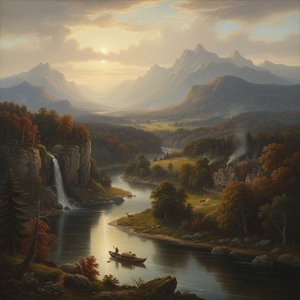
Capturing the American Spirit: A Journey Through Iconic Landscapes and the Legacy of the Hudson River School
Explore the profound beauty of American art history. From the Hudson River School to iconic landscapes, discover a curated journey through the masterpieces that defined a nation's spirit and the enduring legacy of American Romanticism.
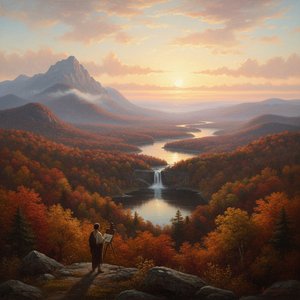
The Sublime Landscape: Exploring the Hudson River School Movement
Explore the captivating world of the Hudson River School! Discover the history, artists, and defining characteristics of this iconic American art movement. Learn about Romanticism's influence & find inspiration for your collection.
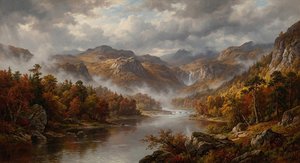
Hudsoni jõe koolkonna 10 meistriteost: Kunst ja kodu
Avasta Hudsoni jõe koolkonna 10 vapustavat meistriteost! Bierstadt, Church jt legendid loonud romantilised loodusmaalingud. Kunstnikest lood ja värvid inspireerivad interjööri. Leia oma uus seinakaunastus OriginalUniqueArt.com-ist!
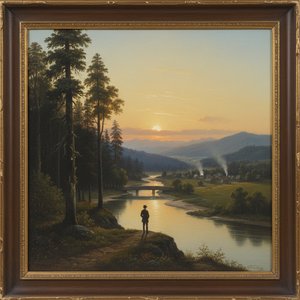
Robert Spencer: Luminism, Narrative & the American Landscape Tradition
Explore the captivating world of Luminism & the Hudson River School with our expert analysis. Discover the history, artists, and enduring beauty of 19th-century American landscape painting. Find museum-quality reproductions at OriginalUniqueArt.


