Text size

() ·

A painting made for you, by hand

The Last Judgment

Käsitsi valmistatud õlimaalireproduktsioon

Meie kunstnike poolt tellimusel valmistatud käsitsi maalitud õli-kainaste teos teie soovitud suuruses ja raamis. ( Lülita trükkitoodetele Lülita digitaalse pildi juurde)

Kogumisobjekti kirjeldus

Kunstniku elulugu

Jacopo Tintoretto (1518-1594) – Veneetsia renessansikunstnik, tuntud dramaatiliste kompositsioonide ja valguse innovaatse kasutamise poolest. Vaata tema teoseid nagu 'Viimane õhtusöök' ning avasta kunstniku pärand!

from ·

Chapter 1

How large should it be?

Slide to change the size; the picture on the left shows the frame at its real width. The proportions of the original are kept.

Standardne suurus
kohandatud
CM
INCH

Vali meie eelmääratud suurused, mis vastavad teose algupärastele proportsioonidele.

laius
kõrgus

Sisestage vajalik laius ja kõrgus, et teos sobiks teie raamile või seinale. Kuna tegu on käsipainatud teosega, siis erineva kujuga suuruse korral võib kunstnik jätta pildi ümber veidi rohkem marginaali või lõigata osa ära — valik on teie. Enne maali alustamist saadame teile kinnitamiseks digitaalse näidisprojektsiooni. Sellel lehel näidatud pilt ei kajasta tegelikku tulemust — seda näitab ainult näidisprojektsioon.

Chapter 2

How should it arrive?

Choose the edges of the stretched canvas

Choose your frame

Corner sample of the WhiteWrap canvas edge finish, stretched on massivpuit bars
White €1
Corner sample of the BlurSideWrap canvas edge finish, stretched on massivpuit bars
Blurside €1
Corner sample of the ExtendedWrap canvas edge finish, stretched on massivpuit bars
Extended €1
Corner sample of the P118B picture frame: vormitud polüstüreen, 5 cm wide and 3 cm thick
P118B €10
Corner sample of the P118H picture frame: vormitud polüstüreen, 5 cm wide and 3 cm thick
P118H €10
Corner sample of the P118W picture frame: vormitud polüstüreen, 5 cm wide and 3 cm thick
P118W €10
Corner sample of the P438Z picture frame: vormitud polüstüreen, 5.5 cm wide and 3.5 cm thick
P438Z €10
Corner sample of the P508JH picture frame: vormitud polüstüreen, 7 cm wide and 3.5 cm thick
P508JH €12
Corner sample of the P508YH picture frame: vormitud polüstüreen, 7 cm wide and 3.5 cm thick
P508YH €12
Corner sample of the P805H picture frame: vormitud polüstüreen, 5 cm wide and 3.5 cm thick
P805H €10
Corner sample of the P805Z picture frame: vormitud polüstüreen, 5 cm wide and 3.5 cm thick
P805Z €10
Corner sample of the P919BZ picture frame: vormitud polüstüreen, 7 cm wide and 3.5 cm thick
P919BZ €10
Corner sample of the P919G picture frame: vormitud polüstüreen, 7 cm wide and 3.5 cm thick
P919G €10
Corner sample of the P919XJ picture frame: vormitud polüstüreen, 7 cm wide and 3.5 cm thick
P919XJ €10
Corner sample of the P959ZH picture frame: vormitud polüstüreen, 5 cm wide and 3 cm thick
P959ZH €10
Corner sample of the P968JZ picture frame: vormitud polüstüreen, 6 cm wide and 4 cm thick
P968JZ €12
Corner sample of the W106C picture frame: massivpuit, 5 cm wide and 3 cm thick
W106C €8
Corner sample of the W218G picture frame: massivpuit, 5 cm wide and 3 cm thick
W218G €10
Corner sample of the W218JH picture frame: massivpuit, 5 cm wide and 3 cm thick
W218JH €8
Corner sample of the W218Y picture frame: massivpuit, 5 cm wide and 3 cm thick
W218Y €10
Corner sample of the W307PJ picture frame: massivpuit, 6 cm wide and 3 cm thick
W307PJ €10
Corner sample of the W316G picture frame: massivpuit, 6 cm wide and 3 cm thick
W316G €10
Corner sample of the W316PJ picture frame: massivpuit, 6 cm wide and 3 cm thick
W316PJ €8
Corner sample of the W316Y picture frame: massivpuit, 6 cm wide and 3 cm thick
W316Y €10
Corner sample of the W398PJ picture frame: massivpuit, 5 cm wide and 3 cm thick
W398PJ €8
Corner sample of the W4111J picture frame: massivpuit, 6.5 cm wide and 3.5 cm thick
W4111J €10
Corner sample of the W500HY picture frame: massivpuit, 7 cm wide and 5 cm thick
W500HY €15
Corner sample of the W500JH picture frame: massivpuit, 7 cm wide and 5 cm thick
W500JH €15
Corner sample of the W692G picture frame: massivpuit, 8 cm wide and 4 cm thick
W692G €12
Corner sample of the W849H picture frame: massivpuit, 5 cm wide and 3 cm thick
W849H €8
Corner sample of the W940BG picture frame: massivpuit, 7.5 cm wide and 4.5 cm thick
W940BG €15
Corner sample of the W953PJ picture frame: massivpuit, 6 cm wide and 3.5 cm thick
W953PJ €8
Corner sample of the H24-GOLD picture frame: kareeritud puit ja gesso, 10 cm wide and 6 cm thick
H24-GOLD €30
Corner sample of the H24-SILVER picture frame: kareeritud puit ja gesso, 10 cm wide and 6 cm thick
H24-SILVER €30
Corner sample of the H36-GOLD picture frame: kareeritud puit ja gesso, 15 cm wide and 6.5 cm thick
H36-GOLD €45
Corner sample of the H36-SILVER picture frame: kareeritud puit ja gesso, 15 cm wide and 6.5 cm thick
H36-SILVER €45
Raami eelvaade
Raamitud

Moulding: . Overall size with the frame: .

Chapter 3

Who paints it, and should anything change?

Examples of what can be changed: Replace face with customer photo; Add pet (e.g., replace cat with dog); Include hidden message in background; Change background landscape or elements.
After order, OriginalUniqueArt.com team will email client for instructions and provide a mockup preview

Maailmline tarne 3–4 nädala jooksul tavalise 5 nädala asemel. (2 november). Kvaliteedis kompromisse ei tehta.

Chapter 4

The finishing touches

A nameplate, as in a museum?

Graveeritud pronksplaadi üksikasjad

This elegant plaque features the artist's name and the title of the artwork, finely engraved for a timeless presentation.

It is made from bronze with a refined, elegant finish. The text is precisely laser-engraved for a sharp and permanent result. Measuring 9x2 cm, the plaque is compact yet easy to read. It's built to be durable and scratch-resistant, offering a professional, museum-quality look. Mounting is simple thanks to the included adhesive backing.

Läbipaistva akrüülplaadi üksikasjad

The plaque includes essential engraved details such as the artist's name, the title of the artwork, the date it was created, the type of media used-like oil on canvas or watercolor-a brief description of the piece, and a QR code that links to the complete artwork information.

It is crafted from clear acrylic, offering a sleek, modern appearance. The text is UV-engraved in black to ensure strong visual contrast. With a size of 10x15 cm, it ensures optimal readability. It comes equipped with two metal hooks for secure wall mounting. The plaque is designed to be weather-resistant, making it suitable for various environments, and it includes interactive features that work seamlessly with smartphone scanning.

Musta akrüülplaadiรายละเอียด (Note: The user provided "Musta akrüülplaadi detailid" as the current translation and asked for an improved version. Since "Musta akrüülplaadi

This elegant plaque includes engraved information such as the artist's name, the title of the artwork, the date it was created, the type of media used (like oil on canvas or watercolor), a short description of the artwork, and a QR code for quick access to more information.

The plaque itself is made from refined black acrylic with a premium finish. The text is laser-engraved in white for high contrast and readability. Its size is 10x15 cm, designed to be easy to read. It comes with two metal hooks for professional mounting. The design is sleek and fits any interior style. It is also weather-resistant and durable, with built-in digital integration for mobile compatibility.

A protective varnish?

When do you need it?

Chapter 5

Your painting, as you ordered it

The Last Judgment

Reproduktsiooni tehnika

Reproduktsiooni suurus

-

Eelistatud tippkunstnik

Rohkem detaile, peenust ja lisatootmisaega

-

Reproduktsiooni raamivalikud

-

-

Kunstiteoste või reproduktsioonide puhul, mille üks külg on üle 105 cm (umbikmolt 41 tolli), saadetakse raam kirjal asendis, la Dismantlitud komplektina. See meetod tagab ohutuse kohaletoimetamisel ja väldib transpordil tekkivaid kahjustusi.

Vajalik professionaalne kokkupanek – see ei ole isetegevusega valmistamiseks mõeldud toode.
Komplekt tuleb kokku panna ja lõvet pingutada kogemusega professionaalse raamija, kasutades puiduliim (ei kuulu komplekti), lõvetpingi ja klempe, et hoida raami kande mustad õigena liimi kuivamisaja jooksul. Vale kokkupanek või ebaühtlane lõvetping võib kunstiteost püsivalt kahjustada ning seda ei katta meie garantii.

  • Kaasatud on kõik tahked puidust liistud, täpselt lõigatud vastavaks suuruseks.

  • Kokku panemiseks kasutatakse lisatud kruvisid ning nurkade liimamiseks vajalikku puuliima, mida ei ole komplektis ja mida peab raamivalmistaja ise hankima.

  • Vajalik on kasutada professionaalseid tööriistu, mis ei kuulu komplekti: lõvetelapide pingist (pingutaja) ja klambreid, et hoida raami puidu nurgas õigena liimi kuivamisaja jooksul.

Oluline:
Nurgaliimamiseks on vaja puiduliim, liimimine peab toimuma klempide all kuni liim on täielikult kuivanud ning kokku monteeritud raami kanga pingutamiseks on vajalik kanga pingutustang. Kumbki neist ei kuulu komplekti. Palun veenduge enne selle suuruse tellimist, et teil on saadaval kogenud professionaalne raamistaja.

Nimesildikiri

-

-

Kaitsevärnitsus

Läikiv lakk (muudab värvid elavamaks ning kaitseb valgust ja niiskust eest)

-

Kohanda oma teost

Näiteid muudatuste kohta: Asenda nägu kliendi fotoga; Lisa lemmikloom (nt asenda kass koeraga); Lisa taustale peidetud sõnum; Muuda tausta maastikku või elemente.

-

Kiire tarne

Ülemaailmne tarne riiki 3–4 nädalaga tavalise 5 nädala asemel. (2 november). Kvaliteedis kompromisse ei tehta.

-

Kiirsaatmine

Ülemaailmne tarne () 5 nädala jooksul. (9 november).

Sisse kuuluv

Koguhind

€ 267

Kogu summa € 267

Klaasivalik on saadaval ainult kuni 110 cm suuruses teostes

Included with every order

  • Tasuta ekspresssaatmine üle maailma
  • Kõrgekvaliteediline lina-kangas
  • Täielik transpordikindlustus
  • Tollimaksude tagastamise garantii
  • Värvitoime täpsuse garantii
  • 100 päeva tagastusõigus (ainult valmistusdefektide korral)
  • 100% raha tagasi garantii
  • Hulgusoodustus

A Descent into Eternity: Exploring Tintoretto’s “The Last Judgment”

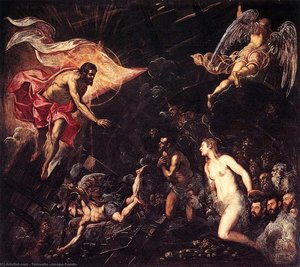
Jacopo Tintoretto's "The Last Judgment," completed in 1560, is not merely a painting; it’s an immersive experience. Born Jacopo Robusti in Venice around 1518 and known as Tintoretto – ‘little dyer’ reflecting his family’s trade – he forged a path of unparalleled dramatic intensity within the Venetian Renaissance. This monumental mural, measuring an imposing 1450 x 590 cm, transcends its physical dimensions to become a visceral representation of humanity's confrontation with mortality and divine judgment. It’s a work that continues to resonate centuries later, demanding attention and provoking profound contemplation.

Tintoretto’s style was revolutionary for his time, a dramatic departure from the more restrained elegance favored by many of his contemporaries. He eschewed the polished surfaces and delicate color palettes of the Venetian School, instead embracing a dynamic, almost chaotic composition filled with swirling figures, intense light, and deep shadows. This approach, fueled by an obsessive study of anatomy and a fascination with theatrical spectacle – evident in his stage design commissions – created a sense of overwhelming movement and emotional turbulence. The painting’s scale alone contributes to this effect; the viewer is drawn into a vortex of action, swept along by the torrent of souls being judged.

The Anatomy of Judgment: Composition and Technique

The scene unfolds within a vast, receding space, dominated by a towering stone wall that serves as both backdrop and symbolic barrier. Figures are arranged in a complex pyramid structure, converging towards Christ at the center, who holds aloft his cross – a potent symbol of sacrifice and redemption. The composition is deliberately unbalanced, reflecting the chaotic nature of judgment itself. To the left of Christ, angels, rendered with powerful musculature and expressive gestures, actively guide the souls of the righteous to salvation. Conversely, on the right, demons drag the damned into an inferno of flames, their faces contorted in agony.

Tintoretto’s masterful use of *chiaroscuro* – the dramatic contrast between light and dark – is central to the painting's impact. He employs a technique known as ‘tenebrism,’ where deep shadows engulf much of the scene, highlighting key figures and creating an atmosphere of suspense and dread. Light streams from unseen sources, illuminating faces in moments of terror or ecstasy, emphasizing the emotional weight of each individual’s fate. The artist utilized oil paint on a large scale, allowing for rich color saturation and layering of detail – a hallmark of his technique that would become increasingly pronounced throughout his career.

Symbolism and Spiritual Weight

“The Last Judgment” is laden with religious symbolism, drawing heavily from biblical narratives. The central figure of Christ embodies divine authority and mercy, while the angels represent grace and guidance. The deceased are depicted in various states of suffering – some pleading for forgiveness, others resigned to their fate. Note the meticulous detail lavished upon the folds of clothing, the expressions on faces, and the textures of skin and flesh; these elements contribute to a profound sense of realism that amplifies the painting’s emotional impact. The inclusion of figures recognizable as contemporary Venetian citizens adds another layer of meaning, suggesting that judgment extends to all humanity.

A Timeless Masterpiece: Reproduction and Beyond

OriginalUniqueArt offers meticulously crafted hand-painted reproductions of Tintoretto's “The Last Judgment,” capturing the artist’s dramatic intensity and masterful technique with unparalleled fidelity. These reproductions are not mere copies; they are artistic interpretations, created by skilled artisans who understand the nuances of Tintoretto’s style. Whether adorning a grand salon or a contemplative study, this monumental work continues to inspire awe and provoke reflection on themes of mortality, faith, and redemption. Investing in a OriginalUniqueArt reproduction allows you to bring this iconic masterpiece into your space, experiencing its power and beauty firsthand.

Korduvad küsimused

Kuidas teose "The Last Judgment" motiiv seobub Tintoretto tavalistega teemadega?

"The Last Judgment" kujutab teemasid last judgment, divine justice, hellscape, angels, humanity, drama, tintoretto, renaissance, samal ajal kui Tintoretto tuntud teemad on titian’s dramatic lighting, venetian style, religious judgment, salvation, damnation, venetian civic patronage, power dynamics, tintoretto's dynamic composition. Nende kahe võrdlemine näitab, kuidas teos seobub kunstniku tavalistega motiividega.

Kas Madonna dell'Orto kogumuses olevat teost „The Last Judgment“, autor Tintoretto on lubatud seaduslikult reproduktsiooniga?

Originaalteos "The Last Judgment" asub Madonna dell'Orto kogumuses ning teos on avalikus õiguses – selle autoriõigud onหมดunud.

Mis on teose „The Last Judgment“, autor Tintoretto domineeriv värv?

Black (#1c1113) on teose „The Last Judgment“, autor Tintoretto domineeriv värv.

More about this painting

Eelvaade AR-eelvaade Lülita trükkitoodetele Lülita digitaalse pildi juurde Saada
Teave teose kohta Juhend Lisa lemmikutesse Laadi alla Sarnased teosed Röntgenuuring Slaidietendus Q&A Statistika

In numbers

  • 1560the year it was painted
  • 29frames to choose from
  • standard sizes, in its own proportions
  • 5weeks to paint and deliver it
Tintoretto

Tintoretto

1518 - 1594, Itaalia

Quick facts about Tintoretto

  • Artistic Movement Or Style: Renessanss, Manerism
  • Artists Or Movements Influenced By This Artist:
    • Caravaggio
    • Barokk meistrid
  • Artists Who Influenced This Artist:
    • Titian
    • Michelangelo
  • Date Of Birth: 12. september 1518
  • Date Of Death: 31. mai 1594
  • Full Name: Jacopo Tintoretto
  • Nationality: Itaalia
  • Notable Artworks:
    • Mirakkel Püha Markusega
    • Viimane õhtusöök
    • Neitsi Maarja taevasse tõusmine
  • Place Of Birth: Veneetsia, Itaalia

Kunstniku elulugu

Jacopo Tintoretto: Veneetsia Draama ja Valgusmeister

Jacopo Tintoretto, sündinud Jacopo Robusti umbes 1518. aastal Veneetsias, seisab kindlalt Itaalia renessansi hilisaja ja vararenessanssi üks tähelepanuväärsemaid ja salaperasemaid tegelasi. Tema hüüdnimi „Tintoretto“ – väike värviline (värval on itaalia keeles tintore) – viitab pereettevõttele, kuid see ei suuda peegeldada seda tohutut kunsti, mis eristab teda kõigist teistest. Eranditult paljud kunstnikud said kasu struktureeritud õpipisikutest, Tintoretto tee oli suuresti eneseõppimise rajajooned, mis sai alguse napist uudishimust ja pidevast innovatsiooni soovist. Kuigi jutud viitavad lühikesele ja ebaõnnestunud staaži perioodile Tiziani juures, tuntud Veneetsia värvilise kunsti meistri juures, näis kogemus olevat pigem konfliktne kui kujundav. Tiziani väidetavalt noore Jacopo tagasilükkamine – olgu siis kadedusest või kunstilisest eriarvamusest – ajas Tintoretto iseseisvale teele, mida iseloomustas julge katsetamine ja ainulaadne dünaamiline stiil. Ta süvenes anatoomia õpingutesse, väidetavalt läbi sektsioonide, ning lihvis oma oskusi hoolikalt koopiades klassikalisi skulptuure ja teiste meistrite töid. See pühendumus pani aluse karjäärile, mis ümbermääratles Veneetsia maalimaailma.

Stiili Loomine: *Il Furioso*

Tintoretto kunstiline areng oli märgitud peaaegu palavikulisest energiast, millega ta sai veel ühe väljendava hüüdnime: *Il Furioso* – „Raevukas“. See tiitel ei kirjeldanud pelgupaigutustööd vaid püüdis ka jäädvustada intensiivsust ja emotsionaalset laengut, mis läbistab tema lõuandeid. Tema varasemad tööd viitasid juba traditsiooniliste Veneetsia konventsioonidest kõrvalekaldumisele. Tunnustades Tiziani mõju värvides, kaldus Tintoretto Michelangelo võimsate kujude ja dramaatiliste kompositsioonide poole. Ta sünteesis need mõjud midagi täiesti uut: stiili, mida iseloomustasid pikendatud vormid, keerlevad draperiid ja innovatiivne perspektiivi kasutamine, mis lõi sageli võimatu sügavuse ja liikumise tunde. Ta hülgas oma kaasaegsete eelistatud täpse viimistluse, valides selle asemel kiire, peaaegu skeeetši sarnase pintslilöögi, mis edastas vahetut ja tooreid emotsioone. See tehnika, koos tema meisterliku valguse ja varju – *kiaroscuro* – kasutamisega, võimaldas tal luua võrratuid dramaatilisi ja psühholoogilise intensiivsusega stseene. Ta ei kujutanud lihtsalt sündmusi; ta edastas nende emotsionaalse sisemuse.

Monumentaalsed Saavutused: San Rocco ja Peale

Tintoretto tohutu toodang hõlmas aastakümneid, katta religioossed narratiivid, ajaloolised alegoriaadid ja portreed. Kuid tema olulisim saavutus on maalide tsükkel, mille ta lõi Scuola Grande di San Roco jaoks, Veneetsia vennaskond, mis pühendus Saint Rochile. Üle viiekümne aasta jooksul kaunistas Tintoretto Scuola saalidega üle kuuekümne lõuendi, muutes selle vapustavaks visuaalseks tunnistuseks usu ja inimkogemuse kohta. Tööd nagu „Viimane õhtusöök“, mis valmis tema elu lõpus, näitavad tema pidevat katsetamist perspektiiviga ja kompositsiooniga. Lahkudes traditsioonilistest kujutustest, paigutas Tintoretto stseeni dramaatiliselt valgustatud, arhitektuurselt ebastabiilsesse ruumi, rõhutades oma jüngrite viimase õhtusöömaaja emotsionaalset rahutust. Teised märkimisväärsed tööd hõlmavad „Püha Markuse imet, mis vabastas orja“, dünaamilise kompositsiooni ja perspektiivi võrratu näide, ning mitmesugune Veneetsia kirikute ja paleede jaoks maalitud teosed, mis demonstreerivad tema mõõdupuu ja narratiivse jutustamise meistrikust. Need monumentaalsed projektid kinnitasid Tintoretto mainet ühena Veneetsia olulisematest kunstnikest.

Pärand ja Histooline Tähendus

Jacopo Tintoretto suri 1594. aastal Veneetsias, jättes maha tohutu ja mõjuka teosekorpuse. Ta sillutas vahet renessansi hilisaja ja barokiajastu vahel, eelnev nii viimase perioodi stilistilisi innovatsioone. Tema dramaatilised kompositsioonid, väljendav pintslilöögi ja valguse ja varju innovatiivne kasutamine mõjutasid sügavalt kunstnikke nagu Caravaggio, Rembrandt ja Delacroix. Ta polnud lihtsalt maalija; ta oli visuaalne jutustaja, kes teadis, kuidas kasutada kunsti võimu emotsioonide esilekutsumiseks ja imetlust inspireerimiseks. Ühena kolmest Veneetsia suurtest maalijatest 16. sajandi jooksul – koos Tiziani ja Paolo Veronesega – mängis Tintoretto olulist rolli Veneetsia kunstilise maastiku kujundamisel selle kuldajasal. Tema töö peegeldab nii tema aja religioosseid vaimustusi kui ka poliitilisi pingeid, aga ka ainulaadset isiklikku visiooni, mis kõnetleb tänapäevani publikuga, kinnistades tema koha ajaloos üheks olulisemaks ja võrgastavaks kunstnikuks. Tema pärand on tõestus kunstilise innovatsiooni püsimajäävast jõust ja inimloovuse muutvatest võimalustest.

Teave teose kohta

  • Title: The Last Judgment
  • Year: 1560
  • Artistic style: Dynamic, theatrical
  • Subject or theme: Last Judgment
  • Artist: Jacopo Tintoretto

Kunstiteaduse kvartett

Iga küsimuse kohta on ainult üks õige vastus.

Küsimus 1:
What is the primary subject depicted in Jacopo Tintoretto’s ‘The Last Judgment’?
Küsimus 2:
According to the text, what was a significant factor in Tintoretto’s artistic development?
Küsimus 3:
The mural’s setting includes a stone wall. What effect does this contribute to the overall composition?
Küsimus 4:
Tintoretto is often described as a master of ‘drama and light.’ What does this stylistic approach typically entail?
Küsimus 5:
In what year was ‘The Last Judgment’ painted?