Lülita trükkitoodetele
 Loe lähemalt







































 Kunstiteoste või reproduktsioonide puhul, mille üks külg on üle 105 cm (umbikmolt 41 tolli), saadetakse raam kirjal asendis, la Dismantlitud komplektina. See meetod tagab ohutuse kohaletoimetamisel ja väldib transpordil tekkivaid kahjustusi.


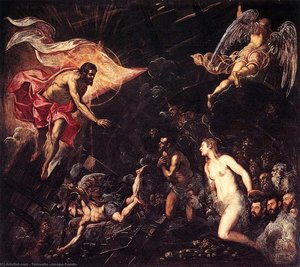
Tintoretto’s ‘Crucifixion’: A Venetian Masterpiece of Emotion and Light
Jacopo Tintoretto’s “Crucifixion,” painted in 1565, is more than just a depiction of a pivotal religious event; it's a visceral experience. Created for the Scuola Grande di San Rocco in Venice, this monumental work embodies the height of Venetian Renaissance artistry – a potent blend of realism, dramatic emotion, and masterful technique that continues to captivate viewers centuries later. The sheer scale of the painting (536 x 1224 cm) immediately commands attention, drawing you into a chaotic yet profoundly moving scene of suffering and sacrifice. Tintoretto’s genius lies in his ability to transform a well-known biblical narrative into something intensely personal and emotionally charged.The Power of Chiaroscuro
Tintoretto was a master of *chiaroscuro*, the dramatic use of light and shadow, and it's perhaps the most striking element of this “Crucifixion.” The artist doesn’t simply portray Christ on the cross; he illuminates him with an almost divine radiance, contrasting sharply with the deep shadows that engulf the surrounding figures. This technique isn’t merely aesthetic; it serves to heighten the emotional impact, emphasizing Christ's vulnerability and suffering while simultaneously suggesting his ultimate triumph over death. The dynamic brushwork – earning Tintoretto the nickname “Il Furioso” (The Furious) – adds to this sense of energy and movement, as if the scene itself is unfolding before your eyes. Notice how the light seems to emanate from Christ himself, drawing your gaze upwards towards the heavens.A Crowd of Human Responses
What truly elevates this painting beyond a simple religious icon is Tintoretto’s remarkable portrayal of human emotion. The canvas is teeming with figures – soldiers, mourners, onlookers, women weeping – each reacting in their own way to the horrific spectacle. Some are consumed by grief, others by disbelief, while still others offer prayers or gestures of reverence. Tintoretto doesn't shy away from depicting the full spectrum of human response, creating a scene that feels remarkably authentic and relatable. The artist’s attention to detail – the folds of the drapery, the expressions on the faces, the postures of the figures – is astonishingly realistic for its time.Historical Context & Venetian Grandeur
Painted during the height of the Venetian Renaissance, “Crucifixion” reflects the era's fascination with religious fervor and human emotion. Venice at this time was a hub of artistic innovation, and Tintoretto’s work exemplifies the city’s unique blend of classical influences and dramatic flair. The painting’s grandeur – its monumental scale and opulent detail – speaks to the wealth and power of the Venetian Republic, as well as the importance of religious devotion within Venetian society. It's a testament to the enduring legacy of the Scuola Grande di San Rocco and its commitment to supporting artistic excellence.A Timeless Symbol of Sacrifice
Ultimately, Tintoretto’s “Crucifixion” is a powerful meditation on themes of sacrifice, redemption, and human suffering. It’s a work that invites contemplation and reflection, prompting viewers to consider the profound implications of Christ's death and resurrection. Whether you are an art enthusiast, a collector seeking a statement piece, or simply someone drawn to beauty and emotion, this masterpiece offers a timeless reminder of humanity’s capacity for both darkness and light. Its dramatic composition and masterful execution make it a truly unforgettable work of art – a cornerstone of Venetian Renaissance history and a testament to Tintoretto's unparalleled genius.Korduvad küsimused
Milline värv domineerib teose „Krüsisekus“, autor Tintoretto kompositsioonis?
Teose "Krüsisekus" kõige silmapaistvam värv on Ftalogreen (#292018). Dominantne värv on kasulik teose sobitamisel interjööriga.
Kui vana oli Tintoretto, kui ta loositud teose "Krüsisekus" aastal 1565?
Kui teos "Krüsisekus" loodi aastal 1565, oli Tintoretto (sündinud aastal 1518) 47 aastane.
Mis on teose „Krüsisekus“, autor Tintoretto üldine meeleolu?
Teose „Krüsisekus“, autor Tintoretto üldine meeleolu on Draamatiline. See meeleolu kirjeldab teose üldist atmosfääri.
 Eelvaade
 Saada
Saada Jaga
Jaga
 Teave teose kohta
 Juhend

 Laadi alla
 Sarnased teosed
 Röntgenuuring
 Slaidietendus
 KÜSIMUSED JA VASTUSID
 Statistika