Eelvaade
 Saada
Saada Jaga
Jaga
 Teave teose kohta
 Juhend

 Laadi alla
 Sarnased teosed
 Röntgenuuring
 Slaidietendus
 Q&A
Q&A Statistika
Sevastopol
 Oil On Canvas
- WallArt
- Romanticism
 1852
1852- 19th Century
 28.0 x 38.0 cm
 Loe lähemalt
Giclée / Kunstiprint
Muuseumikvaliteediga giclée- või kangasprint kiire tootmisega ja paindlikud viimistlusvõimalused. ( Osta käsitsi maalatud teos Lülita digitaalse pildi juurde)




P118B €10

P118H €10

P118W €10

P438Z €10

P508JH €12

P508YH €12

P805H €10

P805Z €10

P919BZ €10

P919G €10

P919XJ €10

P959ZH €10

P968JZ €12

W106C €8

W218G €10

W218JH €8

W218Y €10

W307PJ €10

W316G €10

W316PJ €8

W316Y €10

W398PJ €8

W4111J €10

W500HY €15

W500JH €15

W692G €12

W849H €8

W940BG €15

W953PJ €8




Vali meie eelmääratud suurused, mis vastavad teose algupärastele proportsioonidele.

Sisestage vajalik laius ja kõrgus, et see sobiks teie raamile või seinale. Trükki saab ainult lõigata, seda ei saa kunagi pildist suuremaks teha, seega ka erineva mustega suurus kaotab osa pildist. Enne trükkimist saadame teile kinnitamiseks digitaalse näidisprojektsiooni. Sellel lehel näidatud pilt ei kujuta reaalset lõiget — seda näitab ainult näidisprojektsioon.
Ülemaailmne tarne () 2 nädala jooksul, tavalise 4/5 nädala asemel. (31 oktoober)

Tasuta ekspresssaatmine üle maailma

Kõrgekvaliteediline lina-kangas

Täielik transpordikindlustus

Tollimaksude tagastamise garantii

Värvitoime täpsuse garantii

100 päeva tagastusõigus (ainult valmistusdefektide korral)

100% raha tagasi garantii

Hulgusoodustus
 Klaasivalik on saadaval ainult kuni 110 cm suuruses teostes

Sevastopol
Giclée / Kunstiprint
Reproduktsiooni suurus
-


Koguhind
€ 71
The Sublime Embrace of the Black Sea
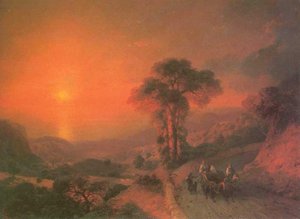
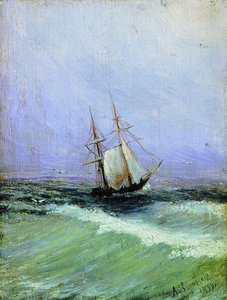
To gaze upon Aivazovsky's depiction of Sevastopol is not merely to observe a harbor scene; it is to be enveloped by the very breath of the Black Sea itself. This painting, dating from 1852, captures that quintessential moment where human industry—represented by the graceful array of ships—meets the overwhelming, sublime power of nature. The composition draws the viewer into a tranquil yet monumental space. Large vessels anchor on either side, their forms suggesting journeys undertaken and awaited, while smaller boats drift through the middle ground like scattered thoughts upon the water's surface. It is a scene steeped in the romanticism of maritime life, rendered with an almost palpable sense of atmosphere.
A Masterclass in Atmospheric Technique
Ivan Konstantinovich Aivazovsky was renowned for his ability to translate emotion into pigment, and nowhere is this more evident than in his handling of light and water. The technique employed here showcases his mastery of capturing the ephemeral quality of a cloudy day at sea. Notice how the sky does not merely hang above the harbor; it participates in the scene, diffusing a soft, diffused light that bathes the entire composition. Aivazovsky achieved this luminous effect through subtle gradations of color and visible brushwork that suggest movement even where the water appears calm. The interplay between the deep blues of the hulls, the muted tones of the sky, and the reflective sheen on the water creates a visual symphony that speaks volumes about the artist's technical prowess.
Sevastopol: A Nexus of History and Spirit
The choice of Sevastopol as a subject grounds this work in a specific, charged historical moment. For those familiar with Crimean history, the city evokes narratives of naval might, strategic importance, and enduring resilience. The presence of figures—a solitary person visible near the middle-right—adds a human scale to the grand sweep of the maritime activity. They are witnesses to this confluence of man and ocean. This painting transcends being mere topographical record; it becomes an allegory for endurance. The ships, whether laden with cargo or simply returning from patrol, symbolize continuity against the backdrop of historical flux.
Emotional Resonance for the Modern Collector
For the collector or designer seeking a piece that anchors a room with depth and narrative weight, this reproduction offers profound emotional resonance. It speaks to wanderlust, to the quiet majesty found at the edge of the known world. The overall atmosphere is one of contemplative peace—a momentary lull in the vast rhythm of life. Owning this artwork allows one to invite the expansive, soulful energy of Aivazovsky’s vision into your personal space. It serves not just as decoration, but as a visual meditation on travel, time, and the enduring beauty found where land yields to the limitless expanse of the sea.
Korduvad küsimused
Kuidas materjal ja suund teoses "Sevastopol" kokku saavad?
„Sevastopol“, autor Ivan Konstantinovitš Айвазовский ühendab endas Oil On Canvas tehnikat ja Romanticism stiili. Tehnika ja suundumus kirjeldavad teose valmistusviisi ja esteetikat.
Kui eraldavad teose "Sevastopol" värvid?
Teose „Sevastopol“, autor Ivan Konstantinovitš Айвазовский värvid on Balanced Soft kütkusega ja Vivid intensiivsusega.
Kui palju inimesi vaatab teost "Sevastopol"?
Teose „Sevastopol“, autor Ivan Konstantinovitš Айвазовский lehe Statistika lehel on esitatud avalikud külastusstatistika: selle teose kuutlikud külastused, võrdlus kunstniku kõige vaatamistult populaarsemate teostega ning külastajate päritolu.
Kunstniku elulugu
Ivan Konstantinovich Aivazovsky – Hovhannes Aivazian
Ivan Konstantinovich Aivazovsky, born Hovhannes Aivazian in 1817, was more than just a painter of seascapes; he embodied the Romantic spirit—a conduit to the ocean’s soul. His very existence seemed inextricably linked to the Black Sea—that vast, unpredictable expanse that would forever dominate his artistic vision and fuel an extraordinary career spanning nearly six decades. Born in Feodosia, Crimea, Russia – a city steeped in maritime history – Aivazovsky didn't merely observe the sea; he felt it – its raw energy, sublime beauty, and inherent danger becoming the very essence of his art. From a young age, this connection was nurtured by Jacob Koch, an architect who recognized the boy’s innate talent, then blossoming within the rigorous academic environment of Saint Petersburg’s Imperial Academy of Arts. Yet, formal training alone couldn't account for the depth of Aivazovsky’s understanding; it was the constant presence of salt-laced air and the cries of gulls that truly shaped his artistic sensibility. His Armenian heritage – he was baptized at St. Sargis Armenian Church in Feodosia – instilled a profound appreciation for cultural traditions, occasionally informing his expansive body of work with motifs reflecting Armenian landscapes and folklore.Early Influences and Artistic Formation
Aivazovsky’s formative years were marked by exposure to influential artistic currents. Like many aspiring artists of his time, he studied at the Imperial Academy of Arts in Saint Petersburg, absorbing the stylistic conventions of Academic painting—characterized by idealized forms and meticulous detail. However, Aivazovsky possessed a rebellious streak that would soon propel him beyond these established boundaries. He found inspiration in the works of Claude Lorrain and Salvator Rosa – artists who championed dramatic landscapes infused with emotion—artists who captured the sublime grandeur of nature. These influences instilled in him a desire to depict not merely what was seen, but what was felt—a conviction that resonated deeply throughout his artistic career. His early paintings demonstrated remarkable technical skill, reflecting meticulous observation and careful rendering of light and color.The Rise of a Marine Master: Patronage and Naval Service
A pivotal moment arrived when Aivazovsky secured the patronage of Czar Nicholas I – a relationship that profoundly shaped his artistic trajectory. Recognizing his talent and unwavering dedication to his craft, the Tsar appointed him the main painter of the Russian Navy—a position that granted him unparalleled access to naval life, battleships, and firsthand observation of maritime expeditions. This wasn’t merely a prestigious title; it was transformative – providing him with invaluable material for artistic inspiration and fostering an intimate understanding of the challenges faced by sailors at sea. He became acutely aware of the psychological impact of confronting turbulent waters and perilous storms—themes that would permeate his paintings throughout his life. The patronage afforded him by the Tsar allowed him to pursue his artistic ambitions without constraint, securing funding for ambitious projects and enabling him to travel extensively – documenting naval voyages and capturing breathtaking vistas across Europe.A Style Defined by Drama and Luminosity
Aivazovsky’s distinctive style—characterized by dramatic compositions and masterful use of color—became synonymous with Romantic marine art. He eschewed the polished surfaces of Academic painting, favoring looser brushstrokes and vibrant hues that conveyed a palpable sense of movement and emotion. Like Turner – whom he admired greatly – Aivazovsky sought to capture not just the visual spectacle of the sea but its very soul—its moods, its power, and its mystery. His technique involved applying paint in thin layers, creating luminous textures that seemed to emanate from within the canvas itself. He meticulously studied atmospheric perspective, skillfully rendering distant landscapes with hazy blues and greys – techniques that heightened the dramatic impact of his paintings. Works such as *Chaos (The Creation)* and *Ship in a Stormy Sea* exemplify this approach—capturing the terror and majesty of nature with breathtaking precision.Legacy and Enduring Influence
Ivan Konstantinovich Aivazovsky’s contribution to Russian art is undeniable – securing him a place among the most celebrated marine artists of his era. His paintings continue to inspire awe and admiration, demonstrating an unparalleled ability to convey emotion and capture the essence of the sea. He profoundly influenced subsequent generations of painters—establishing a precedent for Romantic landscape painting that prioritized expressive power over strict adherence to academic conventions. The saying “worthy of Aivazovsky’s brush” – popularized by Anton Chekhov – encapsulates the enduring legacy of this artistic genius—a testament to his unwavering commitment to capturing the sublime beauty and dramatic intensity of the natural world. His paintings remain exhibited in museums worldwide, ensuring that his vision continues to resonate with audiences across cultures and generations.
Ivan Konstantinovitš Айвазовский
1817 - 1900 , Россия
Lühikest infot
- Artistic Movement Or Style: Romanticism, Marine art
- Artists Who Influenced This Artist:
- Claude Lorrain
- Salvator Rosa
- Date Of Birth: 1817
- Date Of Death: 1900
- Full Name: Ivan Konstantinovich Aivazovsky
- Nationality: Russian-Armenian
- Notable Artworks:
- The Ninth Wave
- Ship in a Stormy Sea
- Seascape with Full Moon
- Place Of Birth: Feodosia, Russia
Sarnased artiklid

The Enduring Legacy of Oil on Canvas: Technique, History & Aesthetic Impact
Explore the rich history & techniques of oil painting – from Renaissance masters to Impressionism. Discover pigments, layering methods, and why this timeless medium endures. Expert insights for artists & art enthusiasts.

Oil on Canvas: A Historical & Technical Exploration of a Timeless Artistic Medium
Explore the rich history & enduring techniques of oil painting on canvas. Discover the science behind its longevity, conservation practices, and contemporary relevance. Expert insights for art enthusiasts.

Ivan Bilibin: A Synthesis of Folklore, Modernism & National Identity in Russian Illustration
Explore the enchanting world of Ivan Bilibin, a master Russian illustrator who synthesized folklore, Art Nouveau & national identity. Discover his iconic fairy tale illustrations and legacy with OriginalUniqueArt.
Ivan Aivazovsky: Mastering Light & Emotion in 19th-Century Marine Painting
Explore the captivating world of Ivan Aivazovsky, a master of 19th-century marine painting. Discover his techniques, iconic artworks & lasting legacy in this expert guide.
The Allure of the Horizon: A Comprehensive Exploration of Seascape Art Through History & Emotion
Explore the captivating world of seascape art! Discover its history, key artists & movements – from Dutch Masters to Impressionism. Expert insights for collectors and enthusiasts at OriginalUniqueArt.