Vaata sisu
 Jaga teost
 Jaga
Jaga
 Detailid
 Õppekate juhend

 Laadi alla
 Sarnased teosed
 Röntgenuuring
 Slaidietendus
 Statistika
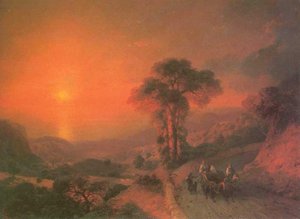
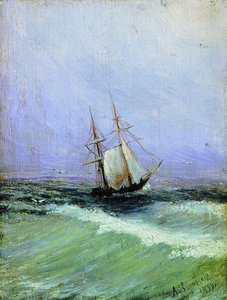
Rocky Cliffs


 Loe lähemalt
Giclée / Kunstiprint
Muuseumikvaliteediga giclée- või kangasprint kiire tootmisega ja paindlikud viimistlusvõimalused. ( Telli käsitsi maalitud reproduktsioon Ülemineku digitaalse pildi müügi kanalisse)




P118B €10

P118H €10

P118W €10

P438Z €10

P508JH €12

P508YH €12

P805H €10

P805Z €10

P919BZ €10

P919G €10

P919XJ €10

P959ZH €10

P968JZ €12

W106C €8

W218G €10

W218JH €8

W218Y €10

W307PJ €10

W316G €10

W316PJ €8

W316Y €10

W398PJ €8

W4111J €10

W500HY €15

W500JH €15

W692G €12

W849H €8

W940BG €15

W953PJ €8




Vali meie eelmääratud suurused, mis vastavad teose algupärastele proportsioonidele.

Sisestage vajalik laius ja kõrgus, et see sobiks teie raamile või seinale. Trükki saab ainult lõigata, seda ei saa kunagi pildist suuremaks teha, seega ka differentse vormiga suurus kaotab osa pildist. Enne trükkimist saadame teile kinnitamiseks digitaalse näidisprojektsiooni. Sellel lehel näidatud pilt ei kujuta reaalset lõiget — seda näitab ainult näidisprojekttsioon.
Ülemaailmne tarne () 2 nädala jooksul, tavalise 4/5 nädala asemel. (22 oktoober)

Tasuta ekspresssaatmine üle maailma

Kõrgekvaliteediline lina-kangastest muld

Täielik transpordikindlustus

Tollimaksude tagastamise garantii

Värvitoime täpsuse garantii

100 päeva tagastusõigus (ainult defektide korral)

100% raha tagasi garantii

Hulgusoodustus
 Klaasivalik on saadaval ainult kuni 110 cm suuruses teostes

Rocky Cliffs
Giclée / Kunstiprint
Reproduktsiooni mõõtmed
-


Lõppsumma
€ 70
A Vision of Turbulent Majesty
“Rocky Cliffs,” painted by Ivan Konstantinovich Aivazovsky in 1891, isn’t merely a landscape; it’s an immersive experience. The canvas explodes with the raw energy of the Black Sea, capturing a moment where nature and humanity collide with breathtaking drama. Aivazovsky, a titan of marine art, masterfully renders the relentless power of the ocean, transforming a simple coastal scene into a profound meditation on human resilience and the sublime indifference of the natural world.
The Painter's Technique: Layers of Light and Texture
Aivazovsky’s genius lies not just in his subject matter but also in his extraordinary technical skill. He employed a technique known as “alla prima,” working directly onto the wet surface of the canvas, layering paint with astonishing speed and precision. Thick impasto—heavy applications of pigment—dominates the cliffs, creating a palpable sense of roughness and solidity that contrasts sharply with the fluid movement of the waves. Notice how he builds up the texture of the rocks, using short, broken brushstrokes to suggest their jagged edges and weathered surfaces. The sky, rendered in delicate washes of blue and gray, subtly shifts in tone, conveying the ever-changing light conditions of a turbulent day. The use of complementary colors—the cool blues and grays of the sea against the warmer browns and ochres of the cliffs—further enhances the visual drama.
A Historical Echo: Romanticism at its Finest
“Rocky Cliffs” is firmly rooted in the Romantic movement, a period characterized by an intense fascination with nature’s power and the individual's emotional response to it. Aivazovsky, deeply influenced by this aesthetic, sought not just to depict the sea but to evoke a feeling—a sense of awe, wonder, and perhaps even a touch of fear in the face of its immensity. The painting reflects the era’s fascination with dramatic landscapes and heroic themes, mirroring the spirit of exploration and adventure that defined the 19th century. It's important to note Aivazovsky’s close relationship with the Russian Navy; his work often served as a visual record of naval exercises and battles, lending it an added layer of historical significance.
Symbolism in Motion: The Ship and the Sea
The small sailing vessel navigating the treacherous waves is more than just a compositional element. It represents humanity’s persistent, yet ultimately fragile, attempts to conquer nature's forces. The towering cliffs symbolize both grandeur and potential danger—a reminder of our own vulnerability in the face of overwhelming power. The turbulent sea itself embodies chaos, unpredictability, and the relentless passage of time. Aivazovsky masterfully uses these symbols to explore themes of human ambition, mortality, and the enduring relationship between humankind and the natural world. The painting invites contemplation on the balance between control and surrender.
A Legacy in Reproduction: Bringing the Sea Home
Reproductions of “Rocky Cliffs” capture a significant portion of Aivazovsky’s artistic vision, offering a window into this powerful seascape. When selecting a reproduction, consider the quality of materials used—a fine canvas and archival inks will ensure that the colors remain vibrant for years to come. Whether adorning a grand salon or a cozy study, “Rocky Cliffs” continues to inspire with its dramatic intensity and timeless beauty, reminding us of the enduring allure of the sea.
Küsimused ja vastused
Milline meeleolu ja emotsioon koosnevad teoses "Rocky Cliffs"?
Teoses "Rocky Cliffs" on Dramatic meeleolu koos Powerful emotsiooniga.
Kas teose "Rocky Cliffs" autoriõigused on kaitse all?')
Autoriõiguse teave teose „Rocky Cliffs“, autor Ivan Konstantinovitš Айвазовский kohta: teos kuulub luba ala avalikus õiguses – selle autoriõigud onหมดunud. See määrab, kas kujundist on lubatud vabadelt reproduktsioone teha.
Millist värviharmoniat esitab „Rocky Cliffs“, autor Ivan Konstantinovitš Айвазовский?
Teose "Rocky Cliffs" värviharmonia on Softly Mixed Palette.
Kunstniku elulugu
Ivan Konstantinovich Aivazovsky – Hovhannes Aivazian
Ivan Konstantinovich Aivazovsky, born Hovhannes Aivazian in 1817, was more than just a painter of seascapes; he embodied the Romantic spirit—a conduit to the ocean’s soul. His very existence seemed inextricably linked to the Black Sea—that vast, unpredictable expanse that would forever dominate his artistic vision and fuel an extraordinary career spanning nearly six decades. Born in Feodosia, Crimea, Russia – a city steeped in maritime history – Aivazovsky didn't merely observe the sea; he felt it – its raw energy, sublime beauty, and inherent danger becoming the very essence of his art. From a young age, this connection was nurtured by Jacob Koch, an architect who recognized the boy’s innate talent, then blossoming within the rigorous academic environment of Saint Petersburg’s Imperial Academy of Arts. Yet, formal training alone couldn't account for the depth of Aivazovsky’s understanding; it was the constant presence of salt-laced air and the cries of gulls that truly shaped his artistic sensibility. His Armenian heritage – he was baptized at St. Sargis Armenian Church in Feodosia – instilled a profound appreciation for cultural traditions, occasionally informing his expansive body of work with motifs reflecting Armenian landscapes and folklore.Early Influences and Artistic Formation
Aivazovsky’s formative years were marked by exposure to influential artistic currents. Like many aspiring artists of his time, he studied at the Imperial Academy of Arts in Saint Petersburg, absorbing the stylistic conventions of Academic painting—characterized by idealized forms and meticulous detail. However, Aivazovsky possessed a rebellious streak that would soon propel him beyond these established boundaries. He found inspiration in the works of Claude Lorrain and Salvator Rosa – artists who championed dramatic landscapes infused with emotion—artists who captured the sublime grandeur of nature. These influences instilled in him a desire to depict not merely what was seen, but what was felt—a conviction that resonated deeply throughout his artistic career. His early paintings demonstrated remarkable technical skill, reflecting meticulous observation and careful rendering of light and color.The Rise of a Marine Master: Patronage and Naval Service
A pivotal moment arrived when Aivazovsky secured the patronage of Czar Nicholas I – a relationship that profoundly shaped his artistic trajectory. Recognizing his talent and unwavering dedication to his craft, the Tsar appointed him the main painter of the Russian Navy—a position that granted him unparalleled access to naval life, battleships, and firsthand observation of maritime expeditions. This wasn’t merely a prestigious title; it was transformative – providing him with invaluable material for artistic inspiration and fostering an intimate understanding of the challenges faced by sailors at sea. He became acutely aware of the psychological impact of confronting turbulent waters and perilous storms—themes that would permeate his paintings throughout his life. The patronage afforded him by the Tsar allowed him to pursue his artistic ambitions without constraint, securing funding for ambitious projects and enabling him to travel extensively – documenting naval voyages and capturing breathtaking vistas across Europe.A Style Defined by Drama and Luminosity
Aivazovsky’s distinctive style—characterized by dramatic compositions and masterful use of color—became synonymous with Romantic marine art. He eschewed the polished surfaces of Academic painting, favoring looser brushstrokes and vibrant hues that conveyed a palpable sense of movement and emotion. Like Turner – whom he admired greatly – Aivazovsky sought to capture not just the visual spectacle of the sea but its very soul—its moods, its power, and its mystery. His technique involved applying paint in thin layers, creating luminous textures that seemed to emanate from within the canvas itself. He meticulously studied atmospheric perspective, skillfully rendering distant landscapes with hazy blues and greys – techniques that heightened the dramatic impact of his paintings. Works such as *Chaos (The Creation)* and *Ship in a Stormy Sea* exemplify this approach—capturing the terror and majesty of nature with breathtaking precision.Legacy and Enduring Influence
Ivan Konstantinovich Aivazovsky’s contribution to Russian art is undeniable – securing him a place among the most celebrated marine artists of his era. His paintings continue to inspire awe and admiration, demonstrating an unparalleled ability to convey emotion and capture the essence of the sea. He profoundly influenced subsequent generations of painters—establishing a precedent for Romantic landscape painting that prioritized expressive power over strict adherence to academic conventions. The saying “worthy of Aivazovsky’s brush” – popularized by Anton Chekhov – encapsulates the enduring legacy of this artistic genius—a testament to his unwavering commitment to capturing the sublime beauty and dramatic intensity of the natural world. His paintings remain exhibited in museums worldwide, ensuring that his vision continues to resonate with audiences across cultures and generations.
Ivan Konstantinovitš Айвазовский
1817 - 1900 , Россия
Lühikest infot
- Artistic Movement Or Style: Romanticism, Marine art
- Artists Who Influenced This Artist:
- Claude Lorrain
- Salvator Rosa
- Date Of Birth: 1817
- Date Of Death: 1900
- Full Name: Ivan Konstantinovich Aivazovsky
- Nationality: Russian-Armenian
- Notable Artworks:
- The Ninth Wave
- Ship in a Stormy Sea
- Seascape with Full Moon
- Place Of Birth: Feodosia, Russia
Sarnased artiklid
The Allure of the Horizon: A Comprehensive Exploration of Seascape Art Through History & Emotion
Explore the captivating world of seascape art! Discover its history, key artists & movements – from Dutch Masters to Impressionism. Expert insights for collectors and enthusiasts at OriginalUniqueArt.

Romantilise Maastikukunsti 10 Meisterteost: Kunstiteosed Koduks OriginalUniqueArt.com'ist
Avastage 10 romantilise maastikukunsti meistriteost! Tutvuge Caspar David Friedrichi, J.M.W. Turneri ja teiste suurte kunstnike loominguga OriginalUniqueArt.com-is. Leidke täiuslik õlimaal või reproduktsioon koduks – inspireeriv kollektsioon ootab!
Evoking the Horizon: A Historical & Artistic Exploration of Coastal Scenes in Painting
Explore the rich history of coastal scenes in painting! Discover Impressionist masterpieces, American realism & contemporary visions. Learn about renowned artists and find your perfect seascape at OriginalUniqueArt.
Evoking Emotion & Transcendence: Romantic Landscape Painting (18th-19th Century)
Explore the emotional depth of Romantic landscape painting (18th-19th century). Discover key artists like Friedrich & Cole, and the concepts of the sublime. Expert insights for art lovers & collectors.
Evoking Nature's Sublime: A Comprehensive Exploration of 19th-Century Landscape Painting
Explore the captivating world of 19th-century landscape painting! Discover renowned artists like Friedrich & Monet, key movements, and find the perfect artwork to bring nature's serenity into your home. Expert insights at OriginalUniqueArt.