Contemporary Realism · 1957
Falling Warrior (Henry Moore, 1957)
Henry Moore (1898–1986) on loonud teose Falling Warrior. See on pärinev 1957 aastast. See kuulub Contemporary Realism suuntrime. Teos on valmistatud materjalist Bronze. Teos asub National Museums Liverpool kogamuses Liverpool, Ühendkuningriik. Mõõdud on 48 × 147 cm.
- 1957
- Bronze
- 48 × 147 cm
- National Museums Liverpool

 Käsitsi maalatud õlimaalatsioon
 Saada
 Jaga
 Teave teose kohta


 Laadi alla
 Sarnased teosed
 Slaidietendus
 KÜSIMUSED JA VASTUSID

 Statistika
Falling Warrior lühidalt
- Pealkiri
- Falling Warrior
- Kunstnik
- Henry Moore (1898–1986)
- Kunstnik on sündinud
- Castleford, Suurbritannia
- Kuupäev
- 1957
- Tehnika
- Bronze
- Mõõtmed
- 48 × 147 cm
- Kus seda näeb
- National Museums Liverpool, Liverpool, Ühendkuningriik
- Suunad
- Contemporary Realism
- Aeglkond
- Modern
- Teema
- bronze sculpture, female figure, reclining pose, minimalism, organic form, tranquility
Mida Falling Warrior kujutab?
A Symphony of Bronze and Bone: The Essence of Falling Warrior
In the quiet halls of Tate Britain, there exists a moment of profound stillness captured in bronze—a masterpiece that breathes with the weight of history and the lightness of spirit. Henry Moore’s “Falling Warrior,” created between 1956 and 1957, is far more than a mere sculpture; it is a meditation on the very nature of existence. As one approaches this monumental work, the eye is immediately drawn to the fluid, undulating lines that define the female form. The figure lies horizontally, her body a landscape of soft curves and deliberate voids, evoking a sense of both immense strength and heartbreaking vulnerability. It is a piece that does not merely occupy space but commands it, inviting the viewer into a silent dialogue about resilience in the face of inevitable decline.
The brilliance of Moore’s technique lies in his ability to marry the tactile reality of metal with the ethereal quality of movement. Through a masterful process of modeling clay and subsequent bronze casting, Moore achieved a surface texture that feels alive. One can trace the subtle depressions and ridges that mimic the contours of flesh and bone, creating a rhythmic vitality that suggests the figure is caught in a single, breathless moment of transition. His pioneering use of negative space—the intentional piercing of the form—allows light to pass through the sculpture, integrating the surrounding environment into the artwork itself. This interplay of solid mass and hollow void creates a dynamic tension, making the bronze appear deceptively supple, as if the warrior might stir at any moment.
Modernism Rooted in the Earth
To understand the soul of “Falling Warrior,” one must look to the rugged landscapes of Yorkshire, where Henry Moore first learned to see the world. The rolling hills and weathered stones of his youth are echoed in the organic abstractions of this piece. While the sculpture sits firmly within the mid-century movements of Abstract Expressionism and Surrealism, it avoids the coldness often associated with pure abstraction. Instead, Moore utilizes a semi-abstract language to explore deep psychological states. The pose—a female figure with an arm outstretched in what could be interpreted as either defiance or surrender—serves as a universal symbol for the human condition. It captures the duality of our existence: the struggle to remain upright and the eventual, graceful acceptance of our own mortality.
For the discerning collector or interior designer, “Falling Warrior” represents an unparalleled opportunity to introduce a sense of timelessness and intellectual depth into a space. A high-quality reproduction of this work brings with it the prestige of British Modernism and the calming influence of organic form. Whether placed in a sunlit gallery, a sophisticated study, or as a focal point in a contemporary living space, the sculpture’s presence is transformative. It offers more than decoration; it provides a window into a profound aesthetic experience, where the boundaries between the human body and the natural world dissolve into a single, hauntingly beautiful expression of life.
Kumba muuseumis asub teos Falling Warrior?
National Museums Liverpool
Liverpool, Ühendkuningriik
Kivist ja k Lein on: Avatud National Museums Liverpool Liverpooli pulsivalt südames, linnas, mis on märgitud mereloolise sügavuse, tööstilise vastupidavuse ja kunstilise uuenduse jälgedega, asub National Museums Liverpool – institutsioon, mis on tunduvalt enam kui pelgalt artefaktide hoiust. See on elav kroonika, Merseysidea arengu tunnistus ja üle mitme millenia tähendusrikas inimloovuse tähistamine. Erinevalt suuretest, keskendatud muuseumidest, mis on sageli piiratud Londoni kultuurilise sfääri orbitaaliga, õigub NML oma eristatavale regionaalsetule identiteedile, mis on juurdunud Põhja-Lääne piirkonna vastupidavasse vaimus ja pühendunud kättesaadavusele kõigile.


Falling Warrior kõrge resolutsiooniga pildid

Protected by copyright: these files are for personal reference, not a licence to republish.
Henry Moore, Falling Warrior (1957), National Museums Liverpool.
Küsimused teemal Falling Warrior – vastused
Millises muuseumis on säilitatud originaal "Falling Warrior"?
Originaalteost „Falling Warrior“, autor Henry Moore hoiustatakse National Museums Liverpool, Liverpool, Ühendkuningriik muuseumis. Reproduktsioon võimaldab teost koduses keskkonnas esitleda.
Mis on teose „Falling Warrior“, autor Henry Moore loomisaeg?
Teos „Falling Warrior“, autor Henry Moore loodi aastal 1957.
Millist tehnikat teose „Falling Warrior“, autor Henry Moore valmistamisel kasutati?
Teose "Falling Warrior" loomisel kasutas Henry Moore Bronze tehnikat. See tehnika määrab originaalteose materjalilise olemuse.
Mis on originaalteose „Falling Warrior“, autor Henry Moore mõõdud?
Originaalteose „Falling Warrior“, autor Henry Moore mõõdud on 147 x 48 cm.
Mida „Falling Warrior“, autor Henry Moore kujutab?
Teose "Falling Warrior" teemad on bronze sculpture, female figure, reclining pose, minimalism, organic form, tranquility, monumental art.
Kas teose „Falling Warrior“, autor Henry Moore pilt on vabalt reproduseeritav?
Autoriõiguse teave teose „Falling Warrior“, autor Henry Moore kohta: teos kuulub luba ala on endiselt autoriõiguse all under kaitse. See määrab, kas kujundist on lubatud vabadelt reproduktsioone teha.
Kes on teose "Falling Warrior" looja?
Teose "Falling Warrior" loovija on Henry Moore. Selle lehe info kirjeldab Henry Moore algteost.
Millissele kunstisuunale kuulub teos „Falling Warrior“, autor Henry Moore?
Teosest „Falling Warrior“, autor Henry Moore tuntud kunstisuuna on Contemporary Realism. See klassifikatsioon aitab teost paigutada sarnaste kunstnike ja teoste hulka.
Millissele perioodile Henry Moore karjäärist kuulub teos "Falling Warrior"?
Henry Moore loomingus kuulub teos "Falling Warrior" perioodi Mature Period. See etap aitab seda võrdida kunstniku teiste töödega.
Kunstnikust, Henry Moore

1898–1986, Suurbritannia
Henry Moore
A Life Sculpted in Form: The World of Henry Moore Henry Spencer Moore OM CH FBA (30 July 1898 – 31 August 1986) was an English visual artist. He is best known for his semi-abstract monumental bronze sculptures, which revolutionized modern British sculpture and cemented his place as one of the most influential artists of the twentieth century. Born in Castleford, Yorkshire, Moore’s early life instilled in him a profound appreciation for the natural world—a fascination that would permeate his artistic vision throughout his career. His father, Raymond Spencer Moore, was a self-taught man who championed education and steered Henry away from the traditional path of coal mining, recognizing his innate talent for modeling clay and carving wood.
Ka Henry Moore teosed
 Reclining Figure
 Sculptural Objects (Cramer 47)
 Sheep 1
 A Miner at Work1942
Essee teemadel Falling Warrior
 Romantic Realism's Finest: 10 Masterpieces for Your Home | OriginalUniqueArtExplore 10 defining masterpieces of Romantic Realism! Discover Courbet, Millet & Daumier's powerful paintings—capturing emotion and social …
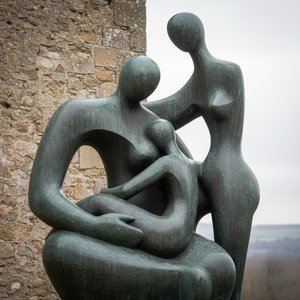 Henry Moore: Sculpting Modernity – Form, Emotion & the Human ConditionExplore the revolutionary sculptures of Henry Moore – abstract forms, reclining figures & powerful expressions of the human condition. Disc…
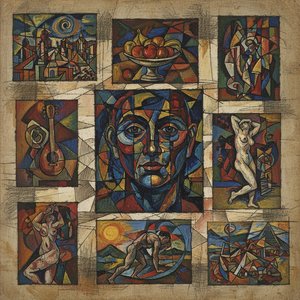 Cubist Expressionism's 10 Defining Masterpieces | Art for Your HomeExplore 10 defining Cubist Expressionism masterpieces by Picasso, Braque & more. Discover the stories behind these bold, geometric painting…