

 Vaata sisu
 Jaga teost
 Jaga
Jaga
 Detailid
 Õppekate juhend

 Laadi alla
 Sarnased teosed
 Röntgenuuring
 Slaidietendus
 Statistika
Bathsheba
 Baroque Realism
 258.0 x 218.0 cm
 Neues Palais
 Loe lähemalt
Käsitsi valmistatud õlimaalireproduktsioon
Meie kunstnike poolt tellimusel valmistatud käsitsi maalitud õli-kainaste teos teie soovitud suuruses ja raamis. ( Lülita trükkitoodetele Ülemineku digitaalse pildi müügi kanalisse)




P118B €10

P118H €10

P118W €10

P438Z €10

P508JH €12

P508YH €12

P805H €10

P805Z €10

P919BZ €10

P919G €10

P919XJ €10

P959ZH €10

P968JZ €12

W106C €8

W218G €10

W218JH €8

W218Y €10

W307PJ €10

W316G €10

W316PJ €8

W316Y €10

W398PJ €8

W4111J €10

W500HY €15

W500JH €15

W692G €12

W849H €8

W940BG €15

W953PJ €8




Vali meie eelmääratud suurused, mis vastavad teose algupärastele proportsioonidele.

Sisestage vajalik laius ja kõrgus, et teos sobiks teie raamile või seinale. Kuna tegu on käsipainatud teosega, siis erineva kujuga suuruse korral võib kunstnik jätta pildi ümber veidi rohkem marginaali või lõigata osa ära — valik on teie. Enne maali alustamist saadame teile kinnitamiseks digitaalse näidisprojektsiooni. Sellel lehel näidatud pilt ei kajasta tegelikku tulemust — seda näitab ainult näidisprojekttsioon.
Pärast tellimust saadab OriginalUniqueArt.com meeskond kliendile e-posti juhised ning esitab eelvaate kavandi
Maailmline tarne 3–4 nädala jooksul tavalise 5 nädala asemel. (24 oktoober). Kvaliteedis kompromisse ei tehta.

Tasuta ekspresssaatmine üle maailma

Kõrgekvaliteediline lina-kangastest muld

Täielik transpordikindlustus

Tollimaksude tagastamise garantii

Värvitoime täpsuse garantii

100 päeva tagastusõigus (ainult defektide korral)

100% raha tagasi garantii

Hulgusoodustus
 Klaasivalik on saadaval ainult kuni 110 cm suuruses teostes

Bathsheba
Reproduktsiooni materjal
Reproduktsiooni mõõtmed
-


Lõppsumma
€ 264
Artemisia Gentileschi’s “Bathsheba”: A Portrait of Resilience and Caravaggio’s Shadow
OriginalUniqueArt.com presents a breathtaking hand-painted reproduction of Artemisia Gentileschi's enigmatic "Bathsheba," a work steeped in the drama and emotional intensity that defined the artist’s extraordinary career. Dating from an unknown period, this painting offers a compelling glimpse into a pivotal biblical narrative – the story of Bathsheba, David’s loyal wife after his adulterous affair – filtered through Gentileschi's masterful lens. The scene unfolds with a palpable sense of quiet contemplation and underlying tension, immediately drawing the viewer into its complex emotional landscape.
Caravaggism at its Finest: Light, Shadow, and Human Drama
Born in Rome in 1593, Artemisia Gentileschi was a product of her father, Orazio Gentileschi’s, artistic tutelage. Heavily influenced by the revolutionary realism championed by Caravaggio, Artemisia inherited his signature style – a dramatic use of tenebrism, where stark contrasts between light and dark sculpt the forms and heighten the emotional impact. Observe how Gentileschi expertly manipulates light to focus attention on Bathsheba herself, subtly illuminating her face and gestures while casting the surrounding figures in deeper shadow. This technique isn’t merely stylistic; it serves to underscore the vulnerability and quiet strength of the central figure, a hallmark of Caravaggio's approach to portraying biblical subjects.
- Tenebrism: The dramatic use of light and dark creates a powerful sense of drama.
- Realism: Gentileschi’s commitment to realistic depiction – evident in the textures of clothing, the expressions on faces – grounds the biblical story in a tangible human experience.
- Composition: The carefully arranged figures contribute to the overall narrative tension and invite contemplation about Bathsheba's internal struggle.
Symbolism and Narrative Depth: A Complex Scene
The painting’s composition is rich with symbolic detail, reflecting the complexities of the biblical story. The presence of multiple women – standing close together, engaged in conversation – suggests a network of relationships and potential alliances. The carefully placed objects—the bowls, cups, and vases—are not merely decorative; they evoke a sense of domesticity and perhaps hint at the social rituals surrounding Bathsheba’s position. While the exact narrative context remains open to interpretation, it is widely believed that this scene depicts the aftermath of David's sin, a moment of reflection and potential judgment. The painting powerfully conveys the emotional weight of guilt, loyalty, and the consequences of transgression.
A Masterpiece of Emotional Resonance – Perfect for Your Space
This hand-painted reproduction captures not just an image but the very soul of Artemisia Gentileschi’s artistic vision. Measuring 258 x 218 cm, this artwork commands attention and adds a touch of historical gravitas to any interior space. Its dramatic composition, masterful use of light and shadow, and profound emotional depth make it a truly exceptional piece for art collectors, design enthusiasts, and anyone seeking to infuse their surroundings with the power and beauty of Baroque artistry. OriginalUniqueArt.com offers this stunning reproduction as a testament to Artemisia’s legacy – a legacy of courage, talent, and enduring artistic impact.
Küsimused ja vastused
Kas teos "Bathsheba" on saadaval kunstiprentina?
Teose „Bathsheba“, autor Artemisia Gentleski trüket saab tellida otse selle Kõlblik kunstutrüki kvaliteetne trükis lehelt: kunstiprint puuvillalõikel}}^{\text{canvas}}$ või arhiveeritaval kangaspaberil.
Millises muuseumis on säilitatud originaal "Bathsheba"?
Originaalteost „Bathsheba“, autor Artemisia Gentleski hoiustatakse Neues Palais, Potsdam, Saksamaa muuseumis. Reproduktsioon võimaldab teost koduses keskkonnas esitleda.
Kes lõi "Bathsheba"?
Teose "Bathsheba" autoriks on mõeldud Artemisia Gentleski.
Kunstniku elulugu
Artemisia Gentileschi – A Daughter of Rome: The Life and Art of Artemisia Gentileschi
Artemisia Gentileschi’s name echoes through the halls of art history, resonating not simply as that of a painter, but as an emblem of resilience, defiance, and extraordinary artistic talent in a world determined to silence female voices. Born in Rome in 1593, she entered a milieu steeped in artistry—her father, Orazio Gentileschi, was a respected painter deeply influenced by the revolutionary realism of Caravaggio. From her earliest years, Artemisia’s gift was undeniable, nurtured within her father's workshop where she absorbed techniques of composition and the dramatic use of light and shadow that would become hallmarks of her distinctive style. This formative training wasn’t merely about mastering brushstrokes; it was an immersion into a world of artistic ambition, one typically closed to women. Recognizing his daughter’s exceptional talent, Orazio provided opportunities unavailable to most females of the era, allowing her to study from life models—a crucial step in developing anatomical accuracy and expressive power.
Early Life and Artistic Training
Artemisia was born into a family deeply rooted in artistic tradition. Her father, Orazio Gentileschi, was a prominent painter who had embraced Caravaggio’s groundbreaking approach of combining realism with theatrical drama—a stylistic influence that would profoundly shape Artemisia's own artistic vision. Despite facing considerable obstacles as a woman pursuing an artistic career during the Baroque period, Orazio recognized his daughter’s extraordinary potential and ensured she received comprehensive training. She began her artistic education in her father’s workshop alongside her siblings, absorbing invaluable knowledge about pigment preparation, brushwork techniques, and compositional strategies. This early exposure to art instilled in her a lifelong passion for observation and experimentation—qualities that would ultimately define her distinctive style.
The Influence of Caravaggio and Artistic Development
Caravaggio’s dramatic use of tenebrism—the stark contrast between light and darkness—became a cornerstone of Artemisia's artistic aesthetic. Like her father, she adopted this technique, skillfully manipulating chiaroscuro to heighten emotional impact and create scenes imbued with palpable tension. However, Artemisia didn’t merely imitate Caravaggio; she forged her own unique voice, characterized by a raw psychological depth and a compelling focus on female subjects often depicted with unprecedented agency and strength. Her early works demonstrate an astonishing command of anatomy and expressive gesture—skills honed through meticulous study from life models.
Major Achievements: Bold Narratives and Female Portraits
Artemisia Gentileschi achieved remarkable success as an artist during her lifetime, establishing herself as one of the foremost painters of her era. Her canvases are renowned for their dramatic narratives—particularly depictions of biblical scenes featuring courageous women—and for their unflinching portrayal of human emotion. She tackled challenging themes with unwavering conviction and artistic brilliance, demonstrating a mastery of technique that captivated audiences and cemented her legacy as a pioneer in Baroque art. Among her most celebrated works are *Judith Slaying Holofernes*, *Susanna and the Elders*, and *Danaë*, each infused with Caravaggio’s tenebristic style and imbued with psychological complexity.
Legacy: A Feminist Icon
Artemisia Gentileschi's story transcends mere artistic achievement; it embodies a courageous defiance of societal constraints—a refusal to accept limitations imposed upon women in pursuit of their ambitions. Her unwavering determination to pursue her craft despite facing adversity served as an inspiration for countless aspiring artists—particularly female painters—who followed in her footsteps. Today, Artemisia Gentileschi is recognized as a pivotal figure in feminist art history—a symbol of resilience and artistic triumph who challenged conventions and paved the way for greater recognition of women’s contributions to the visual arts.

Artemisia Gentleski
1593 - 1656 , Itaalia
Lühikest infot
- Artistic Movement Or Style: Baroque painting
- Artists Who Influenced This Artist:
- Caravaggio
- Orazio Gentileschi
- Date Of Birth: 1593
- Full Name: Artemisia Gentileschi
- Nationality: Italian
- Notable Artworks:
- Judith Slaying Holofernes
- Susanna and the Elders
- Place Of Birth: Rome, Italy
Sarnased artiklid

Beyond the Shadows: The Powerful Legacies of Artemisia Gentileschi and Berthe Morisot
Explore the profound legacies of Artemisia Gentileschi and Berthe Morisot. Discover how these female masters redefined the Baroque and Impressionist eras through dramatic chiaroscuro and luminous light in this expert art-history guide for collectors and enthusiasts.

Baroki tippteosed: 10 kunstiteost, mis muutisid maailma
Sukeldu baroki maailma! Avasta 10 meistriteost, mis defineerisid kunstivoolu – Rembrandt, Caravaggio jt. Loe lugusid, vaata värve ja naudi ajatu ilu. Leia inspiratsiooni interjööriks OriginalUniqueArt.com-ist!
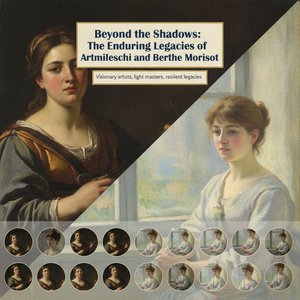
Beyond the Shadows: The Resurgence of Female Masters Artemisia Gentileschi and Berthe Morisot
Explore the profound resurgence of female masters Artemisia Gentileschi and Berthe Morisot. Discover how their revolutionary use of light, shadow, and intimacy redefined art history and continues to inspire sophisticated modern collections.
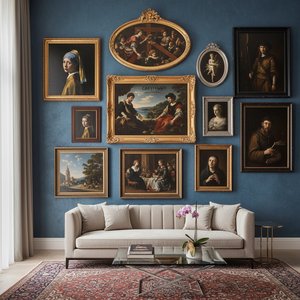
Baroque Painting's Greatest Hits: 10 Masterpieces for Your Home | OriginalUniqueArt
Journey through Baroque painting's glory! Explore 10 masterpieces by Caravaggio, Rembrandt & Vermeer. Discover dramatic lighting, rich colors & timeless stories. Find museum-quality art reproductions for your home at OriginalUniqueArt.com.

Beyond the Shadows: The Powerful Legacies of Artemisia Gentileschi and Berthe Morisot
Explore the profound legacies of Artemisia Gentileschi and Berthe Morisot. Discover how these female masters redefined the Baroque and Impressionist eras through dramatic chiaroscuro and luminous light, leaving an indelible mark on art history and modern aesthetics.


