

 Eelvaade
 Saada
Saada Jaga
Jaga
 Teave teose kohta

 Laadi alla
 Sarnased teosed
 Röntgenuuring
 Slaidietendus
 Statistika
Susanna ja vanad
 Õlimaal kangaruumil
- Seinakunst
- Baroque
 1610
1610- varasne modernism
 170.0 x 121.0 cm
 Schloss Weißenstein
 Loe lähemalt
Käsitsi valmistatud õlimaalireproduktsioon
Meie kunstnike poolt tellimusel valmistatud käsitsi maalitud õli-kainaste teos teie soovitud suuruses ja raamis. ( Lülita trükkitoodetele Ülemineks digitaalse pildiga müügi kanalisse)




P118B $10

P118H $10

P118W $10

P438Z $10

P508JH $12

P508YH $12

P805H $10

P805Z $10

P919BZ $10

P919G $10

P919XJ $10

P959ZH $10

P968JZ $12

W106C $8

W218G $10

W218JH $8

W218Y $10

W307PJ $10

W316G $10

W316PJ $8

W316Y $10

W398PJ $8

W4111J $10

W500HY $15

W500JH $15

W692G $12

W849H $8

W940BG $15

W953PJ $8




Vali meie eelmääratud suurused, mis vastavad teose algupärastele proportsioonidele.

Sa võite sisestada oma mõõtmed konkreetse raami või ruumi sobivuse tagamiseks. Kui teie valitud suurus ei vasta originaalpildi proportsioonidele, siis kärvime kunstiteost või laiendame maali täiendavate käsitsi maalitud elementidega. Enne tootmise algust saadetakse teile heakskiitmiseks digitaalne eelvaade.
Palun pidage meeles, et ekraanil kuvatav eelvaade ei kajasta tegelikku kärpimist või laiendamist. Ainult eelvaade näitab täpselt lõplikku kompositsiooni.
Kuigi on saadaval kohandatud suurused, soovitame originaalproportsioonide säilimiseks valida mõõdud eelmääratletud nimekirjast.
Pärast tellimust saadab OriginalUniqueArt.com meeskond kliendile e-posti juhised ning esitab eelvaate kavandi.
Maailmline tarne 3–4 nädala jooksul tavalise 5 nädala asemel. (13 september). Kvaliteedis kompromisse ei tehta.

Tasuta ekspresssaatmine üle maailma

Kõrgekvaliteediline linakangas

Täielik transpordikindlustus

Tollimaksude tagastamise garantii

Värvitoime täpsuse garantii

100 päeva tagastusõigus (ainult tootmisdefektide korral)

100% raha tagasi garantii

Hulgusoodustus
 Klaasivalik on saadaval ainult suuruses kuni 110 cm

Susanna ja vanad
Reproduktsiooni tehnika
Reproduktsiooni suurus
-


Kogusumma
$ 325
Susanna and the Elders (Artemisia Gentileschi, Pommersfelden) – A Baroque Triumph of Vulnerability
Artemisia Gentileschi’s “Susanna and the Elders” stands as a monumental achievement within the Baroque artistic landscape—a painting that transcends mere narrative depiction to embody profound psychological depth and masterful technique. Completed around 1610, this masterpiece resides at Schloss Weißenstein in Pommersfelden, Germany, offering visitors an unparalleled glimpse into the artistic sensibilities of one of Europe’s most celebrated female painters.
- The Narrative Core: The painting recounts a biblical tale from Daniel—a young woman named Susanna unjustly accused of adultery by two elders who had secretly observed her bathing. This story resonated deeply with Baroque audiences, exploring themes of innocence threatened by corruption and the triumph of virtue over deceit.
- Baroque Vision & Caravaggesque Influence: Gentileschi’s style is firmly rooted in the Baroque period's dramatic realism, mirroring the stylistic innovations championed by Caravaggio. The artist skillfully employs chiaroscuro—a technique characterized by stark contrasts between light and dark—to sculpt the figures and create an atmosphere of palpable tension.
- Naturalism & Emotional Resonance: Gentileschi’s unparalleled ability to portray the female form with breathtaking naturalism is evident in Susanna's portrayal. The artist captures not just physical likeness but also conveys a visceral sense of vulnerability, fear, and determination—a level of emotional intensity unprecedented for its time.
- Symbolic Layers: Beyond its narrative content, “Susanna and the Elders” is rich in symbolic meaning. Susanna represents purity and righteousness, while the elders embody corruption and oppression. The stone steps upon which Susanna sits serve as a visual metaphor for her journey toward justice—a deliberate departure from traditional garden settings that underscores the painting’s thematic significance.
- Technical Mastery: Gentileschi's meticulous attention to detail is showcased in every brushstroke, demonstrating mastery of oil paint and its ability to achieve remarkable textural effects. The artist skillfully renders skin textures with astonishing accuracy, capturing subtle nuances of expression and conveying a palpable sense of immediacy.
The composition itself contributes significantly to the painting’s impact—centered around Susanna and her pursuers, it draws the viewer's gaze into the scene while simultaneously emphasizing the psychological drama unfolding within its confines.
Detailed Analysis: Style & Technique
Gentileschi’s Baroque style distinguishes itself from earlier artistic traditions through its embrace of dramatic realism and heightened emotional expression. Influenced by Caravaggio, she utilizes chiaroscuro to create a sense of depth and theatricality—a technique that elevates the painting beyond mere representation.
- Chiaroscuro: Gentileschi’s masterful manipulation of light and shadow sculpts the figures and enhances their dimensionality. The dramatic interplay between illumination and darkness amplifies emotional intensity, conveying a palpable sense of urgency and vulnerability.
- Compositional Dynamics: The painting's dynamic arrangement—characterized by flowing lines and converging diagonals—captures movement and tension—reflecting the psychological turmoil experienced by Susanna.
- Color Palette: Gentileschi employs a warm color palette dominated by earthy tones—creating an atmosphere of intimacy and emotional resonance that underscores the painting’s thematic concerns.
Furthermore, Gentileschi's meticulous attention to detail—evident in her rendering of skin textures and drapery folds—demonstrates her unparalleled skill as a painter.
Historical Context & Significance
"Susanna and the Elders" emerged during a period marked by artistic innovation and intellectual ferment—the Baroque era—a time when artists sought to convey emotion and drama with uncompromising conviction. Gentileschi’s work stands apart from its contemporaries due to her courageous exploration of female subjectivity and her refusal to conform to societal expectations.
- The Baroque Spirit: The painting embodies the Baroque spirit's fascination with theatricality, emotional intensity, and dramatic realism—reflecting the broader cultural currents of the period.
- Gender Roles & Artistic Expression: Gentileschi’s success as a female artist challenged prevailing gender roles—demonstrating that women could achieve artistic excellence despite societal constraints.
- Influence on Subsequent Artists: “Susanna and the Elders” exerted considerable influence on subsequent artists—inspiring them to explore similar themes of vulnerability, resilience, and moral integrity.
Its enduring appeal lies in its ability to evoke profound emotions—capturing the essence of human experience with breathtaking artistry.
Symbolism & Emotional Impact
The painting’s symbolism transcends its biblical narrative—representing virtues such as purity and righteousness against forces of corruption and oppression. Gentileschi's portrayal of Susanna embodies courage, resilience, and unwavering moral integrity—a testament to the artist’s profound understanding of human psychology.
- Susanna: Representing innocence and virtue, Susanna embodies the triumph of goodness over evil—a central theme explored throughout the painting.
- The Elders: Symbolizing corruption and oppression, the elders embody the forces that threaten to undermine moral integrity—underscoring the painting’s dramatic tension.
- Emotional Resonance: Gentileschi's masterful depiction of Susanna’s anguish conveys a visceral sense of vulnerability—drawing viewers into the emotional core of the narrative.
"Susanna and the Elders" remains an iconic masterpiece—a testament to Artemisia Gentileschi’s artistic genius and her unwavering commitment to portraying human emotion with unparalleled sensitivity.
Kunstniku elulugu
Artemisia Gentileschi – A Daughter of Rome: The Life and Art of Artemisia Gentileschi
Artemisia Gentileschi’s name echoes through the halls of art history, resonating not simply as that of a painter, but as an emblem of resilience, defiance, and extraordinary artistic talent in a world determined to silence female voices. Born in Rome in 1593, she entered a milieu steeped in artistry—her father, Orazio Gentileschi, was a respected painter deeply influenced by the revolutionary realism of Caravaggio. From her earliest years, Artemisia’s gift was undeniable, nurtured within her father's workshop where she absorbed techniques of composition and the dramatic use of light and shadow that would become hallmarks of her distinctive style. This formative training wasn’t merely about mastering brushstrokes; it was an immersion into a world of artistic ambition, one typically closed to women. Recognizing his daughter’s exceptional talent, Orazio provided opportunities unavailable to most females of the era, allowing her to study from life models—a crucial step in developing anatomical accuracy and expressive power.
Early Life and Artistic Training
Artemisia was born into a family deeply rooted in artistic tradition. Her father, Orazio Gentileschi, was a prominent painter who had embraced Caravaggio’s groundbreaking approach of combining realism with theatrical drama—a stylistic influence that would profoundly shape Artemisia's own artistic vision. Despite facing considerable obstacles as a woman pursuing an artistic career during the Baroque period, Orazio recognized his daughter’s extraordinary potential and ensured she received comprehensive training. She began her artistic education in her father’s workshop alongside her siblings, absorbing invaluable knowledge about pigment preparation, brushwork techniques, and compositional strategies. This early exposure to art instilled in her a lifelong passion for observation and experimentation—qualities that would ultimately define her distinctive style.
The Influence of Caravaggio and Artistic Development
Caravaggio’s dramatic use of tenebrism—the stark contrast between light and darkness—became a cornerstone of Artemisia's artistic aesthetic. Like her father, she adopted this technique, skillfully manipulating chiaroscuro to heighten emotional impact and create scenes imbued with palpable tension. However, Artemisia didn’t merely imitate Caravaggio; she forged her own unique voice, characterized by a raw psychological depth and a compelling focus on female subjects often depicted with unprecedented agency and strength. Her early works demonstrate an astonishing command of anatomy and expressive gesture—skills honed through meticulous study from life models.
Major Achievements: Bold Narratives and Female Portraits
Artemisia Gentileschi achieved remarkable success as an artist during her lifetime, establishing herself as one of the foremost painters of her era. Her canvases are renowned for their dramatic narratives—particularly depictions of biblical scenes featuring courageous women—and for their unflinching portrayal of human emotion. She tackled challenging themes with unwavering conviction and artistic brilliance, demonstrating a mastery of technique that captivated audiences and cemented her legacy as a pioneer in Baroque art. Among her most celebrated works are *Judith Slaying Holofernes*, *Susanna and the Elders*, and *Danaë*, each infused with Caravaggio’s tenebristic style and imbued with psychological complexity.
Legacy: A Feminist Icon
Artemisia Gentileschi's story transcends mere artistic achievement; it embodies a courageous defiance of societal constraints—a refusal to accept limitations imposed upon women in pursuit of their ambitions. Her unwavering determination to pursue her craft despite facing adversity served as an inspiration for countless aspiring artists—particularly female painters—who followed in her footsteps. Today, Artemisia Gentileschi is recognized as a pivotal figure in feminist art history—a symbol of resilience and artistic triumph who challenged conventions and paved the way for greater recognition of women’s contributions to the visual arts.

Artemisia Gentleski
1593 - 1656 , Itaalia
Lühikesed faktid
- Artistic Movement Or Style: Baroque painting
- Artists Who Influenced This Artist:
- Caravaggio
- Orazio Gentileschi
- Date Of Birth: 1593
- Full Name: Artemisia Gentileschi
- Nationality: Italian
- Notable Artworks:
- Judith Slaying Holofernes
- Susanna and the Elders
- Place Of Birth: Rome, Italy
Seotud artiklid
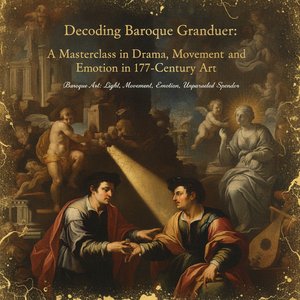
Decoding Baroque Grandeur: A Masterclass in Drama, Movement, and Emotion in 17th-Century Art
Explore the breathtaking drama of 17th-century Baroque art. Discover how masters used chiaroscuro, movement, and intense emotion to create timeless grandeur in this expert guide for fine art enthusiasts.

The Visceral Stage: Exploring Dramatic Narratives & Emotional Intensity in Baroque Art
Explore the dramatic world of Baroque art! Discover iconic masters like Caravaggio & Rembrandt, their techniques, and the movement's lasting impact. Expert insights for collectors & enthusiasts at OriginalUniqueArt.

The Dramatic Flourish: Exploring the Baroque Movement's Enduring Legacy in Art History
Explore the dramatic world of Baroque art! Discover iconic artists like Caravaggio & Rubens, defining techniques, and its lasting impact on art history. Expert insights for collectors & enthusiasts at OriginalUniqueArt.

Baroki tippteosed: 10 kunstiteost, mis muutisid maailma
Sukeldu baroki maailma! Avasta 10 meistriteost, mis defineerisid kunstivoolu – Rembrandt, Caravaggio jt. Loe lugusid, vaata värve ja naudi ajatu ilu. Leia inspiratsiooni interjööriks OriginalUniqueArt.com-ist!
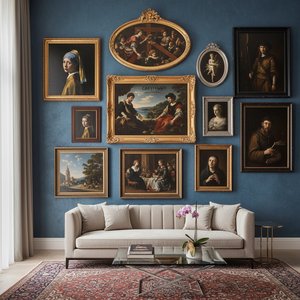
Baroque Painting's Greatest Hits: 10 Masterpieces for Your Home | OriginalUniqueArt
Journey through Baroque painting's glory! Explore 10 masterpieces by Caravaggio, Rembrandt & Vermeer. Discover dramatic lighting, rich colors & timeless stories. Find museum-quality art reproductions for your home at OriginalUniqueArt.com.


