Untitled (413) (Alexandre De Riquer)
Alexandre De Riquer (1856–1920) on loonud teose Untitled (413).

 Eelvaade

 Käsitsi maalatud õlimaalatsioon
 Saada
 Jaga
 Teave teose kohta


 Laadi alla
 Sarnased teosed
 Röntgenuuring
 Slaidietendus
 KÜSIMUSED JA VASTUSID

 Statistika
Untitled (413) lühidalt
- Pealkiri
- Untitled (413)
- Kunstnik
- Alexandre De Riquer (1856–1920)
- Kunstnik on sündinud
- Calaf, Hispaania
Untitled (413) kõrge resolutsiooniga pildid
Avalik omanik: kunstnik suri aastal 1920.
Alexandre De Riquer, Untitled (413). Avalik omaniklik õigus
Küsimused teemal Untitled (413) – vastused
Kas teos "Untitled (413)" on ilma autoriõigusteta?
Teos „Untitled (413)“, autor Alexandre De Riquer on lubaõiguslikult avalikus õiguses – selle autoriõigud onหมดunud. See staatus reguleerib teose pildi reprodüseerimise võimalusi.
Kes on teose "Untitled (413)" looja?
Teose "Untitled (413)" autoriks on mõeldud Alexandre De Riquer.
Mis selgitab teose „Untitled (413)“, autor Alexandre De Riquer autoriõiguste olukorda?
Alexandre De Riquer teos "Untitled (413)" on avalikus õiguses – selle autoriõigud onหมดunud. Autoriõiguse kaitseajad arvutatakse alates kunstniku surmaõigustest ning Alexandre De Riquer suri aastal 1920.
Kunstnikust, Alexandre De Riquer

1856–1920, Hispaania
Alexandre De Riquer
A Life Woven in Art and Intellect Alexandre de Riquer i Ynglada, 7th Count of Casa Dávalos, was more than just an artist; he embodied a confluence of aristocratic lineage, intellectual curiosity, and artistic innovation that defined the Catalan Modernisme movement. Born in Calaf, Catalonia, in 1856, his life unfolded against a backdrop of political tension – his father, Martí de Riquer, being a prominent Carlist leader – yet was simultaneously nurtured by a mother, Elisea Ynglada, who fostered a deep appreciation for art and literature within the family. This duality shaped Riquer’s path, imbuing him with both a sense of tradition and a restless desire to forge new artistic expressions. His early education in France, first in Béziers and later at the School of Fine Arts in Toulouse, provided a foundational grounding in French artistic traditions, but it was his return to Barcelona and studies at La Llotja that truly ignited his creative spirit under the mentorship of figures like Tomas Padro, Claudi Lorenzale, and particularly Antoni Caba.
Teel Alexandre De Riquer kohta Alexandre De Riquer silmapaistvad teosed
Ka Alexandre De Riquer teosed
 Composition with Winged Nymph Blowing Amongst Reeds1887
 Composition with winged nymph at sunrise1887
Essee teemadel Untitled (413)
 25 Masterpieces by Amedeo Modigliani: The Soul of Modern PortraitureExplore 25 iconic Modigliani masterpieces and their soulful stories. Discover the full collection online at OriginalUniqueArt.com.
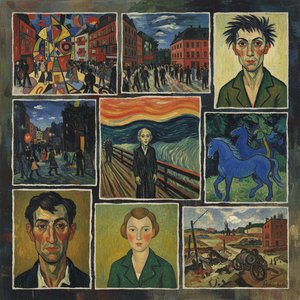 Expressionist Painting: 10 Masterpieces That Defined a Movement | OriginalUniqueArtExplore 10 Expressionist paintings that revolutionized art! Discover Munch, Kirchner & Kandinsky's iconic works. Find museum-quality reprod…
 Color & Emotion: The 25 Most Iconic Masterpieces by Mark RothkoImmerse yourself in the profound emotion of Abstract Expressionism. Explore 25 iconic Mark Rothko masterpieces, from his signature color fi…