Alexandre De Riquer portree

38 kulubumatamatumat Alexandre De Riquer maalist, millist on vaid üks

Uuendatud oktoober 2026 · järjestatud meie populaarsusindeksi järgi (otsingud, külastused ja tellimused igale teosele) · 38 teost Alexandre De Riquer meie kataloogis

Lühidalt

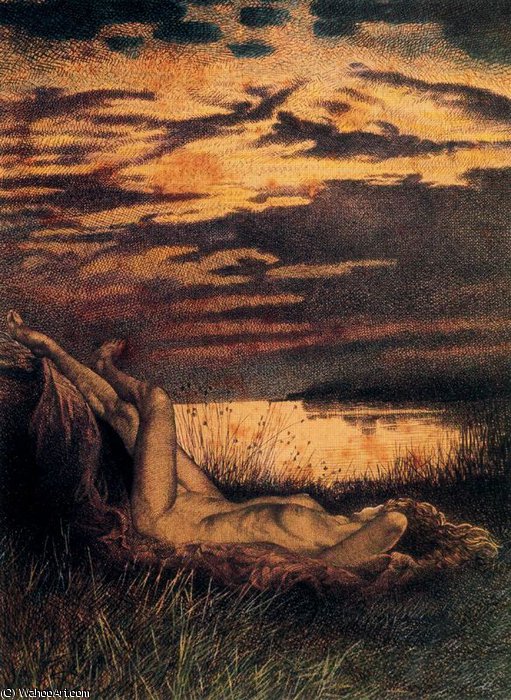
Composition with Winged Nymph Blowing Amongst Reeds (1887) on Alexandre De Riquer maalide kõige silmapaistvam teos; originaal kuulub museumi Museu Nacional d'Art de Catalunya, Barcelona. Pärast seda suunatakse pilk Composition with winged nymph at sunrise (1887) ja Untitled (970) suunas. Meie kataloogis olevatest Alexandre De Riquer 38 teosest on need 38 kõige kuulsumat, millist igaüks on esitatud koos aasta, muuseumi ja põhjusega, miks teos on püsiv.

1856 – 1920, Calaf Enamama teoseid: Museu Nacional d'Art de Catalunya

Alexandre De Riquer top 10 maalist galeriist vaatenurgast

Alexandre De Riquer kuulsad maalid, numbrid 11 kuni 38

Alexandre De Riquer kuulsaimad maalid ajastult ajastule

Teemad, mis püüdisid Alexandre De Riquer pilma

Neli teemat, mis esinevad neis originaalkindel kõige sagedamini, ning iga teema parim näide.

Muuseumid, kus on säilitatud Alexandre De Riquer originaalteosed

Kümne 2 muuseumi kollektsioonid, mis sisaldavad kõige rohkem sellel lehel esitatud teoseid.

Muuseumid Linn Alexandre De Riquer teosid Selle nimekirja maalid
Museu Nacional d'Art de Catalunya, BarcelonaMuseu Nacional d'Art de Catalunya Barcelona 2 Composition with Winged Nymph Blowing Amongst Reeds, Composition with winged nymph at sunrise
Biblioteca Museu Víctor Balaguer, ViladecansBiblioteca Museu Víctor Balaguer Viladecans 1 Untitled (607)

Alexandre De Riquer aastate jooksul: iga teose unikaalsed originaalid

Kõik siin kuvatavad Alexandre De Riquer originaalteosed on pärinevad ühest aastast, 1887: need on esitatud kululuse järjekorras.

Teosed aasta kaupa

Vali aasta, et näha originaale.

Alexandre De Riquer maalid: küsimused galeriile

Mis on Alexandre De Riquer kõige kuulsam teos?Paljasta vastus

Composition with Winged Nymph Blowing Amongst Reeds (1887), Museu Nacional d'Art de Catalunya, Barcelona. Järgnevad Composition with winged nymph at sunrise (1887) ja Untitled (970).

Mis vanuses luunud Alexandre De Riquer teos Composition with Winged Nymph Blowing Amongst Reeds?Paljasta vastus

31 aastat vanus: teos Composition with Winged Nymph Blowing Amongst Reeds on pärinev aastast 1887 ning Alexandre De Riquer sündis aastal 1856.

Millised on Alexandre De Riquer kümneks kuulsumat maalatist?Paljasta vastus

Composition with Winged Nymph Blowing Amongst Reeds, Composition with winged nymph at sunrise, Untitled (970), Untitled (985), Untitled (176), Untitled (493), Untitled (435), Untitled (715), Untitled (540) ja Untitled (413). Ülemine reiting näitab iga teose puhul aastat ja muuseumi.

Kui palju teoseid kunstniku Alexandre De Riquer kohta on teada?Paljasta vastus

Meie kataloogist leibab 38 teost kunstnikult Alexandre De Riquer.

Kust saab näha kõige kuulsamaid Alexandre De Riquer originaalteoseid?Paljasta vastus

Peamiselt Museu Nacional d'Art de Catalunya (Barcelona) ja Biblioteca Museu Víctor Balaguer (Viladecans) muuseumites. Ülalpool olevate muuseumite tabelis on nendest kõik loetletud.

Mille perioodi jooksul lõi Alexandre De Riquer oma tuntumad maalid?Paljasta vastus

Ajal 1887: 2 38 sellel lehel olevat teost on sellel perioodil loodud, მათart közül Composition with Winged Nymph Blowing Amongst Reeds.

Millist teemasid Alexandre De Riquer eelistas?Paljasta vastus

Woman figure (2) ja Catalan art (2), kogu selle lehekülje 38 teose kohta.

Mida Alexandre De Riquer originaalte ma näen Museu Nacional d'Art de Catalunya muuseumis?Paljasta vastus

Composition with Winged Nymph Blowing Amongst Reeds ja Composition with winged nymph at sunrise: Museu Nacional d'Art de Catalunya, Barcelona säilitab 2 selle lehel olevat teost.

Alexandre De Riquer: kunstniku portree

A Life Woven in Art and Intellect

Alexandre de Riquer i Ynglada, 7th Count of Casa Dávalos, was more than just an artist; he embodied a confluence of aristocratic lineage, intellectual curiosity, and artistic innovation that defined the Catalan Modernisme movement. Born in Calaf, Catalonia, in 1856, his life unfolded against a backdrop of political tension – his father, Martí de Riquer, being a prominent Carlist leader – yet was simultaneously nurtured by a mother, Elisea Ynglada, who fostered a deep appreciation for art and literature within the family. This duality shaped Riquer’s path, imbuing him with both a sense of tradition and a restless desire to forge new artistic expressions. His early education in France, first in Béziers and later at the School of Fine Arts in Toulouse, provided a foundational grounding in French artistic traditions, but it was his return to Barcelona and studies at La Llotja that truly ignited his creative spirit under the mentorship of figures like Tomas Padro, Claudi Lorenzale, and particularly Antoni Caba.

The Blossoming of a Multifaceted Talent

Riquer’s artistic journey wasn't confined to a single medium; it was characterized by an extraordinary versatility. He didn’t simply paint or illustrate – he designed jewelry, created decorative programs for events, embellished furniture, and even ventured into ceramic painting. This expansive approach stemmed from a belief in the interconnectedness of art forms and a desire to elevate the aesthetic quality of everyday life. His initial foray into the professional world came through collaboration with Apel·les Mestres, contributing ornamental lettering and cover illustrations that marked the beginning of his prolific career. However, it was a pivotal trip to London in 1894 that irrevocably altered the course of his artistic development. Encountering the Pre-Raphaelites sparked a profound shift in his style, introducing him to a world of romantic narratives, meticulous detail, and symbolic depth. Simultaneously, he became captivated by Japanese art and the burgeoning field of modern poster design, viewing both as avenues for revitalizing graphic arts and imbuing them with new artistic significance. He saw these influences not merely as stylistic choices but as part of a larger “missionary undertaking” to elevate the aesthetic standards of visual communication.

A Master of Graphic Design and Beyond

The sheer breadth of Riquer’s output is astonishing. He produced an extensive body of work encompassing posters, etchings, illustrations for books and magazines, certificates, postcards, stamps, menus, sheet music, business cards, and exquisitely crafted bookplates – over 142 documented articles between 1900 and 1924 alone attest to his relentless creativity. His posters, in particular, garnered international recognition, with two featured in the prestigious collection *Les Maîtres de l'Affiche*, solidifying his reputation as a leading figure in poster art. But Riquer’s talents extended beyond the purely visual realm; he was also a gifted writer and poet, contributing to literary publications and demonstrating a remarkable ability to seamlessly blend artistic disciplines. His work *Los Estudiants de Tolosa* (1886), for example, showcases his lyrical sensibility and deep connection to Catalan folklore. He wasn’t simply illustrating stories; he was actively shaping the cultural narrative of Catalonia through both image and word.

Legacy and Enduring Influence

Alexandre de Riquer's contributions were integral to defining the aesthetic and intellectual character of Modernisme in Catalonia, a movement that sought to reclaim and celebrate Catalan identity during a period of significant social and political change. His ability to synthesize diverse influences – from Pre-Raphaelite romanticism and Japanese aesthetics to Art Nouveau’s flowing lines and symbolic imagery – resulted in a uniquely personal style that resonated deeply with his contemporaries. Following his death in 1920, his extensive library and collections were thoughtfully acquired by the Barcelona Museums and the National Library of Catalonia, ensuring the preservation of his legacy for generations to come. Riquer’s work continues to inspire artists and designers today, serving as a testament to the power of artistic versatility, intellectual curiosity, and a unwavering commitment to cultural expression. He remains a pivotal figure in Catalan art history, a symbol of an era when art was not merely decoration but a powerful force for social and cultural renewal. His influence can still be felt in contemporary design and illustration, reminding us of the enduring beauty and relevance of his artistic vision.