

Un Santuario de Brillantez Hispánica en el Corazón de Castres
Enclavado dentro del paisaje tranquilo y pintoresco de Castres, Francia, se encuentra un tesoro cultural que desafía las expectativas geográficas: el Museo Goya. Esta singular institución sirve como un profundo puente entre naciones, dedicada a preservar y celebrar el vibrante tapiz del patrimonio artístico español mucho más allá de las fronteras de la península ibérica. Adentrarse en este museo es embarcarse en un viaje inmersivo a través de siglos de creatividad, donde las sombras del pasado se encuentran con la libertad expresiva de la era moderna. Establecido en 1840 con la noble ambición de mostrar el arte hispánico a un público europeo más amplio, el museo ha evolucionado hasta convertirse en un faro tanto para académicos como para entusiastas, ofreciendo una experiencia curada que trasciende la mera observación.
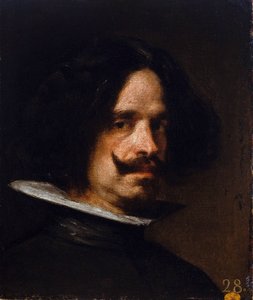
El alma del museo está inextricablemente ligada al legado monumental de Francisco Goya. Como una de las figuras más influyentes en la historia del arte occidental —frecuentemente aclamado tanto como el último de los Grandes Maestros como el primero de los modernos—, la presencia de Goya impregna toda la colección. Los visitantes pueden contemplar sus imponentes obras maestras, como la monumental La Junta de los Philippines , o verse cautivados por la íntima profundidad psicológica de retratos como el Autorretrato con anteojos . Sin embargo, la narrativa del museo se extiende mucho más allá de un solo nombre; es un rico mosaico que presenta las luminosas obras de Diego Velázquez, el toque etéreo de Bartolomé Esteban Murillo y la intensidad dramática de El Greco. Este vasto conjunto de más de 5.000 piezas permite una exploración asombrosa de cómo el arte español respondió a las corrientes sociopolíticas de su tiempo, desde la Ilustración hasta los profundos dramas humanos de la guerra.
Grandeza Arquitectónica y Resonancia Histórica
El entorno de la colección es una obra maestra tan importante como los lienzos que alberga. El museo reside en el Palacio de los Obispos de Castres, una maravilla arquitectónica que encarna el opulento esplendor del estilo barroco francés. Concebido por el legendario Jules Hardouin-Mansart —el mismo arquitecto responsable de la grandeza de Versalles—, el palacio se erige como un testimonio del prestigio del siglo XVII. Construida en 1675, la estructura proporciona un telón de fondo majestuoso donde el arte y la arquitectura existen en perfecta armonía. Este sentido de grandeza se extiende además a los paisajes circundantes, inspirados por la mano meticulosa de André Le Nôtre, el maestro de los jardines formales franceses. Para el amante del arte o el diseñador de interiores, el museo ofrece una lección profunda sobre cómo el espacio, la luz y el contexto histórico pueden elevar la experiencia de contemplación de las bellas artes.
La historia de la institución es una de revitalización continua y dedicación. Si bien sus raíces se remontan a mediados del siglo XIX, fue en 1947 cuando el museo consolidó formalmente su enfoque especializado en el arte hispánico, una misión que solo se ha profundizado con el tiempo. Una reciente y asombrosa renovación, completada en abril de 2023, ha transformado el museo en una maravilla contemporánea, contando con 23 salas meticulosamente curadas que abarcan 1.500 metros cuadrados. Esta modernización incluye la integración de una sala de exposiciones dentro de la antigua abadía de Les Cèdres, mezclando la serenidad monástica con una curaduría de vanguardia. A través de exposiciones recientes que exploran la influencia del manierismo y el papel de las artes decorativas en la vida aristocrática, el museo continúa demostrando ser un espacio dinámico donde la historia no solo se preserva, sino que se reinterpreta activamente para el ojo moderno.
Lo que realmente distingue al Museo Goya de otras instituciones globales es su incomparable concentración de arte español fuera de España. Ofrece más que una simple visita a una galería; proporciona un encuentro íntimo con el alma española. Para coleccionistas y decoradores que buscan inspiración, el museo funciona como una clase magistral sobre la evolución del estilo, la textura y la emoción. Permanece como un testimonio del poder perdurable del arte para fomentar el aprecio cultural y conectar los diversos hilos de la historia humana a través del lenguaje compartido de la belleza y la tragedia.