Una obra maestra del Barroco en el corazón de Dorsoduro
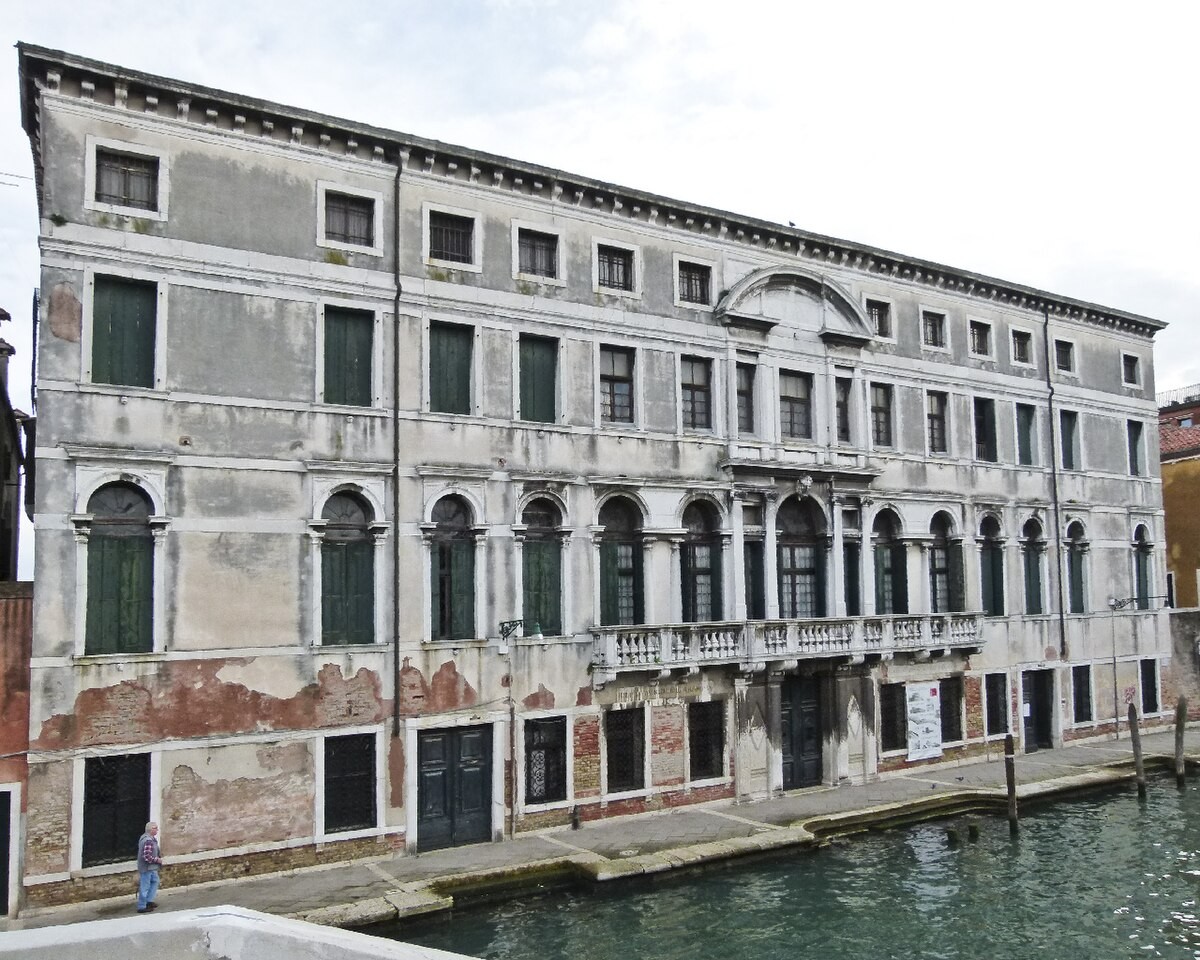
En las calles tranquilas y laberínticas del distrito de Dorsoduro en Venecia, lejos de la energía frenética de San Marco, se encuentra un santuario de serena intimidad conocido como Ca' Zenobio degli Armeni . Este magnífico palazzo, que da hacia las tranquilas aguas del Rio dei Carmini, ofrece mucho más que un simple vistazo al pasado; proporciona un viaje inmersivo al alma misma del Barroco veneciano. Construido originalmente sobre los cimientos de una residencia gótica del siglo XIV, el palacio que vemos hoy es un triunfo de la ambición arquitectónica del barroco tardío. Encargada por la acaudalada familia Zenobio y dotada de vida por el arquitecto Antonio Gaspari , la estructura encarna la grandeza y la simetría que definieron una era de inigualable prosperidad veneciana.
Entrar en Ca' Zenobio es adentrarse en un mundo donde la piedra y el pigmento conspiran para narrar historias de nobleza y devoción. La arquitectura misma sirve como un escenario dramático para los tesoros que alberga. Al recorrer sus salones, el juego de luces y sombras —sello distintivo del espíritu barroco— revela la meticulosa artesanía de la piedra de Istria y los elaborados trabajos de estuco. Para el diseñador de interiores o el amante de la estética clásica, el palazzo ofrece un estudio sin precedentes sobre cómo la elegancia estructural puede armonizar con una ornamentación opulenta para crear un espacio que se siente, a la vez, monumental y profundamente personal.
El esplendor celestial de la Sala degli Specchi
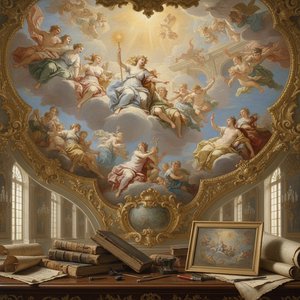
El verdadero corazón del museo late dentro de la Sala degli Specchi , o Sala de los Espejos, una estancia tan impresionante que parece desafiar los límites entre la realidad y la ilusión. Aquí, el techo y las paredes se disuelven en visiones celestiales, gracias a los magistrales frescos de dos titanes de la pintura veneciana: Giovanni Battista Tiepolo y Nicolas Dorigny . Tiepolo, el maestro indiscutible del color luminoso y la composición teatral, infundió al espacio una sensación de cielo infinito, mientras que las contribuciones de Dorigny añadieron una capa de gracia suave y contemplativa. Estos frescos no son meros adornos; son ventanas a los ideales humanistas y a las elevadas aspiraciones de la aristocracia veneciana.
Esta sala sirve como un profundo recordatorio del poder del arte para transformar el espacio físico en una experiencia espiritual. La forma en que la luz acaricia los detalles dorados y las pinceladas envolventes de los maestros crea una atmósfera rítmica, casi musical. Para coleccionistas e historiadores del arte, presenciar la convergencia de la energía monumental de Tiepolo y el toque delicado de Dorigny brinda una oportunidad única para apreciar el cenit de la pintura decorativa veneciana en su contexto original y pretendido.
Un legado de cultura y conexión global
Más allá de sus triunfos arquitectónicos y pictóricos, Ca' Zenobio ocupa un lugar único en el tapiz cultural de Venecia debido a su evolución histórica. A mediados del siglo XIX, el palacio pasó de ser una residencia aristocrática privada a convertirse en un centro vital para la comunidad armenia, llegando a albergar el prestigioso Colegio Armenio Moorat-Raphael . Este cambio dotó al edificio de una nueva capa de significado intelectual y espiritual, transformando un monumento a la riqueza en un vehículo para la educación y la preservación cultural. La colección del museo refleja este patrimonio diverso, abarcando obras que celebran la amplitud del arte veneciano, desde la serena espiritualidad de Giovanni Bellini hasta la vibrante maestría técnica de Tiziano .
La experiencia en Ca' Zenobio se enriquece aún más con sus terrenos circundantes. El palacio cuenta con un notable jardín privado, que alberga un pabellón neoclásico o
casino
diseñado por el arquitecto
Tommaso Temanza
. Este refugio exuberante y romántico ofrece un momento de quietud, permitiendo a los visitantes reflexionar sobre las obras maestras que acaban de encontrar. Ya sea que uno se sienta atraído por el peso histórico del linaje Zenobio, la brillantez técnica de los maestros barrocos o la belleza pacífica de sus jardines ocultos, Ca' Zenobio degli Armeni sigue siendo un destino esencial para cualquiera que busque comprender el perdurable y luminoso legado de Venecia.