

 Vista previa
 Compartir
 Compartir
 Ver detalles
 Guía
Guía

 Descargar
 Ver artículos similares
 Radiografía
 Presentación de diapositivas
 Estadísticas
INTERIEUR D'UNE CUISINE RUSTIQUE


 Leer más
Reproducción al óleo hecha a mano
Óleo sobre lienzo pintado a mano en el tamaño y marco de su elección, realizado por encargo por nuestros artistas. ( Cambiar a formato impreso Ver versión en imagen digital)




































Elija entre nuestros tamaños predefinidos que respetan las proporciones originales de la obra.

Puede ingresar sus propias dimensiones para adaptarse a un marco o espacio específico. Si el tamaño seleccionado no coincide con las proporciones de la imagen original, recortaremos la obra o extenderemos la pintura con elementos adicionales pintados a mano. Se le enviará una maqueta digital para su aprobación antes de comenzar la producción.
Tenga en cuenta que la vista previa en pantalla no refleja el recorte o la extensión reales. Solo la maqueta mostrará con precisión la composición final.
Si bien existen tamaños personalizados, recomendamos seleccionar una dimensión de la lista predefinida para preservar las proporciones originales.
Tras realizar el pedido, el equipo de OriginalUniqueArt.com enviará un correo electrónico al cliente para solicitar instrucciones y proporcionarle una vista previa del boceto.
Envío a todo el mundo () en 3-4 semanas en lugar de las 5 semanas estándar. (25 septiembre). Sin comprometer la calidad.

Envío exprés gratuito a todo el mundo

Lienzo de lino de alta calidad

Seguro de envío completo

Garantía de reembolso de impuestos aduaneros

Garantía de fidelidad cromática exacta

Política de devolución de 100 días (solo por defectos)

Garantía de devolución del 100% del dinero

Oferta por volumen
 La opción de vidrio solo está disponible en tamaños inferiores a 110 cm.

INTERIEUR D'UNE CUISINE RUSTIQUE
Técnica de reproducción
Tamaño de la reproducción
-


Precio total
$ 300
A Window Into the Dutch Golden Age
In the quiet, shadowed corners of seventeenth-century Netherlands, a profound beauty was being discovered in the most mundane of settings. Willem Kalf’s “Interieur d'une cuisine rustique” serves as a breathtaking portal into this era, capturing much more than a mere kitchen scene. Painted around 1642–43, this masterpiece invites the viewer to pause and contemplate the dignity of domestic life. The scene unfolds within a modestly sized space, where a central wooden table acts as a stage for a carefully curated collection of everyday objects. Earthenware jugs, pitchers, and baskets overflowing with apples and pears are not merely food; they are symbols of abundance, nourishment, and the quiet prosperity that defined the Dutch Golden Age. Through Kalf’s lens, the simple act of preparing a meal is elevated to a moment of profound stillness and grace.
The emotional resonance of the piece lies in its ability to evoke a sense of nostalgic intimacy. There is a certain melancholy found within the subdued lighting—a soft, diffused glow that enters from an unseen source, casting long, gentle shadows across the room. This interplay of light and dark, known as chiaroscuro, creates a dramatic atmosphere that feels both mysterious and deeply introspective. For the modern collector or interior designer, this painting offers a sense of groundedness and warmth. It does not shout with vibrant colors but whispers through a sophisticated palette of earthy browns, ochres, and grays, punctuated only by subtle splashes of red and yellow. This restrained elegance makes it an ideal centerpiece for spaces designed for reflection, adding a layer of historical depth and soulful character to any curated environment.
Mastery of Light and Texture
Kalf’s technical prowess is nothing short of extraordinary, demonstrating a level of meticulous observation that remains captivating centuries later. His approach to the medium of oil on canvas involves a sophisticated layering of thin glazes over a preparatory underpainting. This technique allows light to penetrate the surface layers, creating a luminous finish that breathes life into the textures of the scene. One can almost feel the tactile roughness of the aged wood grain, the cool smoothness of the earthenware, and the delicate weight of the fruit. The artist’s visible brushstrokes are not mere marks but intentional elements that contribute to the physical richness of the composition.
The structural brilliance of the work is found in its masterful use of perspective. Kalf employs linear perspective to guide the eye through the kitchen, using the arrangement of objects and the receding lines of the room to create a convincing sense of three-dimensional depth. This architectural precision is balanced by the organic, irregular shapes of the rustic items on the table, creating a harmonious visual tension between the structured world of the home and the natural bounty it contains. To possess a reproduction of such a work is to bring into one's home a piece of history that celebrates the beauty of the tangible world, reminding us that even in the simplest objects, there is a profound and enduring artistry.
Biografía del artista
Willem Kalf: Un Maestro del Bodegón Neerlandés
- Nacido: Róterdam, Países Bajos (1619)
- Fallecido: 1693
Willem Kalf fue un renombrado pintor neerlandés celebrado por sus exquisitas composiciones de bodegón durante el Siglo de Oro Neerlandés. Nacido en 1619 en Róterdam, se hizo conocido por sus lujosos "pronkstilleven" (bodegones ostentosos), mostrando objetos opulentos con un detalle meticuloso y un uso magistral de la luz.
Vida Temprana y Formación
Kalf nació en una próspera familia patricía en Róterdam. Su padre ocupaba cargos municipales, brindándole a Willem una educación cómoda. A finales de la década de 1630, Kalf viajó a París y pasó tiempo dentro del círculo de artistas flamencos en Saint-Germain-des-Prés. Durante este período, pintó principalmente pequeños interiores rústicos y bodegones.
Estilo Artístico y Desarrollo
- Período Parisino: Sus primeras obras, creadas en París, solían presentar grupos de verduras, cubos, ollas y sartenes dispuestos como un bodegón en primer plano. Las figuras a menudo estaban presentes pero borrosas en el fondo. Estas pinturas reflejaban una tradición pictórica practicada principalmente en Flandes durante la primera mitad del siglo XVII por artistas como David Teniers el Joven.
- Bodegones Maduros (Pronkstilleven): Sus obras posteriores, sus "pronkstilleven", se caracterizan por su exhibición de objetos lujosos y exóticos – vajillas de plata, porcelana, frutas y otras delicias. Estas composiciones demuestran una atención notable al detalle, colores ricos y efectos de iluminación dramáticos. Si bien la estructura de estas pinturas permaneció relativamente consistente, con objetos similares, la habilidad de Kalf para representar texturas y capturar la luz las elevó a un arte excepcional.
- Influencias: El trabajo de Kalf muestra influencias de pintores neerlandeses de bodegón anteriores como Simon Luttichuys. También compartió similitudes estilísticas con artistas como Pieter Claesz, Willem Claeszoon Heda y Juriaen van Streeck, quienes eran conocidos por sus "banketjes" o 'pequeños banquetes' en la década de 1630.
Obras Notables y Legado
Las pinturas de Kalf son muy apreciadas por su brillantez técnica y atractivo estético. Si bien las obras individuales específicas reciben menos reconocimiento generalizado que algunos de sus contemporáneos, su contribución general al género es significativa.
- Colecciones de Museos: La obra de Kalf se puede encontrar en prestigiosos museos de todo el mundo, incluido el Museum Boijmans Van Beuningen en Róterdam, la National Gallery of Art en Washington D.C., y el Getty Museum.
- Influencia en el Arte Francés: Los bodegones semi-monocromáticos de Kalf tuvieron una influencia notable en el arte francés, particularmente dentro del círculo de los hermanos Le Nain.
- Significado Histórico: Como figura destacada en la pintura del Siglo de Oro Neerlandés, Willem Kalf ayudó a definir el género de "pronkstilleven", mostrando la riqueza y sofisticación de la sociedad neerlandesa del siglo XVII. Su meticulosa atención al detalle y su uso magistral de la luz continúan inspirando a artistas y amantes del arte en la actualidad.
Exploración Adicional
- Wikipedia: https://en.wikipedia.org/wiki/Willem_Kalf
- National Gallery of Art: https://www.nga.gov/artists/1430-willem-kalf
- Getty Museum: https://www.getty.edu/art/collection/person/103JR3

Willem Kalf
1619 - 1693 , Países Bajos
Datos clave
- Artistas Influenciados: ['Hermanos Le Nain']
- Artistas Que Influyeron:
- David Teniers el Joven
- Simon Luttichuys
- Fecha De Fallecimiento: 1693
- Fecha De Nacimiento: 1619
- Lugar De Nacimiento: Rotterdam, Países Bajos
- Movimiento Artístico: Pintura de bodegones
- Nacionalidad: Neerlandés
- Nombre Completo: Willem Kalf
- Obras Notables:
- Interior de una cocina
- Bodegón con jarra de plata
Artículos relacionados

10 Obras Maestras que Definieron la Edad de Oro Holandesa
Viaja a la Edad de Oro Holandesa y descubre 10 obras maestras de Vermeer y Rembrandt. Explora la luz, el claroscuro y la belleza eterna del arte clásico. Encuentra reproducciones al óleo de calidad museo para tu hogar en OriginalUniqueArt.com. ¡Explora la colección completa online!

25 Obras Maestras del Mauritshuis: Un Viaje por la Edad de Oro Holandesa
Descubre las 25 joyas del Mauritshuis. Desde el misterio de Vermeer hasta el drama de Rembrandt, explora la esencia de la Edad de Oro holandesa y encuentra reproducciones al óleo de calidad museo para tu hogar. Explora la colección completa en OriginalUniqueArt.com.

Golden Light & Dutch Skies: The Timeless Magic of Dutch Golden Age Landscapes
Discover the breathtaking beauty of Dutch Golden Age landscapes. Explore the mastery of light, chiaroscuro, and 17th-century realism through an expert art history lens, celebrating the enduring legacy of the Dutch Masters for discerning collectors and art lovers.

Los 10 Maestros del Siglo de Oro Holandés: Arte, Historia y Decoración Exclusiva
Descubre los 10 imprescindibles del Siglo de Oro Holandés: Rembrandt, Vermeer y más. Explora la historia, técnica y belleza de estos lienzos clásicos. Encuentra reproducciones de arte exclusivas para decorar tu hogar en .
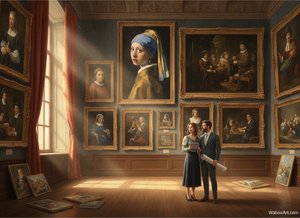
10 Obras Maestras que Definieron la Edad de Oro Holandesa
Viaja a la Edad de Oro Holandesa y descubre el brillo de Vermeer y Rembrandt. Explora 10 obras maestras llenas de luz y claroscuro. Encuentra reproducciones al óleo de calidad museo para tu hogar en OriginalUniqueArt.com. ¡Explora la colección completa online!


