Ver en contexto
 Enviar
 Compartir
 Detalles
 Guía
Guía

 Descargar
 Similares
 Radiografía
 Presentación de diapositivas
 Q&A
Q&A Estadísticas
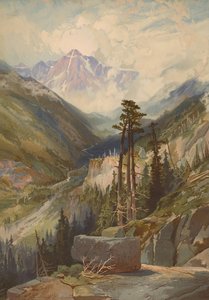
A Pastoral Landscape


 Ver más
Giclée / Impresión de arte
Impresiones giclée o en lienzo de calidad de museo con producción rápida y opciones de acabado flexibles. ( Comprar pintura hecha a mano Cambiar a imagen digital)




P118B €10

P118H €10

P118W €10

P438Z €10

P508JH €12

P508YH €12

P805H €10

P805Z €10

P919BZ €10

P919G €10

P919XJ €10

P959ZH €10

P968JZ €12

W106C €8

W218G €10

W218JH €8

W218Y €10

W307PJ €10

W316G €10

W316PJ €8

W316Y €10

W398PJ €8

W4111J €10

W500HY €15

W500JH €15

W692G €12

W849H €8

W940BG €15

W953PJ €8




Elija entre nuestros tamaños predefinidos que respetan las proporciones originales de la obra.

Introduzca el ancho y el alto que necesite para adaptarse a su marco o pared. Una impresión solo puede recortarse, nunca hacerse más grande que la imagen original, por lo que un tamaño con una forma distinta perderá parte de la obra. Le enviaremos una maqueta digital para su aprobación antes de realizar cualquier impresión. La imagen que se muestra en esta página no refleja el recorte real; solo la maqueta lo hace.
Envío a todo el mundo () en 2 semanas en lugar de las 4/5 semanas estándar. (29 octubre)

Envío exprés gratuito a todo el mundo

Lienzo de lino de alta calidad

Seguro de envío total

Garantía de reembolso de aranceles aduaneros

Garantía de fidelidad cromática exacta

Política de devolución de 100 días (solo por defectos)

Garantía de devolución del 100% del dinero

Descuento por cantidad
 La opción de vidrio solo está disponible en tamaños inferiores a 110 cm.

A Pastoral Landscape
Giclée / Impresión de arte
Dimensiones de la reproducción
-


Precio total final
€ 71
A Symphony of Serenity: The Soul of A Pastoral Landscape
In the vast tapestry of American art history, few moments capture the quiet breath of nature as poignantly as Thomas Moran’s A Pastoral Landscape. Painted in 1889, this exquisite oil on canvas serves as a profound departure from the rugged, awe-inspiring vistas of the American West for which Moran is most famous. Instead of the dramatic canyons and sun-scorched peaks, we are invited into a sanctuary of peace—a lush, verdant corner of the Long Island marshlands. The painting presents an idyllic countryside where time seems to suspend itself; a gentle river meanders through the heart of the composition, its surface reflecting the soft, diffused light of an overcast sky. Here, the artist captures not just a place, but a feeling of profound tranquility, inviting the viewer to step away from the clamor of modernity and into a world of rhythmic, natural grace.
The mastery of Moran’s technique is on full display through his delicate handling of light and atmosphere. Utilizing the principles of Romanticism, he moves beyond mere topographical accuracy to evoke an emotional response. The composition is built upon receding planes that guide the eye with effortless fluidity: from the textured, rocky outcrops in the foreground to the soft, grassy meadows where cattle graze in quiet companionship, and finally toward the dense, mysterious forests that loom in the distance. His brushwork is both purposeful and subtle, layering colors to create a sense of palpable depth. The palette, dominated by rich greens, earthy browns, and the muted blues of a cloudy sky, creates a harmonious atmosphere where every element—from the swaying trees to the shimmering water—feels interconnected within a single, breathing ecosystem.
Symbolism and the Sublime in the Everyday
While many associate the concept of the sublime with terrifying storms or monumental mountains, Moran finds it here in the quiet persistence of life. The painting functions as a symbolic bridge between the wildness of nature and the comfort of the pastoral ideal. The presence of grazing cows introduces a sense of domestic harmony, suggesting a world where humanity and nature exist in a state of gentle equilibrium. The meandering river acts as a metaphor for the passage of time—constant, flowing, and life-giving. Even the sky, with its blend of white and grey clouds, suggests the potential for change, reminding us that even in moments of absolute stillness, the natural world is in a state of perpetual motion.
For the discerning collector or interior designer, A Pastoral Landscape offers more than just visual beauty; it provides an emotional anchor for a space. The painting’s muted tones and soft lighting make it an incredibly versatile piece for sophisticated decor, capable of bringing a sense of calm to a modern study, a classic library, or a bright, airy living room. It serves as a window into a lost era of American innocence, making it an ideal centerpiece for those looking to infuse their surroundings with a sense of history, prestige, and enduring peace. To possess a high-quality reproduction of this work is to hold a fragment of the Romantic spirit, ensuring that the serene beauty of Moran’s vision continues to inspire generations to come.
Preguntas y respuestas
¿Cómo se combinan la técnica y el movimiento en "A Pastoral Landscape"?
En "A Pastoral Landscape", la técnica de Oil On Canvas se funde con el movimiento Romanticism.
¿Es "A Pastoral Landscape" más bien clara o más bien oscura en su conjunto?
"A Pastoral Landscape" presenta un brillo general de deep_shadow y una luminancia de Soft Shadow.
¿Qué color predomina en "A Pastoral Landscape"?
El color dominante de "A Pastoral Landscape" de Thomas Moran es Espresso (#444b29).
Biografía del artista
**Primeros años y carrera**
Thomas Moran, un renombrado pintor y grabador estadounidense, nació el 12 de febrero de 1837 en Bolton, Inglaterra. Su familia se mudó más tarde a los Estados Unidos, estableciéndose en Nueva York, donde Moran eventualmente encontró su voz artística. Siendo hermano menor del artista marino Edward Moran, Thomas compartió un estudio con él, marcando el comienzo de su viaje artístico.**Estilo artístico e influencias**
El trabajo de Moran estuvo fuertemente influenciado por el artista británico J. M. W. Turner, cuyo uso del color y la elección de paisajes inspiraron a Moran a explorar temas similares en su propio trabajo. Esto es evidente en sus pinturas, que a menudo presentaban las montañas rocosas y el oeste americano. Su estilo, caracterizado por meticulosos detalles y una mezcla de realismo y romanticismo, le valió un lugar destacado dentro del movimiento Hudson River School.**Obras notables y logros**
- El Gran Cañón del Yellowstone (1872): Esta monumental pintura fue comprada por el gobierno por $10,000, marcando el primer reconocimiento significativo de Moran como artista.
- Parque Nacional Yellowstone: Los bocetos y pinturas de Moran jugaron un papel crucial en el establecimiento de Yellowstone como el primer parque nacional en 1872.
**Legado e impacto**
Las contribuciones de Moran a la pintura del paisaje americano son innegables. Su trabajo no solo reflejó la belleza del oeste americano, sino que también inspiró a una nueva generación de artistas. Hoy en día, sus pinturas se pueden encontrar en varios museos, incluido el Smithsonian American Art Museum, un testimonio de su legado duradero.- Ver las obras de arte de Thomas Moran en OriginalUniqueArt.com
- Más sobre Thomas Moran en Wikipedia
- Explore el movimiento artístico del Hudson River School en OriginalUniqueArt.com
Fechas clave:
- 12 de febrero de 1837: Nació en Bolton, Inglaterra
- 25 de agosto de 1926: Falleció en Santa Bárbara, California

Thomas Moran
1837 - 1926 , Reino Unido
Datos clave
- Artistas Que Influyeron: ['J.M.W. Turner']
- Fecha De Fallecimiento: 25 de agosto de 1926
- Fecha De Nacimiento: 12 de febrero de 1837
- Influenciado A Artistas: ['Nueva generación de artistas']
- Lugar De Nacimiento: Bolton, Reino Unido
- Movimiento Artístico: Escuela del Río Hudson
- Nacionalidad: Británico-estadounidense
- Nombre Completo: Thomas Moran
- Obras Notables:
- Gran Cañón del Yellowstone
- Parque Nacional Yellowstone
Artículos relacionados

Paisajes Románticos: 10 Obras Maestras que Definieron un Movimiento Artístico
Descubre los 10 paisajes románticos más influyentes de artistas como Caspar David Friedrich y Turner. Explora la belleza, el simbolismo y las técnicas del movimiento romántico. Reproducciones de arte exclusivas en OriginalUniqueArt.com.
Idyllic Visions: Exploring the Pastoral Tradition in Western Art – Themes, Techniques & Enduring Appeal
Explore the rich history of pastoral art from classical Arcadia to contemporary interpretations. Discover key artists, themes & collecting tips at OriginalUniqueArt.
Thomas Hill: Luminosity, Landscape & the American Pastoral Ideal
Explore the luminous landscapes of Thomas Hill, a pivotal figure in the Hudson River School & Luminism movements. Discover his artistic journey, philosophical depth, and enduring legacy with OriginalUniqueArt.

Idyllic Visions: Exploring the Pastoral Scene in Art History – From Arcadia to Modern Interpretations
Explore the captivating history of pastoral art from classical Arcadia to modern masterpieces. Discover key artists like Millet & Cole at OriginalUniqueArt. Find serene landscape paintings for your home.
Thomas Worthington Whittredge: Capturing the American Pastoral Ideal with Luminist Light
Explore the luminous landscapes of Thomas Worthington Whittredge, a key figure in the Hudson River School and master of Luminism. Discover his captivating paintings & legacy with OriginalUniqueArt.