Ver en contexto
 Enviar
 Compartir
 Detalles

 Descargar
 Similares
 Radiografía
 Presentación de diapositivas
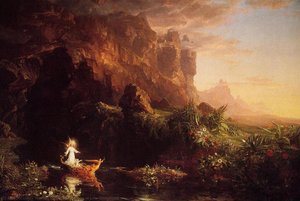
Cross at Sunset
 Acrílico sobre lienzo
- Arte de pared
- Hudson River School
 Siglo XIX
 32.0 x 48.0 cm
 Museo Nacional Thyssen-Bornemisza
 Ver más
Reproducción al óleo hecha a mano
Óleo sobre lienzo pintado a mano en el tamaño y marco de su elección, realizado por encargo por nuestros artistas. ( Comprar impresión Comprar imagen)




P118B $10

P118H $10

P118W $10

P438Z $10

P508JH $12

P508YH $12

P805H $10

P805Z $10

P919BZ $10

P919G $10

P919XJ $10

P959ZH $10

P968JZ $12

W106C $8

W218G $10

W218JH $8

W218Y $10

W307PJ $10

W316G $10

W316PJ $8

W316Y $10

W398PJ $8

W4111J $10

W500HY $15

W500JH $15

W692G $12

W849H $8

W940BG $15

W953PJ $8




Elija entre nuestros tamaños predefinidos que respetan las proporciones originales de la obra.

Puede ingresar sus propias dimensiones para adaptarse a un marco o espacio específico. Si el tamaño seleccionado no coincide con las proporciones de la imagen original, recortaremos la obra o extenderemos la pintura con elementos adicionales pintados a mano. Se le enviará una maqueta digital para su aprobación antes de comenzar la producción.
Tenga en cuenta que la vista previa en pantalla no refleja el recorte o la extensión reales. Solo la maqueta mostrará con precisión la composición final.
Si bien existen tamaños personalizados, recomendamos seleccionar una dimensión de la lista predefinida para preservar las proporciones originales.
Tras realizar el pedido, el equipo de OriginalUniqueArt.com enviará un correo electrónico al cliente para solicitar instrucciones y proporcionarle una vista previa del boceto.
Envío a todo el mundo () en 3-4 semanas en lugar de las 5 semanas estándar. (6 septiembre). Sin comprometer la calidad.

Envío exprés gratuito a todo el mundo

Lienzo de lino de alta calidad

Seguro de envío total

Garantía de reembolso de impuestos aduaneros

Garantía de fidelidad cromática exacta

Política de devolución de 100 días (solo por defectos)

Garantía de devolución del 100% del dinero

Descuento por cantidad
 La opción de vidrio solo está disponible en tamaños inferiores a 110 cm.

Cross at Sunset
Técnica de reproducción
Dimensiones de la reproducción
-


Precio total final
$ 300
The Genesis of a Masterpiece: Thomas Cole and the Hudson River School
Thomas Cole’s “Cross at Sunset” isn't merely a depiction of a landscape; it’s a profound meditation on faith, mortality, and the sublime beauty of nature – a cornerstone of the American artistic movement known as the Hudson River School. Born in Bolton le Moors, England, in 1801, Cole’s journey to America marked a pivotal shift not just geographically but artistically. Initially working as a portrait painter, he found his true calling in capturing the untamed spirit of the nascent United States, rejecting the rigid conventions of European art and forging a distinctly American style rooted in observation and spiritual resonance. This painting, created around 1848 – tragically unfinished due to Cole’s untimely death – exemplifies this shift, showcasing a masterful blend of Romanticism and burgeoning national identity.

A Composition Steeped in Symbolism
The painting immediately commands attention with its dramatic composition, a carefully orchestrated interplay of light and shadow that evokes both awe and contemplation. Dominating the foreground is a prominent cross, rendered not as a symbol of institutional religion but as an emblem of redemption and spiritual aspiration. Its radiant glow seems to emanate outwards, illuminating the surrounding landscape. Behind this central motif lies a serene valley, receding into the distance beneath towering mountains – a classic Hudson River School trope representing the vastness and power of nature. A solitary bell tower rises in the left foreground, hinting at a monastic presence and adding another layer of symbolic depth. Cole masterfully employs atmospheric perspective, creating a sense of immense scale and drawing the viewer’s eye into the heart of the scene.
The Language of Light: Technique and Atmosphere
Cole's technical skill is evident in his nuanced handling of light and color. He utilizes a muted palette – earthy browns, deep greens, and fiery oranges – to create a sense of realism while simultaneously imbuing the scene with an ethereal quality. The sunset itself is not simply a backdrop; it’s a dynamic force, casting long shadows and bathing the landscape in a warm, golden glow. The artist's meticulous attention to detail—the texture of the rocks, the delicate branches of the trees, the subtle variations in color—contributes significantly to the painting’s immersive quality. Cole was deeply influenced by the writings of Ralph Waldo Emerson and Henry David Thoreau, whose philosophies of transcendentalism emphasized the importance of direct experience with nature as a path to spiritual enlightenment – principles that are powerfully reflected in his work.
A Legacy of Spiritual Landscape
“Cross at Sunset” stands as a testament to Cole’s profound connection between art and spirituality. It's more than just a beautiful landscape; it’s an invitation to contemplate the mysteries of existence, to find solace in nature, and to recognize the divine presence within both the natural world and the human soul. The painting’s unfinished state only adds to its mystique, suggesting that Cole was still grappling with these profound themes at the time of his death. Today, it resides in the Thyssen-Bornemisza Museum in Madrid, a poignant reminder of an artist who forever changed the course of American art and continues to inspire generations of viewers.
Biografía del artista
Primeros años y carrera
Thomas Cole, un artista de origen británico-estadounidense, nació el 1 de febrero de 1801 en Bolton le Moors, Lancashire. En 1818, emigró con su familia a los Estados Unidos, estableciéndose en Steubenville, Ohio. A la edad de 22 años, Cole se mudó a Filadelfia y posteriormente, en 1825, a Catskill, Nueva York, donde vivió con su esposa e hijos hasta 1847.Estilo artístico e influencias
El trabajo de Cole se caracteriza por su representación romántica del paisaje salvaje americano. Fue en gran medida autodidacta como pintor, basándose en libros y estudiando la obra de otros artistas. En 1822, comenzó a trabajar como retratista y luego cambió su enfoque hacia el paisaje. Sus pinturas a menudo presentaban la Catskill Mountain House, las famosas Kaaterskill Falls y dos vistas de Cold Spring.Obras destacadas
- El curso del imperio, una serie de cinco pinturas creadas por Cole entre 1833 y 1836, es notable por reflejar los sentimientos populares americanos de la época.
- Una vista desde el monte Etna desde Taormina (78x120 pulgadas de óleo sobre lienzo) muestra la fascinación de Cole por el volcán activo más alto de Europa.
- El Oxbow (1836), que presenta un paisaje sereno, es otro ejemplo de la maestría de Cole en la pintura de paisajes.
Legado e influencia
La influencia de Cole en el arte americano es profunda. Es considerado como el fundador de la Escuela del Río Hudson, un movimiento artístico estadounidense a mediados del siglo XIX que surgió en el valle del río Hudson de Nueva York. Su trabajo ha inspirado a generaciones de artistas, incluyendo a Asher B. Durand y Frederic Edwin Church. Lecturas recomendadas: * La Escuela del Río Hudson * Thomas Cole en Wikipedia Vea más obras de Thomas Cole: Frederic Edwin Church’s Schoodic Peninsula from Mount Desert at Sunrise (para comparar con el estilo de Cole) Winslow Homer's Canoes in Rapids, Saguenay River (ejemplo de otro pintor paisajista americano)
Thomas Cole
1801 - 1848 , Reino Unido
Datos clave
- Artistas Que Influyeron: ['Otros artistas (auto-didacta)']
- Estilo Artístico: Romanticismo, Hudson River School
- Fecha De Fallecimiento: 1848
- Fecha De Nacimiento: 1 de febrero de 1801
- Influenciado A:
- Asher B. Durand
- Frederic Edwin Church
- Lugar De Nacimiento: Bolton, Reino Unido
- Nacionalidad: Británico-estadounidense
- Nombre Completo: Thomas Cole
- Obras Notables:
- El Curso del Imperio
- Una Vista desde el Etna
- El Oxbow
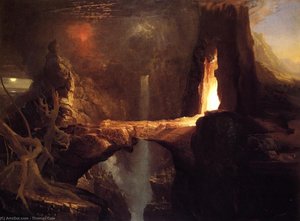
- Expulsión. Luna y Fogata
Artículos relacionados

Paisajes Románticos: 10 Obras Maestras que Definieron un Movimiento Artístico
Descubre los 10 paisajes románticos más influyentes de artistas como Caspar David Friedrich y Turner. Explora la belleza, el simbolismo y las técnicas del movimiento romántico. Reproducciones de arte exclusivas en OriginalUniqueArt.com.

John Constable: Las 25 Obras Maestras del Paisaje Inglés | OriginalUniqueArt
Descubre las 25 obras maestras de John Constable, el pintor romántico inglés que capturó la belleza del paisaje. Explora su técnica, historia y significado en OriginalUniqueArt.com. Reproducciones de arte de alta calidad para tu hogar.

Evocations of Place: A Historical Journey Through Landscape Art
Explore the rich history of landscape art with OriginalUniqueArt. Discover renowned artists, movements like Impressionism & Romanticism, and expert guidance for collecting timeless pieces. Find your perfect serene escape today!

El Sublime y lo Pintoresco: Explorando la Emoción y la Naturaleza en la Pintura Romántica de Paisaje
Explora la profunda conexión entre el arte romántico y la naturaleza. Descubre a Caspar David Friedrich, John Constable y otros maestros del sublime y lo pintoresco. Análisis experto e historia del movimiento.

Golden Hour Magic: Capturing the Ethereal Beauty of Sunset Landscapes in Fine Art
Embark on a visual journey through the golden hour. Discover how master painters capture the ethereal glow of sunsets, from Monet's Impressionism to the Hudson River School. Explore timeless techniques and bring the magic of twilight into your home with exquisite fine art reproductions.