

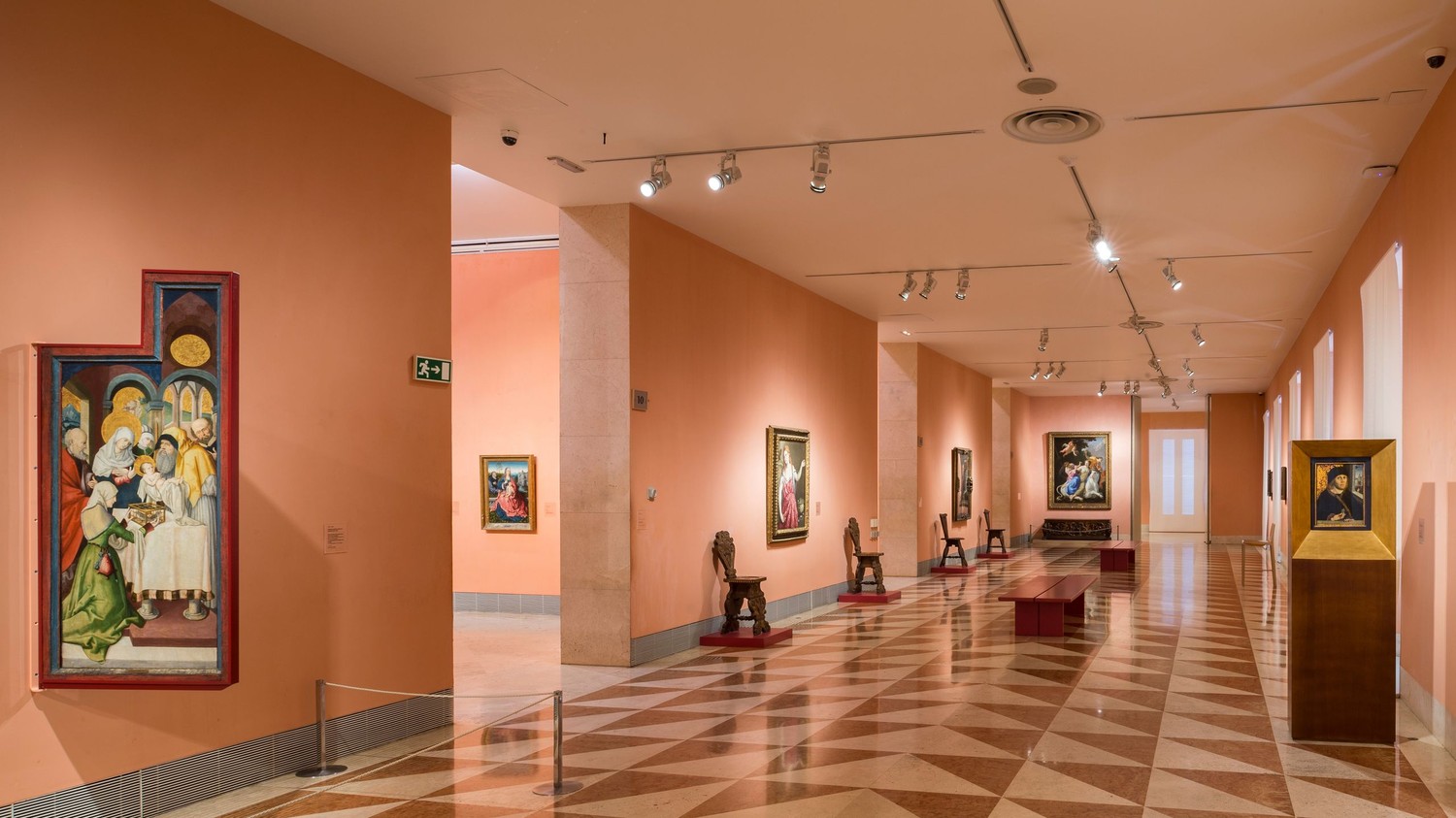
Unveiling a Legacy: The Thyssen-Bornemisza Museum in Madrid
Nestled within the vibrant heart of Madrid, where the echoes of Velázquez’s brushstrokes mingle with the revolutionary spirit of Picasso, lies the Thyssen-Bornemisza National Museum – an institution that transcends mere collection and embodies a profound dedication to European artistic heritage. More than simply housing masterpieces, it represents a deliberate act of preservation, a passionate defense against the ravages of exile following World War I, and a testament to the discerning eye of Heinrich Baron Thyssen-Bornemisza. The museum’s story isn't rooted solely in Spain; its genesis lies in Lugano, Switzerland, where the Baron embarked on an ambitious quest – a meticulously curated journey to assemble a collection that would encompass the entirety of European artistic achievement, safeguarding it within Europe’s borders as a vital counterweight to transatlantic dispersal.
Heinrich Thyssen-Bornemisza, driven by an almost obsessive desire for completeness, tirelessly pursued works spanning centuries and stylistic movements. His vision wasn't limited to any single era or nation; instead, he sought a tapestry of artistic expression, from the shimmering Byzantine icons hinting at ancient mysteries – their gold leaf reflecting forgotten rituals – to the bold Surrealist sculptures challenging conventional forms, and crucially, the groundbreaking canvases of Pablo Picasso, whose innovative spirit profoundly shaped the museum’s identity. The relocation to Madrid in 1943 wasn't merely a logistical shift; it was a deliberate act of commitment, a desire to share this extraordinary inheritance with Spain and foster a deeper appreciation for art on a global scale. This strategic move solidified the museum’s place within the “Golden Triangle of Art,” creating a synergistic experience for visitors exploring these three iconic institutions – the Prado, the Reina Sofía, and the Thyssen-Bornemisza itself.
A Palace of Reflection: Architectural Harmony
The Thyssen-Bornemisza resides within a beautifully restored neoclassical palace, originally conceived as a royal residence for Alfonso XIII and his family. This magnificent building, designed by Narciso III Ortiz y Montenegro, stands as a harmonious counterpoint to the more modern structures surrounding it, offering visitors an immediate sense of serenity and grandeur. The soaring ceilings, adorned with intricate stucco decorations depicting mythological scenes and allegorical figures, create an atmosphere of refined elegance. Expansive windows flood the galleries with natural light, illuminating the artworks within and fostering a contemplative environment perfectly suited for appreciating their beauty and complexity. The proportions are meticulously considered, reflecting a deep understanding of classical aesthetics – a subtle yet powerful reminder of the enduring influence of artistic tradition. The integration with Parque del Buen Retiro, Madrid’s beloved green space, further enhances the experience, providing a tranquil backdrop and panoramic views that complement the art within, creating a seamless connection between interior beauty and natural splendor.
A Chronological Journey Through European Art
Stepping into the Thyssen-Bornemisza is akin to embarking on a chronological journey through the evolution of European painting. The collection begins with early Renaissance works – delicate beauty and spiritual depth exemplified by Duccio’s ethereal “La Madone of the Rosary” and Luca di Tommè's luminous depictions of religious scenes. This progression continues through the vibrant hues of the Italian Primitives: Giotto, Masaccio, Botticelli, and Bellini, offering a profound insight into the foundations of Western art – their mastery of perspective and color laying the groundwork for generations to come. A significant section is dedicated to Dutch Masters – Rembrandt’s dramatic portraits and self-portraits, imbued with psychological intensity, alongside Vermeer's enigmatic landscapes and Hals' lively group scenes, revealing the nuances of light and color that defined this pivotal artistic period. The Spanish Masters showcase Goya’s later works, including his iconic “Saturn” series, providing a glimpse into the artist’s turbulent life and artistic vision – from the serene beauty of his early portraits to the dark, unsettling imagery of his mature works. Finally, the museum culminates in its impressive holdings of Impressionist and Post-Impressionist art – featuring Monet's luminous landscapes capturing fleeting moments of light, Renoir’s intimate portraits brimming with warmth and charm, Degas’ captivating dancers frozen in graceful motion, and Van Gogh’s emotionally charged brushstrokes conveying a profound sense of feeling.
Beyond the Permanent Collection: A Dynamic Experience
What truly distinguishes the Thyssen-Bornemisza is its remarkable ability to complement and enrich the collections of the Prado and Reina Sofía, creating a synergistic experience for visitors exploring these three iconic institutions. While the Prado champions Spanish artistic tradition – showcasing the mastery of Velázquez, Goya, and El Greco – and the Reina Sofía celebrates modern innovation with Picasso’s “Guernica” and Warhol’s vibrant prints, the Thyssen fills historical gaps with an astonishing breadth of European painting. The museum is renowned for its dynamic programming of exhibitions that delve into specific themes and artists, fostering intellectual engagement and broadening perspectives on art history. These temporary exhibits often draw upon international collaborations, ensuring that visitors encounter cutting-edge scholarship and innovative interpretations – a testament to the museum’s commitment to remaining relevant in an ever-evolving cultural landscape. Notably, the ongoing loan of Carmen Cervera’s personal collection further expands the museum's offerings, guaranteeing its continued appeal for generations to come.
Highlights & Artistic Treasures
- Early Renaissance: A stunning array of works by Duccio, Fra Angelico, and Piero della Francesca, showcasing the delicate beauty and spiritual depth of this era.
- Italian Primitives: Masterpieces by Giotto, Masaccio, Botticelli, and Bellini, offering a profound insight into the foundations of Western art.
- Dutch Masters: Rembrandt’s dramatic portraits and self-portraits, alongside works by Vermeer, Hals, and Frans Hals, revealing the nuances of light and color.
- Spanish Masters: A significant collection of Goya's later works, including his iconic “Saturn” series, providing a glimpse into the artist’s turbulent life and artistic vision.
- Impressionist & Post-Impressionist: Featuring Monet’s luminous landscapes, Renoir’s intimate portraits, Degas’ captivating dancers, and Van Gogh’s emotionally charged brushstrokes – showcasing the revolutionary techniques and emotional intensity of these movements.
The Thyssen-Bornemisza Museum stands as a vibrant testament to the power of art and the enduring legacy of one man's passionate pursuit of beauty.