
 Vista previa
 Compartir
 Compartir
 Ver detalles
 Guía
Guía

 Descargar
 Ver artículos similares
 Radiografía
 Presentación de diapositivas
 Estadísticas
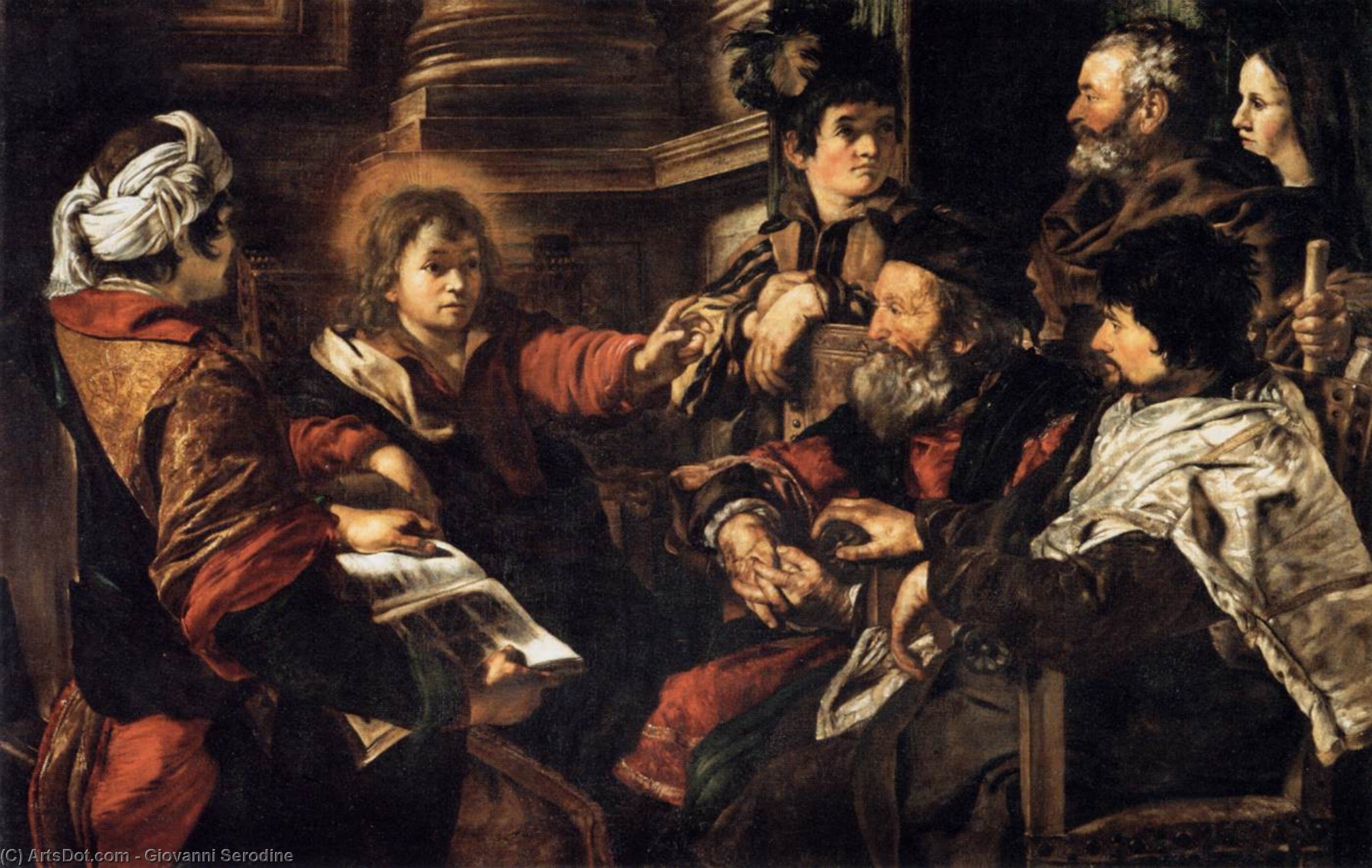
Christ among the Doctors
 Acrylic On Canvas
- WallArt
- Caravaggist Style
 1625
1625 145.0 x 224.0 cm
 Museo del Louvre
 Leer más
Giclée / Impresión de arte
Impresiones giclée o en lienzo de calidad de museo con producción rápida y opciones de acabado flexibles. ( Encargar reproducción pintada a mano Ver versión en imagen digital)




P118B $10

P118H $10

P118W $10

P438Z $10

P508JH $12

P508YH $12

P805H $10

P805Z $10

P919BZ $10

P919G $10

P919XJ $10

P959ZH $10

P968JZ $12

W106C $8

W218G $10

W218JH $8

W218Y $10

W307PJ $10

W316G $10

W316PJ $8

W316Y $10

W398PJ $8

W4111J $10

W500HY $15

W500JH $15

W692G $12

W849H $8

W940BG $15

W953PJ $8




Elija entre nuestros tamaños predefinidos que respetan las proporciones originales de la obra.

Puede introducir sus propias dimensiones para adaptarse a un marco o espacio específico. Si el tamaño seleccionado no coincide con las proporciones de la imagen original, recortaremos la obra de arte o extenderemos la imagen con un borde con efecto espejo o de color sólido. Se enviará una maqueta digital para su aprobación antes de que comience la producción.
Tenga en cuenta que la vista previa en pantalla no refleja el recorte o la extensión real. Solo la maqueta mostrará con precisión la composición final.
Aunque existen tamaños personalizados, recomendamos seleccionar una dimensión de la lista predefinida para preservar las proporciones originales.
Envío a todo el mundo () en 2 semanas en lugar de las 4/5 semanas estándar. (27 septiembre)

Envío exprés gratuito a todo el mundo

Lienzo de lino de alta calidad

Seguro de envío completo

Garantía de reembolso de impuestos aduaneros

Garantía de fidelidad cromática exacta

Política de devolución de 100 días (solo por defectos)

Garantía de devolución del 100% del dinero

Oferta por volumen
 La opción de vidrio solo está disponible en tamaños inferiores a 110 cm.

Christ among the Doctors
Giclée / Impresión de arte
Tamaño de la reproducción
-


Precio total
$ 80
The Serene Wisdom: Giovanni Serodine’s “Christ Among the Doctors”
Giovanni Serodine's "Christ Among the Doctors," painted in 1625, is not merely a religious scene; it’s a carefully constructed tableau of intellectual and spiritual engagement. This captivating work, now housed within the Louvre Museum, offers a rare glimpse into the burgeoning Baroque aesthetic in Rome – a style characterized by dramatic contrasts of light and shadow, intense emotion, and a profound reverence for biblical narratives. Serodine, a Swiss-Italian painter who spent much of his career in Italy, masterfully blended the dynamism of Caravaggism with a distinctly Northern European sensibility, creating an image that is both powerfully emotive and meticulously detailed.
The painting depicts a pivotal moment from Luke’s Gospel: Jesus, still a young boy, surrounded by a gathering of learned men – doctors of the law – engaged in spirited debate. Rather than presenting a simple portrait of piety, Serodine captures the very essence of intellectual discourse. The figures are not static; they are actively involved, their gestures and expressions conveying a sense of urgency and profound concentration. Notice how Jesus, youthful yet radiating an aura of authority, is surrounded by these older men, some reaching out to touch his face or hands in awe and respect. The composition isn’t about a single, grand gesture but rather the cumulative effect of numerous small interactions – a subtle nod, a raised hand, a questioning glance – all contributing to the vibrant energy of the scene.
A Masterclass in Caravaggist Technique
Serodine's artistic approach is deeply rooted in the principles of Caravaggism. The artist employs *tenebrismo*, a technique that dramatically contrasts areas of intense light with deep shadows, creating a heightened sense of drama and focusing attention on key elements within the composition. The figures are bathed in a warm, golden light emanating from an unseen source, while the background recedes into a shadowy obscurity. This chiaroscuro effect not only adds visual interest but also serves to emphasize Jesus’s central role as the focal point of the scene.
Furthermore, Serodine's brushwork is remarkably loose and expressive, particularly evident in the rendering of the figures’ clothing and hands. He eschews meticulous detail in favor of capturing a sense of movement and immediacy. The textures of the robes are suggested through rapid, broken strokes, while the hands – constantly gesturing and interacting – are rendered with remarkable sensitivity and realism. This technique, combined with his use of warm earth tones and subtle gradations of color, creates a remarkably lifelike and engaging image.
Symbolism and Historical Context
Beyond its technical brilliance, “Christ Among the Doctors” is rich in symbolic meaning. The scene itself represents the beginning of Jesus’s public ministry – his engagement with Jewish law and tradition. The doctors surrounding him are not simply scholars; they embody the established religious authorities of the time. By depicting Jesus interacting with them, Serodine subtly suggests his future role as a revolutionary figure who will challenge conventional interpretations of scripture and ultimately offer a new path to spiritual understanding.
Painted in 1625 during the Counter-Reformation, this work reflects the Catholic Church’s desire to engage the faithful through emotionally resonant art. The scene is intended to inspire contemplation on themes of faith, knowledge, and divine wisdom. The inclusion of figures dressed formally – some even wearing ties, a detail that hints at the painting's relatively recent creation – suggests a deliberate attempt to portray a contemporary setting, making the biblical narrative more accessible and relatable to viewers.
A Timeless Portrait of Wisdom
“Christ Among the Doctors” is a testament to Giovanni Serodine’s artistic skill and his ability to capture the complexities of human interaction within a sacred context. It's a painting that rewards careful observation, inviting viewers to contemplate not only the biblical story it depicts but also the enduring themes of knowledge, faith, and the pursuit of wisdom. Today, this masterpiece continues to captivate audiences with its dramatic lighting, dynamic composition, and profound emotional impact – a timeless reminder of the power of art to illuminate the human spirit.
Biografía del artista
Giovanni Serodine: Vida y Legado
Primeros años y desarrollo artístico
Giovanni Serodine, pintor suizo-italiano, nació en el año 1600 en Ascona, en el Cantón del Tesino, Suiza. Su familia era reconocida por su destreza en el trabajo de estuco, una forma de arte que, de manera inadvertida, sentó las bases para sus futuras aspiraciones artísticas. Esta temprana exposición a las artes decorativas probablemente fomentó en Serodine su agudo ojo para el detalle y la composición.
El viaje artístico de Serodine comenzó verdaderamente en Roma, donde desarrolló una expresión única del estilo caravaggista. En la Ciudad Eterna, abrazó el uso dramático de la luz y la sombra —conocido como tenebrismo— y las pincelidades sueltas que caracterizaban a este influyente movimiento.
Estilo artístico e influencias
La obra de Serodine estuvo profundamente influenciada por los caravaggistas del norte, particularmente por artistas como Lys, Strozzi y Fetti, quienes trabajaban activamente en Venecia. Estos maestros inspiraron sus composiciones dramáticas y su intensa emocionalidad.
- Caravaggismo: Serodine adoptó los fuertes contrastes de luces y sombras, las representaciones realistas de las figuras y el enfoque en la vida cotidiana, elementos característicos de los seguidores de Caravaggio.
- Tenebrismo: El uso de una iluminación dramática para crear una sensación de tensión y resaltar elementos clave dentro de sus pinturas es fundamental en su estilo.
Sin embargo, a pesar de estas influencias, los lienzos de Serodine a menudo exhibían una excentricidad provincial, como se puede apreciar en su Coronación de la Virgen en Ascona. Esta cualidad única lo distingue de los caravaggistas más estrictamente ortodoxos.
Obras notables y logros
Aunque su carrera fue trágicamente breve, Serodine produjo una serie de obras significativas que demuestran su talento y visión artística:
- Jesús entre los maestros (Louvre): Una representación cautivadora que muestra el dominio de Serodine sobre la composición y la iluminación dramática.
- Jesús y el tributo (National Gallery of Scotland): Demuestra su habilidad en la pintura narrativa y su atención al detalle.
- San Lorenzo distribuyendo limosnas (Convento de Valvisciolo en Sermoneta): Un poderoso retrato de compasión y devoción religiosa.
- Decapitación de San Juan Bautista (San Lorenzo fuori le mura): Exhibe su capacidad para transmitir una emoción intensa a través de imágenes dramáticas.
- San Miguel (originalmente San Pietro in Montorio): Una representación dinámica y vigorosa del arcángel.
- Retrato de su padre (Lugano): Ofrece una mirada íntima a la vida personal de Serodine y su destreza en el retrato.
Significado histórico y legado
A pesar de las dificultades para asegurar un mecenazgo constante y reconocimiento durante su vida, Giovanni Serodine dejó tras de sí un cuerpo de obra que es cada vez más apreciado por su mezcla única de principios caravaggistas y características regionales. Su arte proporciona una visión valiosa del panorama artístico de la Suiza e Italia del siglo XVII.
Las pinturas de Serodine están marcadas por una gran vivacidad y profundidad emocional, lo que lo convierte en una figura significativa en el contexto más amplio del arte barroco. Aunque no fue tan ampliamente celebrado como algunos de sus contemporáneos, sus contribuciones continúan siendo estudiadas y admiradas tanto por historiadores del arte como por entusiastas de la disciplina.

Giovanni Serodine
1594 - 1630 , Suiza
Datos clave
- Artistic Movement Or Style: Caravaggismo
- Artists Who Influenced This Artist:
- Lys
- Strozzi
- Fetti
- Date Of Birth: 1600
- Full Name: Giovanni Serodine
- Nationality: Italiano-Suizo
- Notable Artworks:
- Jesús Entre los Maestros
- Jesús y el dinero del tributo
- San Lorenzo Fuori le Mure
- Decapitación de San Juan Bautista
- Place Of Birth: Ascona, Suiza
Artículos relacionados

Drama Barroca: Llevando la Grandeza y la Emoción a los Interiores Contemporáneos
Descubre cómo el drama y la grandeza del arte barroco pueden transformar tus interiores. Guía experta, inspiración y reproducciones de alta calidad en .

Baroque Classicism: The Grandeur of Order and Drama in 17th-Century Art History
Explore the profound elegance of Baroque Classicism. Discover how 17th-century masters synthesized dramatic emotion with classical order through the lens of the Counter-Reformation and the works of legends like Carlo Maratta and Andrea Sacchi.

Barroco Sublime: 10 Obras Maestras que Definieron una Época |
Descubre las 10 obras maestras del Barroco que marcaron una época. Caravaggio, Bernini y Velázquez cobran vida en . Reproducciones de arte de calidad museo para decorar tu hogar con elegancia. ¡Explora la colección online!

The Visceral Stage: Exploring Dramatic Narratives & Emotional Intensity in Baroque Art
Explore the dramatic world of Baroque art! Discover iconic masters like Caravaggio & Rembrandt, their techniques, and the movement's lasting impact. Expert insights for collectors & enthusiasts at OriginalUniqueArt.

The Dramatic Flourish: Exploring the Baroque Movement's Enduring Legacy in Art History
Explore the dramatic world of Baroque art! Discover iconic artists like Caravaggio & Rubens, defining techniques, and its lasting impact on art history. Expert insights for collectors & enthusiasts at OriginalUniqueArt.
