Vista previa
 Compartir
 Compartir
 Ver detalles
 Guía
Guía

 Descargar
 Ver artículos similares
 Radiografía
 Presentación de diapositivas
 Estadísticas
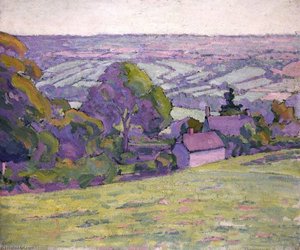
Devonshire Valley, No. 2
 Oil On Canvas
- WallArt
- Camden Town Group
 1913
1913- Modern
 48.0 x 58.0 cm
 Leer más
Reproducción al óleo hecha a mano
Óleo sobre lienzo pintado a mano en el tamaño y marco de su elección, realizado por encargo por nuestros artistas. ( Cambiar a formato impreso Ver versión en imagen digital)




P118B €10

P118H €10

P118W €10

P438Z €10

P508JH €12

P508YH €12

P805H €10

P805Z €10

P919BZ €10

P919G €10

P919XJ €10

P959ZH €10

P968JZ €12

W106C €8

W218G €10

W218JH €8

W218Y €10

W307PJ €10

W316G €10

W316PJ €8

W316Y €10

W398PJ €8

W4111J €10

W500HY €15

W500JH €15

W692G €12

W849H €8

W940BG €15

W953PJ €8




Elija entre nuestros tamaños predefinidos que respetan las proporciones originales de la obra.

Puede ingresar sus propias dimensiones para adaptarse a un marco o espacio específico. Si el tamaño seleccionado no coincide con las proporciones de la imagen original, recortaremos la obra o extenderemos la pintura con elementos adicionales pintados a mano. Se le enviará una maqueta digital para su aprobación antes de comenzar la producción.
Tenga en cuenta que la vista previa en pantalla no refleja el recorte o la extensión reales. Solo la maqueta mostrará con precisión la composición final.
Si bien existen tamaños personalizados, recomendamos seleccionar una dimensión de la lista predefinida para preservar las proporciones originales.
Tras realizar el pedido, el equipo de OriginalUniqueArt.com enviará un correo electrónico al cliente para solicitar instrucciones y proporcionarle una vista previa del boceto.
Envío a todo el mundo () en 3-4 semanas en lugar de las 5 semanas estándar. (13 octubre). Sin comprometer la calidad.

Envío exprés gratuito a todo el mundo

Lienzo de lino de alta calidad

Seguro de envío completo

Garantía de reembolso de impuestos aduaneros

Garantía de fidelidad cromática exacta

Política de devolución de 100 días (solo por defectos)

Garantía de devolución del 100% del dinero

Oferta por volumen
 La opción de vidrio solo está disponible en tamaños inferiores a 110 cm.

Devonshire Valley, No. 2
Técnica de reproducción
Tamaño de la reproducción
-


Precio total
€ 259
A Window into the English Pastoral: The Soul of Devonshire Valley
In the quietude of 1913, just before the world was irrevocably altered by the shadows of the Great War, Robert Polhill Bevan captured a moment of profound serenity in Devonshire Valley, No. 2. This exquisite oil on canvas serves as more than a mere landscape; it is an evocative portal into a lost era of English tranquility. The painting presents a sweeping, panoramic vista of a verdant valley, where rolling hills meet a sky painted in soft, atmospheric tones. At the heart of this pastoral dream lies a small stone cottage, its pink-hued roof nestled intimately among a cluster of dark, expressive trees. As the eye wanders through the composition, one encounters the gentle rhythm of the countryside—a church steeple rising subtly above the rooftops and the distant silhouette of a windmill, standing as a silent sentinel of rural industry and tradition.
The emotional resonance of the piece lies in its ability to balance solitude with a sense of warmth. While the vastness of the valley might suggest a lonely expanse, the presence of human habitation—the houses adorned with red roofs and the inviting glow of the cottage—infuses the scene with a comforting vitality. There is a palpable sense of peace, an invitation to pause and breathe in the stillness of the meadows. For the collector or the interior designer, this artwork offers a sanctuary of calm, making it an ideal centerpiece for spaces designed for reflection, relaxation, and the celebration of natural beauty.
Mastery of Color and the Modernist Touch
Technically, Devonshire Valley, No. 2 is a masterclass in the application of color and texture, reflecting Bevan’s pivotal role within the Camden Town Group. Moving away from the strictures of traditional representational art, Bevan embraced a more modernist, almost Fauvist approach to the landscape. The palette is strikingly bold; deep purelish blues and vibrant greens interweave to create an atmospheric depth that feels both tactile and dreamlike. The artist utilizes a heavy impasto technique, particularly in the foliage and the cottage walls, where thick, visible brushstrokes catch the light and lend a sculptural quality to the canvas.
This emphasis on texture and color over precise line work allows the landscape to breathe with an organic energy. The lighting appears diffused, as if filtered through a soft English mist, which softens the edges of the world and blends the distant hills into the pale sky. This technique creates a flattened perspective that is characteristic of plein air painting, drawing the viewer not just to look at the scene, but to feel the very atmosphere of the valley. The interplay between the intense, saturated hues and the more muted, atmospheric tones ensures that the painting remains visually dynamic from every angle.
A Legacy of Innovation and Timeless Appeal
To understand this work is to understand a turning point in British art history. As a pioneer of modernism, Bevan’s ability to synthesize the light-filled traditions of Impressionism with the bold, simplified forms of the early 20th century makes this piece a significant historical document. It captures the essence of a landscape untouched by the ravages of industrial upheaval or war, preserving a nostalgic vision of the English countryside that continues to captivate contemporary audiences.
For those seeking to adorn their homes with art that possesses both historical weight and aesthetic grace, a high-quality reproduction of this masterpiece offers an unparalleled opportunity. Whether placed in a sunlit library or a sophisticated modern living space, Devonshire Valley, No. 2 brings with it a sense of enduring elegance and a profound connection to the beauty of the natural world. It is an investment in atmosphere, a piece that does not merely decorate a wall but enriches the very spirit of a room.
Preguntas y respuestas
¿Quién creó "Devonshire Valley, No. 2" y a qué estilo pertenece?
Detrás de "Devonshire Valley, No. 2" se encuentran Robert Polhill Bevan y el movimiento Camden Town Group.
¿Puedo ver "Devonshire Valley, No. 2" de Robert Polhill Bevan en mi propia pared antes de comprarlo?
La página de Vista previa AR de "Devonshire Valley, No. 2" de Robert Polhill Bevan utiliza realidad aumentada para mostrar la obra en su propio espacio, mediante un dispositivo compatible.
¿Cuál es el formato y las dimensiones de "Devonshire Valley, No. 2"?
"Devonshire Valley, No. 2" de Robert Polhill Bevan es una composición en Landscape que mide 48 x 58 cm en su formato original.
¿Puedo ver una vista de rayos X de "Devonshire Valley, No. 2" de Robert Polhill Bevan?
La página Rayos X de "Devonshire Valley, No. 2" de Robert Polhill Bevan es un visor interactivo que permite desplazarse a través de once capas ópticas de la imagen de la obra, incluyendo una vista de estilo radiografía.
¿Qué técnica y dimensiones tiene la obra original "Devonshire Valley, No. 2" de Robert Polhill Bevan?
"Devonshire Valley, No. 2" fue realizada en Oil On Canvas y mide 48 x 58 cm en su formato original.
¿A qué etapa de la carrera de Robert Polhill Bevan pertenece "Devonshire Valley, No. 2"?
"Devonshire Valley, No. 2" representa el Mature Period de Robert Polhill Bevan.
¿Qué armonía cromática presenta "Devonshire Valley, No. 2" de Robert Polhill Bevan?
La armonía cromática de "Devonshire Valley, No. 2" se describe como Discordant Palette.
¿Cómo equilibra la luz y la sombra "Devonshire Valley, No. 2"?
Los valores registrados para "Devonshire Valley, No. 2" de Robert Polhill Bevan son: brilliant de brillo y Bright Balance de luminancia.
Biografía del artista
Primeros Años y Formación Artística
- Nacimiento: Hove, Reino Unido (1865)
- Fallecimiento: 1925
- Antecedentes Familiares: Robert Polhill Bevan nació en una familia cuáquera con conexiones bancarias. Sus padres fueron Richard Alexander Bevan y Laura Maria Polhill.
- Educación Temprana: Estudió en la Escuela de Arte Westminster bajo la tutela de Fred Brown. Posteriormente, asistió a la Academia Julian en París donde conoció a artistas influyentes como Paul Sérusier, Pierre Bonnard, Édouard Vuillard y Maurice Denis.
- Influencia de Bretaña: Los viajes tempranos a Bretaña (1890 y 1891) impactaron significativamente su desarrollo artístico, especialmente a través de la exposición al estilo Pont-Aven.
Desarrollo Artístico e Influencias
- Estilo Temprano: El trabajo temprano de Bevan mostró influencias del sintetismo, evidente en sus dibujos y grabados de su tiempo en Bretaña.
- Fauvismo: Alrededor de 1904, Bevan experimentó con el color puro, demostrando un enfoque proto-fauvista que estaba por delante de muchos artistas británicos de la época. Su pintura "Patio" se considera un ejemplo temprano de este estilo.
- Divisionismo/Puntillismo: Más tarde, adoptó una técnica divisionista o puntillista, como se ve en obras como "Arando en las Colinas" y "El Arado de Maíz".
- Influencias Clave: Influencias significativas incluyeron a Paul Gauguin (evidente en su uso del color) y maestros anteriores como Velázquez y Goya. También reconoció la guía de Renoir al dibujar caballos.
Afiliaciones y Círculos Artísticos
- Grupo Camden Town: Bevan fue un miembro fundador del Grupo Camden Town, un colectivo de artistas que buscaban representar la vida urbana moderna.
- London Group: También perteneció al London Group, otra organización artística progresista.
- Grupo Cumberland Market: Demostrando aún más su compromiso con los movimientos artísticos contemporáneos, Bevan formó parte del Grupo Cumberland Market.
- Asociación con Walter Sickert: En 1908, se unió al grupo de Fitzroy Street de Walter Sickert, donde recibió ánimo para centrarse en temas cotidianos.
- Asociación de Artistas Aliados: Participó en la primera exposición de la Asociación de Artistas Aliados en 1908, que proporcionó una plataforma para artistas progresistas y lo introdujo a Wassily Kandinsky.
Obras Principales y Temas
- Paisajes: Bevan es conocido principalmente por sus paisajes de Sussex y Bretaña, a menudo representando escenas rurales con colores vibrantes y pinceladas expresivas. Ejemplos incluyen "En las Colinas cerca de Lewes", "El Castaño" y "Paisaje en las Colinas Negras, Devon".
- Retratos: Creó retratos, incluyendo una notable representación de su esposa, Stanislawa Bevan (née de Karłowska).
- Escenas Urbanas: Su trabajo también incluyó representaciones de la vida urbana, como pinturas que documentan el declive del comercio de carruajes tirados por caballos ("El Caballo de Carreta").
- Pinturas Notables: Otras obras significativas incluyen "Queen's Grove, St John's Wood", "La Granja" y “Rosemary la vallée”.
Legado y Significado Histórico
- Pionero del Arte Británico Moderno: Robert Polhill Bevan es reconocido como un pionero del arte británico moderno, particularmente por su temprana adopción de principios fauvistas.
- Influencia en el Uso del Color: Fue uno de los primeros artistas británicos en utilizar el color puro de manera significativa, influyendo en generaciones posteriores de pintores.
- Contribución al Grupo Camden Town: Su participación en el Grupo Camden Town ayudó a dar forma al desarrollo del arte moderno en Gran Bretaña.
- Exposición Retrospectiva: Una exposición retrospectiva en Colnaghi's en 1961 destacó sus contribuciones y solidificó su lugar en la historia del arte.

Robert Polhill Bevan
1865 - 1925 , Reino Unido
Datos clave
- Artistas Que Influyeron:
- Paul Gauguin
- Renoir
- Velázquez
- Goya
- Fecha De Fallecimiento: 1925
- Fecha De Nacimiento: 1865
- Lugar De Nacimiento: Hove, Reino Unido
- Movimiento Artístico:
- Camden Town Group
- Fauvismo
- Puntillismo
- Nacionalidad: Británico
- Nombre Completo: Robert Polhill Bevan
- Obras Notables:
- Rosemary la vallée
- Paisaje en las Blackdown Hills
- Stanislawa Bevan, née de Karlowska
- En los Downs cerca de Lewes
- El Castaño
- Queen's Grove, St John's Wood
- La Casa Rural
- El Caballo de Carga
Artículos relacionados
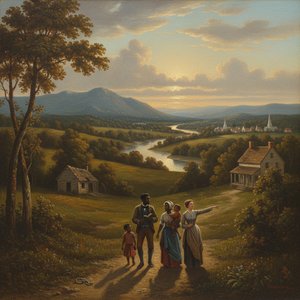
Robert Seldon Duncanson: Landscape, Abolitionism & Shaping American Identity
Discover Robert Seldon Duncanson, the first internationally acclaimed African American landscape artist. Explore his connection to the Hudson River School, abolitionism, and enduring legacy through serene vistas & powerful symbolism.
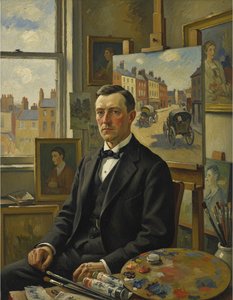
Robert Bevan: Pioneering British Post-Impressionism & the Camden Town Group's Intimate Vision
Explore the life & work of Robert Bevan, a pioneer of British Post-Impressionism and founding member of the Camden Town Group. Discover his vibrant landscapes and lasting impact on early 20th-century art.

Hubert Robert: Picturing Ruins, Preserving Memory – A Study of Romantic Antiquarianism & Artistic Innovation
Explore the captivating world of Hubert Robert, master of Romantic landscape painting & 'capriccio' ruins. Discover his historical context, artistic innovations, and collecting insights with OriginalUniqueArt.
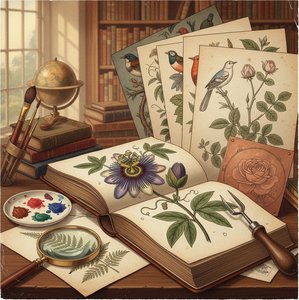
Robert Havell Sr.: Botanical Precision & the Rise of Colour Plate Publishing
Explore the life & work of Robert Havell Sr., a pioneer of botanical illustration and key collaborator with Audubon. Discover his stunning aquatint engravings, artistic techniques, and lasting impact on 19th-century art.

David Roberts: A Scottish Pioneer of Topographical Art & Orientalist Vision
Explore the captivating world of David Roberts, a pioneering Scottish painter renowned for his detailed Orientalist scenes & stunning Egyptian landscapes. Discover his legacy and find museum-quality reproductions at OriginalUniqueArt.