

 Vista previa
 Compartir
 Compartir
 Ver detalles
 Guía
Guía

 Descargar
 Ver artículos similares
 Radiografía
 Presentación de diapositivas
 Estadísticas
Titania endormie


 Leer más
Reproducción al óleo hecha a mano
Óleo sobre lienzo pintado a mano en el tamaño y marco de su elección, realizado por encargo por nuestros artistas. ( Cambiar a formato impreso Ver versión en imagen digital)




P118B $10

P118H $10

P118W $10

P438Z $10

P508JH $12

P508YH $12

P805H $10

P805Z $10

P919BZ $10

P919G $10

P919XJ $10

P959ZH $10

P968JZ $12

W106C $8

W218G $10

W218JH $8

W218Y $10

W307PJ $10

W316G $10

W316PJ $8

W316Y $10

W398PJ $8

W4111J $10

W500HY $15

W500JH $15

W692G $12

W849H $8

W940BG $15

W953PJ $8




Elija entre nuestros tamaños predefinidos que respetan las proporciones originales de la obra.

Puede ingresar sus propias dimensiones para adaptarse a un marco o espacio específico. Si el tamaño seleccionado no coincide con las proporciones de la imagen original, recortaremos la obra o extenderemos la pintura con elementos adicionales pintados a mano. Se le enviará una maqueta digital para su aprobación antes de comenzar la producción.
Tenga en cuenta que la vista previa en pantalla no refleja el recorte o la extensión reales. Solo la maqueta mostrará con precisión la composición final.
Si bien existen tamaños personalizados, recomendamos seleccionar una dimensión de la lista predefinida para preservar las proporciones originales.
Tras realizar el pedido, el equipo de OriginalUniqueArt.com enviará un correo electrónico al cliente para solicitar instrucciones y proporcionarle una vista previa del boceto.
Envío a todo el mundo () en 3-4 semanas en lugar de las 5 semanas estándar. (26 septiembre). Sin comprometer la calidad.

Envío exprés gratuito a todo el mundo

Lienzo de lino de alta calidad

Seguro de envío completo

Garantía de reembolso de impuestos aduaneros

Garantía de fidelidad cromática exacta

Política de devolución de 100 días (solo por defectos)

Garantía de devolución del 100% del dinero

Oferta por volumen
 La opción de vidrio solo está disponible en tamaños inferiores a 110 cm.

Titania endormie
Técnica de reproducción
Tamaño de la reproducción
-


Precio total
$ 450
The Enthralling World of Richard Dadd’s Titania Endormie
Richard Dadd's "Titania Endormie" (1841) isn’t merely a painting; it’s an immersion into a meticulously crafted, almost hallucinatory realm. Born amidst the burgeoning Romantic movement and steeped in the fantastical traditions of Shakespeare’s “A Midsummer Night’s Dream,” Dadd transforms the familiar tale of the fairy queen's slumber into a breathtaking spectacle of intricate detail and profound emotional resonance. The scene unfolds within a cavernous grotto, a space simultaneously inviting and unsettling, populated by a swirling throng of fairies, sprites, and mythical creatures engaged in a vibrant celebration around the reclining Titania. It’s a world where nature and imagination intertwine seamlessly, creating an atmosphere thick with enchantment and a subtle undercurrent of melancholy.
Dadd's genius lies not just in his technical skill – though that is undeniably extraordinary – but in his ability to evoke a specific mood. The muted palette of earthy greens, browns, and ochres grounds the fantastical elements, preventing them from dissolving into pure whimsy. Yet, strategically placed splashes of pink, gold, and yellow inject moments of luminous beauty, particularly around Titania herself, drawing the viewer’s eye to her serene repose. The composition is a masterful spiral, guiding our gaze through the densely packed figures and towards the central focus – the sleeping queen. This deliberate use of perspective creates a sense of depth and movement, as if we are stepping into this magical world alongside the revelers.
A Pre-Raphaelite Vision: Technique and Detail
Dadd’s meticulous approach to his craft is immediately apparent upon close inspection. Every leaf, every petal, every shimmer of light has been rendered with painstaking detail, a testament to his dedication and the extraordinary patience required for such an ambitious undertaking. The painting employs a technique heavily influenced by the Pre-Raphaelite Brotherhood, known for their commitment to realism and detailed depictions of nature. Notice the incredibly fine brushstrokes, particularly in the rendering of the foliage – each individual leaf is distinct, contributing to the overwhelming sense of texture and volume. This level of detail wasn’t simply decorative; it served to heighten the illusion of reality within this fantastical setting.
- Miniaturism: Dadd's work exemplifies miniaturism, a technique where details are rendered with an almost photographic precision, creating a sense of overwhelming complexity.
- Layered Technique: The painting demonstrates a masterful layering of colors and textures, building up the image through multiple applications of paint.
- Attention to Light: Dadd expertly manipulates light and shadow to create depth and drama, highlighting Titania’s slumbering form and casting the surrounding figures into evocative darkness.
Symbolism and Narrative Depth
Beyond its visual splendor, "Titania Endormie" is rich in symbolic meaning. The sleeping queen represents not just beauty and innocence but also vulnerability and enchantment – a state of being suspended between the mortal world and the realm of fairies. The surrounding fairies embody the chaotic and unpredictable nature of the fairy kingdom, their dance a celebration of magic and mischief. Obéron, though largely obscured in shadow, is subtly present as the orchestrator of this fantastical drama. The inclusion of elements like toadstools and flowers further reinforces the painting’s connection to folklore and mythology, grounding the scene within a rich tapestry of tradition.
Furthermore, the painting can be interpreted as an exploration of the human psyche – Dadd's own struggles with mental illness are reflected in the dreamlike quality of the scene. The enclosed space, the heightened emotions, and the blurring of reality all suggest a descent into a world shaped by imagination and perhaps, also, by inner turmoil. The painting’s enduring power lies in its ability to evoke both wonder and a sense of unease, inviting viewers to contemplate the mysteries of beauty, dreams, and the human condition.
A Timeless Masterpiece: Reproduction and Legacy
Today, "Titania Endormie" stands as a testament to Richard Dadd’s extraordinary talent and his unique vision. Reproductions capture only a fraction of the painting's original impact, but high-quality prints offer an accessible way to experience this remarkable work of art. Whether displayed in a grand salon or a cozy study, "Titania Endormie" continues to captivate audiences with its intricate detail, evocative atmosphere, and profound symbolism. It remains a cornerstone of Victorian Pre-Raphaelite art—a window into a world where imagination reigns supreme.
Biografía del artista
Richard Dadd: Una Vida de Obsesión Artística y Angustia Mental
- Nacido: Chatham, Reino Unido (1817)
- Fallecido: 1886
Richard Dadd fue una figura sumamente cautivadora en el arte victoriano. Conocido por su meticuloso detalle y sus imágenes fantásticas, navegó una carrera marcada tanto por la brillantez artística como por la profunda enfermedad mental. Su obra abarca representaciones de hadas, escenas orientalistas, piezas de género enigmáticas y escenas marítimas, todas renderizadas con un nivel de precisión casi obsesivo.
Primeros Años y Formación Artística
- Aptitud Temprana: Dadd demostró un talento notable para el dibujo desde una edad temprana, fomentado en King's School, Rochester.
- Admisión en la Royal Academy: A los 20 años, fue admitido en la Royal Academy of Arts, lo que demostraba su promesa inicial. Recibió la medalla por dibujo de figura humana en 1840.
- The Clique: Dadd se convirtió en parte de un prominente círculo artístico conocido como "The Clique", junto con William Powell Frith, Augustus Egg y Henry O'Neil, estableciéndose dentro de la escena artística londinense.
- Primeras Obras: Entre sus primeras obras notables se incluyen ilustraciones para Book of British Ballads (1842) y un frontispicio para Kentish Coronal (1840), que muestran su habilidad en desarrollo en la ilustración narrativa.
La Expedición Egipcia y el Descenso a la Locura
- Viaje al Medio Oriente: En 1842, Dadd acompañó a Sir Thomas Phillips en una expedición a través de Europa, Grecia, Turquía, Siria y Egipto. Este viaje demostró ser crucial, aunque trágicamente así.
- Cambio de Personalidad: Hacia finales de diciembre de 1842, mientras viajaba por el Nilo, Dadd experimentó un cambio dramático en la personalidad. Se volvió delirante, creyendo que estaba bajo la influencia del dios egipcio Osiris.
- Diagnóstico y Internamiento: A su regreso a Inglaterra en la primavera de 1843, fue diagnosticado como persona con una mente perturbada y internado en el Hospital Psiquiátrico Bethlem (Bedlam).
- Esquizofrenia Paranoide: Ahora se cree que Dadd sufría de esquizofrenia paranoide, una afección que también afectó a otros miembros de su familia.
Producción Artística Dentro de las Instituciones
- Continuación de la Pintura: A pesar de su confinamiento, se animó a Dadd a seguir pintando por médicos ilustrados como William Wood y Sir W. Charles Hood.
- Obras Notables de Bethlem y Broadmoor: Muchas de las obras más celebradas de Dadd fueron creadas mientras residía en Bethlem y posteriormente en los hospitales Broadmoor, incluyendo The Fairy Feller's Master-Stroke (1855-1864).
- Retratos y Bocetos: Produjo un notable retrato del Dr. Alexander Morison (1852) y la serie Sketches to Illustrate the Passions (década de 1850), demostrando su continua habilidad artística y perspicacia psicológica.
- Escenas Marítimas y Paisajes: Dadd también creó numerosas escenas marítimas y paisajes detallados, como Port Stragglin (1861), mostrando su capacidad para capturar tanto la imaginación como la memoria con el ojo de un miniaturista.
Legado e Influencia
- Visión Artística Única: El trabajo de Richard Dadd se caracteriza por su intrincado detalle, temática fantástica y profundidad psicológica, lo que lo distingue de muchos de sus contemporáneos.
- Influencia en Artistas Posteriores y Cultura: Su arte ha inspirado a numerosos artistas, escritores y músicos, incluyendo la banda de rock Queen (cuyo canción "The Fairy Feller's Master-Stroke" se basa en su pintura) y Terry Pratchett.
- Redescubrimiento y Reconocimiento: Si bien fue en gran medida olvidado durante un período después de su muerte, el trabajo de Dadd ha experimentado un importante resurgimiento en las últimas décadas, consolidando su lugar como una figura única e importante en la historia del arte victoriano.

Richard Dadd
1817 - 1886 , Reino Unido
Datos clave
- Artistas Que Influyeron: ['William Dadson']
- Fecha De Fallecimiento: 1886
- Fecha De Nacimiento: 1817
- Lugar De Nacimiento: Chatham, Reino Unido
- Movimiento Artístico: Victoriano, Orientalismo
- Nacionalidad: Inglés
- Nombre Completo: Richard Dadd
- Obras Notables:
- The Fairy Feller's Master-Stroke
- La muerte del rey Ricardo II
- Retrato del Sir Thomas Phillips
- Vista de Tlos en Licia
- El ataque de la araña
Artículos relacionados

Pre-Raphaelite Romanticism: The Revival of Medieval Beauty and Nature in Victorian Art
Explore the profound beauty of Pre-Raphaelite Romanticism. Discover how visionaries like Rossetti and Millais revived medievalism and nature through meticulous detail and vibrant color in Victorian art history.

Dante Gabriel Rossetti: Las 25 Obras Maestras del Prerrafaelismo | OriginalUniqueArt
Descubre las 25 obras maestras de Dante Gabriel Rossetti, el máximo exponente del Prerrafaelismo. Explora su simbolismo, retratos victorianos y la belleza femenina en lienzos inolvidables. Reproducciones de arte exclusivas en OriginalUniqueArt.com.

Sir John Everett Millais: Pre-Raphaelite Rebellion & Victorian Narrative Detail
Explore the revolutionary art of Sir John Everett Millais & the Pre-Raphaelite Brotherhood. Discover their radical realism, symbolic narratives, and lasting impact on Victorian aesthetics. A deep dive into 19th-century masterpieces.

Pre-Raphaelite Romanticism: A Guide to Vivid Detail and Medieval Beauty in Victorian Art
Explore the vivid detail and medieval beauty of Pre-Raphaelite Romanticism. Discover the history of masters like Rossetti and Millais through our expert guide to Victorian art, perfect for collectors and professionals seeking authentic, museum-quality reproductions.
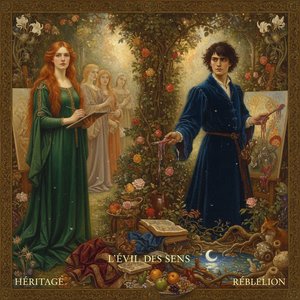
The Pre-Raphaelite Brotherhood: Reclaiming Beauty, Nature, and Truth in Victorian Art History
Explore the revolutionary Pre-Raphaelite Brotherhood. Discover how these visionary artists rejected academic tradition to reclaim beauty, nature, and truth through luminous detail and literary depth in Victorian art history.