
 Ver en contexto
 Enviar
 Compartir
 Detalles
 Guía
Guía

 Descargar
 Similares
 Radiografía
 Presentación de diapositivas
 Preguntas y respuestas
 Estadísticas
View on the Sea

- 27.0 x 44.0 cm


 Ver más
Giclée / Impresión de arte
Impresiones giclée o en lienzo de calidad de museo con producción rápida y opciones de acabado flexibles. ( Comprar pintura hecha a mano Cambiar a imagen digital)




P118B €10

P118H €10

P118W €10

P438Z €10

P508JH €12

P508YH €12

P805H €10

P805Z €10

P919BZ €10

P919G €10

P919XJ €10

P959ZH €10

P968JZ €12

W106C €8

W218G €10

W218JH €8

W218Y €10

W307PJ €10

W316G €10

W316PJ €8

W316Y €10

W398PJ €8

W4111J €10

W500HY €15

W500JH €15

W692G €12

W849H €8

W940BG €15

W953PJ €8




Elija entre nuestros tamaños predefinidos que respetan las proporciones originales de la obra.

Introduzca el ancho y el alto que necesite para adaptarse a su marco o pared. Una impresión solo puede recortarse, nunca hacerse más grande que la imagen original, por lo que un tamaño con una forma distinta perderá parte de la obra. Le enviaremos una maqueta digital para su aprobación antes de realizar cualquier impresión. La imagen que se muestra en esta página no refleja el recorte real; solo la maqueta lo hace.
Envío a todo el mundo () en 2 semanas en lugar de las 4/5 semanas estándar. (5 noviembre)

Envío exprés gratuito a todo el mundo

Lienzo de lino de alta calidad

Seguro de envío total

Garantía de reembolso de aranceles aduaneros

Garantía de fidelidad cromática exacta

Política de devolución de 100 días (solo por defectos)

Garantía de devolución del 100% del dinero

Descuento por cantidad
 La opción de vidrio solo está disponible en tamaños inferiores a 110 cm.

View on the Sea
Giclée / Impresión de arte
Dimensiones de la reproducción
-


Precio total final
€ 72
A Vision of the Open Water: Unveiling Pierre Puget’s “View on the Sea”
Pierre Puget's "View on the Sea," created around 1670, isn’t merely a depiction of three ships navigating a hazy horizon; it’s a meticulously crafted tableau brimming with Baroque drama and an intimate understanding of human scale. Born in Marseille during a period of intense maritime activity, Puget’s life was inextricably linked to the sea – initially as a craftsman shaping the hulls of galleys, later as a celebrated sculptor, architect, and painter. This early immersion profoundly shaped his artistic vision, imbuing “View on the Sea” with an unparalleled sense of realism and emotional intensity. The drawing itself, rendered in fine pen and ink on vellum, possesses a remarkable immediacy, capturing a fleeting moment of naval preparation against a backdrop that simultaneously suggests vastness and quiet anticipation.
The composition immediately draws the eye to the central warship, dominating the scene with its imposing size and intricate rigging. Puget masterfully employs linear perspective, subtly diminishing the scale of the smaller vessels in the distance – a technique that convincingly conveys depth and the boundless expanse of the sea. The diagonal arrangement of these ships guides the viewer’s gaze across the canvas, creating a dynamic flow and reinforcing the sense of movement. Beyond mere representation, Puget sought to capture not just what he saw, but also the *feeling* of being at sea – the weight of responsibility, the potential for both glory and peril, all subtly conveyed through the posture of the ships and the atmospheric haze.
The Language of Line and Shadow: A Study in Baroque Technique
Puget’s mastery lies not only in his understanding of perspective but also in his exceptional command of line. The drawing is a testament to his meticulous technique, characterized by an astonishing level of detail achieved through the careful application of hatching and cross-hatching. These subtle variations in shading create a remarkable sense of texture – one can almost feel the roughness of the ship’s timbers, the tautness of the sails, and the shimmering surface of the water. The monochromatic palette, born from the limitations of pen and ink on vellum, paradoxically intensifies the drama; the absence of color forces the viewer to focus entirely on form, line, and light.
The lighting is remarkably soft and diffused, avoiding harsh contrasts and instead creating a sense of atmospheric depth. This deliberate choice contributes significantly to the painting’s overall mood – a blend of tranquility and latent tension. The artist's use of hatching creates an illusion of volume and form, particularly evident in the depiction of the ships’ rigging, which appears both complex and remarkably solid.
Symbolism and the Human Spirit at Sea
“View on the Sea” transcends a simple maritime scene; it’s imbued with symbolic resonance. The three ships represent not just vessels engaged in trade or warfare, but also embody the ambitions, challenges, and inherent risks associated with human endeavor. The central warship, with its imposing size and intricate details, speaks to the power of naval dominance, while the smaller boats hint at the diverse activities that sustained coastal communities. The hazy horizon suggests both the unknown possibilities of the future and the humbling vastness of nature – a potent reminder of humanity’s place within the larger world.
Furthermore, Puget's depiction of the ships’ crews—implied rather than explicitly shown—evokes a sense of human presence. The subtle gestures and postures suggest activity, anticipation, and perhaps even a touch of apprehension. This focus on the human element elevates the painting beyond mere topographical representation, transforming it into a powerful meditation on the relationship between humanity and the sea.
A Timeless Masterpiece: Reproduction and Beyond
Created over three centuries ago, “View on the Sea” remains a remarkably evocative work of art. Today, high-quality reproductions offer an accessible way to experience Puget’s genius in your own home or office. Whether adorning a grand salon or a more intimate space, this Baroque masterpiece continues to captivate and inspire with its dramatic composition, masterful technique, and profound exploration of the human spirit at sea. Consider it not just a painting, but a window into a bygone era—a testament to the enduring power of art to transport us across time and space.
Preguntas y respuestas
¿Es "View on the Sea" representativo de la temática habitual de Pierre Puget?
Los temas recurrentes de Pierre Puget incluyen baroque maritime scene, puget's dynamic brushwork, french naval influence, classical ship design, royal patronage art, religious undertones", early 17th-century style, marseille artistic legacy; "View on the Sea" se centra en maritime, ships, sea, landscape, baroque, france, puget, vessels.
¿Qué edad tenía Pierre Puget cuando se creó "View on the Sea"?
Pierre Puget tenía 50 años cuando creó "View on the Sea" en 1670. La edad se calcula a partir del año de nacimiento del artista, 1620.
¿Cuáles son las dimensiones reales de "View on the Sea" de Pierre Puget?
La obra original "View on the Sea" de Pierre Puget mide 27 x 44 cm.
Biografía del artista
Pierre Puget: Una Vida Entre el Arte y la Ingeniería
- Nacimiento: Marsella, Francia (1620)
- Fallecimiento: 1694
Primeros Años e Influencias Italianas
- Aprendizaje: Puget comenzó su carrera a los catorce años, tallando adornos para galeones construidos en Marsella. Esta temprana exposición a la artesanía sentó las bases para sus posteriores aspiraciones artísticas.
- Viaje a Italia (1640): Buscando oportunidades, viajó a Italia, inicialmente a Livorno y luego a Florencia. Perfeccionó sus habilidades como tallador de madera y pintor.
- Roma y Pietro da Cortona: Un momento crucial llegó cuando fue tomado bajo el ala de Pietro da Cortona en Roma. Puget asistió en la pintura de elaborados techos en el Palazzo Barberini y el Palazzo Pitti, absorbiendo el dinamismo y la grandeza del arte barroco romano.
- Regreso a Marsella (1643): Después de tres años en Italia, regresó a Marsella, trayendo consigo una sensibilidad artística refinada moldeada por maestros italianos.
Obras Principales y Desarrollo Artístico
- Primeras Comisiones: Tras su regreso, Puget recibió encargos para pinturas y retablos, demostrando un estilo en evolución influenciado por Annibale Carracci y Rubens.
- Avances Escultóricos: Se centró cada vez más en la escultura, creando obras como las medallas para la popa de los buques de guerra franceses, mostrando una creciente maestría de la forma y el detalle.
- Vaux-le-Vicomte (1660s): Nicolas Fouquet encargó a Puget esculpir Hércules para su castillo en Vaux-le-Vicomte, marcando un momento significativo en su carrera y demostrando el patrocinio de figuras poderosas.
- Período Genovés: Tras la caída en desgracia de Fouquet, Puget se mudó a Génova, donde creó obras notables como "Hércules Galo" (Louvre) y esculturas para iglesias como Santa Maria di Carignano.
- Comisiones de Versalles: Colbert trajo a Puget de vuelta a Francia, lo que llevó a encargos para Versalles, incluyendo los celebrados grupos de “Milo de Crotona” y “Perseo y Andrómeda”. Estas obras se caracterizan por su intensidad dramática y realismo expresivo.
Estilo e Influencias
- Drama Barroco: El estilo de Puget está firmemente arraigado en la tradición barroca, enfatizando el movimiento, la emoción y el teatralidad.
- Inspiración Clásica: Si bien abraza el dinamismo barroco, su trabajo también revela una apreciación por las formas e ideales clásicos.
- Miguel Ángel y Bernini: Sus esculturas muestran influencias de las figuras poderosas de Miguel Ángel y las composiciones dinámicas de Bernini.
- Expresión Única: A pesar de estas influencias, Puget desarrolló un estilo distintivo marcado por su energía cruda e intensidad expresiva, diferenciándolo de los artistas barrocos más convencionales.
Legado y Significado Histórico
- Uniendo Arte e Ingeniería: La capacidad de Puget para combinar a la perfección el talento artístico con las habilidades de ingeniería fue única. Su trabajo en la arquitectura naval y las fortificaciones demuestra una ingeniosidad práctica junto con sus logros artísticos.
- Un Genio Torturado: Théophile Gautier lo describió famosamente como el "emperador melancólico de los convictos", reflejando la intensidad e, quizás, las luchas inherentes a su proceso creativo.
- Impacto Duradero: Las esculturas de Puget, particularmente “Milo de Crotona” y “Perseo y Andrómeda”, siguen siendo ejemplos icónicos de la escultura barroca francesa, admiradas por su poder expresivo y virtuosismo técnico.
- Reconocimiento Actual: Su trabajo es celebrado en museos de todo el mundo, incluyendo el Louvre y el Musée des Beaux-Arts de Marsella, consolidando su lugar como una figura significativa en la historia del arte.
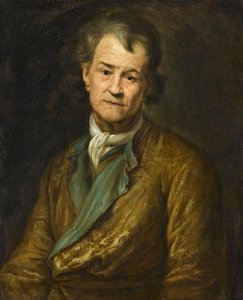
Pierre Puget
1620 - 1694 , Francia
Datos clave
- Artistas Que Influyeron:
- Annibale Carracci
- Rubens
- Miguel Ángel
- Bernini
- Fecha De Fallecimiento: 2 de diciembre de 1694
- Fecha De Nacimiento: 16 de octubre de 1620
- Lugar De Nacimiento: Marsella, Francia
- Movimiento Artístico: Barroco
- Nacionalidad: Francés
- Nombre Completo: Pierre Puget
- Obras Notables:
- Hércules en reposo
- Fauno terracota
- Puerta del Hôtel de Ville
- La Lapidación de San Pedro
- Un fragata en el mar
Artículos relacionados

Las 25 mejores obras de Pierre-Auguste Renoir: El alma del Impresionismo
Explora las 25 mejores obras de Renoir y la luz del impresionismo. ¡Descubre estas obras maestras en OriginalUniqueArt.com!

The Dramatic Flourish: Exploring the Baroque Movement's Enduring Legacy in Art History
Explore the dramatic world of Baroque art! Discover iconic artists like Caravaggio & Rubens, defining techniques, and its lasting impact on art history. Expert insights for collectors & enthusiasts at OriginalUniqueArt.

Drama Barroca: Llevando la Grandeza y la Emoción a los Interiores Contemporáneos
Descubre cómo el drama y la grandeza del arte barroco pueden transformar tus interiores. Guía experta, inspiración y reproducciones de alta calidad en .

Barroco Sublime: 10 Obras Maestras que Definieron una Época |
Descubre las 10 obras maestras del Barroco que marcaron una época. Caravaggio, Bernini y Velázquez cobran vida en . Reproducciones de arte de calidad museo para decorar tu hogar con elegancia. ¡Explora la colección online!

Baroque Classicism: The Grandeur of Order and Drama in 17th-Century Art History
Explore the profound elegance of Baroque Classicism. Discover how 17th-century masters synthesized dramatic emotion with classical order through the lens of the Counter-Reformation and the works of legends like Carlo Maratta and Andrea Sacchi.


