

 Vista previa
 Compartir
 Compartir
 Ver detalles
 Guía
Guía

 Descargar
 Ver artículos similares
 Radiografía
 Presentación de diapositivas
 Estadísticas
VUE DE MOSS


 Leer más
Adquiera una imagen digital de alta resolución y optimizada, muy superior a la vista previa en línea.
Cada archivo es preparado meticulosamente por nuestros especialistas internos mediante el uso de herramientas avanzadas y un experto retoque manual. Nos aseguramos de que cada imagen posea una claridad excepcional, una precisión cromática impecable y un detalle minucioso.
El archivo final se entrega por correo electrónico en un plazo de 72 horas, optimizado para su uso inmediato en entornos profesionales, editoriales y de impresión. Esta es la misma calidad en la que confían los estudios de diseño, las editoriales y las galerías de primer nivel.
Imagen Digital
Descarga un archivo de alta resolución para exhibición personal, impresión y proyectos creativos. ( Cambiar a formato impreso Encargar reproducción pintada a mano)
Incluido en cada pedido de imágenes digitales
Entrega digital experta, garantizada.
Al elegir OriginalUniqueArt.com, no solo está adquiriendo una imagen; está recibiendo una obra de arte digital mejorada profesionalmente, elaborada con precisión y respaldada por una garantía de satisfacción. Esto es todo lo que incluye su pedido, automáticamente:

Entrega inmediata por email
Recibirá su archivo de imagen digital en alta resolución por correo electrónico en un plazo de 72 horas tras realizar su pedido, listo para su uso inmediato.

Archivo digital optimizado por IA
Su obra de arte se optimiza profesionalmente mediante herramientas avanzadas de IA y edición manual, garantizando el máximo detalle, claridad y precisión cromática.

Reenvío gratuito de por vida
¿Has borrado o perdido tu archivo por error? No te preocupes: te lo volveremos a enviar en cualquier momento, sin coste adicional.

Sin gastos de importación, siempre
Disfrute de su obra de arte al instante sin aduanas, aranceles ni gastos de envío; las descargas digitales siempre están libres de impuestos.

Garantía de precisión de color
Garantizamos que su imagen digital refleje los colores originales con la mayor fidelidad posible, mediante el uso de herramientas profesionales y gestión del color.

Garantía de satisfacción de 100 días
Si no está satisfecho con su imagen digital, la revisaremos o le reembolsaremos el 100% en un plazo de 100 días, sin preguntas.

100% Garantía de devolución de dinero
¿No está satisfecho? Obtenga un reembolso completo dentro de los 100 días posteriores a la recepción de su archivo digital, sin preguntas.

Descuentos por volumen
Compra 3 imágenes, ahorra 10% - Compra 5, ahorra 15% - Compra 10+, ahorra 20%. Ideal para proyectos creativos, galerías y agencias.
Peder Balke’s “Vue de Moss”: A Norwegian Soulscape
Peder Balke’s “Vue de Moss,” painted in 1872, isn't merely a depiction of a coastal town; it’s a profound immersion into the heart of Norway – its rugged beauty, its melancholic spirit, and the enduring connection between humanity and the natural world. Born on the remote island of Helgøya in 1804, Balke’s life was inextricably linked to the dramatic landscapes of his homeland, shaping an artistic vision that would become both intensely personal and profoundly influential within the Romantic movement. This particular painting, now housed at the Louvre, offers a captivating glimpse into a world where light, atmosphere, and emotion reign supreme, revealing a masterclass in capturing the essence of Norwegian identity.
The scene unfolds along the harbor of Moss, a bustling port city nestled against the backdrop of the Oslofjord. A prominent sailboat dominates the left foreground, its white sails billowing against a sky pregnant with clouds – a visual anchor that draws the eye into the expansive vista. In the distance, the coastline recedes into a hazy blue, punctuated by the subtle outlines of buildings and the suggestion of rolling hills. Balke eschews meticulous detail in favor of capturing the *feeling* of the scene; the dampness of the air, the vastness of the sea, and the quiet contemplation evoked by the landscape. The composition is deliberately horizontal, emphasizing the scale of nature and inviting the viewer to lose themselves within its embrace.
A Symphony of Color and Light
Balke’s palette is remarkably restrained, dominated by muted blues, grays, browns, and subtle hints of ochre and white. These colors aren't applied with precision but rather blended in loose, gestural strokes – a hallmark of his distinctive technique. The sky, rendered in layers of gray and blue, seems to shift and change with the light, creating an atmospheric depth that is both captivating and slightly unsettling. Notice how he uses darker tones to define the water’s surface, suggesting movement and turbulence beneath the calm exterior. The subtle variations in color create a sense of realism while simultaneously imbuing the scene with a dreamlike quality.
Light plays an absolutely crucial role in “Vue de Moss.” It's not harsh or dramatic but rather diffused and atmospheric – a characteristic that Balke perfected through years of observing the fleeting effects of sunlight on the Norwegian coastline. The light seems to emanate from within the landscape itself, bathing everything in a soft, ethereal glow. This masterful use of light contributes significantly to the painting’s overall mood of tranquility and introspection. The artist skillfully employs atmospheric perspective – objects in the distance appear paler and less distinct, reinforcing the sense of depth and vastness.
Romanticism Rooted in Norwegian Identity
“Vue de Moss” is firmly rooted within the Romantic movement, a period characterized by an emphasis on emotion, imagination, and the sublime power of nature. However, Balke’s work transcends mere imitation; he infuses it with a uniquely Norwegian sensibility. His paintings weren't simply landscapes; they were expressions of national identity, celebrating the rugged beauty and untamed spirit of his homeland. The painting reflects the Romantic fascination with the wild, the solitary, and the spiritual connection between humanity and nature – themes that resonated deeply within Norway’s cultural landscape.
Beyond its aesthetic qualities, “Vue de Moss” carries a subtle undercurrent of melancholy. The overcast sky, the muted colors, and the sense of isolation evoke a feeling of quiet contemplation—a recognition of the beauty and fragility of the natural world. The sailboat, adrift on the horizon, could be interpreted as a symbol of human ambition or perhaps simply a reminder of our smallness in the face of nature’s grandeur. Balke's work invites viewers to pause, reflect, and connect with their own sense of place within the larger context of the natural world.
A Legacy of Vision
Peder Balke remains one of Norway’s most celebrated Romantic painters, his works continuing to captivate audiences today. “Vue de Moss” stands as a testament to his extraordinary talent and his profound understanding of the Norwegian landscape. Whether viewed in person or reproduced, this painting offers a powerful reminder of the enduring beauty and emotional resonance of nature – a timeless masterpiece that speaks to the soul.
Preguntas y respuestas
¿Qué tan conocida es la obra "VUE DE MOSS" de Peder Balke?
"VUE DE MOSS" está clasificada como Recognized.
¿De qué trata "VUE DE MOSS"?
Los temas presentes en "VUE DE MOSS" de Peder Balke incluyen landscape, coastline, sailboat, norway, sky, atmosphere, romanticism. En conjunto, resumen la temática de la obra.
¿Cómo equilibra la luz y la sombra "VUE DE MOSS"?
"VUE DE MOSS" tiene un brillo general de bright y su luminancia es Gentle Luminance.
Biografía del artista
Peder Balke: Un Visionario Romántico Noruego
- Nacido: Hegøy, Noruega (1804)
- Fallecido: 1887
Primeros Años y Formación Artística
- Peder Andersen Balke nació en la isla de Helgøya, en el condado de Hedmark, Noruega. Creció en Ringsaker.
- Su familia eran agricultores, pero recibió apoyo de la comunidad local para perseguir sus ambiciones artísticas. Los agricultores de Toten pagaron su educación.
- Comenzó su formación como aprendiz de Heinrich August Grosch en 1827 y también estudió bajo Jacob Munch.
- De 1829 a 1833, fue alumno de Carl Johan Fahlcrantz en la Real Academia Sueca de Bellas Artes en Estocolmo.
- Posteriormente estudió con Johan Christian Dahl de 1843 a 1844.
Estilo Artístico y Obras Clave
- Pintura de Paisaje Romántico: Balke es conocido principalmente por sus representaciones dramáticas del paisaje noruego, caracterizadas por una sensibilidad romántica. Sus obras a menudo presentan una iluminación intensa, efectos atmosféricos y un sentido de grandeza sublime.
- Trabajo con el Pincel Único: Desarrolló un estilo distintivo con pinceladas texturizadas y un uso inusual del color, creando una calidad onírica en sus pinturas.
- Obras Notables: Algunas de sus obras más celebradas incluyen:
- Vue de Christiania (aujourd'hui Oslo) (1872) - Un paisaje urbano dramático que captura la esencia de Oslo.
- El Puerto de Skjervøy (1846) – Muestra una cautivadora escena portuaria con detalles realistas.
- Árboles Viejos (1840) – Representa un paisaje invernal noruego sombrío con una iluminación poderosa.
- Paisaje Marino (1845) - Un paisaje marino dramático que destaca la belleza agreste de la costa noruega.
- Fredrikshald (1852) – Presenta un castillo costero y barcos, mostrando su dominio del realismo.
- El Cabo Norte a la Luz de la Luna (1848) - Captura la belleza asombrosa del Cabo Norte bajo la luz de la luna.
Activismo Social y Vida Posterior
- Defensor de la Justicia Social: Balke no solo fue un artista, sino también un reformador social comprometido. Se involucró activamente en temas de justicia social.
- Proyecto Balkeby: Lideró la construcción de Balkeby, un nuevo suburbio de Oslo diseñado para proporcionar mejores condiciones de vida a los trabajadores. Proporcionó préstamos y estableció reglas estrictas de construcción.
- Defensa de los Artistas: Balke abogó por becas para artistas y pensiones tanto para hombres como para mujeres.
- Legado Familiar: Fue el bisabuelo de la actriz Turid Balke y el tatarabuelo del pianista de jazz Jon Balke.
Significado Histórico y Reconocimiento
- Redescubrimiento y Apreciación: Si bien inicialmente fue pasado por alto, el trabajo de Balke ha experimentado un resurgimiento significativo en el reconocimiento en las últimas décadas.
- Exposiciones Internacionales: Se han celebrado importantes exposiciones de su obra en instituciones prestigiosas como la Galería Nacional de Londres (2014-2015) y el Museo Metropolitano de Arte (2017).
- Influencia en el Arte Nórdico: El estilo y la visión únicos de Balke contribuyeron significativamente al desarrollo del arte romántico en Noruega y en la región nórdica más amplia. Sus pinturas ahora se consideran ejemplos importantes del arte noruego del siglo XIX, celebradas por sus paisajes dramáticos y profundidad emocional.
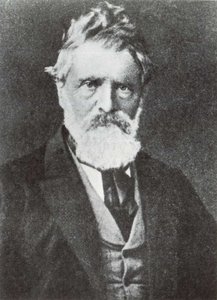
Peder Balke
1804 - 1887 , Noruega
Datos clave
- Artistas Que Influyeron:
- Heinrich August Grosch
- Carl Johan Fahlcrantz
- Johan Christian Dahl
- Fecha De Fallecimiento: 5 de febrero de 1887
- Fecha De Nacimiento: 4 de noviembre de 1804
- Lugar De Nacimiento: Hegøy, Noruega
- Movimiento Artístico: Romanticismo
- Nacionalidad: Noruego
- Nombre Completo: Peder Balke
- Obras Notables:
- Vue de Christiania (Oslo)
- El puerto de Skjervøy
- Árboles viejos
- Paisaje marino
- Fredrikshald
- El Cabo Norte a la luz de luna