
 Ver en contexto
 Enviar
 Compartir
 Detalles
 Guía
Guía

 Descargar
 Similares
 Radiografía
 Presentación de diapositivas
 Preguntas y respuestas
 Estadísticas
El Corona de Espinas


 Ver más
Giclée / Impresión de arte
Impresiones giclée o en lienzo de calidad de museo con producción rápida y opciones de acabado flexibles. ( Comprar pintura hecha a mano Cambiar a imagen digital)




P118B €10

P118H €10

P118W €10

P438Z €10

P508JH €12

P508YH €12

P805H €10

P805Z €10

P919BZ €10

P919G €10

P919XJ €10

P959ZH €10

P968JZ €12

W106C €8

W218G €10

W218JH €8

W218Y €10

W307PJ €10

W316G €10

W316PJ €8

W316Y €10

W398PJ €8

W4111J €10

W500HY €15

W500JH €15

W692G €12

W849H €8

W940BG €15

W953PJ €8




Elija entre nuestros tamaños predefinidos que respetan las proporciones originales de la obra.

Introduzca el ancho y el alto que necesite para adaptarse a su marco o pared. Una impresión solo puede recortarse, nunca hacerse más grande que la imagen original, por lo que un tamaño con una forma distinta perderá parte de la obra. Le enviaremos una maqueta digital para su aprobación antes de realizar cualquier impresión. La imagen que se muestra en esta página no refleja el recorte real; solo la maqueta lo hace.
Envío a todo el mundo () en 2 semanas en lugar de las 4/5 semanas estándar. (10 noviembre)

Envío exprés gratuito a todo el mundo

Lienzo de lino de alta calidad

Seguro de envío total

Garantía de reembolso de aranceles aduaneros

Garantía de fidelidad cromática exacta

Política de devolución de 100 días (solo por defectos)

Garantía de devolución del 100% del dinero

Descuento por cantidad
 La opción de vidrio solo está disponible en tamaños inferiores a 110 cm.

El Corona de Espinas
Giclée / Impresión de arte
Dimensiones de la reproducción
-


Precio total final
€ 73
Una Sinfonía de Sombras y Pesadumbre
En el vasto y evocador paisaje del Romanticismo del siglo XIX, pocas imágenes poseen el poder visceral y sobrecogedor de El Corona de Espinas de Gustave Doré. Completado en 1872, este grabado monumental sirve como un profundo testimonio del sufrimiento humano y el sacrificio divino. Al contemplar esta obra maestra, uno no se limita a observar una escena bíblica; es arrastrado hacia un vórtice turbulento de emoción donde los límites entre el tormento físico de Cristo y el peso espiritual de su misión se desvanecen en un único instante asombroso. Doré, maestro de la narrativa dramática, utiliza la austeridad del monocromo para eliminar cualquier distracción, dejando únicamente la esencia pura y sin adulterar de la agonía y la devoción.
La composición es una clase magistral de tensión y movimiento. En el corazón de esta caótica asamblea se encuentra Cristo, posicionado en el ápice de una estructura piramante que se siente a la vez monumental y claustrofóbica. Está rodeado por una multitud de soldados romanos y espectadores, cuyos cuerpos se superponen en capas que crean una sensación opresiva de autoridad y mentalidad de masa. Una poderosa línea diagonal recorre el encuadre desde la parte superior derecha hacia la inferior izquierda, actuando como una guía visual que arrastra la mirada del espectador a través del drama que se desarrolla, asegurando que cada destello de burla y cada sombra de piedad sea percibido. Es una escena diseñada para provocar la contemplación, convirtiéndola en una pieza central ideal para quienes aprecian el arte que habla a las capas más profundas y complejas de la condición humana.
La Maestría del Trazo Grabado
Para comprender el impacto de El Corona de Espinas, es necesario apreciar la extraordinaria virtuosismo técnico que Doré aportó a la placa de cobre. Renunciando al confort del color, el artista confió enteramente en una sofisticada gama de grises lograda a través de su técnica característica de sombreado cruzado o trama. Este meticuloso proceso consistía en incidir líneas intrincadas en el metal, creando una densa red de texturas que imitan la aspereza de la tela gruesa, la piel curtida de los soldados y la agonizante agudeza de las propias espinas. La densidad variable de estas líneas permite un juego dramático de luces y sombras, conocido como claroscuro, que insufla vida al medio estático del grabado.
La iluminación en esta obra es nada menos que teatral. Una fuente de luz direccional, que parece descender desde arriba y ligeramente hacia la izquierda, ilumina el rostro y la parte superior del cuerpo de Cristo, sumergiendo a gran parte de la multitud circundante en una sombra profunda y enigmática. Este uso deliberado del contraste hace más que crear profundidad; cumple un propósito simbólico, resaltando la presencia divina en medio de la oscuridad de la crueldad humana. Para coleccionistas y diseñadores de interiores, este juego de luz y textura ofrece una estética sofisticada capaz de dotar de carácter a cualquier estancia, aportando un sentido de gravedad histórica y profundidad intelectual a cualquier espacio curado.
Un Legado Atemporal para el Coleccionista Exigente
Más allá de su brillantez técnica, El Corona de Espinas resuena debido a su profunda resonancia simbólica. La corona misma es un emblema indeleble del sacrificio, mientras que las posturas agresivas de los soldados encarnan la lucha eterna entre la opresión y la resiliencia. La capacidad de Doré para capturar un espectro de respuestas humanas —que van desde la burla despectiva de los perseguidores hasta la silenciosa desesperación de los testigos— convierte esta obra en un estudio universal de la empatía. Es arte que no se limita a decorar una pared, sino que invita a un diálogo con el alma.
Para aquellos que buscan adquirir una reproducción de alta calidad, esta pieza ofrece una oportunidad inigualable de traer un fragmento de la historia del arte a un entorno moderno. Ya sea colocada en una biblioteca llena de literatura clásica o como un punto focal impactante en un salón de estilo contemporáneo tipo galería, la obra de Doré exige atención. Es una inversión atemporal para el conocedor que valora el arte que posee tanto importancia histórica como un latido emocional perdurable.
Preguntas y respuestas
¿Es Gustave Doré, autor de "El Corona de Espinas", conocido por otros nombres?
Gustave Doré también es conocido por los nombres Gustave Dore, Paul Gustave Louis Christophe Doré, Paul Gustave Doret.
¿Puedo ver una vista previa de "El Corona de Espinas" de Gustave Doré antes de realizar el pedido?
Puedes ver una vista previa de "El Corona de Espinas" de Gustave Doré en la página de Vista previa de la obra de la obra.
¿Cómo se relaciona el tema de "El Corona de Espinas" con la temática habitual de Gustave Doré?
"El Corona de Espinas" representa religious suffering, roman soldiers, torture imagery, dramatic narrative, biblical scene, sacrifice, fine line engraving, mientras que los temas recurrentes de Gustave Doré son doré’s romantic vision, biblical pain, imperial power, dramatic narrative, artistic legacy. Al comparar ambos, se observa cómo la obra se relaciona con los temas habituales del artista.
Biografía del artista
La vida de Gustave Doré
Estrasburgo, Francia, 6 de enero de 1832. Aquí es donde comienza la vida de Paul Gustave Louis Christophe Doré. Se adentra en un mundo de corrientes artísticas cambiantes, desplazándose desde el Rin hasta las bulliciosas calles de París. A los quince años, ya navega por el paisaje satírico de Le Journal pour rire, trabajando como caricaturista. El niño que dibuja con un talento precoz se transforma rápidamente en una fuerza profesional, con sus manos pasando de los bocetos sencillos a las complejas exigencias de los grabados en madera a gran escala.
Su carrera avanza con un impulso repentino e intenso. Se desplaza entre los roles de diseñador, pintor y escultor, sin establecerse nunca en una sola trayectoria. Establece su presencia en Londres, inaugurando la Galería Doré en Bond Street, y su nombre se convierte en un referente de la era victoriana. Navega por el mundo de alta presión de la producción masiva, empleando equipos de talladores de bloques para traducir sus visiones en los grabados en madera que inundan el mercado internacional. La escala de su producción es inmensa, impulsada por un ritmo implacable que lo acompaña a lo largo de mediados y finales del siglo XIX.
El impulso se detiene en París. El 23 de enero de 1883, Gustave Doré fallece tras una breve enfermedad y un ataque cardíaco. Deja tras de sí un cuerpo de obra masivo que abarca todo el espectro de la emoción humana, desde lo divino hasta lo grotesco.
Primeros Años y Orígenes Artísticos
Estrasburgo, Francia, constituye el escenario donde comienza una vida definida por la precisión visual. Antes de cumplir los diez años, el joven ya es un dibujante autodidacta. No espera a recibir instrucción formal para dominar el trazo; en su lugar, desarrolla una destreza técnica que trasciende el aula tradicional. Esta autonomía temprana marca el inicio de una producción prolífica que, con el tiempo, abarcará múltiples medios artísticos.
La transición de la práctica privada a la labor profesional llega con una rapidez vertiginosa. A los quince años, se adentra en la bulliciosa y satírica atmósfera de la revista francesa Le Journal pour rire. Allí trabaja como caricaturista, utilizando su pluma para navegar las tensiones sociales y políticas de la época. Este periodo de trabajo perfecciona su capacidad para observar y destilar expresiones humanas complejas en imágenes nítidas e inmediatas, convirtiéndose en un campo de entrenamiento basado en la economía del trazo y el impacto visual.
Mientras su pluma alcanza el éxito en el mundo de la imprenta, su formación formal toma un rumbo distinto y más táctil. Decide centrar sus estudios en la escultura. Esta búsqueda de la forma tridimensional nutre su comprensión del volumen y el peso, incluso cuando su carrera se desplaza hacia el mundo bidimensional del grabado y la ilustración. La disciplina del escultor permanece como un elemento fundacional de su enfoque técnico, dotando a sus obras de una presencia casi física.
Patronos, taller y grandes encargos
La magnitud de la producción de Gustave Doré exigía una operación industrial de proporciones masivas. No trabajaba en la soledad de un estudio silencioso; por el contrario, dirigía un taller especializado para satisfacer las voraces demandas de la industria editorial global. En el apogeo de su productividad, contaba con un equipo de aproximadamente 40 talladores de bloques. Estos artesanos asumían la extenuante tarea de traducir sus intrincados diseños en grabados en madera, labrando las líneas que, eventualmente, se reproducirían por millones en prensas cilíndricas. Esta línea de producción de talento permitió que sus narrativas visuales alcanzaran, de manera simultánea, a audiencias en París, Londres y Nueva York.
El éxito comercial fue la consecuencia natural de su capacidad para tender un puente entre las bellas artes y los medios de comunicación de masas. En 1853, el encargo de ilustrar las obras de Lord Byron marcó un ascenso significativo en su prestigio profesional. Este impulso continuó a través de sus colaboraciones con los editores más importantes, derivando en proyectos de gran envergadura que le reportaron honorarios considerables. Para 1883, se encontraba trabajando en una edición de gran formato de "El Cuervo" de Edgar Allan Poe, un proyecto que le aseguró 30,000 francos por parte de Harper & Brothers. Esta última y monumental empresa permanece como un testimonio del inmenso valor comercial que su visión poseía para la industria editorial internacional.
- La leyenda del judío errante (1856)
- Don Quijote (década de 1860)
- La Divina Comedia (1860)
Técnica y Estilo Artístico
El proceso del grabado en madera define su lenguaje visual. Gustave Doré actuaba primordialmente como diseñador, creando dibujos intrincados que equipos de talladores traducían en bloques de impresión de madera. Este método permitía una escala de reproducción masiva; de hecho, para satisfacer las exigencias de la industria editorial internacional, se utilizaba el proceso de electrotipia para la reproducción en serie. Los resultados se caracterizan por un uso magistral del claroscuro, donde los negros profundos y los blancos penetrantes crean una sensación de tensión dramática. En su obra, cada línea tiene un propósito fundamental en la construcción de la textura y la profundidad.
El detalle meticuloso es el ancla de sus composiciones. Utiliza el sombreado mediante líneas paralelas y el entrecruzamiento para representar superficies —como el pelaje de una criatura o la rugosidad de la piedra— con una precisión casi táctil. Este rigor técnico se extiende a otros medios; durante un viaje a Escocia en 1873, desarrolló una pericia específica en la acuarela. Su enfoque suele priorizar el poder expresivo y las composiciones audaces por encima del realismo académico estricto. Gustave Doré construye entornos enteros a través del juego entre la luz y la sombra, creando una atmósfera cinematográfica que se siente densa, física y profundamente evocadora.
Obras Clave e Ilustraciones Literarias
La magnitud de su producción artística a menudo estaba a la altura de la naturaleza épica de sus temas. En 1856, produjo doce ilustraciones de gran formato para La Leyenda del Judío Errante, una obra que consolidó su extraordinaria capacidad para abordar narrativas de escala monumental. Hacia la década de 1860, su visión artística se volcó hacia los personajes de Cervantes. Sus representaciones de Don Quijote y Sancho Panza se convirtieron en el estándar visual definitivo para estas figuras, influyendo profundamente en la manera en que tanto lectores como artistas imaginaron al caballero y a su escudero.
Las sombras se intensifican a medida que su obra se adentra en los reinos de lo divino y lo condenado. Gustave Doré tradujo las visiones aterradoras de la Divina Comedia de Dante en magistrales grabados en madera, incluyendo las desgarradoras escenas del Infierno de Dante. Estos diseños no eran simples bocetos, sino auténtos planos para una producción masiva de estampas. En 1866, volcó su atención hacia el Paraíso Perdido de Milton, aplicando la misma intensidad dramática a los ángeles caídos y a las luchas celestiales de este poema épico.
- La Leyenda del Judío Errante (1856)
- Don Quijote (década de 1860)
- Paraíso Perdido (1866)
Últimos Años y Muerte
El año 1861 marcó un cambio trascendental en su prestigio, cuando el gobierno francés lo condecoró como Caballero de la Legión de Honor. Este reconocimiento llegó en un momento en que su influencia comenzaba a desbordar las fronteras de Francia. Para 1868, el eje de su vida profesional se desplazó hacia Londres. Allí, fundó la Galería Doré en Bond Street, un espacio que se transformaría en el epicentro de su obra y en el testimonio de su imponente presencia en la escena artística británica.
Su producción creativa se mantuvo incansable hasta sus últimos suspiros. Al momento de su fallecimiento, se encontraba sumergido en la creación de una nueva y ambiciosa serie de ilustraciones para las obras de Shakespeare. El proyecto aún se encontraba en pleno desarrollo cuando su salud se quebró. Finalmente, murió en París tras una breve enfermedad, siendo un ataque cardíaco la causa de su partida.
Legado e Influencia Duradera
El impacto de su obra trasciende con creces la página impresa, ocupando un espacio donde el arte sublime y la narrativa se entrelazan de manera magistral. Sus ilustraciones de 1866 para la Biblia alcanzaron un éxito masivo, consolidando un lenguaje visual para los textos sagrados que persiste en el imaginario colectivo. Esta capacidad para traducir narrativas complejas en imágenes viscerales dejó una huella imborrable en los gigantes de la siguiente generación. Vincent van Gogh, por ejemplo, encontró una profunda inspiración en las representaciones de Gustave Doré sobre el sufrimiento humano y la adversidad.
Su influencia dicta, con frecuencia, la forma en que visualizamos los arquetipos literarios. La apariencia física específica de Don Quijote y Sancho Panza, tal como se plasmó en sus ilustraciones de la década de 1860, se convirtió en el estándar para lectores y artistas por igual. Él no se limitó a ilustrar personajes; definió su identidad visual para la era moderna. Este legado perdura a través de la supervivencia de sus diseños originales y la presencia imperecedera de sus composiciones dramáticas en las colecciones de todo el mundo.
- La Leyenda del Judío Errante (1856)
- Don Quijote (década de 1860)
- La Divina Comedia (1860)
Dónde ver sus obras hoy en día
Los vestigios físicos de la prolífica producción de Gustave Doré se encuentran dispersos por varios continentes, preservados en instituciones que custodian su diversa gama de medios artísticos. En Francia, el Musée de Grenoble mantiene una colección de sus acuarelas, obras que ofrecen una perspectiva distinta a los grabados en madera de alto contraste que definieron su éxito comercial. La presencia del artista en las principales colecciones públicas se extiende hasta la National Gallery of Canada en Ottawa, donde su catálogo está representado.
En el Reino Unido, la Walker Art Gallery en Liverpool preserva piezas de su extenso cuerpo de trabajo. Su alcance continúa en el continente americano, con el Museo de Arte de Ponce albergando obras de su catálogo. Estas colecciones ofrecen la oportunidad de observar de primera mano la escala y el detalle de sus composiciones.
- Flower Sellers of London (1875)
- The Serenade (1863)
- Souvenir of Loch Lomond (1875)
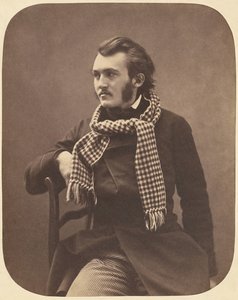
Gustave Doré
1832 - 1883 , Francia
Datos clave
- Artistas O Movimientos Influenciados Por Este Artista: ['Vincent van Gogh']
- Artistas Que Influyeron En Este Artista: ['J.J. Grandville']
- Fecha De Muerte: 1883
- Fecha De Nacimiento: 1832
- Lugar De Nacimiento: Estrasburgo, Francia
- Movimiento O Estilo Artístico: Romanticismo
- Nacionalidad: Francés
- Nombre Completo: Paul Gustave Louis Christophe Doré
- Obras Notables:
- Vendedoras de flores de Londres
- Los mártires cristianos
- Ilustraciones para el Infierno de Dante
- Ilustraciones para El paraíso perdido
- El judío errante
Artículos relacionados

Más allá del blanco y negro: 10 obras maestras definidas por tonos grises
Descubre la elegancia de los tonos grises en 10 obras maestras de Da Vinci, Monet y Dalí. Explora la profundidad del claroscuro y encuentra reproducciones al óleo de calidad museo para tu colección. Explora la colección completa en OriginalUniqueArt.com.

The Silent Language of Line: Mastering Hatching and Cross-Hatching for Depth and Texture
Master the art of hatching and cross-hatching with our expert guide. Explore the historical evolution from Renaissance masters like Dürer to modern techniques for creating profound depth, texture, and light in your drawings and printmaking.

Visiones Divinas: Las 10 Obras Maestras del Arte Religioso que Debes Conocer
Explora 10 obras maestras del arte religioso, desde el drama de Caravaggio hasta la gracia de Rafael. Descubre historias de fe, luz y técnica clásica para inspirar tu decoración con reproducciones de museo. Explora la colección completa en OriginalUniqueArt.com.

Visiones Divinas: Las 10 Mejores Obras Maestras del Arte Religioso
Embárcate en un viaje espiritual a través de 10 obras maestras del arte religioso. Desde el claroscuro de Caravaggio hasta la gracia de Rafael. Encuentra reproducciones de calidad museo para tu hogar. Explora la colección completa en OriginalUniqueArt.com.

Más allá del blanco y negro: 10 obras maestras definidas por tonos grises
Descubre la elegancia de los tonos grises en 10 obras maestras icónicas. Desde el sfumato de Da Vinci hasta el impresionismo de Monet, explora la fuerza del claroscuro y encuentra reproducciones de calidad museo para tu hogar. Explora la colección completa en OriginalUniqueArt.com.


