

 Vista previa
 Compartir
 Compartir
 Ver detalles
 Guía
Guía

 Descargar
 Ver artículos similares
 Radiografía
 Presentación de diapositivas
 Estadísticas
El Corona de Espinas


 Leer más
Reproducción al óleo hecha a mano
Óleo sobre lienzo pintado a mano en el tamaño y marco de su elección, realizado por encargo por nuestros artistas. ( Cambiar a formato impreso Ver versión en imagen digital)




P118B $10

P118H $10

P118W $10

P438Z $10

P508JH $12

P508YH $12

P805H $10

P805Z $10

P919BZ $10

P919G $10

P919XJ $10

P959ZH $10

P968JZ $12

W106C $8

W218G $10

W218JH $8

W218Y $10

W307PJ $10

W316G $10

W316PJ $8

W316Y $10

W398PJ $8

W4111J $10

W500HY $15

W500JH $15

W692G $12

W849H $8

W940BG $15

W953PJ $8




Elija entre nuestros tamaños predefinidos que respetan las proporciones originales de la obra.

Puede ingresar sus propias dimensiones para adaptarse a un marco o espacio específico. Si el tamaño seleccionado no coincide con las proporciones de la imagen original, recortaremos la obra o extenderemos la pintura con elementos adicionales pintados a mano. Se le enviará una maqueta digital para su aprobación antes de comenzar la producción.
Tenga en cuenta que la vista previa en pantalla no refleja el recorte o la extensión reales. Solo la maqueta mostrará con precisión la composición final.
Si bien existen tamaños personalizados, recomendamos seleccionar una dimensión de la lista predefinida para preservar las proporciones originales.
Tras realizar el pedido, el equipo de OriginalUniqueArt.com enviará un correo electrónico al cliente para solicitar instrucciones y proporcionarle una vista previa del boceto.
Envío a todo el mundo () en 3-4 semanas en lugar de las 5 semanas estándar. (25 septiembre). Sin comprometer la calidad.

Envío exprés gratuito a todo el mundo

Lienzo de lino de alta calidad

Seguro de envío completo

Garantía de reembolso de impuestos aduaneros

Garantía de fidelidad cromática exacta

Política de devolución de 100 días (solo por defectos)

Garantía de devolución del 100% del dinero

Oferta por volumen
 La opción de vidrio solo está disponible en tamaños inferiores a 110 cm.

El Corona de Espinas
Técnica de reproducción
Tamaño de la reproducción
-


Precio total
$ 575
A Symphony of Shadow and Sorrow
In the vast, evocative landscape of nineteenth-century Romanticism, few images possess the visceral, haunting power of Gustave Doré’s The Crown Of Thorns. Completed in 1872, this monumental engraving serves as a profound testament to human suffering and divine sacrifice. As one gazes upon this masterpiece, they are not merely observing a biblical scene; they are pulled into a turbulent vortex of emotion where the boundaries between the physical torment of Christ and the spiritual weight of his mission blur into a single, breathtaking moment. Doré, a master of the dramatic narrative, utilizes the starkness of monochrome to strip away all distractions, leaving only the raw, unadulterated essence of agony and devotion.
The composition is a masterclass in tension and movement. At the heart of this chaotic assembly sits Christ, positioned at the apex of a pyramidal structure that feels both monumental and claustrophobic. He is surrounded by a throng of Roman soldiers and onlookers, their bodies overlapping in layers that create an oppressive sense of authority and mob mentality. A powerful diagonal line sweeps across the frame from the upper right to the lower left, acting as a visual guide that drags the viewer’s eye through the unfolding drama, ensuring that every flicker of mockery and every shadow of pity is felt. It is a scene designed to provoke contemplation, making it an ideal centerpiece for those who appreciate art that speaks to the deeper, more complex layers of the human condition.
The Mastery of the Etched Line
To understand the impact of The Crown Of Thorns, one must appreciate the extraordinary technical virtuosity Doré brought to the copper plate. Eschewing the comfort of color, the artist relied entirely on a sophisticated range of grays achieved through his signature cross-hatching technique. This meticulous process involved incising intricate lines into metal, creating a dense web of textures that mimic the roughness of coarse fabric, the weathered skin of soldiers, and the agonizing sharpness of the thorns themselves. The varying density of these lines allows for a dramatic interplay of light and shadow, known as chiaroscuro, which breathes life into the static medium of printmaking.
The lighting in this work is nothing short of theatrical. A directional light source, appearing to descend from above and slightly to the left, illuminates Christ’s face and upper body, casting much of the surrounding crowd into deep, enigmatic shadow. This deliberate use of contrast does more than create depth; it serves a symbolic purpose, highlighting the divine presence amidst the darkness of human cruelty. For collectors and interior designers, this interplay of light and texture offers a sophisticated aesthetic that can anchor a room, providing a sense of historical gravity and intellectual depth to any curated space.
A Timeless Legacy for the Discerning Collector
Beyond its technical brilliance, The Crown Of Thorns resonates because of its profound symbolic resonance. The crown itself is an indelible emblem of sacrifice, while the aggressive postures of the soldiers embody the eternal struggle between oppression and resilience. Doré’s ability to capture a spectrum of human responses—ranging from the sneering mockery of the persecutors to the quiet despair of the witnesses—makes this work a universal study in empathy. It is art that does not merely decorate a wall but invites a dialogue with the soul.
For those seeking to acquire a high-quality reproduction, this piece offers an unparalleled opportunity to bring a fragment of art history into a modern setting. Whether placed in a library filled with classical literature or as a striking focal point in a contemporary gallery-style living room, Doré’s work commands attention. It is a timeless investment for the connoisseur who values art that possesses both historical significance and an enduring, emotional heartbeat.
Biografía del artista
Paul Gustave Doré: Una Vida en Ilustración
Primeros Años y Orígenes
- Nacimiento: 6 de enero de 1832, en Estrasburgo, Francia.
- Incluso siendo niño, Doré mostró un talento artístico notable y una personalidad precoz. Hay historias sobre sus bromas tempranas que demostraban una madurez inusual para su edad.
- Inclínaciones Artísticas Tempranas: Comenzó a dibujar a muy temprana edad, mostrando rápidamente una habilidad excepcional.
- A los 15 años, Doré se embarcó en su carrera profesional como caricaturista para el periódico francés Le Journal pour rire.
Desarrollo Artístico y Primeras Obras
- Primeros Encargos: Sus primeras obras incluían libros ilustrados como Los Trabajos de Hércules (1847), Tres artistas incomprendidos y descontentos (1851), y Las Desagradables Aventuras de una Aventura Agradable (1851).
- Influencias: Las ilustraciones de J.J. Grandville fueron una influencia significativa en su estilo temprano.
- Doré rápidamente ganó reconocimiento por sus composiciones dinámicas y el uso dramático de la luz y la sombra, incluso en estas primeras obras.
- Comenzó a recibir encargos para ilustrar la literatura clásica, incluyendo obras de Cervantes, Rabelais, Balzac, Milton y Dante.
Reconocimiento Internacional y Logros Importantes
- Ilustrando a Gigantes Literarios: En 1853, fue encargado de ilustrar las obras de Lord Byron, seguido por un monumental proyecto de Biblia ilustrada.
- El Gitano Errante (1856): Esta obra, aunque popular, contenía undertones antisemitas que reflejaban la época.
- Don Quijote: Sus ilustraciones de 1860 para la Divina Comedia de Cervantes influyeron profundamente en las interpretaciones posteriores de los personajes y la historia.
- El Cuervo (1883): La edición ampliada de Edgar Allan Poe’s “El Cuervo” por Doré le ganó 30,000 francos de Harper & Brothers.
- Londres: Un Peregrinaje (1872): Esta colaboración con Blanchard Jerrold retrataba las duras realidades de la sociedad victoriana y provocó controversia por su enfoque en la pobreza.
Estilo y Técnicas
- Maestría en Grabado en Madera: Doré era un maestro del grabado en madera, creando imágenes increíblemente detalladas y dramáticas.
- Composición Dramática: Su obra se caracteriza por composiciones dinámicas, fuertes contrastes entre la luz y la sombra (claroscuro) y un sentido de grandeza.
- A menudo empleaba un gran equipo de talladores para traducir sus diseños en grabados en madera, lo que permitía la producción masiva.
- Romanticismo: Su estilo está firmemente arraigado en la tradición romántica, enfatizando la emoción, la imaginación y el sublime.
Legado e Importancia Histórica
- Premios y Honores: Doré fue nombrado Chevalier de la Légion d'honneur por el gobierno francés en 1861.
- Sus ilustraciones tuvieron un impacto generalizado en la cultura visual, influyendo a artistas y lectores durante generaciones.
- Influencia en Artistas Posteriores: Inspiró a artistas como Vincent van Gogh, quien admiraba sus representaciones del sufrimiento y la adversidad.
- A pesar de algunas críticas contemporáneas, la obra de Doré es ahora celebrada por su mérito artístico e importancia histórica. Sus ilustraciones siguen dando forma a nuestra comprensión de la literatura clásica y la sociedad victoriana.
- Fallecimiento: Paul Gustave Doré murió el 23 de enero de 1883, dejando atrás un vasto y perdurable legado.
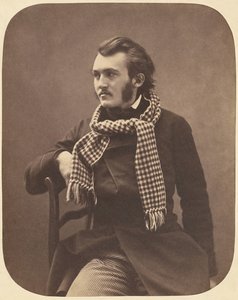
Paul Gustave Doré
1832 - 1883 , Francia
Datos clave
- Artistas Que Influyeron: ['J.J. Grandville']
- Estilo Artístico: Romanticismo
- Fecha De Muerte: 23 de enero de 1883
- Fecha De Nacimiento: 6 de enero de 1832
- Influenciado A Artistas: ['Vincent van Gogh']
- Lugar De Nacimiento: Estrasburgo, Francia
- Nacionalidad: Francés
- Nombre Completo: Paul Gustave Doré
- Obras Notables:
- Los Trabajos de Hércules
- Don Quijote (ilustraciones)
- La Divina Comedia
- El Cuervo
- Londres: Un Peregrinaje
Artículos relacionados

Más allá del blanco y negro: 10 obras maestras definidas por tonos grises
Descubre la elegancia de los tonos grises en 10 obras maestras de Da Vinci, Monet y Dalí. Explora la profundidad del claroscuro y encuentra reproducciones al óleo de calidad museo para tu colección. Explora la colección completa en OriginalUniqueArt.com.

Visiones Divinas: Las 10 Mejores Obras Maestras del Arte Religioso
Embárcate en un viaje espiritual a través de 10 obras maestras del arte religioso. Desde el claroscuro de Caravaggio hasta la gracia de Rafael. Encuentra reproducciones de calidad museo para tu hogar. Explora la colección completa en OriginalUniqueArt.com.

Más allá del blanco y negro: 10 obras maestras definidas por tonos grises
Descubre la elegancia de los tonos grises en 10 obras maestras icónicas. Desde el sfumato de Da Vinci hasta el impresionismo de Monet, explora la fuerza del claroscuro y encuentra reproducciones de calidad museo para tu hogar. Explora la colección completa en OriginalUniqueArt.com.

Visiones Divinas: Las 10 Obras Maestras del Arte Religioso que Debes Conocer
Explora 10 obras maestras del arte religioso, desde el drama de Caravaggio hasta la gracia de Rafael. Descubre historias de fe, luz y técnica clásica para inspirar tu decoración con reproducciones de museo. Explora la colección completa en OriginalUniqueArt.com.

The Silent Language of Line: Mastering Hatching and Cross-Hatching for Depth and Texture
Master the art of hatching and cross-hatching with our expert guide. Explore the historical evolution from Renaissance masters like Dürer to modern techniques for creating profound depth, texture, and light in your drawings and printmaking.


