Ver en contexto
 Enviar
 Compartir
 Detalles

 Descargar
 Similares
 Radiografía
 Presentación de diapositivas
 Estadísticas
El Jardín


 Ver más
Giclée / Impresión de arte
Impresiones giclée o en lienzo de calidad de museo con producción rápida y opciones de acabado flexibles. ( Comprar pintura hecha a mano Cambiar a imagen digital)




P118B $10

P118H $10

P118W $10

P438Z $10

P508JH $12

P508YH $12

P805H $10

P805Z $10

P919BZ $10

P919G $10

P919XJ $10

P959ZH $10

P968JZ $12

W106C $8

W218G $10

W218JH $8

W218Y $10

W307PJ $10

W316G $10

W316PJ $8

W316Y $10

W398PJ $8

W4111J $10

W500HY $15

W500JH $15

W692G $12

W849H $8

W940BG $15

W953PJ $8




Elija entre nuestros tamaños predefinidos que respetan las proporciones originales de la obra.

Puede introducir sus propias dimensiones para adaptarse a un marco o espacio específico. Si el tamaño seleccionado no coincide con las proporciones de la imagen original, recortaremos la obra de arte o extenderemos la imagen con un borde con efecto espejo o de color sólido. Se enviará una maqueta digital para su aprobación antes de que comience la producción.
Tenga en cuenta que la vista previa en pantalla no refleja el recorte o la extensión real. Solo la maqueta mostrará con precisión la composición final.
Aunque existen tamaños personalizados, recomendamos seleccionar una dimensión de la lista predefinida para preservar las proporciones originales.
Envío a todo el mundo () en 2 semanas en lugar de las 4/5 semanas estándar. (12 septiembre)

Envío exprés gratuito a todo el mundo

Lienzo de lino de alta calidad

Seguro de envío total

Garantía de reembolso de impuestos aduaneros

Garantía de fidelidad cromática exacta

Política de devolución de 100 días (solo por defectos)

Garantía de devolución del 100% del dinero

Descuento por cantidad
 La opción de vidrio solo está disponible en tamaños inferiores a 110 cm.

El Jardín
Giclée / Impresión de arte
Dimensiones de la reproducción
-


Precio total final
$ 80
The Orchard: A Vision of Geometric Harmony
Paul Cézanne’s The Orchard (c. 1877) stands as a cornerstone of Post-Impressionism, marking a decisive break from the fleeting impressions of light and color championed by Impressionists like Monet and Renoir. Instead of capturing momentary sensations, Cézanne sought to distill the essence of nature into fundamental geometric forms—a radical departure that profoundly influenced subsequent artistic movements, notably Cubism. This oil on canvas masterpiece resides in the Musée d’Orsay, Paris, offering visitors a glimpse into Cézanne's groundbreaking approach to landscape painting and his unwavering dedication to exploring the underlying structure of visual experience.Cézanne’s fascination with mathematics stemmed from his lifelong study of Apollonian geometry—a belief that he considered “the most beautiful form.” He meticulously analyzed the shapes of trees, rocks, and buildings, reducing them to cylinders, cones, and cubes – elements that would become central to his artistic vocabulary. This obsession isn't merely intellectual curiosity; it’s a deliberate effort to transcend illusion and represent reality with unwavering precision.
Analysis of Post-Impressionism Style
While Cézanne undeniably drew inspiration from Impressionist techniques—particularly the use of vibrant color palettes—he fundamentally rejected their preoccupation with optical effects. Unlike Impressionists who aimed to reproduce what the eye perceives, Cézanne prioritized conveying what he *knows* about his subject matter. This distinction is evident in the painting’s bold brushstrokes and deliberate flattening of perspective. The artist eschewed traditional aerial perspective, opting instead for a technique that emphasizes solidity and volume—a characteristic hallmark of Post-Impressionism.- Color Palette: Cézanne employed a muted palette dominated by greens, browns, and ochres, reflecting the subdued hues of the forest environment. However, he juxtaposed these earthy tones with splashes of brighter colors – primarily yellows and reds – to create visual interest and subtly suggest underlying emotional resonance.
- Brushstrokes: Cézanne’s brushwork is characterized by thick, impasto strokes that build up layers of pigment on the canvas surface. These textured marks aren't merely decorative; they actively contribute to the painting’s sculptural quality, conveying a sense of physicality and immediacy.
- Composition: The arrangement of elements within “The Orchard” adheres to Cézanne’s geometric principles—particularly the use of interlocking planes that create a dynamic interplay between foreground and background. This compositional strategy reinforces the painting's underlying structure and invites contemplation about its spatial relationships.
Elements of the Painting
The scene depicts an orchard bathed in dappled sunlight, dominated by mature trees with gnarled trunks and branches—a motif that Cézanne revisited repeatedly throughout his career. The inclusion of a humble house nestled amongst the foliage serves as a grounding element, providing scale and context to the expansive landscape. Cézanne’s meticulous observation of natural forms is palpable in every detail – from the contours of the tree bark to the subtle variations in color across the grass blades.- Trees: The trees are rendered with simplified geometric shapes—primarily cylinders and cones—that capture their essential form while simultaneously conveying a sense of movement and dynamism.
- Grass: Cézanne’s depiction of grass utilizes horizontal brushstrokes to create a textured surface that mimics the undulating contours of the meadow.
- House: The house is positioned strategically within the composition, anchoring the scene and emphasizing its relationship to the surrounding trees.
Symbolism and Emotional Impact
Beyond its formal innovations, “The Orchard” possesses a profound symbolic significance—reflecting Cézanne’s preoccupation with themes of permanence and transformation. The artist sought to capture not merely what he saw but also what he felt—a desire to express the underlying spiritual essence of nature. Cézanne's work invites viewers to engage in a meditative contemplation about the beauty and complexity of the natural world, prompting us to consider how art can transcend mere representation and communicate deeper truths.Handmade oil painting reproductions of The Orchard and other masterpieces by Cézanne are available at https://OriginalUniqueArt.com.
Biografía del artista
vida temprana e influencias
paul cézanne, un pintor postimpresionista francés, nació el 19 de enero de 1839 en Aix-en-Provence, Francia. Su vida temprana estuvo marcada por una fuerte conexión con la empresa bancaria de su familia, lo que le proporcionó seguridad financiera. Esto le permitió concentrarse en sus aspiraciones artísticas sin la carga del estrés financiero. les nabis, neoimpresionismo y simbolismo influyeron en el trabajo temprano de Cézanne, que se caracterizó por su énfasis en las formas geométricas y una paleta de colores limitada. Su interés en las obras de paul gauguin y georges seurat fortaleció aún más su estilo postimpresionista.estilo artístico y técnicas
El uso innovador de Cézanne de los planos de color y pequeños trazos repetitivos creó campos complejos que transmitían su intenso estudio de los temas. Su enfoque a menudo exploratorio del arte condujo al desarrollo de un nuevo lenguaje pictórico, que enfatizaba la estructura subyacente de los objetos en una composición.- características clave:
- formas geométricas y facetado
- paleta de colores reducida
- énfasis en la esencia constructiva del mundo físico
- múltiples perspectivas y simultaneidad
- obras influyentes:
- el estanque de jas de bouffan (1880)
- retrato de emile zola (1866)
- bosque (1892)
- museos que exhiben el trabajo de Cézanne:
- museo marmottan monet en París, Francia
- el museo de bellas artes en Houston, Estados Unidos
legado e impacto
El trabajo pionero de Cézanne en el postimpresionismo allanó el camino para diversos movimientos vanguardistas, incluyendo cubismo, fauvismo y surrealismo. Su influencia se puede ver en las obras de pablo picasso, henri matisse y georges braque. El legado de Cézanne continúa inspirando a artistas y entusiastas del arte por igual, consolidando su lugar como una figura fundamental en la historia del arte moderno.- movimientos artísticos relacionados:
- vea las obras de Cézanne:
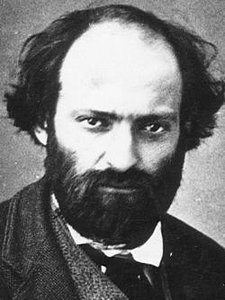
Paul Cézanne
1839 - 1906 , Francia
Datos clave
- Artistas Que Influyeron:
- Paul Gauguin
- Georges Seurat
- Estilo Artístico: Postimpresionismo
- Fecha De Muerte: Octubre 22, 1906
- Fecha De Nacimiento: 19 de enero de 1839
- Influenciado A Artistas:
- Pablo Picasso
- Henri Matisse
- Georges Braque
- Lugar De Nacimiento: Aix-en-Provence, Francia
- Nacionalidad: Francés
- Nombre Completo: Paul Cézanne
- Obras Notables:
- El estanque de Jas de Bouffan
- Retrato de Émile Zola
- Bosque
- Grandes Bañistas
Artículos relacionados
Paul Klee: Las 25 Obras Maestras que Definen un Genio del Arte Moderno | OriginalUniqueArt
Descubre las 25 obras maestras de Paul Klee, el genio del arte moderno. Explora su expresionismo único, composiciones abstractas y vibrantes paletas de colores. Reproducciones de alta calidad y decoración con arte en OriginalUniqueArt.com.
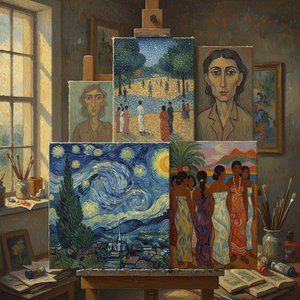
Más Allá del Impresionismo: Profundizando en la Emoción y el Simbolismo Postimpresionista
Descubre la profundidad emocional y el simbolismo del Postimpresionismo con OriginalUniqueArt. Análisis experto de Cézanne, Van Gogh, Gauguin y más. Explora la historia y el legado de este fascinante movimiento artístico.

Impresionismo: 10 Obras Maestras que Capturan la Luz y el Momento
Descubre 10 obras maestras del impresionismo de Monet, Renoir y Degas. Explora la luz, el color y las historias detrás de estos icónicos cuadros. Reproducciones de arte en OriginalUniqueArt.com para decorar tu hogar con estilo.

Paul Cézanne: Las 25 Obras Maestras que Definieron el Arte Moderno | OriginalUniqueArt
Descubre las 25 obras maestras de Paul Cézanne que revolucionaron el arte moderno. Explora su técnica, inspiración y significado en paisajes, bodegones y retratos. Reproducciones de alta calidad para decorar tu hogar con arte inolvidable. ¡Explora la colección completa en OriginalUniqueArt.com!

Los 10 Maestros del Paisaje Impresionista: Obras que Cambiaron la Historia del Arte
Descubre los 10 lienzos impresionistas que revolucionaron el arte. Monet, Renoir y más… Explora la historia, técnica y belleza de cada obra maestra. Encuentra reproducciones de alta calidad para tu hogar en OriginalUniqueArt.com.