Vista previa
 Compartir
 Compartir
 Ver detalles

 Descargar
 Ver artículos similares
 Radiografía
 Presentación de diapositivas
 Estadísticas
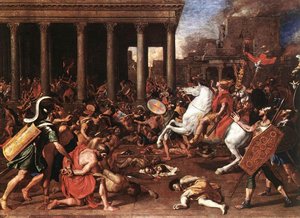
Votaria de Baco

 Leer más
Giclée / Impresión de arte
Impresiones giclée o en lienzo de calidad de museo con producción rápida y opciones de acabado flexibles. ( Encargar reproducción pintada a mano Ver versión en imagen digital)




P118B $10

P118H $10

P118W $10

P438Z $10

P508JH $12

P508YH $12

P805H $10

P805Z $10

P919BZ $10

P919G $10

P919XJ $10

P959ZH $10

P968JZ $12

W106C $8

W218G $10

W218JH $8

W218Y $10

W307PJ $10

W316G $10

W316PJ $8

W316Y $10

W398PJ $8

W4111J $10

W500HY $15

W500JH $15

W692G $12

W849H $8

W940BG $15

W953PJ $8




Elija entre nuestros tamaños predefinidos que respetan las proporciones originales de la obra.

Puede introducir sus propias dimensiones para adaptarse a un marco o espacio específico. Si el tamaño seleccionado no coincide con las proporciones de la imagen original, recortaremos la obra de arte o extenderemos la imagen con un borde con efecto espejo o de color sólido. Se enviará una maqueta digital para su aprobación antes de que comience la producción.
Tenga en cuenta que la vista previa en pantalla no refleja el recorte o la extensión real. Solo la maqueta mostrará con precisión la composición final.
Aunque existen tamaños personalizados, recomendamos seleccionar una dimensión de la lista predefinida para preservar las proporciones originales.
Envío a todo el mundo () en 2 semanas en lugar de las 4/5 semanas estándar. (20 septiembre)

Envío exprés gratuito a todo el mundo

Lienzo de lino de alta calidad

Seguro de envío completo

Garantía de reembolso de impuestos aduaneros

Garantía de fidelidad cromática exacta

Política de devolución de 100 días (solo por defectos)

Garantía de devolución del 100% del dinero

Oferta por volumen
 La opción de vidrio solo está disponible en tamaños inferiores a 110 cm.

Votaria de Baco
Giclée / Impresión de arte
Tamaño de la reproducción
-


Precio total
$ 80
The Lady of Auxerre: A Silent Smile Across Time
The discovery of the Lady of Auxerre in 1907—a limestone sculpture unearthed from a Parisian storage vault—immediately captivated the public imagination, fueling speculation about its origins and artistic significance. This enigmatic Kore, dating back to approximately 650-625 BCE, stands as a testament to the Archaic Greek style, embodying an aesthetic that continues to fascinate scholars and artists alike. Found in Eleutherna and Gortyn, Crete, excavations conducted by Nikolaos Stampolidis have solidified its provenance and illuminated the broader artistic landscape of early Greece.- Provenance: The sculpture’s journey began in obscurity within a Parisian museum vault before being rediscovered in 1907, sparking considerable journalistic interest.
- Style: Representing an Archaic Greek masterpiece, the Lady embodies characteristics of Daedalic art—a style marked by meticulous modeling and incised ornamentation—reflecting influences from Minoan and Egyptian traditions.
- Technique: Crafted from limestone, the Lady showcases exceptional sculptural skill, demonstrating mastery of modeling and incising techniques. The surface is adorned with intricate spiral curls and geometric patterns—incised designs that contribute to the sculpture’s overall visual impact.
- Historical Context: Emerging from the Dark Age, Archaic Greek art represents a pivotal moment in European cultural history—a transition toward rational thought and artistic sophistication. The Lady’s presence serves as a tangible link to this formative era, inviting viewers to contemplate the enduring legacy of classical aesthetics.
Exploring Nicolas Poussin’s “Dancing Votary of Bacchus”
Nicolas Poussin's "Dancing Votary of Bacchus," completed around 1630-1635, stands as an exemplar of Baroque painting—characterized by dramatic lighting, dynamic composition, and meticulous attention to detail. This captivating artwork delves into themes of mythology, spirituality, and human emotion, capturing the essence of classical ideals within a vibrant visual language.- Composition: The painting’s circular frame draws viewers inward, emphasizing the central figure—a nude man holding a wine goblet—who embodies both physical grace and intellectual contemplation.
- Technique: Executed primarily in wash and brown ink over traces of black chalk, Poussin's technique demonstrates mastery of pigment blending and tonal gradation—essential elements for achieving realistic visual effects.
- Symbolism: The nude figure represents purity and vulnerability, while the wine goblet symbolizes divine inspiration and sensual pleasure. These symbolic elements converge to convey a profound meditation on human experience and the relationship between art and spirituality.
A Window Into Ancient Greece: The Significance of Archaic Sculpture
Archaic sculpture represents a transformative moment in European art history—a transition from stylized conventions toward rational thought and artistic realism. Figures like the Lady of Auxerre exemplify this burgeoning aesthetic, embodying ideals of feminine beauty and spiritual serenity while simultaneously reflecting influences from Minoan and Egyptian traditions.- Influence: Archaic sculpture drew inspiration from Minoan and Egyptian art—demonstrating the interconnectedness of cultural traditions across ancient Greece.
- Formal Characteristics: Archaic sculptures are characterized by stylized modeling and incised ornamentation—techniques that prioritize visual harmony and intellectual rigor over naturalistic representation.
The Enduring Legacy of Classical Aesthetics: Reflections on “Dancing Votary”
Nicolas Poussin's "Dancing Votary of Bacchus" stands as a cornerstone of Baroque painting—characterized by dramatic lighting, dynamic composition, and meticulous attention to detail. The artwork’s exploration of mythology, spirituality, and human emotion continues to resonate with audiences today—affirming its place as one of the most celebrated artworks of the seventeenth century.- Emotional Impact: The painting evokes feelings of serenity, contemplation, and wonder—reflecting the Baroque aesthetic's commitment to conveying profound emotional experiences through visual imagery.
- Interpretations: Scholars continue to debate “Dancing Votary”'s symbolism—examining its representation of femininity, spirituality, and human emotion through the lens of classical ideals.
Contemporary Appreciation: Why “The Lady of Auxerre” Still Matters Today
Despite its antiquity, The Lady of Auxerre retains an astonishing relevance in contemporary art discourse—inspiring artists and collectors alike with its profound contemplation of human experience and spiritual transcendence. Its serene expression—often termed “the archaic smile”—continues to captivate viewers—serving as a symbol of artistic excellence and intellectual rigor.- Influence on Modern Art: The Lady’s stylistic innovations—particularly her modeling techniques and incised ornamentation—have exerted an enduring influence on subsequent generations of artists—inspiring them to explore new visual languages while upholding classical aesthetic ideals.
- Symbolic Resonance: The Lady’s attire—a tubular dress embellished with brooches concealed beneath her hair—represents a fusion of Minoan and Egyptian stylistic elements—highlighting the interconnectedness of cultural traditions across ancient Greece.
Biografía del artista
vida temprana y formación
nicolás poussin, nacido en junio de 1594, fue la quintaesencia de la pintura barroca francesa clásica. A pesar de pasar la mayor parte de su carrera en Roma, permaneció profundamente arraigado en las tradiciones artísticas francesas. Sus primeros días como pintor estuvieron envueltos en incertidumbre, pero ya en 1612 había iniciado estudios formales en París, absorbiendo influencias de artistas menos conocidos antes de ser atraído a Roma en 1624.estilo artístico e influencias
El estilo estético de Poussin, celebrado por su composición coherente y priorización de la linealidad, sentó un precedente que influyó en maestros como jacques-luís david y paul cézanne bien hasta el siglo XX. Su estilo distintivo se cristalizó a través de obras maestras como la muerte de germanicus y su seminal serie de los siete sacramentos.obras notables y museos
- nicolás poussin: autorretrato 1 (barroco, óleo), un testimonio de su maestría en el medio.
- bacanal frente a un templo (74 x 101 cm, Legión de Honor, San Francisco, Estados Unidos, óleo sobre lienzo), que muestra su capacidad para equilibrar la composición y la narrativa.
- el musée des beaux-arts de carcassonne, un destino imprescindible para los amantes del arte, que alberga una impresionante colección de pinturas occidentales desde el siglo XVII hasta el XX.
legado e impacto
La lealtad de Poussin permaneció en Roma, donde finalmente se centró en incorporar paisajes expansivos a su arte. Su madurez como artista está encapsulada en obras como Orión ciego buscando el sol y las estaciones, que anunciaron una era de composición rigurosa impregnada de la belleza serena del mundo natural.explore más con OriginalUniqueArt.com
descubra las obras maestras del musée france e inicie su viaje al mundo de la pintura barroca francesa con musée picasso, musée des beaux-arts de carcassonne y otros museos notables. Visite la página de nicolás poussin en OriginalUniqueArt.com para explorar más de sus obras y aprender sobre el contexto en el que fueron creadas.referencias

Nicolás Poussin
1594 - 1665 , Francia
Datos clave
- Artistas Influenciados:
- Jacques-Louis David
- Paul Cézanne
- Artistas Que Influyeron:
- Rafael
- Tiziano
- Fecha De Muerte: 1665
- Fecha De Nacimiento: Junio de 1594
- Lugar De Nacimiento: Le Havre, Francia
- Movimiento Artístico: Barroco clásico
- Nacionalidad: Francés
- Nombre Completo: Nicolás Poussin
- Obras Notables:
- La Muerte de Germanicus
- Los Siete Sacramentos
- Una Carretera Romana
- Orion Ciego Buscando el Sol
- Las Estaciones
Artículos relacionados

The Enduring Form: Sculpture Across History, Technique & Emotional Resonance
Explore the rich history of sculpture with OriginalUniqueArt. Discover key techniques, influential artists & investment potential for discerning collectors. Expert insights into valuing and collecting timeless masterpieces.

Esculturas de Bronce Legendarias: 10 Obras Maestras que Transformaron el Arte | OriginalUniqueArt
Descubre las 10 esculturas de bronce más legendarias que revolucionaron el arte. Explora la historia de Rodin, Degas y otros maestros del bronce. Encuentra reproducciones de alta calidad e inspiración para tu hogar en OriginalUniqueArt.com.

Las 10 Obras Maestras de Bronce que Revolucionaron la Historia del Arte | OriginalUniqueArt
Descubre las 10 esculturas de bronce más influyentes de la historia del arte. Explora obras maestras de Rodin, Degas y otros genios. Encuentra reproducciones de arte de calidad museo en OriginalUniqueArt.com.

The Enduring Allure of Marble in Art History: From Classical Sculpture to Modern Abstraction
Explore the captivating history of marble sculpture from ancient Greece to modern art. Discover renowned artists like Canova & Michelangelo, carving techniques, and investment insights at OriginalUniqueArt.

The Enduring Form: Exploring Themes & Techniques in Sculpture Across Historical Periods
Explore the rich history of sculpture from ancient masterpieces to contemporary innovations. Discover key techniques, influential artists & investment potential for discerning art collectors.