Vista previa
 Compartir
 Compartir
 Ver detalles

 Descargar
 Ver artículos similares
 Radiografía
 Presentación de diapositivas
 Estadísticas
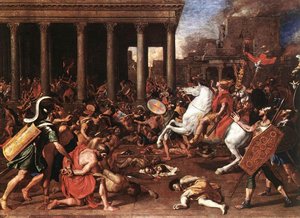
La Confirmación


 Leer más
Reproducción al óleo hecha a mano
Óleo sobre lienzo pintado a mano en el tamaño y marco de su elección, realizado por encargo por nuestros artistas. ( Cambiar a formato impreso Ver versión en imagen digital)




P118B $10

P118H $10

P118W $10

P438Z $10

P508JH $12

P508YH $12

P805H $10

P805Z $10

P919BZ $10

P919G $10

P919XJ $10

P959ZH $10

P968JZ $12

W106C $8

W218G $10

W218JH $8

W218Y $10

W307PJ $10

W316G $10

W316PJ $8

W316Y $10

W398PJ $8

W4111J $10

W500HY $15

W500JH $15

W692G $12

W849H $8

W940BG $15

W953PJ $8




Elija entre nuestros tamaños predefinidos que respetan las proporciones originales de la obra.

Puede ingresar sus propias dimensiones para adaptarse a un marco o espacio específico. Si el tamaño seleccionado no coincide con las proporciones de la imagen original, recortaremos la obra o extenderemos la pintura con elementos adicionales pintados a mano. Se le enviará una maqueta digital para su aprobación antes de comenzar la producción.
Tenga en cuenta que la vista previa en pantalla no refleja el recorte o la extensión reales. Solo la maqueta mostrará con precisión la composición final.
Si bien existen tamaños personalizados, recomendamos seleccionar una dimensión de la lista predefinida para preservar las proporciones originales.
Tras realizar el pedido, el equipo de OriginalUniqueArt.com enviará un correo electrónico al cliente para solicitar instrucciones y proporcionarle una vista previa del boceto.
Envío a todo el mundo () en 3-4 semanas en lugar de las 5 semanas estándar. (19 septiembre). Sin comprometer la calidad.

Envío exprés gratuito a todo el mundo

Lienzo de lino de alta calidad

Seguro de envío completo

Garantía de reembolso de impuestos aduaneros

Garantía de fidelidad cromática exacta

Política de devolución de 100 días (solo por defectos)

Garantía de devolución del 100% del dinero

Oferta por volumen
 La opción de vidrio solo está disponible en tamaños inferiores a 110 cm.

La Confirmación
Técnica de reproducción
Tamaño de la reproducción
-


Precio total
$ 300
La Confirmación
La pintura de Nicolas Poussin, La Confirmación, es una obra maestra artística que demuestra el talento del artista por capturar la esencia de una reunión animada. Creada en 1649, esta pintura al óleo sobre lienzo representa con excelencia el estilo clásico.
Composición y Estilo
La composición de la pintura se caracteriza por un sentido de armonía y equilibrio, donde las figuras están dispuestas para crear una sensación de profundidad y movimiento. El uso del óleo sobre lienzo permite alcanzar un nivel de detalle y textura que añade al realismo general de la escena. Nicolas Poussin demuestra su maestría en el estilo clásico mediante el empleo de luz y sombra para generar volumen y profundidad.
Contexto Histórico
El Instituto de Artes de Detroit posee una extensa colección de arte mundial, incluyendo obras de Nicolas Poussin. Para conocer más sobre la colección del museo, visite Descubriendo el Instituto de Artes de Detroit. Además, para profundizar en las obras de Nicolas Poussin, como El Masacre de los Innocentes, visite Nicolas Poussin: El Masacre de los Innocentes.
- Otras obras destacadas por Nicolas Poussin incluyen La Continencia de Escipión, que puede encontrarse en Nicolas Poussin: La Continencia de Escipión.
- Para obtener más información sobre el artista, visite Nicolas Poussin.
Las reproducciones hechas a mano de La Confirmación están disponibles en Nicolas Poussin: La Confirmación.
El Museo Kimbell también cuenta con una impresionante colección de arte, incluyendo obras de Salvatore Rosa, como Pitágoras Emergente del Infierno, que puede encontrarse en Salvatore Rosa: Pitágoras Emergente del Infierno.
La pintura captura la esencia de una reunión animada donde las personas se unen para celebrar o discutir asuntos importantes. El artista demuestra su talento para crear escenas dinámicas que atraen la atención y el interés del espectador. Esta obra maestra clásica refleja los ideales estéticos de la época, utilizando técnicas avanzadas como el óleo sobre lienzo para lograr un nivel excepcional de detalle y profundidad emocional.
La imagen muestra una composición equilibrada donde las figuras están colocadas estratégicamente para guiar el ojo hacia el centro de interés: el acto de confirmación. La iluminación cuidadosamente gestionada crea volumen y profundidad, resaltando la solemnidad del evento religioso representado. Los colores suaves pero ricos contribuyen a transmitir la atmósfera espiritual de la escena.
El Instituto de Artes de Detroit ofrece una oportunidad única para admirar esta obra maestra junto con otras piezas destacadas de arte internacional. ¡Una experiencia enriquecedora para cualquier amante del arte!
Biografía del artista
vida temprana y formación
nicolás poussin, nacido en junio de 1594, fue la quintaesencia de la pintura barroca francesa clásica. A pesar de pasar la mayor parte de su carrera en Roma, permaneció profundamente arraigado en las tradiciones artísticas francesas. Sus primeros días como pintor estuvieron envueltos en incertidumbre, pero ya en 1612 había iniciado estudios formales en París, absorbiendo influencias de artistas menos conocidos antes de ser atraído a Roma en 1624.estilo artístico e influencias
El estilo estético de Poussin, celebrado por su composición coherente y priorización de la linealidad, sentó un precedente que influyó en maestros como jacques-luís david y paul cézanne bien hasta el siglo XX. Su estilo distintivo se cristalizó a través de obras maestras como la muerte de germanicus y su seminal serie de los siete sacramentos.obras notables y museos
- nicolás poussin: autorretrato 1 (barroco, óleo), un testimonio de su maestría en el medio.
- bacanal frente a un templo (74 x 101 cm, Legión de Honor, San Francisco, Estados Unidos, óleo sobre lienzo), que muestra su capacidad para equilibrar la composición y la narrativa.
- el musée des beaux-arts de carcassonne, un destino imprescindible para los amantes del arte, que alberga una impresionante colección de pinturas occidentales desde el siglo XVII hasta el XX.
legado e impacto
La lealtad de Poussin permaneció en Roma, donde finalmente se centró en incorporar paisajes expansivos a su arte. Su madurez como artista está encapsulada en obras como Orión ciego buscando el sol y las estaciones, que anunciaron una era de composición rigurosa impregnada de la belleza serena del mundo natural.explore más con OriginalUniqueArt.com
descubra las obras maestras del musée france e inicie su viaje al mundo de la pintura barroca francesa con musée picasso, musée des beaux-arts de carcassonne y otros museos notables. Visite la página de nicolás poussin en OriginalUniqueArt.com para explorar más de sus obras y aprender sobre el contexto en el que fueron creadas.referencias

Nicolás Poussin
1594 - 1665 , Francia
Datos clave
- Artistas Influenciados:
- Jacques-Louis David
- Paul Cézanne
- Artistas Que Influyeron:
- Rafael
- Tiziano
- Fecha De Muerte: 1665
- Fecha De Nacimiento: Junio de 1594
- Lugar De Nacimiento: Le Havre, Francia
- Movimiento Artístico: Barroco clásico
- Nacionalidad: Francés
- Nombre Completo: Nicolás Poussin
- Obras Notables:
- La Muerte de Germanicus
- Los Siete Sacramentos
- Una Carretera Romana
- Orion Ciego Buscando el Sol
- Las Estaciones
Artículos relacionados
Guido Reni: A Study in Baroque Classicism & Artistic Perfection
Explore the life & work of Guido Reni, a master of Baroque classicism. Discover his iconic religious & mythological paintings, and understand his enduring influence on art history. Expert analysis for collectors.
Nicolas Poussin: Classicism, Allegory & Order in 17th-Century French Painting
Explore the life & work of Nicolas Poussin, a master of French Classicism. Discover his allegorical paintings, Roman influences, and enduring impact on art history. Expert analysis & insights.
El Legado Perenne del Clasicismo: Principios Fundamentales, Evolución e Influencia en el Arte Occidental
Descubre la historia del arte clásico occidental: desde sus orígenes en Grecia y Roma hasta su influencia en el Renacimiento y las corrientes contemporáneas. Análisis experto, artistas clave y obras maestras imperdibles.
Resonancia Atemporal: Explorando el Vibe Clásico en el Arte – Un Análisis Histórico y Estético
Explora la atemporal belleza del arte clásico y neoclásico con nuestro análisis histórico y estético. Descubre cómo integrar estos estilos en tu hogar con OriginalUniqueArt.com.

Los 10 Maestros del Neoclasicismo: Obras que Definieron una Era |
Descubre los 10 imprescindibles del Neoclasicismo con . Obras de David, Ingres y Canova que marcaron una era. Historia, técnica y significado de cada pieza. Encuentra reproducciones de arte de museo en