Vista previa
 Compartir
 Compartir
 Ver detalles
 Guía
Guía

 Descargar
 Ver artículos similares
 Radiografía
 Presentación de diapositivas
 Estadísticas
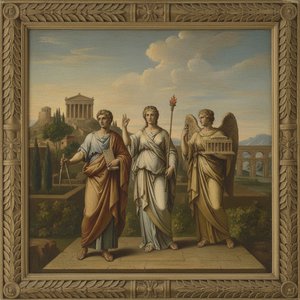
Santa Cecilia
 Acrílico sobre lienzo
- Arte de pared
- Baroque Classicismo
 1627
1627- Renacimiento
 118.0 x 88.0 cm
 Museo del Prado
 Leer más
Giclée / Impresión de arte
Impresiones giclée o en lienzo de calidad de museo con producción rápida y opciones de acabado flexibles. ( Encargar reproducción pintada a mano Ver versión en imagen digital)




P118B €10

P118H €10

P118W €10

P438Z €10

P508JH €12

P508YH €12

P805H €10

P805Z €10

P919BZ €10

P919G €10

P919XJ €10

P959ZH €10

P968JZ €12

W106C €8

W218G €10

W218JH €8

W218Y €10

W307PJ €10

W316G €10

W316PJ €8

W316Y €10

W398PJ €8

W4111J €10

W500HY €15

W500JH €15

W692G €12

W849H €8

W940BG €15

W953PJ €8




Elija entre nuestros tamaños predefinidos que respetan las proporciones originales de la obra.

Introduzca el ancho y el alto que necesite para adaptarse a su marco o pared. Una impresión solo puede recortarse, nunca hacerse más grande que la imagen original, por lo que un tamaño con una forma distinta perderá parte de la obra. Le enviaremos una maqueta digital para su aprobación antes de realizar cualquier impresión. La imagen que se muestra en esta página no refleja el recorte real; solo la maqueta lo hace.
Envío a todo el mundo () en 2 semanas en lugar de las 4/5 semanas estándar. (18 octubre)

Envío exprés gratuito a todo el mundo

Lienzo de lino de alta calidad

Seguro de envío completo

Garantía de reembolso de impuestos aduaneros

Garantía de fidelidad cromática exacta

Política de devolución de 100 días (solo por defectos)

Garantía de devolución del 100% del dinero

Oferta por volumen
 La opción de vidrio solo está disponible en tamaños inferiores a 110 cm.

Santa Cecilia
Giclée / Impresión de arte
Tamaño de la reproducción
-


Precio total
€ 70
A Masterpiece Illuminated by Light and Line
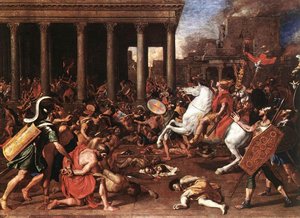
Nicolas Poussin’s St. Cecilia transcends mere representation; it embodies the very essence of classical idealism—a testament to Poussin's unparalleled ability to distill complex theological concepts into breathtaking visual harmony. Executed in 1627 and currently residing within the hallowed halls of Museo del Prado in Madrid, Spain, this painting stands as a cornerstone of French Baroque art and continues to captivate audiences centuries later.The Composition: Balance and Narrative
At first glance, St. Cecilia presents a meticulously crafted scene depicting Saint Cecilia playing the organ while surrounded by children—a poignant depiction of devotion and innocence against a backdrop of monumental grandeur. The artist’s genius lies in establishing a profound equilibrium between disparate elements: St. Cecilia herself dominates the central space, her instrument positioned prominently as a focal point for visual attention. Surrounding her are figures representing youthful exuberance and piety, creating an interplay of movement and stillness that draws the viewer into the narrative unfolding before their eyes. The columnar architecture serves not merely as structural support but also as a symbolic conduit connecting heaven and earth—a deliberate allusion to Christian cosmology.Artistic Significance: Classical Refinement
Poussin’s stylistic approach distinguishes him from his contemporaries, prioritizing clarity of form and linear perspective—characteristics deeply rooted in Renaissance ideals that he skillfully adapted to the Baroque idiom. The masterful use of oil on canvas allows for a remarkable richness of color and texture, imbuing the scene with palpable warmth and luminosity. Furthermore, Poussin’s technique demonstrates an unwavering commitment to idealized representation, subtly elevating the figures depicted beyond mere realism—a hallmark of classical art that sought to capture beauty and virtue as transcendent concepts. This meticulous attention to detail reflects a profound understanding of artistic principles honed through extensive study of Greco-Roman sculpture and architecture.Contextualizing St Cecilia: Poussin's Wider Vision
To fully appreciate St. Cecilia’s significance, it is crucial to consider its place within Poussin's broader artistic oeuvre—particularly his monumental painting Parnasus, also housed at Museo del Prado. Like Parnasus, St Cecilia exemplifies Poussin’s masterful command of mythological themes and his unwavering devotion to classical aesthetics—a stylistic continuity that underscores the artist's enduring influence on subsequent generations of painters. Comparing St Cecilia with works by Diego Velázquez and Apollo in the Forge of Vulcan reveals a shared preoccupation with grandeur and formal elegance—artists who similarly embraced classical ideals while innovating within the Baroque framework.Conclusion: An Eternal Echo
St. Cecilia remains an unparalleled achievement of artistic expression—a luminous embodiment of classical grace and theological contemplation. Its enduring appeal stems from Poussin’s ability to transform complex ideas into visually arresting compositions that resonate with viewers across time and culture. OriginalUniqueArt offers exceptional reproductions of St. Cecilia—allowing you to experience the sublime beauty of this masterpiece in your own home. Explore more of Nicolas Poussin’s captivating works at Nicolas Poussin: St. Cecilia and Nicolas Poussin: Parnasus.Preguntas y respuestas
¿Qué tamaño de reproducción se sugiere para "Santa Cecilia" de Nicolás Poussin?
El tamaño de impresión recomendado para "Santa Cecilia" de Nicolás Poussin es Gran formato.
¿Qué artista y qué estilo están detrás de "Santa Cecilia"?
Nicolás Poussin creó "Santa Cecilia" dentro del movimiento Baroque Classicismo.
¿Qué tan intensos son los colores de "Santa Cecilia"?
"Santa Cecilia" de Nicolás Poussin está registrado con una saturación de Presencia de color nítida y una intensidad de Equilibrado.
Biografía del artista
vida temprana y formación
nicolás poussin, nacido en junio de 1594, fue la quintaesencia de la pintura barroca francesa clásica. A pesar de pasar la mayor parte de su carrera en Roma, permaneció profundamente arraigado en las tradiciones artísticas francesas. Sus primeros días como pintor estuvieron envueltos en incertidumbre, pero ya en 1612 había iniciado estudios formales en París, absorbiendo influencias de artistas menos conocidos antes de ser atraído a Roma en 1624.estilo artístico e influencias
El estilo estético de Poussin, celebrado por su composición coherente y priorización de la linealidad, sentó un precedente que influyó en maestros como jacques-luís david y paul cézanne bien hasta el siglo XX. Su estilo distintivo se cristalizó a través de obras maestras como la muerte de germanicus y su seminal serie de los siete sacramentos.obras notables y museos
- nicolás poussin: autorretrato 1 (barroco, óleo), un testimonio de su maestría en el medio.
- bacanal frente a un templo (74 x 101 cm, Legión de Honor, San Francisco, Estados Unidos, óleo sobre lienzo), que muestra su capacidad para equilibrar la composición y la narrativa.
- el musée des beaux-arts de carcassonne, un destino imprescindible para los amantes del arte, que alberga una impresionante colección de pinturas occidentales desde el siglo XVII hasta el XX.
legado e impacto
La lealtad de Poussin permaneció en Roma, donde finalmente se centró en incorporar paisajes expansivos a su arte. Su madurez como artista está encapsulada en obras como Orión ciego buscando el sol y las estaciones, que anunciaron una era de composición rigurosa impregnada de la belleza serena del mundo natural.explore más con OriginalUniqueArt.com
descubra las obras maestras del musée france e inicie su viaje al mundo de la pintura barroca francesa con musée picasso, musée des beaux-arts de carcassonne y otros museos notables. Visite la página de nicolás poussin en OriginalUniqueArt.com para explorar más de sus obras y aprender sobre el contexto en el que fueron creadas.referencias

Nicolás Poussin
1594 - 1665 , Francia
Datos clave
- Artistas Influenciados:
- Jacques-Louis David
- Paul Cézanne
- Artistas Que Influyeron:
- Rafael
- Tiziano
- Fecha De Muerte: 1665
- Fecha De Nacimiento: Junio de 1594
- Lugar De Nacimiento: Le Havre, Francia
- Movimiento Artístico: Barroco clásico
- Nacionalidad: Francés
- Nombre Completo: Nicolás Poussin
- Obras Notables:
- La Muerte de Germanicus
- Los Siete Sacramentos
- Una Carretera Romana
- Orion Ciego Buscando el Sol
- Las Estaciones
Artículos relacionados
Baroque Classicism: Reconciling Drama & Order in 17th-Century Art
Explore the captivating world of Baroque Classicism! Discover its history, key artists like Caravaggio & Rubens, and defining characteristics. Expert insights & high-quality reproductions at OriginalUniqueArt.

El Greco: Las 25 Obras Maestras que Definen un Genio del Arte y la Fe
Descubre las 25 obras maestras de El Greco, el genio del Renacimiento español. Explora su arte religioso, manierismo y la historia detrás de cuadros icónicos como 'El Entierro del Conde de Orgaz'. Encuentra reproducciones de alta calidad en OriginalUniqueArt.com.
Barroco en su Esplendor: 10 Obras Maestras que Definieron una Época | OriginalUniqueArt
Descubre las 10 obras maestras del Barroco que revolucionaron el arte. Caravaggio, Rembrandt y Velázquez te esperan en OriginalUniqueArt. Reproducciones de alta calidad para decorar tu hogar con la grandeza de este estilo. ¡Explora la colección online!
Las 25 Obras Maestras del Prado: Arte Español e Inspiración para tu Hogar
Descubre las 25 obras maestras del Museo del Prado: Velázquez, Goya, El Greco y más. Explora la historia, técnica y belleza de cada cuadro español. Encuentra reproducciones de arte exclusivas e inspira tu hogar con OriginalUniqueArt.com.
Nicolas Poussin: Classicism, Allegory & Order in 17th-Century French Painting
Explore the life & work of Nicolas Poussin, a master of French Classicism. Discover his allegorical paintings, Roman influences, and enduring impact on art history. Expert analysis & insights.