Vista previa
 Compartir
 Compartir
 Ver detalles
 Guía
Guía

 Descargar
 Ver artículos similares
 Radiografía
 Presentación de diapositivas
 Estadísticas
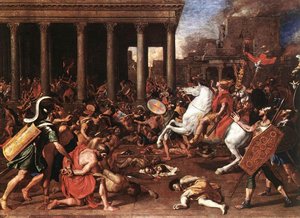
El Masacre de los Innocentes
 Óleo sobre lienzo
- Arte de pared
- Baroque
 1629
1629- Renacimiento
 147.0 x 171.0 cm
 Musée Condé
 Leer más
Giclée / Impresión de arte
Impresiones giclée o en lienzo de calidad de museo con producción rápida y opciones de acabado flexibles. ( Encargar reproducción pintada a mano Ver versión en imagen digital)




P118B €10

P118H €10

P118W €10

P438Z €10

P508JH €12

P508YH €12

P805H €10

P805Z €10

P919BZ €10

P919G €10

P919XJ €10

P959ZH €10

P968JZ €12

W106C €8

W218G €10

W218JH €8

W218Y €10

W307PJ €10

W316G €10

W316PJ €8

W316Y €10

W398PJ €8

W4111J €10

W500HY €15

W500JH €15

W692G €12

W849H €8

W940BG €15

W953PJ €8




Elija entre nuestros tamaños predefinidos que respetan las proporciones originales de la obra.

Puede introducir sus propias dimensiones para adaptarse a un marco o espacio específico. Si el tamaño seleccionado no coincide con las proporciones de la imagen original, recortaremos la obra de arte o extenderemos la imagen con un borde con efecto espejo o de color sólido. Se enviará una maqueta digital para su aprobación antes de que comience la producción.
Tenga en cuenta que la vista previa en pantalla no refleja el recorte o la extensión real. Solo la maqueta mostrará con precisión la composición final.
Aunque existen tamaños personalizados, recomendamos seleccionar una dimensión de la lista predefinida para preservar las proporciones originales.
Envío a todo el mundo () en 2 semanas en lugar de las 4/5 semanas estándar. (7 octubre)

Envío exprés gratuito a todo el mundo

Lienzo de lino de alta calidad

Seguro de envío completo

Garantía de reembolso de impuestos aduaneros

Garantía de fidelidad cromática exacta

Política de devolución de 100 días (solo por defectos)

Garantía de devolución del 100% del dinero

Oferta por volumen
 La opción de vidrio solo está disponible en tamaños inferiores a 110 cm.

El Masacre de los Innocentes
Giclée / Impresión de arte
Tamaño de la reproducción
-


Precio total
€ 69
The Massacre of the Innocents
Nicolas Poussin’s *The Massacre of the Innocents*, completed in 1629, stands as an emblem of Classicism and a poignant meditation on faith, violence, and human suffering. Housed at the Condé Museum in Chantilly, France, this monumental oil painting transcends mere depiction; it strives for profound emotional resonance and intellectual contemplation—a hallmark of Poussin’s artistic vision. Measuring 147 x 171 cm, the canvas embodies a masterful synthesis of observation and imagination, reflecting the humanist ideals championed by Renaissance thinkers like Michelangelo and Raphael. ### Artistic Style and Context Poussin's adherence to Classical principles is immediately apparent in the painting’s composition. Rejecting the dynamism of Mannerism—the stylistic movement preceding him—he embraced order, balance, and harmony, mirroring the architectural grandeur of Roman temples. The scene unfolds with meticulous attention to detail, utilizing pyramidal structures to guide the viewer’s gaze and creating a sense of visual stability amidst the dramatic unfolding events. This deliberate restraint contrasts sharply with the expressive distortions characteristic of earlier Baroque art, establishing *The Massacre of the Innocents* as a pivotal work in shaping artistic taste during its time. The painting's influence extended far beyond its immediate surroundings, inspiring subsequent generations of artists and cementing Poussin’s reputation as one of the foremost figures of French Baroque painting. ### Painting Description At first glance, *The Massacre of the Innocents* presents a chaotic tableau: Herod’s soldiers surround a manger where Mary cradles Jesus—a babe no more than two years old—while men armed with swords mercilessly slay infants. The artist skillfully employs chiaroscuro—the dramatic interplay of light and shadow—to heighten the emotional intensity of the scene, casting figures in stark relief against a muted background. Poussin’s palette is restrained, favoring earthy tones that convey solemnity and gravity. Furthermore, he meticulously renders textures—the rough wool of Herod’s robes, the smooth skin of Jesus—adding to the painting's realism and conveying its palpable atmosphere. The positioning of the figures—grouped in carefully calculated poses—contributes to the overall sense of tension and underscores the horror of the depicted act. ### Historical Significance The Massacre of the Innocents draws upon biblical narrative—specifically Matthew 2:16-18—to explore themes of persecution, sacrifice, and divine providence. Herod’s decree represents a brutal manifestation of political ambition driven by fear—a fear rooted in prophecy that Jesus would usurp his throne. Poussin's depiction captures the psychological torment experienced by Mary and Joseph as they grapple with the imminent threat to their son’s life. The painting serves as a powerful reminder of the vulnerability inherent in human existence and underscores the enduring relevance of religious allegory within Western art history. ### Artistic Technique and Impact Poussin’s mastery of oil paint—a medium favored by Renaissance masters—allowed him to achieve unparalleled luminosity and depth, capturing the subtleties of light and shadow with remarkable precision. His meticulous brushwork contributes to the painting's textural richness, conveying a sense of palpable realism that distinguishes it from its contemporaries. Beyond its technical brilliance, *The Massacre of the Innocents* possesses an enduring emotional impact—a testament to Poussin’s ability to distill complex theological ideas into visually arresting imagery. It remains a cornerstone of artistic scholarship and continues to inspire admiration for its compositional elegance and profound psychological insight. ### Relevance and Legacy Nicolas Poussin's *The Massacre of the Innocents* solidified his place as one of the most influential artists of his era, establishing him as a champion of Classical ideals within French Baroque art. Its enduring appeal lies in its ability to provoke contemplation on fundamental questions concerning morality, faith, and human destiny—themes that resonate across centuries of artistic tradition. The painting’s influence can be discerned in subsequent works by artists such as David and Cézanne, demonstrating the lasting legacy of Poussin's stylistic innovations and his unwavering commitment to conveying profound emotional truths through masterful visual representation. Discover more about Nicolas Poussin and his works on OriginalUniqueArt: Nicolas Poussin Explore the Condé Museum collection on OriginalUniqueArt: The Massacre of the Innocents by Nicolas Poussin Learn about other artworks and artists featured in Peter Weiss' novel "The Aesthetics of Resistance" on Wikipedia: Works of art in The Aesthetics of ResistancePreguntas y respuestas
¿Para qué uso se sugiere "El Masacre de los Innocentes" de Nicolás Poussin?
El uso recomendado de una impresión de "El Masacre de los Innocentes" es Acento cromático.
¿A qué artista se le atribuye "El Masacre de los Innocentes"?
"El Masacre de los Innocentes" fue creada por Nicolás Poussin. La información en esta página describe la obra original de Nicolás Poussin.
¿Se puede reproducir legalmente "El Masacre de los Innocentes" de Nicolás Poussin, que se encuentra en Musée Condé?
El estado de los derechos de autor de "El Masacre de los Innocentes" de Nicolás Poussin es claro: la obra es en el dominio público: sus derechos de autor han expirado. Su presencia en Musée Condé no cambia dicho estado.
¿A qué edad creó Nicolás Poussin "El Masacre de los Innocentes"?
Cuando se creó "El Masacre de los Innocentes" en 1629, Nicolás Poussin —nacido/a en 1594— tenía 35 años.
¿Muestra "El Masacre de los Innocentes" contrastes marcados entre luces y sombras?
"El Masacre de los Innocentes" de Nicolás Poussin muestra un contraste Equilibrado entre sus zonas de luz y sombra.
¿Quién es el autor de "El Masacre de los Innocentes" y a qué movimiento pertenece?
Detrás de "El Masacre de los Innocentes" se encuentran Nicolás Poussin y el movimiento Baroque.
¿En qué año se creó "El Masacre de los Innocentes"?
La creación de "El Masacre de los Innocentes" de Nicolás Poussin data de 1629.
Biografía del artista
vida temprana y formación
nicolás poussin, nacido en junio de 1594, fue la quintaesencia de la pintura barroca francesa clásica. A pesar de pasar la mayor parte de su carrera en Roma, permaneció profundamente arraigado en las tradiciones artísticas francesas. Sus primeros días como pintor estuvieron envueltos en incertidumbre, pero ya en 1612 había iniciado estudios formales en París, absorbiendo influencias de artistas menos conocidos antes de ser atraído a Roma en 1624.estilo artístico e influencias
El estilo estético de Poussin, celebrado por su composición coherente y priorización de la linealidad, sentó un precedente que influyó en maestros como jacques-luís david y paul cézanne bien hasta el siglo XX. Su estilo distintivo se cristalizó a través de obras maestras como la muerte de germanicus y su seminal serie de los siete sacramentos.obras notables y museos
- nicolás poussin: autorretrato 1 (barroco, óleo), un testimonio de su maestría en el medio.
- bacanal frente a un templo (74 x 101 cm, Legión de Honor, San Francisco, Estados Unidos, óleo sobre lienzo), que muestra su capacidad para equilibrar la composición y la narrativa.
- el musée des beaux-arts de carcassonne, un destino imprescindible para los amantes del arte, que alberga una impresionante colección de pinturas occidentales desde el siglo XVII hasta el XX.
legado e impacto
La lealtad de Poussin permaneció en Roma, donde finalmente se centró en incorporar paisajes expansivos a su arte. Su madurez como artista está encapsulada en obras como Orión ciego buscando el sol y las estaciones, que anunciaron una era de composición rigurosa impregnada de la belleza serena del mundo natural.explore más con OriginalUniqueArt.com
descubra las obras maestras del musée france e inicie su viaje al mundo de la pintura barroca francesa con musée picasso, musée des beaux-arts de carcassonne y otros museos notables. Visite la página de nicolás poussin en OriginalUniqueArt.com para explorar más de sus obras y aprender sobre el contexto en el que fueron creadas.referencias

Nicolás Poussin
1594 - 1665 , Francia
Datos clave
- Artistas Influenciados:
- Jacques-Louis David
- Paul Cézanne
- Artistas Que Influyeron:
- Rafael
- Tiziano
- Fecha De Muerte: 1665
- Fecha De Nacimiento: Junio de 1594
- Lugar De Nacimiento: Le Havre, Francia
- Movimiento Artístico: Barroco clásico
- Nacionalidad: Francés
- Nombre Completo: Nicolás Poussin
- Obras Notables:
- La Muerte de Germanicus
- Los Siete Sacramentos
- Una Carretera Romana
- Orion Ciego Buscando el Sol
- Las Estaciones
Artículos relacionados
Nicolas Poussin: Classicism, Allegory & Order in 17th-Century French Painting
Explore the life & work of Nicolas Poussin, a master of French Classicism. Discover his allegorical paintings, Roman influences, and enduring impact on art history. Expert analysis & insights.

The Dramatic Flourish: Exploring the Baroque Movement's Enduring Legacy in Art History
Explore the dramatic world of Baroque art! Discover iconic artists like Caravaggio & Rubens, defining techniques, and its lasting impact on art history. Expert insights for collectors & enthusiasts at OriginalUniqueArt.
Baroque Classicism: Reconciling Drama & Order in 17th-Century Art
Explore the captivating world of Baroque Classicism! Discover its history, key artists like Caravaggio & Rubens, and defining characteristics. Expert insights & high-quality reproductions at OriginalUniqueArt.
Barroco en su Esplendor: 10 Obras Maestras que Definieron una Época | OriginalUniqueArt
Descubre las 10 obras maestras del Barroco que revolucionaron el arte. Caravaggio, Rembrandt y Velázquez te esperan en OriginalUniqueArt. Reproducciones de alta calidad para decorar tu hogar con la grandeza de este estilo. ¡Explora la colección online!
Guido Reni: A Study in Baroque Classicism & Artistic Perfection
Explore the life & work of Guido Reni, a master of Baroque classicism. Discover his iconic religious & mythological paintings, and understand his enduring influence on art history. Expert analysis for collectors.