

 Vista previa
 Compartir
 Compartir
 Ver detalles

 Descargar
 Ver artículos similares
 Radiografía
 Presentación de diapositivas
 Estadísticas
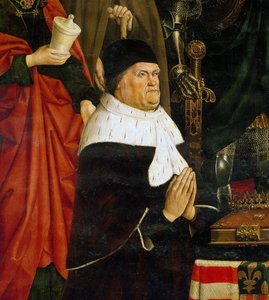
Matheron Diptych


 Leer más
Giclée / Impresión de arte
Impresiones giclée o en lienzo de calidad de museo con producción rápida y opciones de acabado flexibles. ( Encargar reproducción pintada a mano Ver versión en imagen digital)




































Elija entre nuestros tamaños predefinidos que respetan las proporciones originales de la obra.

Puede introducir sus propias dimensiones para adaptarse a un marco o espacio específico. Si el tamaño seleccionado no coincide con las proporciones de la imagen original, recortaremos la obra de arte o extenderemos la imagen con un borde con efecto espejo o de color sólido. Se enviará una maqueta digital para su aprobación antes de que comience la producción.
Tenga en cuenta que la vista previa en pantalla no refleja el recorte o la extensión real. Solo la maqueta mostrará con precisión la composición final.
Aunque existen tamaños personalizados, recomendamos seleccionar una dimensión de la lista predefinida para preservar las proporciones originales.
Envío a todo el mundo () en 2 semanas en lugar de las 4/5 semanas estándar. (15 septiembre)

Envío exprés gratuito a todo el mundo

Lienzo de lino de alta calidad

Seguro de envío completo

Garantía de reembolso de impuestos aduaneros

Garantía de fidelidad cromática exacta

Política de devolución de 100 días (solo por defectos)

Garantía de devolución del 100% del dinero

Oferta por volumen
 La opción de vidrio solo está disponible en tamaños inferiores a 110 cm.

Matheron Diptych
Giclée / Impresión de arte
Tamaño de la reproducción
-


Precio total
$ 80
Biografía del artista
Nicolas Froment: Un eco flamenco en la Provenza del Renacimiento temprano
Nicolas Froment (c. 1435 – c. 1486) se erige como una figura fundamental dentro de la Segunda Escuela de Avignon, marcando un punto de inflexión crucial entre la tradición gótica y el floreciente naturalismo flamenco en el arte francés del siglo XV. Nacido en Uzès, Francia, la trayectoria artística de Froment coincidió con una era profundamente impactada por el mecenazgo papal y el encanto de los ideales del Renacimiento italiano, una dinámica que impulsó la experimentación estilística y, en última instancia, consolidó su lugar como uno de los pintores más célebres de la Provenza.- Primeros años y formación: Los detalles biográficos precisos sobre los años formativos de Froment siguen siendo esquivos, lo que contribuye al debate académico actual sobre sus orígenes artísticos. Sin embargo, las evidencias sugieren que perfeccionó sus habilidades en París bajo la tutela de Jean Fouquet, un prominente artista gótico cuya influencia moldeó innegablemente las sensibilidades estilísticas iniciales de Froment.
- La Escuela de Avignon y la influencia flamenca: La participación de Froment en la Segunda Escuela de Avignon —un colectivo que luchaba por revitalizar la expresión artística en medio del exilio papal— fue instrumental para introducir las técnicas de la pintura flamenca en Francia. Artistas como Rogier van der Weyden y Hugo van der Goes habían revolucionado el arte europeo con sus magistrales representaciones del realismo, la intensidad emocional y el detalle meticuloso, principios que Froment adoptó con gran maestría.
Obras notables y estilo artístico
La obra de Froment se caracteriza por una mezcla distintiva de elegancia gótica y naturalismo flamenco. Alcanzó un renombre considerable gracias a su monumental retablo encargado en Aix-en-Provence para Catherine Spifami, que representa la Pasión de Cristo e incorpora escenas de la vida de María Magdalena, siendo un testimonio del fervor devocional imperante en la época. Es particularmente notable “La zarza ardiente”, una pintura sobre tabla que se encuentra en el Metropolitan Museum of Art de Nueva York, la cual exhibe el dominio magistral de Froment sobre el color y la textura. La composición captura el momento dramático del encuentro de Moisés con Dios entre las llamas, encarnando un profundo simbolismo espiritual.- "La zarza ardiente" ejemplifica la capacidad de Froment para transmitir emociones a través de una observación meticulosa y una pincelada hábil, sello distintivo de la pintura flamenca.
- Su retablo de Pérussis, también ubicado en el Metropolitan Museum of Art, demuestra aún más su compromiso con el naturalismo flamenco, presentando un retrato vibrante de la adoración de la Santa Cruz.
Legado y trascendencia histórica
A pesar de los desafíos para atribuir definitivamente numerosas obras a Froment —una dificultad común que enfrentaron los artistas de su época—, su contribución a la historia del arte francés es innegable. Se posiciona como un conducto esencial para la difusión de las innovaciones artísticas flamencas, impulsando a la Segunda Escuela de Avignon hacia una estética más expresiva y realista. Además, la obra de Froment sirve como una ventana invaluable al paisaje cultural de la Provenza del siglo XV, reflejando tanto el legado perdurable de la tradición gótica como el impacto transformador de los ideales renacentistas, una síntesis que continúa inspirando admiración entre historiadores del arte y coleccionistas por igual.Exploración adicional
Para comprender más profundamente los logros artísticos de Nicolas Froment y su papel en la formación del Renacimiento francés, consulte recursos como:- Wikipedia:
- Britannica:
Nicolas Froment
1430 - 1484 , Francia
Datos clave
- Artistic Movement Or Style: Escuela de Avignon; Estilo flamenco
- Artists Or Movements Influenced By This Artist: ['Italian Art']
- Artists Who Influenced This Artist: ['Jean Fouquet']
- Date Of Birth: c. 1435
- Date Of Death: c. 1486
- Full Name: Nicolas Froment
- Nationality: Francés
- Notable Artworks:
- El Bautismo de Cristo
- La Historia de San Nicolás
- Place Of Birth: Uzès, France