 Vista previa
 Compartir
 Compartir
 Ver detalles

 Descargar
 Ver similares
 Radiografía
 Presentación de diapositivas
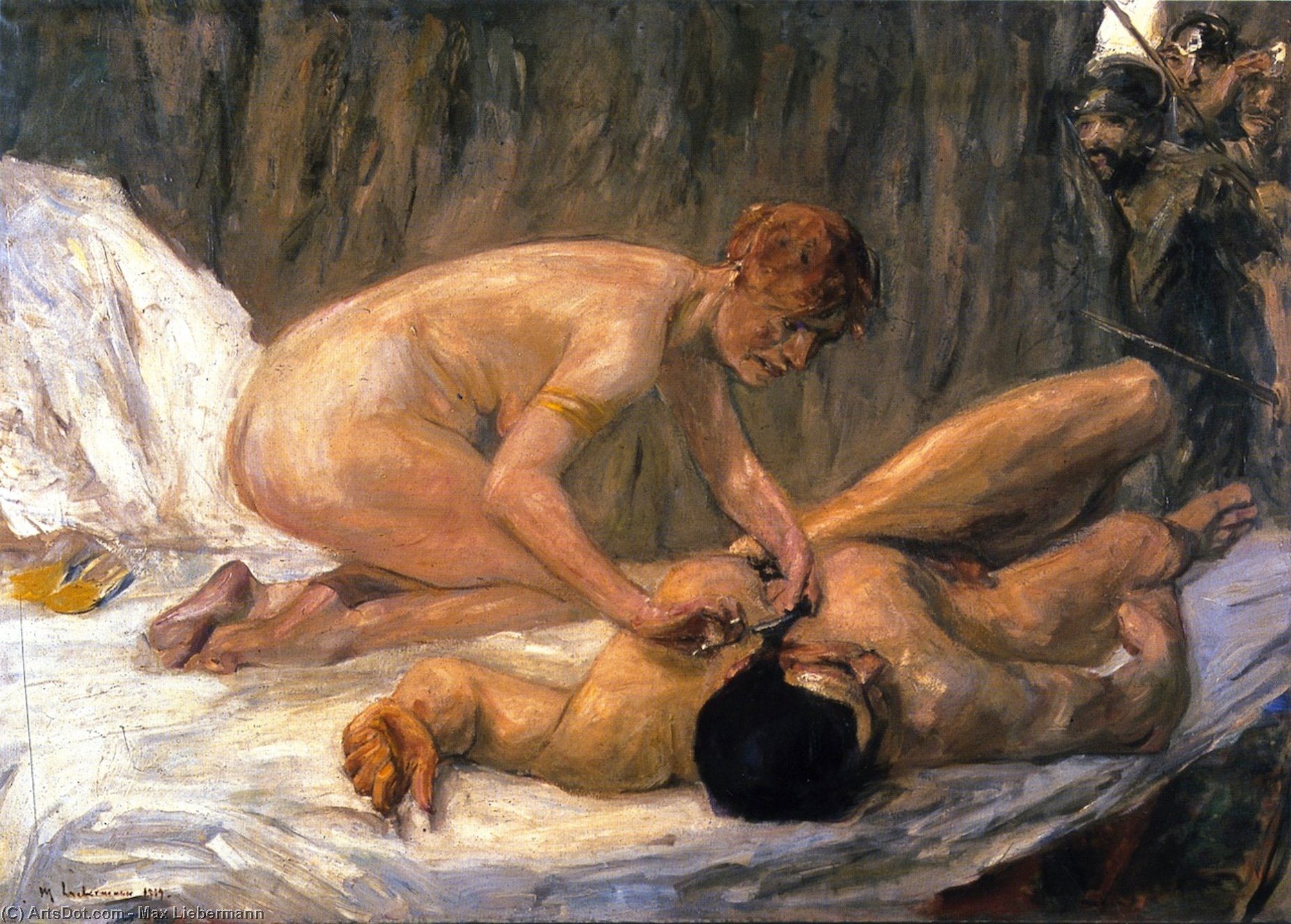
Samson and Delilah


 Leer más
Reproducción al óleo hecha a mano
Óleo sobre lienzo pintado a mano en el tamaño y marco de su elección, realizado por encargo por nuestros artistas. ( Pedir impresión Comprar descarga)




P118B $10

P118H $10

P118W $10

P438Z $10

P508JH $12

P508YH $12

P805H $10

P805Z $10

P919BZ $10

P919G $10

P919XJ $10

P959ZH $10

P968JZ $12

W106C $8

W218G $10

W218JH $8

W218Y $10

W307PJ $10

W316G $10

W316PJ $8

W316Y $10

W398PJ $8

W4111J $10

W500HY $15

W500JH $15

W692G $12

W849H $8

W940BG $15

W953PJ $8




Elija entre nuestros tamaños predefinidos que respetan las proporciones originales de la obra.

Puede ingresar sus propias dimensiones para adaptarse a un marco o espacio específico. Si el tamaño seleccionado no coincide con las proporciones de la imagen original, recortaremos la obra o extenderemos la pintura con elementos adicionales pintados a mano. Se le enviará una maqueta digital para su aprobación antes de comenzar la producción.
Tenga en cuenta que la vista previa en pantalla no refleja el recorte o la extensión reales. Solo la maqueta mostrará con precisión la composición final.
Si bien existen tamaños personalizados, recomendamos seleccionar una dimensión de la lista predefinida para preservar las proporciones originales.
Tras realizar el pedido, el equipo de OriginalUniqueArt.com enviará un correo electrónico al cliente para solicitar instrucciones y proporcionarle una vista previa del boceto.
Envío a todo el mundo () en 3-4 semanas en lugar de las 5 semanas estándar. (18 agosto). Sin comprometer la calidad.

Envío exprés gratuito a todo el mundo

Lienzo de lino de alta calidad

Seguro de envío completo

Garantía de reembolso de aranceles aduaneros

Garantía de fidelidad cromática exacta

Política de devolución de 60 días (solo por defectos)

Garantía de devolución del 100% del dinero

Oferta por volumen
 La opción de vidrio solo está disponible en tamaños inferiores a 110 cm.

Samson and Delilah
Técnica de reproducción
Tamaño de la reproducción
-


Precio total
$ 300
Descripción de la obra
The Genesis of a Dramatic Narrative
Max Liebermann’s “Samson and Delilah” isn't merely a depiction of a biblical tale; it’s a carefully constructed tableau brimming with psychological tension, a potent exploration of desire, betrayal, and the shifting power dynamics between men and women. Painted in 1910, during a period of significant artistic ferment in Germany, the work stands as a testament to Liebermann's ability to infuse historical narratives with his own distinctive brand of realism and subtle emotionalism. The story itself – the tale of Samson’s downfall at the hands of Delilah, who seduces him to reveal his secret strength – is ripe with symbolism, offering fertile ground for an artist seeking to dissect human nature.
A Study in Light and Shadow: Liebermann's Technique
Liebermann, a key figure within the German Impressionist movement, employed a technique that skillfully blended elements of realism with the fleeting effects of light. “Samson and Delilah” exemplifies this approach. The composition is rendered with a deliberate flatness, reminiscent of early Impressionism, yet imbued with a meticulous attention to detail. Liebermann’s brushstrokes are visible, creating a textured surface that invites close examination. He masterfully utilizes light – predominantly diffused and atmospheric – to sculpt the figures and define their forms. Notice how the shadows subtly emphasize the vulnerability of Samson, while Delilah's presence is marked by a cool, almost predatory luminescence. The color palette is restrained, dominated by earthy tones—ochres, browns, and greys— punctuated by flashes of red in Delilah’s attire, drawing the eye to her central role.
The Figures: A Dance of Power and Deception
The painting's strength lies not just in its technical execution but also in the nuanced portrayal of its two protagonists. Samson, depicted as a powerfully built man, is rendered with a quiet vulnerability—a sense of impending doom etched onto his face. His nakedness isn’t overtly provocative; rather, it underscores his exposed state, both physically and emotionally. Delilah, on the other hand, is presented with a calculated elegance, her gaze direct and alluring. She's not portrayed as a villainess in the traditional sense but as a woman of agency, actively shaping the narrative through her actions. The positioning of the figures—close together yet separated by an unspoken tension—heightens the drama and invites speculation about their motivations.
Contextualizing the Masterpiece: Liebermann's Berlin
To fully appreciate “Samson and Delilah,” it’s crucial to understand the artistic climate of Berlin in 1910. The city was a hub of innovation, with artists pushing boundaries and challenging established conventions. Liebermann himself was part of the Berlin Secession, a group that rejected the conservative traditions of the German art establishment. This period saw a growing interest in portraying modern life—particularly the lives of the bourgeoisie—and exploring themes of social commentary and psychological realism. “Samson and Delilah” reflects this shift, moving beyond purely mythological subjects to engage with more complex human relationships.
Beyond the Narrative: Emotional Resonance
Ultimately, "Samson and Delilah" transcends its biblical origins to become a timeless meditation on power, betrayal, and the seductive allure of deception. The painting’s enduring appeal lies in its ability to evoke a profound sense of unease and intrigue. It's not simply a story of a hero’s downfall but a poignant exploration of the vulnerabilities inherent in human relationships—a reminder that even the strongest among us can be undone by weakness, desire, and the calculated actions of another. It remains a powerful image, prompting viewers to contemplate the complexities of love, trust, and the consequences of our choices.
Biografía del artista
Primeros años y educación
- Nacimiento: Berlín, Alemania (1847)
- Fallecimiento: 1935
Carrera artística e influencias
- Impresionismo: Liebermann se convirtió en un destacado defensor del Impresionismo en Alemania, capturando momentos fugaces de la vida moderna con un enfoque en la luz y el color.
- Influencias: Su estilo estuvo notablemente influenciado por Édouard Manet, evidente en su espíritu y enfoque pictórico.
- Motivos: Frecuentemente representaba escenas de la burguesía y aspectos de su jardín cerca del lago Wannsee.
- Retratista: Liebermann ganó reconocimiento como un renombrado retratista, creando más de 200 retratos encargados, incluyendo los de Albert Einstein y Paul von Hindenburg.
Obras destacadas y logros
- "El niño Jesús de doce años en el templo": Una obra temprana que generó debate debido a su representación de un niño Jesús con rasgos semíticos.
- Elección a la Academia Prusiana de las Artes: Un reconocimiento significativo de su mérito artístico y contribución.
- Liderazgo de la Secesión de Berlín (1899-1911): Lideró esta destacada formación vanguardista en Alemania, desafiando las normas artísticas tradicionales.
Vida posterior y significado histórico
- Renuncia a la Academia Prusiana: En 1933, renunció tras la decisión de la academia de excluir a los artistas judíos.
- Fallecimiento y legado: Falleció en Berlín en 1935, dejando atrás una importante obra que continúa siendo celebrada por su estilo impresionista y su retrato perspicaz de la sociedad alemana.

Max Liebermann
1847 - 1935 , Alemania
Datos clave
- Artistas Influenciados: ['Lovis Corinth']
- Artistas Que Influyeron: ['Édouard Manet']
- Fecha De Fallecimiento: 8 de febrero de 1935
- Fecha De Nacimiento: 20 de julio de 1847
- Lugar De Nacimiento: Berlín, Alemania
- Movimiento Artístico: Impresionismo
- Nacionalidad: Alemán
- Nombre Completo: Max Liebermann
- Obras Notables:
- El niño Jesús en el templo
- Granja holandesa
- Retrato del Dr. Max Linde
Artículos relacionados
Max Ernst: Las 25 Obras Maestras del Surrealismo para Decorar tu Hogar con Arte
Descubre las 25 obras maestras de Max Ernst, el rey del surrealismo. Explora su arte onírico, técnicas innovadoras y simbolismo profundo. Reproducciones de alta calidad para decorar tu hogar con estilo en OriginalUniqueArt.com

Expresionismo Alemán: 10 Obras Maestras que Transformaron el Arte | OriginalUniqueArt
Descubre las 10 obras maestras del Expresionismo Alemán: Kirchner, Munch y más. Explora la historia, técnica y emoción detrás de estos lienzos icónicos. Reproducciones de arte de museo en OriginalUniqueArt.com. ¡Inspira tu hogar con arte!
Max Klinger: Symbolism, Science & the Subconscious – A German Master's Legacy
Explore the captivating world of Max Klinger, a pivotal German Symbolist artist. Discover his groundbreaking prints, psychological themes, & influence on modern art movements like Expressionism. Expert analysis and insights.

Anton von Werner: Imperial Painter, Historical Witness & Shifting German Identity
Explore the life & work of Anton von Werner, Imperial Germany's leading painter. Discover his dramatic depictions of war, unification, and court life – a fascinating insight into 19th-century German history & art.
The Northern Awakening: Artistic Innovation & Cultural Transformation in the German Renaissance
Explore the artistic innovation of the German Renaissance! Discover Dürer, the Danube School & Reformation art. Learn about techniques, materials & lasting influence. Find museum-quality reproductions at OriginalUniqueArt.