Ver en contexto
 Enviar
 Compartir
 Detalles
 Guía
Guía

 Descargar
 Similares
 Radiografía
 Presentación de diapositivas
 Estadísticas
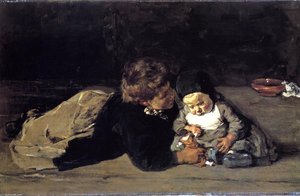
El Ropewalk en Edam


 Ver más
Reproducción al óleo hecha a mano
Óleo sobre lienzo pintado a mano en el tamaño y marco de su elección, realizado por encargo por nuestros artistas. ( Cambiar a impresiones Cambiar a imagen digital)




P118B €10

P118H €10

P118W €10

P438Z €10

P508JH €12

P508YH €12

P805H €10

P805Z €10

P919BZ €10

P919G €10

P919XJ €10

P959ZH €10

P968JZ €12

W106C €8

W218G €10

W218JH €8

W218Y €10

W307PJ €10

W316G €10

W316PJ €8

W316Y €10

W398PJ €8

W4111J €10

W500HY €15

W500JH €15

W692G €12

W849H €8

W940BG €15

W953PJ €8




Elija entre nuestros tamaños predefinidos que respetan las proporciones originales de la obra.

Indique el ancho y el alto que necesite para adaptarse a su marco o pared. Al tratarse de una obra pintada a mano, si requiere un tamaño con una proporción distinta, el artista puede pintar un poco más alrededor de la imagen o recortarla ligeramente; usted elige. Le enviaremos una maqueta digital para su aprobación antes de comenzar la pintura. La imagen que se muestra en esta página no refleja el resultado real; solo la maqueta lo hace.
Tras realizar el pedido, el equipo de OriginalUniqueArt.com enviará un correo electrónico al cliente para solicitar instrucciones y proporcionarle una vista previa del boceto.
Envío a todo el mundo () en 3-4 semanas en lugar de las 5 semanas estándar. (26 octubre). Sin comprometer la calidad.

Envío exprés gratuito a todo el mundo

Lienzo de lino de alta calidad

Seguro de envío total

Garantía de reembolso de aranceles aduaneros

Garantía de fidelidad cromática exacta

Política de devolución de 100 días (solo por defectos)

Garantía de devolución del 100% del dinero

Descuento por cantidad
 La opción de vidrio solo está disponible en tamaños inferiores a 110 cm.

El Ropewalk en Edam
Técnica de reproducción
Dimensiones de la reproducción
-


Precio total final
€ 263
Ropewalk in Edam: A Snapshot of Modern Life Captured by Liebermann
The painting “Ropewalk in Edam” by Max Liebermann is more than just an idyllic depiction of a Dutch town; it’s a meticulously crafted observation of everyday life at the cusp of the 20th century, imbued with Impressionistic sensibilities and reflecting Liebermann's profound understanding of light and atmosphere. Executed in 1904 during Liebermann’s prolific period exploring landscapes and urban scenes—particularly those frequented by ordinary people—the artwork offers a glimpse into a specific moment frozen in time, inviting contemplation on themes of leisure, community, and the burgeoning industrial age.- Subject Matter: The scene portrays a ropewalk – a traditional method of producing rope – situated alongside a canal in Edam, Friesland. Liebermann’s focus isn't on grand architectural vistas but rather on the human element interacting with its environment.
- Style & Technique: Liebermann adheres to Impressionistic principles, prioritizing capturing fleeting impressions over precise realism. His brushstrokes are loose and rapid, conveying movement and luminosity—particularly noticeable in the dappled sunlight filtering through the trees lining the canal. The artist skillfully utilizes color palettes dominated by muted greens and blues, enhancing the sense of tranquility and authenticity.
- Historical Context: Painted at a time when Germany was undergoing significant social and artistic transformations, “Ropewalk” reflects the broader Impressionist movement’s rejection of academic conventions and embrace of subjective experience. Liebermann's work aligns with the Zeitgeist of his era, documenting a shift towards portraying modern life with sensitivity and nuance.
Composition & Symbolism: Light, Labor, and Tranquility
Liebermann’s compositional choices contribute significantly to the artwork’s emotional impact. The placement of figures—some closer to the foreground, others receding into the distance—creates depth and guides the viewer's gaze across the scene. The inclusion of a bench invites viewers to imagine themselves observing this tranquil setting. More subtly, the ropewalk itself symbolizes labor – the essential craftspeople diligently producing rope – juxtaposed against the serenity of the canal and its surroundings. This duality speaks to the complexities of reconciling industrial progress with appreciation for natural beauty.Liebermann's Palette & Impressionistic Brilliance
Liebermann’s masterful use of color is paramount to conveying the painting’s atmosphere. He employs a restrained palette, favoring shades of green and blue that evoke the coolness of the canal water and the shade cast by the trees. However, he punctuates these hues with splashes of brighter colors—primarily yellows and oranges—representing sunlight illuminating the scene. These touches of light are not merely decorative; they’re crucial to capturing the ephemeral quality of daylight and enhancing the overall sense of vibrancy. Liebermann's technique exemplifies Impressionism's commitment to portraying visual sensations rather than intellectual concepts, resulting in a painting that resonates with warmth and immediacy.Emotional Resonance & Legacy
“Ropewalk in Edam” transcends its depiction of a specific place and time, tapping into universal themes of human connection and appreciation for the natural world. Liebermann’s artwork invites viewers to contemplate the beauty found in ordinary moments—a reminder that art can illuminate aspects of life often overlooked by grand narratives. Its enduring appeal lies in its ability to convey a feeling of peaceful contemplation and understated elegance—qualities that continue to inspire artists and collectors alike. It stands as a testament to Liebermann’s artistic vision and his contribution to the Impressionist movement's legacy.Preguntas y respuestas
¿Qué tan saturada es la paleta de "El Ropewalk en Edam"?
"El Ropewalk en Edam" de Max Liebermann presenta una saturación de Color sutil.
¿Puedo ver "El Ropewalk en Edam" como una presentación de diapositivas a pantalla completa?
Puede ver "El Ropewalk en Edam" de Max Liebermann en formato de diapositivas en la página de Galería de imágenes de la obra.
¿Cómo puedo adquirir una copia digital de "El Ropewalk en Edam" de Max Liebermann?
Puede adquirir una imagen digital de "El Ropewalk en Edam" de Max Liebermann en su página de Imagen digital de alta resolución: descarga de una imagen digital en alta resolución.
Biografía del artista
Primeros años y educación
- Nacimiento: Berlín, Alemania (1847)
- Fallecimiento: 1935
Carrera artística e influencias
- Impresionismo: Liebermann se convirtió en un destacado defensor del Impresionismo en Alemania, capturando momentos fugaces de la vida moderna con un enfoque en la luz y el color.
- Influencias: Su estilo estuvo notablemente influenciado por Édouard Manet, evidente en su espíritu y enfoque pictórico.
- Motivos: Frecuentemente representaba escenas de la burguesía y aspectos de su jardín cerca del lago Wannsee.
- Retratista: Liebermann ganó reconocimiento como un renombrado retratista, creando más de 200 retratos encargados, incluyendo los de Albert Einstein y Paul von Hindenburg.
Obras destacadas y logros
- "El niño Jesús de doce años en el templo": Una obra temprana que generó debate debido a su representación de un niño Jesús con rasgos semíticos.
- Elección a la Academia Prusiana de las Artes: Un reconocimiento significativo de su mérito artístico y contribución.
- Liderazgo de la Secesión de Berlín (1899-1911): Lideró esta destacada formación vanguardista en Alemania, desafiando las normas artísticas tradicionales.
Vida posterior y significado histórico
- Renuncia a la Academia Prusiana: En 1933, renunció tras la decisión de la academia de excluir a los artistas judíos.
- Fallecimiento y legado: Falleció en Berlín en 1935, dejando atrás una importante obra que continúa siendo celebrada por su estilo impresionista y su retrato perspicaz de la sociedad alemana.

Max Liebermann
1847 - 1935 , Alemania
Datos clave
- Artistas Influenciados: ['Lovis Corinth']
- Artistas Que Influyeron: ['Édouard Manet']
- Fecha De Fallecimiento: 8 de febrero de 1935
- Fecha De Nacimiento: 20 de julio de 1847
- Lugar De Nacimiento: Berlín, Alemania
- Movimiento Artístico: Impresionismo
- Nacionalidad: Alemán
- Nombre Completo: Max Liebermann
- Obras Notables:
- El niño Jesús en el templo
- Granja holandesa
- Retrato del Dr. Max Linde
Artículos relacionados

Paul Cézanne: Las 25 Obras Maestras que Definieron el Arte Moderno | OriginalUniqueArt
Descubre las 25 obras maestras de Paul Cézanne que revolucionaron el arte moderno. Explora su técnica, inspiración y significado en paisajes, bodegones y retratos. Reproducciones de alta calidad para decorar tu hogar con arte inolvidable. ¡Explora la colección completa en OriginalUniqueArt.com!

Evocations of Place: A Historical Journey Through Landscape Art
Explore the rich history of landscape art with OriginalUniqueArt. Discover renowned artists, movements like Impressionism & Romanticism, and expert guidance for collecting timeless pieces. Find your perfect serene escape today!

Evocations of Place: A Historical Journey Through Landscape Art
Explore the rich history of landscape art with OriginalUniqueArt. Discover renowned artists, movements like Impressionism & tonalism, and expert guidance for collecting timeless pieces. Find your perfect serene escape today!

Golden Light & Dutch Skies: The Timeless Magic of Dutch Golden Age Landscapes
Discover the breathtaking beauty of Dutch Golden Age landscapes. Explore the mastery of light, chiaroscuro, and 17th-century realism through an expert art history lens, celebrating the enduring legacy of the Dutch Masters for discerning collectors and art lovers.

Golden Light & Dutch Skies: Bringing the Magic of Dutch Golden Age Landscapes into Your Home
Transform your home with the breathtaking light of Dutch Golden Age landscapes. Discover how hand-painted oil reproductions of masterworks like Ruisdael and Vermeer bring timeless elegance, atmosphere, and soulful texture to modern interiors. Elevate your space with museum-quality art.