

 Vista previa
 Compartir
 Compartir
 Ver detalles

 Descargar
 Ver artículos similares
 Radiografía
 Presentación de diapositivas
 Estadísticas
Munich Beer Garden: The Augustine Brewery


 Leer más
Giclée / Impresión de arte
Impresiones giclée o en lienzo de calidad de museo con producción rápida y opciones de acabado flexibles. ( Encargar reproducción pintada a mano Ver versión en imagen digital)




P118B $10

P118H $10

P118W $10

P438Z $10

P508JH $12

P508YH $12

P805H $10

P805Z $10

P919BZ $10

P919G $10

P919XJ $10

P959ZH $10

P968JZ $12

W106C $8

W218G $10

W218JH $8

W218Y $10

W307PJ $10

W316G $10

W316PJ $8

W316Y $10

W398PJ $8

W4111J $10

W500HY $15

W500JH $15

W692G $12

W849H $8

W940BG $15

W953PJ $8




Elija entre nuestros tamaños predefinidos que respetan las proporciones originales de la obra.

Puede introducir sus propias dimensiones para adaptarse a un marco o espacio específico. Si el tamaño seleccionado no coincide con las proporciones de la imagen original, recortaremos la obra de arte o extenderemos la imagen con un borde con efecto espejo o de color sólido. Se enviará una maqueta digital para su aprobación antes de que comience la producción.
Tenga en cuenta que la vista previa en pantalla no refleja el recorte o la extensión real. Solo la maqueta mostrará con precisión la composición final.
Aunque existen tamaños personalizados, recomendamos seleccionar una dimensión de la lista predefinida para preservar las proporciones originales.
Envío a todo el mundo () en 2 semanas en lugar de las 4/5 semanas estándar. (18 septiembre)

Envío exprés gratuito a todo el mundo

Lienzo de lino de alta calidad

Seguro de envío completo

Garantía de reembolso de impuestos aduaneros

Garantía de fidelidad cromática exacta

Política de devolución de 100 días (solo por defectos)

Garantía de devolución del 100% del dinero

Oferta por volumen
 La opción de vidrio solo está disponible en tamaños inferiores a 110 cm.

Munich Beer Garden: The Augustine Brewery
Giclée / Impresión de arte
Tamaño de la reproducción
-


Precio total
$ 80
A Moment in Munich’s Heart: Max Liebermann's "Beer Garden in Munich"
Max Liebermann’s “Beer Garden in Munich,” painted in 1884, isn’t merely a depiction of a sunny afternoon; it’s a vibrant snapshot of bourgeois life at the turn of the century, imbued with a quiet observation and an undeniable sense of warmth. Housed within the esteemed Bayerische Staatsgemaldesammlungen in Munich, this oil on canvas offers a glimpse into a specific moment – a leisurely gathering beneath the dappled shade of trees, where conversation flows as freely as the beer itself.
The painting’s Impressionistic style is immediately apparent. Liebermann masterfully captures the fleeting effects of light and shadow, utilizing broken brushstrokes to create an atmosphere that feels both immediate and slightly hazy. He eschews sharp outlines in favor of a softer, more atmospheric approach, prioritizing the overall impression over precise detail. The colors are rich and luminous – deep greens of the foliage, warm ochres for the benches and tables, and splashes of brighter hues in the clothing of the figures—all contributing to a sense of joyful abundance.
A Scene of Everyday Life, Elevated
Liebermann’s genius lies in his ability to elevate the mundane into something remarkable. This isn't a grand historical painting or a dramatic portrait; it’s a simple scene – a beer garden—but rendered with an artist’s eye for composition and light. The arrangement of figures is carefully considered, drawing the viewer’s gaze across the canvas. A central table, laden with refreshments, acts as a focal point, surrounded by a group engaged in animated conversation. Scattered throughout the scene are individuals enjoying themselves – some seated, others standing, all contributing to the lively atmosphere.
The inclusion of umbrellas, subtly positioned beneath the trees, hints at the potential for rain and adds a touch of practicality to this idyllic setting. These small details speak volumes about Liebermann’s keen observation skills and his ability to capture the nuances of everyday life. The painting is not just about what *is* there; it's about how it *feels* – a sense of community, relaxation, and simple pleasure.
Historical Context and Artistic Influences
Painted during a period of significant social and artistic change in Germany, “Beer Garden in Munich” reflects the growing interest in depicting contemporary life. Liebermann, along with other artists like Impressionists Monet and Renoir, sought to break away from traditional academic painting styles and capture the realities of modern society. His work was influenced by his time spent in Paris, where he encountered the vibrant Impressionist movement firsthand.
Furthermore, Liebermann’s background as a Jewish banker shaped his perspective. He often depicted scenes of bourgeois life – the everyday routines and social interactions of the middle class—offering a nuanced portrayal of German society at the time. His work subtly challenged conventional notions of subject matter for artists, demonstrating that beauty and significance could be found in the most ordinary of settings.
Symbolism and Emotional Resonance
Beyond its technical brilliance, “Beer Garden in Munich” resonates with a powerful sense of emotional warmth. The painting evokes feelings of conviviality, relaxation, and connection—a longing for simple pleasures and shared moments. The dappled sunlight filtering through the trees creates a feeling of tranquility, while the animated conversations suggest a lively social atmosphere. It’s a scene that invites the viewer to step into the frame and share in the joy of the moment.
Liebermann's ability to capture this intangible quality—the essence of human connection—is what makes “Beer Garden in Munich” such a compelling work of art. Reproductions, meticulously crafted by hand, offer an opportunity to bring this evocative scene into your own home, allowing you to experience the same sense of warmth and tranquility that Liebermann so skillfully conveyed on canvas.
To acquire a high-quality reproduction of “Munich Beer Garden: The Augustine Brewery” or explore other masterpieces by Max Liebermann, visit https://OriginalUniqueArt.com
Biografía del artista
Primeros años y educación
- Nacimiento: Berlín, Alemania (1847)
- Fallecimiento: 1935
Carrera artística e influencias
- Impresionismo: Liebermann se convirtió en un destacado defensor del Impresionismo en Alemania, capturando momentos fugaces de la vida moderna con un enfoque en la luz y el color.
- Influencias: Su estilo estuvo notablemente influenciado por Édouard Manet, evidente en su espíritu y enfoque pictórico.
- Motivos: Frecuentemente representaba escenas de la burguesía y aspectos de su jardín cerca del lago Wannsee.
- Retratista: Liebermann ganó reconocimiento como un renombrado retratista, creando más de 200 retratos encargados, incluyendo los de Albert Einstein y Paul von Hindenburg.
Obras destacadas y logros
- "El niño Jesús de doce años en el templo": Una obra temprana que generó debate debido a su representación de un niño Jesús con rasgos semíticos.
- Elección a la Academia Prusiana de las Artes: Un reconocimiento significativo de su mérito artístico y contribución.
- Liderazgo de la Secesión de Berlín (1899-1911): Lideró esta destacada formación vanguardista en Alemania, desafiando las normas artísticas tradicionales.
Vida posterior y significado histórico
- Renuncia a la Academia Prusiana: En 1933, renunció tras la decisión de la academia de excluir a los artistas judíos.
- Fallecimiento y legado: Falleció en Berlín en 1935, dejando atrás una importante obra que continúa siendo celebrada por su estilo impresionista y su retrato perspicaz de la sociedad alemana.

Max Liebermann
1847 - 1935 , Alemania
Datos clave
- Artistas Influenciados: ['Lovis Corinth']
- Artistas Que Influyeron: ['Édouard Manet']
- Fecha De Fallecimiento: 8 de febrero de 1935
- Fecha De Nacimiento: 20 de julio de 1847
- Lugar De Nacimiento: Berlín, Alemania
- Movimiento Artístico: Impresionismo
- Nacionalidad: Alemán
- Nombre Completo: Max Liebermann
- Obras Notables:
- El niño Jesús en el templo
- Granja holandesa
- Retrato del Dr. Max Linde
Artículos relacionados

Max Ernst: Las 25 Obras Maestras del Surrealismo para Decorar tu Hogar con Arte
Descubre las 25 obras maestras de Max Ernst, el rey del surrealismo. Explora su arte onírico, técnicas innovadoras y simbolismo profundo. Reproducciones de alta calidad para decorar tu hogar con estilo en OriginalUniqueArt.com

El Óleo sobre Lienzo: Historia, Técnica y la Persistencia de un Medio Artístico Atemporal
Descubre la historia y técnica del óleo sobre lienzo. Explora reproducciones fieles hechas a mano, personalización artística y consejos de expertos con OriginalUniqueArt. ¡Colecciona arte con confianza!
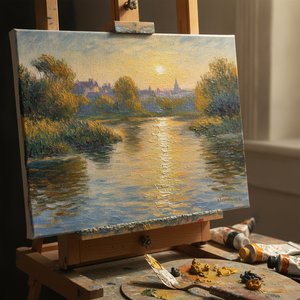
The Soul of Impressionism: Why Oil on Canvas Captures Eternal Light and Timeless Emotion
Discover the enchanting alchemy of Impressionism. Explore how the mastery of oil on canvas, through glazing and impasto, captures eternal light and emotion. Perfect for lovers of Monet and Van Gogh seeking the profound depth of hand-painted fine art.

The Enduring Legacy of Oil on Canvas: Technique, History & Aesthetic Impact
Explore the rich history & techniques of oil painting – from Renaissance masters to Impressionism. Discover pigments, layering methods, and why this timeless medium endures. Expert insights for artists & art enthusiasts.
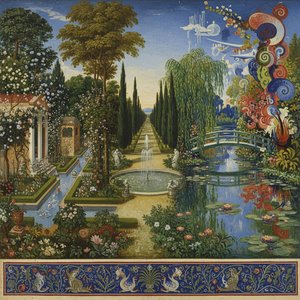
Cultivating Paradise: A Historical & Artistic Exploration of Gardens in Painting
Explore the rich history of gardens in painting! Discover masterpieces from Renaissance to Impressionism & beyond. Learn about symbolism, artists like Monet & Klimt, and find your perfect artwork at OriginalUniqueArt.


