Ver en contexto
 Enviar
 Compartir
 Detalles

 Descargar
 Similares
 Radiografía
 Presentación de diapositivas
 Estadísticas
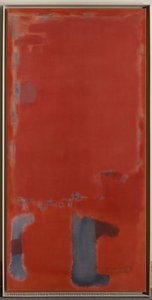
Falanx de la mente
 Acrílico sobre lienzo
- Arte de pared
- Color Field Expressionism
 1945
1945 142.0 x 95.0 cm
 Ver más
Giclée / Impresión de arte
Impresiones giclée o en lienzo de calidad de museo con producción rápida y opciones de acabado flexibles. ( Comprar pintura hecha a mano Cambiar a imagen digital)




P118B $10

P118H $10

P118W $10

P438Z $10

P508JH $12

P508YH $12

P805H $10

P805Z $10

P919BZ $10

P919G $10

P919XJ $10

P959ZH $10

P968JZ $12

W106C $8

W218G $10

W218JH $8

W218Y $10

W307PJ $10

W316G $10

W316PJ $8

W316Y $10

W398PJ $8

W4111J $10

W500HY $15

W500JH $15

W692G $12

W849H $8

W940BG $15

W953PJ $8




Elija entre nuestros tamaños predefinidos que respetan las proporciones originales de la obra.

Puede introducir sus propias dimensiones para adaptarse a un marco o espacio específico. Si el tamaño seleccionado no coincide con las proporciones de la imagen original, recortaremos la obra de arte o extenderemos la imagen con un borde con efecto espejo o de color sólido. Se enviará una maqueta digital para su aprobación antes de que comience la producción.
Tenga en cuenta que la vista previa en pantalla no refleja el recorte o la extensión real. Solo la maqueta mostrará con precisión la composición final.
Aunque existen tamaños personalizados, recomendamos seleccionar una dimensión de la lista predefinida para preservar las proporciones originales.
Envío a todo el mundo () en 2 semanas en lugar de las 4/5 semanas estándar. (9 septiembre)

Envío exprés gratuito a todo el mundo

Lienzo de lino de alta calidad

Seguro de envío total

Garantía de reembolso de impuestos aduaneros

Garantía de fidelidad cromática exacta

Política de devolución de 100 días (solo por defectos)

Garantía de devolución del 100% del dinero

Descuento por cantidad
 La opción de vidrio solo está disponible en tamaños inferiores a 110 cm.

Falanx de la mente
Giclée / Impresión de arte
Dimensiones de la reproducción
-


Precio total final
$ 80
Phalanx of the Mind: An Exploration of Rothko’s Emotional Landscape
Mark Rothko's "Phalanx of the Mind," painted in 1945, stands as a cornerstone of American Abstract Expressionism and embodies the artist’s profound engagement with existential themes. This monumental canvas—measuring 142 x 95 cm—immediately captivates viewers with its dominant crimson hue, radiating outwards from a central sculptural element that speaks to both fragility and resilience. The artwork's genesis lies in Rothko’s formative years grappling with displacement – born Markus Yakovlevich Rothkowitz in Dvinsk, Latvia, amidst the anxieties of a Jewish family navigating the turbulent political climate of Tsarist Russia—a legacy that instilled within him an unwavering sensitivity to human suffering. This experience profoundly influenced his artistic vision and fueled his relentless pursuit of conveying emotion through pure color.- Composition & Technique: Rothko’s masterful application of oil paint creates layered rectangular blocks of crimson, punctuated by subtle variations in tone that lend depth and luminosity to the surface. The technique prioritizes flatness—a deliberate rejection of traditional illusionistic representation—allowing the viewer to immerse themselves in the color itself, fostering a meditative experience akin to encountering sacred space.
- Sculptural Presence: At the heart of the composition is a fractured metal sculpture – its damaged state mirroring perhaps Rothko’s own internal struggles and hinting at themes of vulnerability and decay. The sculpture's placement serves as a visual anchor, directing the eye across the expanse of crimson rectangles and emphasizing their interconnectedness.
- Symbolic Resonance: The inclusion of two birds—one positioned on the left side of the canvas and another towards the right—adds an element of symbolic richness. Birds often represent freedom, aspiration, and transcendence – concepts central to Rothko’s exploration of spiritual inquiry and his desire to communicate universal human emotions.
- Historical Context: Created during the Second World War, “Phalanx of the Mind” reflects the pervasive atmosphere of anxiety and uncertainty that characterized the era. However, Rothko transcends mere documentation; instead, he seeks to evoke a visceral response from the viewer—a confrontation with fundamental questions about existence and beauty—a characteristic hallmark of Abstract Expressionism’s ambition.
- Emotional Impact: Viewing “Phalanx of the Mind” is intended to be an emotionally charged encounter. Rothko's aim wasn't to depict reality but to elicit feeling, inviting contemplation on themes of loss, trauma, and the yearning for solace—a testament to his enduring legacy as one of the most influential artists of the 20th century.
The Rothko Chapel: A Reflection of Artistic Vision
The Rothko Chapel in Houston, Texas, serves as an unparalleled setting for experiencing Rothko’s monumental canvases firsthand. Designed by Philip Johnson and renowned for its octagonal interior bathed in diffused natural light, the chapel embodies a deliberate aesthetic that prioritizes contemplation and spiritual communion. The fourteen paintings—including “Phalanx of the Mind”—are positioned on the walls without frames, maximizing their impact on the viewer's senses and fostering an immersive experience rooted in color and form. This architectural choice underscores Rothko’s belief that art should transcend mere visual perception to engage with the deepest recesses of human consciousness.Exploring Color Field Painting: Rothko’s Contribution to Modern Art
Mark Rothko's pioneering approach to painting—characterized by his use of large rectangular blocks of color—revolutionized artistic practice and established Color Field painting as a dominant movement in American art history. Unlike representational art, which strives to depict the external world accurately, Rothko’s canvases focus on conveying emotion through pure pigment—a radical departure from convention that aligns with the broader philosophical currents of existentialism. His work continues to inspire artists and collectors alike, demonstrating the enduring power of abstraction to communicate profound psychological truths.Biografía del artista
vida temprana e influencias
Mark Rothko (Marcus Rothkowitz), un reconocido artista estadounidense, nació el 25 de septiembre de 1903 en Dvinsk, Letonia. Su familia emigró a los Estados Unidos cuando tenía solo diez años. Este cambio cultural influyó más tarde en su estilo artístico.evolución artística
La obra temprana de Rothko se caracterizó por el **expresionismo abstracto**, un estilo que enfatizaba el proceso de creación del arte más que el producto final. Sus pinturas, como No. 18 (1948) y Untitled (1948), mostraban su enfoque único del color y la forma.- **Campo de color:** El uso de campos de color rectangulares audaces por Rothko, a menudo en marcado contraste entre sí, creó una sensación de profundidad y emoción.
- **Estructura orgánica:** Sus pinturas parecían respirar vida, como si los colores fueran entidades vivientes.
obras notables y exposiciones
- No. 10 (1950), una pintura que marcó un cambio significativo en el estilo de Rothko, ahora forma parte de la colección del Museo de Arte Moderno.
- Las murales de Seagram, una serie de pinturas encargadas para el restaurante Four Seasons, mostraron la capacidad de Rothko para adaptar su estilo a diferentes entornos.
- No. 3 (1950), una pintura que ejemplifica el uso de campos de color rectangulares audaces por Rothko.
vida tardía y legado
La vida de Rothko estuvo marcada por las luchas con la salud mental y un matrimonio tumultuoso. Falleció el 25 de febrero de 1970, a los 66 años. A pesar de sus desafíos, Rothko dejó una huella imborrable en el mundo del arte. Ocre y rojo sobre rojo (campo de color), una pintura que muestra el enfoque único del color de Rothko, se puede encontrar en la colección OriginalUniqueArt.com. La página de Wikipedia de Mark Rothko proporciona más información sobre su vida y estilo artístico.
Mark Rothko
1903 - 1970 , Letonia
Datos clave
- Artistas Que Influyeron:
- Edward Hopper
- Pablo Picasso
- Fecha De Muerte: 25 de febrero de 1970
- Fecha De Nacimiento: 25 de septiembre de 1903
- Influencia En Artistas:
- Minimalismo
- Arte contemporáneo
- Lugar De Nacimiento: Daugavpils, Letonia
- Movimiento Artístico: Expresionismo Abstracto
- Nacionalidad: Estadounidense
- Nombre Completo: Mark Rothko (Marcus Rothkowitz)
- Obras Notables:
- No. 18 (1948)
- No. 10 (1950)
- Murales Seagram
- No. 3 (1950)
Artículos relacionados

The Sublimity of Color: Exploring the Emotional Landscapes of Mark Rothko's Abstract Expressionism
Explore the profound emotional depth of Mark Rothko's abstract expressionism. Discover the history, techniques & lasting impact of this pivotal Color Field painter. Expert insights for collectors and art enthusiasts.

Expresionismo Abstracto: 10 Obras Maestras que Transformaron el Arte |
Descubre las 10 obras maestras del Expresionismo Abstracto: Pollock, Rothko y más. Explora la historia, técnica y significado de estos lienzos icónicos. Reproducciones de arte exclusivas en .
Color Field Painting: The Emotional Power of Pure Abstraction and Chromatic Depth
Explore the profound emotional depth of Color Field painting. Discover the history of mid-century abstraction, from Rothko to Newman, and learn how pure color transforms the viewer's experience through our expert art history guide.
The Essence of Abstraction: A Definitive Guide to the Power and History of Color Field Painting Masterpieces
Explore the profound emotional depth of Color Field painting. Our expert guide delves into the post-war origins of Abstract Expressionism, analyzing masterpieces by Rothko and Newman. Discover museum-grade, hand-painted oil reproductions that bring art history to your walls.
Mark Rothko: Las 25 Obras Maestras que Definen la Expresión Abstracta | OriginalUniqueArt
Descubre las 25 obras maestras de Mark Rothko, pionero del expresionismo abstracto. Explora la historia, el significado y los colores vibrantes que definen su arte emocional. Reproducciones de alta calidad en OriginalUniqueArt.com.