

 Vista previa
 Compartir
 Compartir
 Ver detalles
 Guía
Guía

 Descargar
 Ver artículos similares
 Radiografía
 Presentación de diapositivas
 Estadísticas
John Bright (1811–1889)
 Acrílico sobre lienzo
- Arte de pared
- Pre-Raphaelite Realism
 1873
1873 237.0 x 147.0 cm
 Touchstones Rochdale
 Leer más
Giclée / Impresión de arte
Impresiones giclée o en lienzo de calidad de museo con producción rápida y opciones de acabado flexibles. ( Encargar reproducción pintada a mano Ver versión en imagen digital)




P118B €10

P118H €10

P118W €10

P438Z €10

P508JH €12

P508YH €12

P805H €10

P805Z €10

P919BZ €10

P919G €10

P919XJ €10

P959ZH €10

P968JZ €12

W106C €8

W218G €10

W218JH €8

W218Y €10

W307PJ €10

W316G €10

W316PJ €8

W316Y €10

W398PJ €8

W4111J €10

W500HY €15

W500JH €15

W692G €12

W849H €8

W940BG €15

W953PJ €8




Elija entre nuestros tamaños predefinidos que respetan las proporciones originales de la obra.

Introduzca el ancho y el alto que necesite para adaptarse a su marco o pared. Una impresión solo puede recortarse, nunca hacerse más grande que la imagen original, por lo que un tamaño con una forma distinta perderá parte de la obra. Le enviaremos una maqueta digital para su aprobación antes de realizar cualquier impresión. La imagen que se muestra en esta página no refleja el recorte real; solo la maqueta lo hace.
Envío a todo el mundo () en 2 semanas en lugar de las 4/5 semanas estándar. (25 octubre)

Envío exprés gratuito a todo el mundo

Lienzo de lino de alta calidad

Seguro de envío completo

Garantía de reembolso de impuestos aduaneros

Garantía de fidelidad cromática exacta

Política de devolución de 100 días (solo por defectos)

Garantía de devolución del 100% del dinero

Oferta por volumen
 La opción de vidrio solo está disponible en tamaños inferiores a 110 cm.

John Bright (1811–1889)
Giclée / Impresión de arte
Tamaño de la reproducción
-


Precio total
€ 70
A Portrait of Moral Resolve: John Bright by Lowes Cato Dickinson
Lowes Cato Dickinson’s 1873 portrait of John Bright stands as a testament to Victorian England's fascination with capturing the dignity and intellect of prominent figures. Located at Touchstones Rochdale, this oil on canvas masterpiece offers more than just a likeness; it embodies the spirit of a man deeply committed to social reform and moral conviction.
Subject Matter and Composition
The painting depicts John Bright seated in a chair, dressed impeccably in dark attire—a suit complemented by a crisp white shirt. Dickinson meticulously rendered Bright’s features: a prominent beard and mustache indicative of his age, conveying wisdom and experience. His gaze is directed inward, suggesting contemplation and profound thought – an expression that speaks volumes about his inner life.
Stylistic Considerations: Realism Infused with Pre-Raphaelite Sensibility
Dickinson’s approach aligns closely with the tenets of Pre-Raphaelitism, prioritizing accuracy and detail alongside a subtle infusion of Romantic idealism. Unlike many portraits of the era that prioritized idealized beauty, Dickinson focused on portraying Bright realistically, capturing the nuances of his appearance and environment. The soft lighting illuminates Bright's face without harsh shadows, enhancing the sense of intimacy and conveying sincerity.
Setting and Symbolism
The backdrop is a dimly lit room furnished with a desk and books—a deliberate choice that underscores Bright’s intellectual pursuits and professional life as a barrister. This setting symbolizes his dedication to reason and knowledge, aligning perfectly with the broader Victorian ethos of moral seriousness. Dickinson's restrained palette emphasizes textures and tones rather than vibrant hues, contributing to the painting’s contemplative mood.
Legacy and Emotional Impact
“John Bright” transcends mere representation; it captures a man grappling with weighty ethical dilemmas—a figure who championed universal suffrage and advocated for social justice. Dickinson's masterful technique conveys not only Bright’s physical presence but also his inner character, inviting viewers to contemplate the importance of moral courage and intellectual integrity. It remains an enduring symbol of Victorian idealism and continues to inspire admiration for its artistic merit.
Preguntas y respuestas
¿De qué está hecho "John Bright (1811–1889)" y en qué estilo se encuentra?
"John Bright (1811–1889)" de Lowes Cato Dickinson combina la técnica de Acrílico sobre lienzo con el estilo Pre-Raphaelite Realism. La técnica y el movimiento describen la elaboración y el estilo de la obra.
¿Qué artista y qué estilo están detrás de "John Bright (1811–1889)"?
"John Bright (1811–1889)" fue creada por Lowes Cato Dickinson con el estilo Pre-Raphaelite Realism. El artista y el movimiento identifican la tradición de la obra.
¿Qué colores predominan en "John Bright (1811–1889)" de Lowes Cato Dickinson?
"John Bright (1811–1889)" de Lowes Cato Dickinson utiliza una paleta de Tonos tierra, con el Café espresso (#40311c) como color dominante.
Biografía del artista
Vida y Orígenes
- Nacimiento: Kilburn, Reino Unido (1819)
- Fallecimiento: 1908
- Lowes Cato Dickinson nació el 27 de noviembre de 1819 en Kilburn, Londres. Pertenecía a una familia numerosa de once hermanos y hermanas.
- Su padre, Joseph Dickinson, era un litógrafo y editor de arte de Bond Street. Lowes recibió su educación temprana en Topsham School y Dr Lord's School en Tooting.
- Tras la muerte de su padre en 1849, se convirtió en socio de sus dos hermanos mayores, Gilbert Bell Dickinson y William Robert Dickinson, en la firma Dickinson Brothers of Bond Street.
Desarrollo Artístico e Influencias
- Dickinson inicialmente se formó con su padre, adquiriendo experiencia en litografía y publicación de arte.
- Viajó a Italia alrededor de 1850 durante tres años, lo que influyó significativamente en su desarrollo artístico.
- Estuvo asociado con la Hermandad Prerrafaelita, correspondiendo y trabajando con figuras clave como Dante Gabriel Rossetti y John Ruskin. Les dio conferencias junto a ellos.
- Dickinson enseñó dibujo en el Working Men's College junto a Ruskin y Rossetti.
- Ford Madox Brown trabajó para Dickinson Brothers, lo que demuestra una conexión con importantes círculos artísticos.
Obras Principales y Estilo
- Retrato: Dickinson fue conocido principalmente como retratista, capturando numerosas figuras victorianas.
- Retratos de Grupo: Creó notables retratos de grupo, incluido el gabinete de 1868 del Sr. Gladstone fotografiado en la Sala del Gabinete del número 10 de Downing Street.
- Retratos Postumos: Desarrolló una habilidad única para crear retratos postumos a partir de fotografías o descripciones.
- Temas: Sus temas incluyeron a la Reina Victoria, miembros del Parlamento, científicos (Arthur Cayley, James Clerk Maxwell) y socialistas cristianos (Charles Kingsley, Thomas Hughes).
- Estilo: Si bien estuvo influenciado por los prerrafaelitas, su estilo se caracterizó por un enfoque en el realismo y la representación detallada. A menudo pintaba solo rostros, con otros artistas completando la ropa.
Socialismo Cristiano y Compromiso Social
- Dickinson estuvo profundamente involucrado en el movimiento socialista cristiano.
- Co-fundó el Working Men's College en Londres en 1854, dedicado a proporcionar educación liberal para personas de clase trabajadora.
- Sus retratos a menudo representaban figuras destacadas dentro del círculo socialista cristiano, reflejando su compromiso con la reforma social.
Legado y Significado Histórico
- Las obras de Dickinson se conservan en la National Portrait Gallery en Londres, lo que muestra su importante contribución al retrato británico.
- El Working Men's College continúa honrándolo a través del Premio Lowes Dickinson, un premio anual de arte para estudiantes.
- Sus hijos establecieron una beca de viajes en su memoria, solidificando aún más su legado.
- Los documentos de Dickinson se encuentran en Princeton, Oxford y Cambridge Universities, proporcionando valiosos recursos para los estudiosos que estudian el arte y la historia social victoriana.
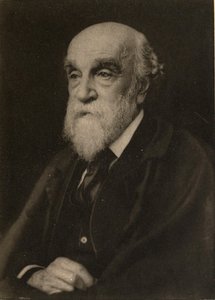
Lowes Cato Dickinson
1819 - 1908 , Reino Unido
Datos clave
- Artistas Que Influyeron:
- John Ruskin
- Dante Gabriel Rossetti
- Fecha De Fallecimiento: 15 de diciembre de 1908
- Fecha De Nacimiento: 27 de noviembre de 1819
- Influenciado Por Artistas: ['Ford Madox Brown']
- Lugar De Nacimiento: Kilburn, Reino Unido
- Movimiento Artístico: Retrato, Socialismo cristiano
- Nacionalidad: Británico
- Nombre Completo: Lowes Cato Dickinson
Artículos relacionados
The Pre-Raphaelite Brotherhood: Reclaiming Beauty, Nature, and Truth in Victorian Art History
Explore the revolutionary Pre-Raphaelite Brotherhood. Discover how these visionary artists rejected academic tradition to reclaim beauty, nature, and truth through luminous detail and literary depth in Victorian art history.

John Singer Sargent: Las 25 Obras Maestras del Retrato y la Belle Époque | OriginalUniqueArt
Descubre las 25 obras maestras de John Singer Sargent, el maestro del retrato y la Belle Époque. Explora su técnica impresionista, historias fascinantes y encuentra reproducciones de arte exclusivas para decorar tu hogar con elegancia en OriginalUniqueArt.com.

Dante Gabriel Rossetti: Las 25 Obras Maestras del Prerrafaelismo | OriginalUniqueArt
Descubre las 25 obras maestras de Dante Gabriel Rossetti, el máximo exponente del Prerrafaelismo. Explora su simbolismo, retratos victorianos y la belleza femenina en lienzos inolvidables. Reproducciones de arte exclusivas en OriginalUniqueArt.com.

John Constable: Las 25 Obras Maestras del Paisaje Inglés | OriginalUniqueArt
Descubre las 25 obras maestras de John Constable, el pintor romántico inglés que capturó la belleza del paisaje. Explora su técnica, historia y significado en OriginalUniqueArt.com. Reproducciones de arte de alta calidad para tu hogar.

Sir John Everett Millais: Pre-Raphaelite Rebellion & Victorian Narrative Detail
Explore the revolutionary art of Sir John Everett Millais & the Pre-Raphaelite Brotherhood. Discover their radical realism, symbolic narratives, and lasting impact on Victorian aesthetics. A deep dive into 19th-century masterpieces.


