Cambiar a impresiones
 Ver más







































 Para obras de arte o reproducciones que midan más de 105 cm (aproximadamente 41 pulgadas) en cualquiera de sus lados, el marco se enviará como un kit desmontado. Este método garantiza una entrega segura y evita daños durante el transporte.


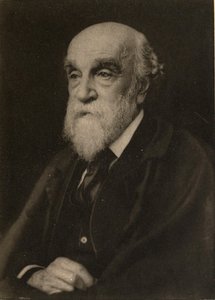
A Portrait of Moral Resolve: John Bright by Lowes Cato Dickinson
Lowes Cato Dickinson’s 1873 portrait of John Bright stands as a testament to Victorian England's fascination with capturing the dignity and intellect of prominent figures. Located at Touchstones Rochdale, this oil on canvas masterpiece offers more than just a likeness; it embodies the spirit of a man deeply committed to social reform and moral conviction.
Subject Matter and Composition
The painting depicts John Bright seated in a chair, dressed impeccably in dark attire—a suit complemented by a crisp white shirt. Dickinson meticulously rendered Bright’s features: a prominent beard and mustache indicative of his age, conveying wisdom and experience. His gaze is directed inward, suggesting contemplation and profound thought – an expression that speaks volumes about his inner life.
Stylistic Considerations: Realism Infused with Pre-Raphaelite Sensibility
Dickinson’s approach aligns closely with the tenets of Pre-Raphaelitism, prioritizing accuracy and detail alongside a subtle infusion of Romantic idealism. Unlike many portraits of the era that prioritized idealized beauty, Dickinson focused on portraying Bright realistically, capturing the nuances of his appearance and environment. The soft lighting illuminates Bright's face without harsh shadows, enhancing the sense of intimacy and conveying sincerity.
Setting and Symbolism
The backdrop is a dimly lit room furnished with a desk and books—a deliberate choice that underscores Bright’s intellectual pursuits and professional life as a barrister. This setting symbolizes his dedication to reason and knowledge, aligning perfectly with the broader Victorian ethos of moral seriousness. Dickinson's restrained palette emphasizes textures and tones rather than vibrant hues, contributing to the painting’s contemplative mood.
Legacy and Emotional Impact
“John Bright” transcends mere representation; it captures a man grappling with weighty ethical dilemmas—a figure who championed universal suffrage and advocated for social justice. Dickinson's masterful technique conveys not only Bright’s physical presence but also his inner character, inviting viewers to contemplate the importance of moral courage and intellectual integrity. It remains an enduring symbol of Victorian idealism and continues to inspire admiration for its artistic merit.
Preguntas y respuestas
¿Quién creó "John Bright (1811–1889)" y de qué estilo es?
"John Bright (1811–1889)" fue creada por Lowes Cato Dickinson bajo el estilo Pre-Raphaelite Realism. El artista y el movimiento definen la tradición de la obra.
¿Qué tan luminosa es "John Bright (1811–1889)" en su conjunto?
En términos generales, "John Bright (1811–1889)" presenta una luminosidad de sombra profunda. La luminosidad percibida describe qué tan clara u oscura parece la obra.
¿Quién creó "John Bright (1811–1889)" y en qué año?
Lowes Cato Dickinson creó "John Bright (1811–1889)" en 1873.
 Ver en contexto
 Enviar
 Compartir
 Detalles
 Guía
Guía

 Descargar
 Similares
 Radiografía
 Presentación de diapositivas
 Preguntas y respuestas
 Estadísticas