Vista previa
 Compartir
 Compartir
 Ver detalles
 Guía
Guía

 Descargar
 Ver artículos similares
 Radiografía
 Presentación de diapositivas
 Estadísticas
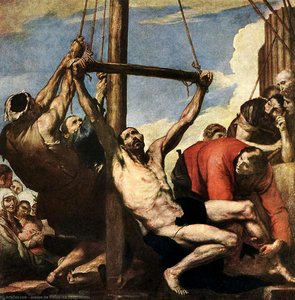
St. Jerome penitente
 Oil On Canvas
- WallArt
- Baroque Drama and Light
 1652
1652 77.0 x 71.0 cm
 Museo del Prado
 Leer más
Giclée / Impresión de arte
Impresiones giclée o en lienzo de calidad de museo con producción rápida y opciones de acabado flexibles. ( Encargar reproducción pintada a mano Ver versión en imagen digital)




P118B $10

P118H $10

P118W $10

P438Z $10

P508JH $12

P508YH $12

P805H $10

P805Z $10

P919BZ $10

P919G $10

P919XJ $10

P959ZH $10

P968JZ $12

W106C $8

W218G $10

W218JH $8

W218Y $10

W307PJ $10

W316G $10

W316PJ $8

W316Y $10

W398PJ $8

W4111J $10

W500HY $15

W500JH $15

W692G $12

W849H $8

W940BG $15

W953PJ $8




Elija entre nuestros tamaños predefinidos que respetan las proporciones originales de la obra.

Puede introducir sus propias dimensiones para adaptarse a un marco o espacio específico. Si el tamaño seleccionado no coincide con las proporciones de la imagen original, recortaremos la obra de arte o extenderemos la imagen con un borde con efecto espejo o de color sólido. Se enviará una maqueta digital para su aprobación antes de que comience la producción.
Tenga en cuenta que la vista previa en pantalla no refleja el recorte o la extensión real. Solo la maqueta mostrará con precisión la composición final.
Aunque existen tamaños personalizados, recomendamos seleccionar una dimensión de la lista predefinida para preservar las proporciones originales.
Envío a todo el mundo () en 2 semanas en lugar de las 4/5 semanas estándar. (26 septiembre)

Envío exprés gratuito a todo el mundo

Lienzo de lino de alta calidad

Seguro de envío completo

Garantía de reembolso de impuestos aduaneros

Garantía de fidelidad cromática exacta

Política de devolución de 100 días (solo por defectos)

Garantía de devolución del 100% del dinero

Oferta por volumen
 La opción de vidrio solo está disponible en tamaños inferiores a 110 cm.

St. Jerome penitente
Giclée / Impresión de arte
Tamaño de la reproducción
-


Precio total
$ 80
Saint Jerome Penitente - A Masterpiece of Dramatic Realism
“St. Jerome penitente,” painted in 1638–40 by Jusepe de Ribera, stands as a cornerstone of Baroque art and exemplifies the artist’s unparalleled ability to convey profound spiritual emotion through meticulously crafted realism. Located within the Museo del Prado’s collection in Madrid, Spain, this monumental canvas transcends mere depiction; it plunges viewers into a visceral experience of contemplation and remorse.
Ribera's signature style—known as tenebrism—dominates the composition. This technique employs stark contrasts between light and dark, creating an atmosphere of dramatic intensity that draws attention to Jerome’s central figure. The artist skillfully manipulates chiaroscuro, highlighting Jerome’s face and torso while enveloping the background in deep shadows, mirroring the saint's inner turmoil.
- Subject Matter: The painting portrays Saint Jerome, a revered biblical hermit who famously wrestled with demons to renounce worldly pleasures and dedicate himself to prayer. Ribera captures Jerome in a moment of intense introspection, reflecting on his past sins and contemplating the skull—a potent symbol of mortality and human vanity.
- Style: Tenebrism is characterized by its dramatic use of light and dark, prioritizing emotional impact over precise anatomical detail. Ribera’s meticulous observation of human anatomy contributes to the realism of Jerome's portrayal, yet he prioritizes conveying psychological depth.
- Technique: Ribera employed oil paint on canvas with a layering technique that builds up texture and luminosity. The artist meticulously blended pigments to achieve subtle gradations of color, enhancing the overall visual richness of the artwork.
- Historical Context: Created in Naples during the Baroque period (approximately 1638-40), “The Penitent Saint Jerome” exemplifies the artistic sensibilities of the era—a fascination with dramatic emotion and spiritual contemplation. It reflects the broader cultural preoccupation with themes of faith, suffering, and redemption.
- Symbolism: The skull serves as a central symbol in the painting, representing human mortality and reminding viewers of the ephemeral nature of earthly existence. Jerome’s gaze downward reinforces this theme, conveying a sense of solemn reflection and acceptance.
A Masterpiece of Baroque Emotion
“The Penitent Saint Jerome” stands as a testament to Jusepe de Ribera's unparalleled ability to distill profound spiritual ideas into visually arresting compositions. More than just a depiction of Saint Jerome—a revered biblical figure known for his unwavering devotion and tireless translation efforts—the painting transcends its subject matter, becoming an emblem of Baroque artistic ideals. Ribera’s masterful use of tenebrism – a technique characterized by stark contrasts between light and dark – immediately commands attention, plunging the viewer into an atmosphere of solemn contemplation. This dramatic chiaroscuro isn't merely stylistic; it serves to heighten the emotional impact of the scene, mirroring Jerome’s inner turmoil and spiritual struggle.Technique and Artistic Innovation
Ribera’s approach to painting was revolutionary for its time. Unlike many artists who favored idealized representations, he prioritized realism—capturing the textures and nuances of human flesh with astonishing accuracy. He achieved this remarkable feat through meticulous observation and painstaking layering of glazes – thin coats of translucent paint that gradually build up color and luminosity over time. The artist’s studio was filled with canvases bearing the imprint of his tireless dedication to perfecting his craft, a testament to his unwavering commitment to artistic excellence. His palette favored earthy tones—browns, ochres, and siennas—creating a subdued yet profoundly expressive visual experience.Historical Context: Naples Under Spanish Rule
The painting’s creation coincided with Naples's status as a vibrant center of Baroque art under the patronage of Philip IV of Spain. This royal support fueled artistic innovation and encouraged experimentation, fostering an environment where artists like Ribera could flourish. The influence of Caravaggio—Ribera’s mentor—is palpable in his dramatic use of light and shadow, reflecting the broader artistic trends of the era. Furthermore, the painting speaks to the anxieties and spiritual fervor prevalent during this period, mirroring the Catholic Church's fervent desire for art that conveyed religious devotion and moral instruction.Symbolism: The Skull and Contemplation
The inclusion of a skull—a recurring motif in Ribera’s oeuvre—serves as a potent symbol of mortality and human vanity. It compels the viewer to confront the inevitability of death, prompting reflection on the ephemeral nature of earthly existence. Positioned prominently within the composition, it directs the gaze downward, emphasizing introspection and spiritual contemplation. The figure's posture embodies humility and penitence, mirroring the saint’s devotion to God and his acceptance of suffering as a path toward salvation.Technique: Tenebrism – Darkness Embraced
Ribera masterfully employed tenebrism—a technique characterized by extreme contrasts between light and dark—to heighten dramatic impact and convey emotional intensity. This stylistic approach, popularized by Caravaggio, utilizes a deep black background punctuated by strategically placed pools of luminous illumination. The resulting chiaroscuro effect sculpts the figure’s form, creating an illusion of depth and realism while simultaneously emphasizing its spiritual significance. Ribera's meticulous attention to detail—evident in the rendering of skin texture and drapery folds—further underscores his commitment to portraying human anatomy with uncompromising accuracy.Biografía del artista
Jusepe de Ribera (Lo Spagnoletto): Una Vida en el Drama Barroco
- Nacido: Xativa, España (1591)
- Fallecido: 1652
Jusepe de Ribera, también conocido como Lo Spagnoletto ("El Españolecito"), fue una figura clave en la pintura barroca española. Nacido en Valencia, España, en 1591, se hizo famoso por sus representaciones dramáticas e intensamente realistas de temas religiosos, martirios, retratos, bodegones y paisajes. Su carrera abarcó tanto España como Italia, siendo Nápoles su principal base artística durante gran parte de su vida.
Vida Temprana, Formación e Influencia Italiana
Los detalles tempranos de la vida de Ribera siguen siendo algo oscuros. Se cree que inicialmente se formó en Valencia antes de trasladarse a Italia alrededor de 1607. Su tiempo en Roma lo expuso a las obras de Caravaggio y Guido Reni, influyendo profundamente en su desarrollo artístico. Ribera absorbió el uso dramático de la luz y la sombra pionero por Caravaggio (tenebrismo) mientras incorporaba elementos de composición clásica de artistas como Reni. Esta síntesis resultó en un estilo único caracterizado por una intensa emotividad, un realismo austero y poderosas narrativas.
Obras Clave y Estilo Artístico
El legado artístico de Ribera se basa en una serie de obras convincentes que ejemplifican la estética barroca. Algunas de sus pinturas más celebradas incluyen:
- Martirio de San Bartolomé: Una representación brutal que muestra la maestría de Ribera en el tenebrismo y el realismo implacable.
- San Jerónimo y el Ángel: Demuestra un lado más suave y contemplativo, manteniendo su característico iluminación dramática.
- Martirio de San Andrés: Otro ejemplo poderoso de sus temas religiosos y la intensa representación emocional.
- Mujer Barbuda: Una obra notable que destaca su capacidad para capturar la forma humana con una precisión y emoción notables.
Su estilo es inmediatamente reconocible a través de:
- Tenebrismo: El uso dramático de fuertes contrastes entre luz y oscuridad, creando una sensación de drama e intensidad emocional acentuados.
- Realismo: El compromiso de Ribera con la representación de figuras con una precisión implacable, a menudo retratando imperfecciones y signos de edad o sufrimiento.
- Intensidad Emocional: Sus obras evocan emociones poderosas a través de las expresiones y los gestos de sus sujetos.
Desarrollo y Legado
La carrera de Ribera se puede dividir ampliamente en dos fases. Su trabajo anterior, fuertemente influenciado por Caravaggio, se caracteriza por un realismo más austero y un uso más dramático del tenebrismo. Más adelante en su carrera, particularmente después de establecerse permanentemente en Nápoles, su estilo evolucionó para incorporar colores más ricos, una iluminación más suave y composiciones más complejas. Si bien mantuvo los elementos centrales de su estética barroca, sus obras posteriores demuestran un mayor grado de refinamiento.
La influencia de Ribera se extendió más allá de España, impactando a artistas en toda Europa. Su innovador uso del tenebrismo y su realismo implacable establecieron un nuevo estándar para la pintura religiosa. Artistas como José de Ribera (un artista posterior influenciado por Jusepe) exploraron aún más estas técnicas. Hoy en día, las obras de Ribera se encuentran en prestigiosos museos de todo el mundo, incluido el Museo del Prado en España, la Galería Nacional de Arte en Washington D.C., y numerosas instituciones en Europa.
Significado Histórico
Jusepe de Ribera es una figura central en el arte barroco español, junto con Francisco de Zurbarán, Bartolomé Esteban Murillo y Diego Velázquez. Sus contribuciones al desarrollo del tenebrismo son innegables, y sus poderosas representaciones de temas religiosos continúan resonando con el público hoy en día. La colección de OriginalUniqueArt ofrece una visión general completa de su producción artística, permitiendo a los espectadores apreciar la totalidad de su talento y su legado perdurable.

Jusepe de Ribera
1591 - 1652 , España
Datos clave
- Artistas Influenciados: ['José de Ribera']
- Artistas Que Influyeron:
- Caravaggio
- Guido Reni
- Fecha De Fallecimiento: 3 noviembre 1652
- Fecha De Nacimiento: 17 febrero 1591
- Lugar De Nacimiento: Xativa, España
- Movimiento Artístico: Barroco español
- Nacionalidad: Española
- Nombre Completo: Jusepe de Ribera
- Obras Notables:
- Martirio de San Bartolomé
- San Jerónimo y el ángel
- Martirio de San Andrés
- Mujer barbuda
Artículos relacionados

Barroco Sublime: 10 Obras Maestras que Definieron una Época |
Descubre las 10 obras maestras del Barroco que marcaron una época. Caravaggio, Bernini y Velázquez cobran vida en . Reproducciones de arte de calidad museo para decorar tu hogar con elegancia. ¡Explora la colección online!

The Dramatic Flourish: Exploring the Baroque Movement's Enduring Legacy in Art History
Explore the dramatic world of Baroque art! Discover iconic artists like Caravaggio & Rubens, defining techniques, and its lasting impact on art history. Expert insights for collectors & enthusiasts at OriginalUniqueArt.
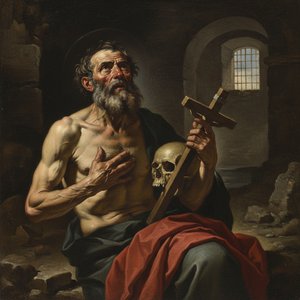
Jusepe de Ribera: Dramatic Realism & Spiritual Intensity in the Spanish Golden Age
Explore the powerful Baroque paintings of Jusepe de Ribera, master of tenebrism and dramatic realism. Discover his spiritual intensity, influence on Spanish art, and considerations for collectors. Expert insights at OriginalUniqueArt.

Giclée Prints: Archival Quality & Aesthetic Nuances for the Discerning Collector
Explore the world of giclée prints with OriginalUniqueArt. Learn about archival quality, aesthetic nuances & investment potential. Expert guidance for discerning art collectors seeking museum-quality reproductions and lasting value.

The Visceral Stage: Exploring Dramatic Narratives & Emotional Intensity in Baroque Art
Explore the dramatic world of Baroque art! Discover iconic masters like Caravaggio & Rembrandt, their techniques, and the movement's lasting impact. Expert insights for collectors & enthusiasts at OriginalUniqueArt.