

 Ver en contexto
 Enviar
 Compartir
 Detalles

 Descargar
 Similares
 Radiografía
 Presentación de diapositivas
Marine


 Ver más
Giclée / Impresión de arte
Impresiones giclée o en lienzo de calidad de museo con producción rápida y opciones de acabado flexibles. ( Comprar pintura hecha a mano Comprar imagen)




P118B $10

P118H $10

P118W $10

P438Z $10

P508JH $12

P508YH $12

P805H $10

P805Z $10

P919BZ $10

P919G $10

P919XJ $10

P959ZH $10

P968JZ $12

W106C $8

W218G $10

W218JH $8

W218Y $10

W307PJ $10

W316G $10

W316PJ $8

W316Y $10

W398PJ $8

W4111J $10

W500HY $15

W500JH $15

W692G $12

W849H $8

W940BG $15

W953PJ $8




Elija entre nuestros tamaños predefinidos que respetan las proporciones originales de la obra.

Puede introducir sus propias dimensiones para adaptarse a un marco o espacio específico. Si el tamaño seleccionado no coincide con las proporciones de la imagen original, recortaremos la obra de arte o extenderemos la imagen con un borde con efecto espejo o de color sólido. Se enviará una maqueta digital para su aprobación antes de que comience la producción.
Tenga en cuenta que la vista previa en pantalla no refleja el recorte o la extensión real. Solo la maqueta mostrará con precisión la composición final.
Aunque existen tamaños personalizados, recomendamos seleccionar una dimensión de la lista predefinida para preservar las proporciones originales.
Envío a todo el mundo () en 2 semanas en lugar de las 4/5 semanas estándar. (7 septiembre)

Envío exprés gratuito a todo el mundo

Lienzo de lino de alta calidad

Seguro de envío total

Garantía de reembolso de impuestos aduaneros

Garantía de fidelidad cromática exacta

Política de devolución de 100 días (solo por defectos)

Garantía de devolución del 100% del dinero

Descuento por cantidad
 La opción de vidrio solo está disponible en tamaños inferiores a 110 cm.

Marine
Giclée / Impresión de arte
Dimensiones de la reproducción
-


Precio total final
$ 80
A Tempestuous Soul: Unveiling Jules Dupré’s “Marine”
Jules Dupré’s “Marine,” painted circa 1870-75, isn’t merely a depiction of a seascape; it's an immersion into the raw, untamed heart of nature. Born in Nantes and deeply influenced by the Barbizon School’s commitment to direct observation, Dupré eschewed the idealized landscapes favored by some contemporaries, instead choosing to confront the dramatic power of storms and turbulent seas. This painting isn’t a postcard view; it's a visceral experience, a testament to the artist’s ability to capture not just the appearance of a storm, but its underlying emotional force.
The composition immediately commands attention with its dominance of the sky – a swirling vortex of grey, blue, and bruised rose. Diagonal brushstrokes, thick and assertive, convey an incredible sense of movement, as if the very air is charged with electricity. Below this tumultuous expanse lies the sea, rendered in equally dynamic fashion; choppy waves crash against the shore, reflecting the drama above. A lone sailboat, a tiny speck on the horizon, serves as a poignant reminder of human vulnerability within this immense and unforgiving environment. The strategic placement of the boat isn’t arbitrary; it subtly suggests resilience – a small vessel battling against overwhelming forces.
The Barbizon Legacy: Earth Tones and Emotional Resonance
Dupré's work firmly places him within the Barbizon School, an artistic movement that prioritized direct observation of nature over academic precision. Unlike many artists who sought to create polished, idealized landscapes, Dupré embraced a more rugged and emotive approach. His palette is deliberately restrained – muted browns, greys, and blues dominate, creating a sense of somber grandeur. This isn’t a celebration of beauty in the conventional sense; it's an exploration of the sublime—that feeling of awe and perhaps even terror inspired by the vastness and power of nature. The use of color is particularly noteworthy: the dark, brooding tones contribute to the painting’s overall mood of melancholy and intensity.
The technique employed is equally significant. Dupré utilizes a layering approach, building up the paint in thick impasto strokes that create a palpable sense of texture. Visible brushwork isn't concealed; it’s an integral part of the painting’s expressive power. The artist doesn’t shy away from roughness or imperfection, mirroring the chaotic energy of the storm itself. This commitment to directness and materiality is characteristic of the Barbizon School and distinguishes Dupré’s work from more polished academic styles.
Symbolism in Storm: Resilience and Human Scale
Beyond its technical merits, “Marine” resonates with profound symbolic meaning. The storm itself can be interpreted as a metaphor for life's challenges—the unpredictable forces that threaten to overwhelm us. The small sailboat, bravely navigating the turbulent waters, represents human resilience, our capacity to endure hardship and persevere in the face of adversity. It’s a subtle but powerful reminder that even in the most daunting circumstances, there is always room for hope and determination.
Furthermore, Dupré's choice to depict a relatively small figure within such a vast landscape highlights the scale of nature and the relative insignificance of human existence. This perspective invites contemplation on our place in the universe—a humbling reminder of both our vulnerability and our capacity for courage. The painting’s emotional impact is undeniably profound, evoking feelings of awe, melancholy, and perhaps even a touch of fear.
A Window into the Barbizon Soul
Jules Dupré's “Marine” stands as a powerful testament to the Barbizon School’s commitment to capturing the raw emotion of nature. It is not simply a landscape painting; it is an exploration of human resilience, a meditation on the sublime, and a window into the soul of one of France’s most compelling artists. Reproductions of this work offer a chance to bring this dramatic scene into any space, inviting contemplation and reminding us of the enduring power of nature's beauty—and its formidable strength.
Biografía del artista
El Alma Dramática de Barbizon
Jules Dupré (1811–1889) se erige como una figura fundamental dentro de la Escuela de Barbizon, un movimiento artístico que defendió la observación pura y la resonancia emocional en la pintura de paisaje. A diferencia de contemporáneos como Corot, quienes a menudo buscaban la belleza lírica y la quietud tranquila, Dupré luchaba con el lado más oscuro y tempestuoso de la naturaleza. Poseía una capacidad única para capturar la furia de las tormentas, la grandeza melancólica del crepúsculo y la energía implacable de los elementos, transmitiendo estas experiencias con una intensidad sin parangón. Nacido en Nantes, Francia, el viaje artístico de Dupré comenzó en medio de una creciente fascinación por el mundo natural y su capacidad para evocar sentimientos humanos profundos y, a menudo, turbulentos.
Su infancia sentó las bases de una meticulosa atención al detalle y un profundo aprecio por la artesanía, cualidades perfeccionadas gracias al negocio de fabricación de porcelana de su padre. Esta experiencia formativa se traduciría más tarde en sus propios empeños artísticos, siendo particularmente evidente en sus primeras obras donde exploraba las complejidades de la decoración cerámica. Como aprendiz de decorador de porcelana, aprendió la disciplina de las líneas finas y las texturas, un conjunto de habilidades que eventualmente evolucionaría hacia su magistral manejo de la profundidad atmosférica y las formas orgánicas.
Una Visión Forjada por la Tormenta y el Cielo
La trayectoria de la carrera de Dupré se vio irrevocablemente moldeada por su encuentro con los revolucionarios lienzos de John Constable. Esta exposición a las tradiciones del paisaje inglés encendió en él el deseo de capturar la esencia del dinamismo de la naturaleza: el vaivén implacable del follaje impulsado por el viento y el dramático juego de luces y sombras durante las horas más volátiles del día. Al viajar a Gran Bretaña en 1831, Dupré realizó profundos estudios de estos maestros ingleses, regresando a Francia con un portafolio de imágenes que redefinirían su enfoque del paisaje.
Encontró una inspiración particular en los distritos costeros de Southampton y Plymouth. Estas vastas extensiones de agua, que reflejaban cielos turbulentos, le proporcionaron el laboratorio perfecto para estudiar el movimiento tempestuoso de las nubes de tormenta y el vaivén de los mares. Sus pinturas de este período no son meras representaciones de paisajes; son expresiones viscerales de estado de ánimo y sentimiento, imbuidas de un sentido palpable de drama e incluso de pesar. Al abrazar la estética de Barbizon, Dupré priorizó paletas de colores expresivas y pinceladas audaces por encima de representaciones idealizadas o pulidas, permitiendo que la propia textura de la pintura reflejara la aspereza de la tierra.
El Legado del Maestro de Barbizon
Como figura clave del grupo de Barbizon, Dupré desarrolló vínculos estrechos con otros pintores legendarios, incluyendo a Théodore Rousseau. Su ascenso dentro del establecimiento artístico francés estuvo marcado por hitos significativos, como su aceptación en el Salón y el reconocimiento oficial mediante medallas por sus paisajes. Su obra se convirtió en sinónimo de una cierta armonía cromática sonora y resonante, donde la luz de un sol poniente o la penumbra de un vendaval inminente podían ser sentidos por el espectador tanto como vistos.
Hoy en día, Jules Dupré es recordado como uno de los paisajistas franceses más influyentes del siglo XIX. Su contribución al arte reside en su capacidad para tender un puente entre la observación pura y la emoción romántica. A través de obras como La Petite Charrette, Cows Crossing a Ford y sus evocadoras representaciones de paisajes fluviales, enseñó a generaciones de artistas que la naturaleza no es solo un sujeto para ser pintado, sino una fuerza poderosa para ser experimentada. Su legado permanece grabado en las texturas densas y atmosféricas y en los cielos dramáticos y vibrantes que continúan cautivando la imaginación moderna.

Jules Dupré
1811 - 1889 , Francia
Datos clave
- Artistic Movement Or Style: Barbizon School
- Artists Who Influenced This Artist: ['John Constable']
- Date Of Birth: Nantes, Francia (1811)
- Date Of Death: Octubre 6, 1889
- Full Name: Jules Louis Dupré
- Nationality: Francés
- Notable Artworks:
- Morning and Evening at the Louvre
- Crossing the Bridge in the Wallace Collection
- Place Of Birth: Francia
Artículos relacionados
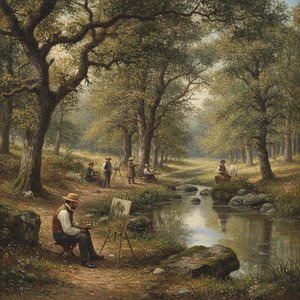
The Barbizon School: The Revolution of Naturalism and the Birth of Plein Air Landscape Painting
Explore the profound impact of the Barbizon School on landscape painting. Discover how masters like Rousseau and Corot revolutionized art through plein air naturalism, moving from academic idealism to the authentic beauty of the French countryside.
The Barbizon School: A Professional Guide to Naturalism and Landscape Mastery for Interior Designers
Explore the Barbizon School's mastery of naturalism. An expert guide for hotel designers and procurement managers on sourcing high-quality landscape reproductions to elevate hospitality and corporate interiors with authentic, large-scale fine art solutions.

Evoking Nature's Sublime: A Comprehensive Exploration of 19th-Century Landscape Painting
Explore the captivating world of 19th-century landscape painting! Discover renowned artists like Friedrich & Monet, key movements, and find the perfect artwork to bring nature's serenity into your home. Expert insights at OriginalUniqueArt.
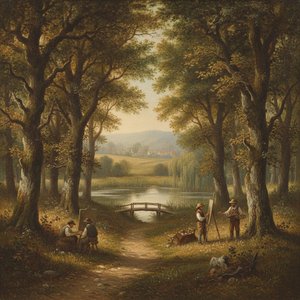
The Barbizon School: Discovering the Masters of Naturalistic Landscape Painting and the Birth of Realism
Explore the revolutionary Barbizon School and its masters, from Corot to Rousseau. Discover how these pioneers of plein air painting redefined landscape art through naturalism. Find museum-quality hand-painted reproductions and expert art insights at OriginalUniqueArt.com.

Paisajes Románticos: 10 Obras Maestras que Definieron un Movimiento Artístico
Descubre los 10 paisajes románticos más influyentes de artistas como Caspar David Friedrich y Turner. Explora la belleza, el simbolismo y las técnicas del movimiento romántico. Reproducciones de arte exclusivas en OriginalUniqueArt.com.
