
 Vista previa
 Compartir
 Compartir
 Ver detalles
 Guía
Guía

 Descargar
 Ver artículos similares
 Radiografía
 Presentación de diapositivas
 Estadísticas
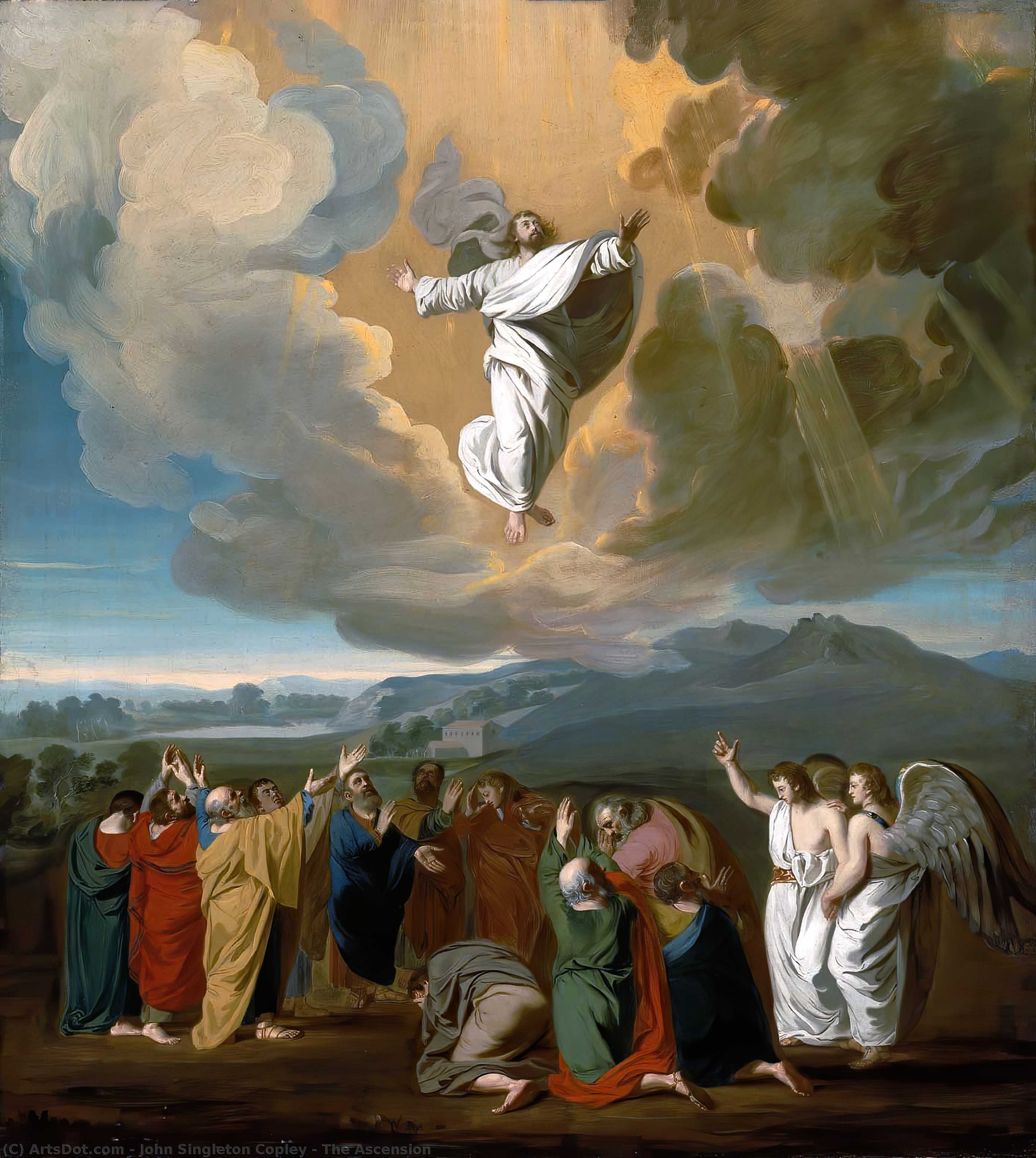
The Ascension
 Oil On Canvas
- WallArt
- Neo-Classical Style
 1775
1775 81.0 x 73.0 cm
 Leer más
Giclée / Impresión de arte
Impresiones giclée o en lienzo de calidad de museo con producción rápida y opciones de acabado flexibles. ( Encargar reproducción pintada a mano Ver versión en imagen digital)




P118B €10

P118H €10

P118W €10

P438Z €10

P508JH €12

P508YH €12

P805H €10

P805Z €10

P919BZ €10

P919G €10

P919XJ €10

P959ZH €10

P968JZ €12

W106C €8

W218G €10

W218JH €8

W218Y €10

W307PJ €10

W316G €10

W316PJ €8

W316Y €10

W398PJ €8

W4111J €10

W500HY €15

W500JH €15

W692G €12

W849H €8

W940BG €15

W953PJ €8




Elija entre nuestros tamaños predefinidos que respetan las proporciones originales de la obra.

Introduzca el ancho y el alto que necesite para adaptarse a su marco o pared. Una impresión solo puede recortarse, nunca hacerse más grande que la imagen original, por lo que un tamaño con una forma distinta perderá parte de la obra. Le enviaremos una maqueta digital para su aprobación antes de realizar cualquier impresión. La imagen que se muestra en esta página no refleja el recorte real; solo la maqueta lo hace.
Envío a todo el mundo () en 2 semanas en lugar de las 4/5 semanas estándar. (24 octubre)

Envío exprés gratuito a todo el mundo

Lienzo de lino de alta calidad

Seguro de envío completo

Garantía de reembolso de impuestos aduaneros

Garantía de fidelidad cromática exacta

Política de devolución de 100 días (solo por defectos)

Garantía de devolución del 100% del dinero

Oferta por volumen
 La opción de vidrio solo está disponible en tamaños inferiores a 110 cm.

The Ascension
Giclée / Impresión de arte
Tamaño de la reproducción
-


Precio total
€ 70
The Ascension by John Singleton Copley: A Neo-Classical Masterpiece
- Subject Matter: “The Ascension” plunges the viewer into a pivotal moment of Christian faith – the divine lifting of Jesus Christ into the heavens. Depicted with dramatic intensity, the scene captures the awe and reverence associated with this foundational religious event.
- Artist: Created by the pioneering American artist John Singleton Copley (1738-1815), a figure whose career bridged the gap between British artistic traditions and the burgeoning identity of colonial America. His meticulous attention to detail and ability to convey both physical likeness and emotional depth are hallmarks of his work.
- Date: Executed in 1775, this painting reflects the stylistic currents of its time – specifically, the rise of Neo-Classicism within European art circles. This movement sought inspiration from the classical ideals of ancient Greece and Rome, emphasizing order, balance, and moral virtue.
Neo-Classical Composition and Technique
- Composition: Copley’s masterful composition adheres strictly to Neo-Classical principles. The scene is meticulously balanced, with Jesus at the visual center, surrounded by a carefully arranged group of figures – angels ascending, observers gazing upwards, and those engaged in acts of devotion. This deliberate arrangement guides the viewer's eye through the narrative, reinforcing the painting’s solemnity.
- Technique: The artwork is executed in oil on canvas, a technique favored by Copley for its ability to produce rich colors, subtle gradations, and a remarkable sense of texture. Notice the luminous quality of the clouds, skillfully rendered to convey both depth and ethereal beauty. The artist’s precise brushwork contributes to the painting's overall realism and dramatic effect.
- Color Palette: Copley employs a restrained yet impactful color palette dominated by blues, whites, and golds – colors traditionally associated with divinity and transcendence. These hues are used strategically to highlight key figures and create a sense of atmospheric perspective.
Historical Context and Symbolism
- Neo-Classical Movement: “The Ascension” stands as a significant example of the Neo-Classical movement, which was gaining momentum across Europe during the late 18th century. This style rejected the ornate excesses of the Baroque period in favor of clarity, rationality, and moral seriousness – values that resonated deeply with the intellectual currents of the time.
- Religious Significance: The painting’s subject matter—the Ascension of Jesus—is central to Christian theology. It represents a pivotal moment of salvation and offers a powerful visual representation of faith, hope, and divine grace.
- Influences: Copley's work draws inspiration from earlier religious paintings such as Raphael’s “The Vision of Ezekiel” and Guercino’s “Apparition of Christ to Saint Therese,” demonstrating his engagement with the rich tradition of Christian art.
Emotional Impact and Artistic Merit
- Dramatic Effect: Copley skillfully employs dramatic lighting and composition to evoke a sense of awe and wonder in the viewer. The clouds swirling around Jesus create an atmosphere of sublime beauty, while the figures’ expressions convey a range of emotions – from reverence to astonishment.
- Legacy: “The Ascension” is not merely a beautiful painting; it's a testament to Copley’s artistic genius and his ability to capture both the spiritual and emotional essence of a significant religious event. It remains a compelling work that continues to inspire admiration for its technical skill, compositional balance, and profound subject matter.
Preguntas y respuestas
¿Para qué estancia se recomienda "The Ascension" de John Singleton Copley, teniendo en cuenta sus colores?
Con su paleta de Earthy, "The Ascension" de John Singleton Copley es ideal para una Living Room. Sus colores son parte de la razón de esta sugerencia.
¿Cómo se puede utilizar "The Ascension" de John Singleton Copley en la decoración del hogar?
Se recomienda "The Ascension" de John Singleton Copley para Statement, idealmente en un/a Living Room. El uso y el espacio juntos orientan dónde encaja una reproducción.
¿Cómo se realizó "The Ascension" y cuáles son sus dimensiones?
La obra original "The Ascension" de John Singleton Copley es una pieza de Oil On Canvas con unas dimensiones de 81 x 73 cm. La técnica y el tamaño describen la obra original.
Biografía del artista
Un Pionero de la Pintura Angloamericana (1738-1815)
John Singleton Copley, un renombrado pintor angloamericano, dejó una huella imborrable en el mundo del arte con sus cautivadores retratos y paisajes. Nacido en Boston, Massachusetts, para Richard y Mary Singleton Copley, ambos de ascendencia angloirlandesa, el viaje artístico de John es un testimonio de su talento innato y dedicación.Vida Temprana y Formación
Aunque hay información limitada sobre la educación formal de John, se cree que fue en gran medida autodidacta, con una inclinación hacia el arte desde temprana edad. Su padrastro, Peter Pelham, un grabador y pintor, pudo haberle brindado alguna orientación, pero la mayor parte de su desarrollo artístico puede atribuirse a su propia perseverancia.Contribuciones Artísticas
El trabajo de John Singleton Copley se caracteriza por:- Retratismo: Sus retratos de figuras influyentes en Nueva Inglaterra colonial son notables por su atención al detalle y la incorporación de artefactos que reflejan las vidas de los sujetos.
- Estilo Innovador: La tendencia de Copley a representar a sujetos de clase media con un enfoque en sus vidas cotidianas fue una desviación del retrato tradicional de su época.
- Amplio Rango Artístico: Desde autorretratos hasta escenas históricas, la obra de John muestra su versatilidad y habilidad para capturar una amplia gama de temas.
Obras Notables y su Significado
Algunas de las obras más notables de John Singleton Copley incluyen:- El colapso del Conde de Chatham en la Cámara de los Lores (Galería Tate (Londres, Reino Unido), óleo sobre lienzo), una representación conmovedora de un momento crucial en la historia británica.
- Sr. y Sra. Ralph Izard (Alice Delancey) (Museo de Bellas Artes (Boston, Estados Unidos), óleo sobre lienzo), un retrato ejemplar que muestra la atención al detalle de John y su capacidad para capturar la esencia de sus sujetos.
- Watson y el Tiburón (Óleo sobre lienzo), una obra dramática que representa un rescate audaz.
Legado e Influencia
El impacto de John Singleton Copley en el mundo del arte es innegable. Su enfoque innovador al retrato y sus contribuciones a la pintura angloamericana han influenciado a generaciones de artistas. Para una comprensión más profunda del trabajo de John y su significado, visite la página de John Singleton Copley en OriginalUniqueArt, que presenta una extensa colección de sus obras de arte.Lecturas Adicionales
Para obtener más información sobre la historia de la pintura y su evolución, consulte Wikipedia's historia de la pintura. Para explorar la vasta colección de OriginalUniqueArt, que incluye obras de varios períodos y estilos, navegue por Burghley House (Stamford, Estados Unidos) - Un tesoro oculto del arte americano y Descubriendo las obras de arte del St Hilda's College, Oxford, Reino Unido.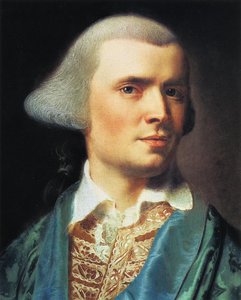
John Singleton Copley
1738 - 1815 , Reino Unido
Datos clave
- Artistas Influyentes: ['Joseph Blackburn']
- Estilo Artístico: Retrato, historicismo
- Fecha De Muerte: 9 de septiembre de 1815
- Fecha De Nacimiento: 3 de julio de 1738
- Influencia En Artistas: Generaciones de artistas
- Lugar De Nacimiento: Boston, Reino Unido
- Nacionalidad: Anglo-americano
- Nombre Completo: John Singleton Copley
- Obras Notables:
- El colapso del Conde de Chatham
- Sr. y Sra. Ralph Izard
- Watson y el tiburón
Artículos relacionados

El Legado Duradero del Óleo sobre Lienzo: Técnica, Historia y Práctica Contemporánea
Descubre la historia y técnica del óleo sobre lienzo. Explora reproducciones fieles hechas a mano, personalización artística y consejos de expertos con .

The Enduring Power of Painting: A Historical & Contemporary Exploration of Form and Emotion
Explore the rich history & enduring techniques of oil painting with OriginalUniqueArt. Discover masterpieces, learn about art collecting, and find authentic handmade reproductions crafted by skilled artists.

El Óleo sobre Lienzo: Historia, Técnica y la Persistencia de un Medio Artístico Atemporal
Descubre la historia y técnica del óleo sobre lienzo. Explora reproducciones fieles hechas a mano, personalización artística y consejos de expertos con OriginalUniqueArt. ¡Colecciona arte con confianza!

The Enduring Legacy of Oil on Canvas: Technique, History & Aesthetic Impact
Explore the rich history & techniques of oil painting – from Renaissance masters to Impressionism. Discover pigments, layering methods, and why this timeless medium endures. Expert insights for artists & art enthusiasts.

Las 10 Obras Maestras al Óleo que Revolucionaron la Historia del Arte |
Descubre las 10 obras maestras al óleo que transformaron la historia del arte. Explora Van Gogh, Monet, Da Vinci y más. Reproducciones de alta calidad para decorar tu hogar con elegancia. ¡Encuentra tu obra favorita en !


