Vista previa
 Compartir
 Compartir
 Ver detalles
 Guía
Guía

 Descargar
 Ver artículos similares
 Radiografía
 Presentación de diapositivas
 Estadísticas
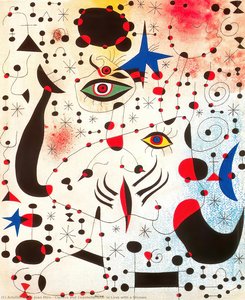
Título traducido: Pintura
 Acrílico sobre lienzo
- Arte de pared
- Surrealism
 1950
1950- Modernismo
 99.0 x 76.0 cm
 Leer más
La obra de arte que se muestra en esta página está protegida por las leyes de propiedad intelectual, lo que significa que no podemos crear ni vender legalmente una reproducción idéntica. Esta protección se hace cumplir en virtud de acuerdos internacionales como el Convenio de Berna y por las leyes nacionales, incluidas aquellas establecidas por el Ley de derechos de autor de los EE. UU. - Título 17.
Este método cumple plenamente con las normativas de derechos de autor, ya que no implica la copia ni la duplicación de la obra protegida. En su lugar, se trata de una reinterpretación creativa: una nueva pintura influenciada por la original, pero que no es idéntica a ella.
Giclée / Impresión de arte
Impresiones giclée o en lienzo de calidad de museo con producción rápida y opciones de acabado flexibles. ( Encargar reproducción pintada a mano Ver versión en imagen digital)




P118B €10

P118H €10

P118W €10

P438Z €10

P508JH €12

P508YH €12

P805H €10

P805Z €10

P919BZ €10

P919G €10

P919XJ €10

P959ZH €10

P968JZ €12

W106C €8

W218G €10

W218JH €8

W218Y €10

W307PJ €10

W316G €10

W316PJ €8

W316Y €10

W398PJ €8

W4111J €10

W500HY €15

W500JH €15

W692G €12

W849H €8

W940BG €15

W953PJ €8




Elija entre nuestros tamaños predefinidos que respetan las proporciones originales de la obra.

Introduzca el ancho y el alto que necesite para adaptarse a su marco o pared. Una impresión solo puede recortarse, nunca hacerse más grande que la imagen original, por lo que un tamaño con una forma distinta perderá parte de la obra. Le enviaremos una maqueta digital para su aprobación antes de realizar cualquier impresión. La imagen que se muestra en esta página no refleja el recorte real; solo la maqueta lo hace.
Envío a todo el mundo () en 2 semanas en lugar de las 4/5 semanas estándar. (23 octubre)

Envío exprés gratuito a todo el mundo

Lienzo de lino de alta calidad

Seguro de envío completo

Garantía de reembolso de impuestos aduaneros

Garantía de fidelidad cromática exacta

Política de devolución de 100 días (solo por defectos)

Garantía de devolución del 100% del dinero

Oferta por volumen
 La opción de vidrio solo está disponible en tamaños inferiores a 110 cm.

Título traducido: Pintura
Giclée / Impresión de arte
Tamaño de la reproducción
-


Precio total
€ 70
Introduction to Joan Miró and Painting
Joan Miró i Ferràgue, born in Barcelona in 1893, stands as one of the most significant figures in 20th-century art. His journey was not merely a progression through styles but an exploration of inner worlds, translating dreams, memories, and Catalan identity onto canvas with a uniquely poetic visual language. From humble beginnings marked by illness and initial parental reservations about his artistic pursuits, Miró persevered, driven by an innate need to express the intangible—the emotions, sensations, and subconscious currents that lie beneath the surface of reality. His early life was steeped in the traditions of Barcelona, a city brimming with architectural marvels thanks to Antoni Gaudí, whose organic forms would subtly influence Miró’s later abstractions. The goldsmithing profession of his father instilled an appreciation for meticulous craftsmanship, while the rugged CArtistic Style and Influences
Miró's "Painting" exemplifies his unique blend of abstract expressionism and surrealist elements. The artwork features a vibrant composition with bold colors and whimsical shapes that evoke a dreamlike atmosphere. Thick, confident lines outline the forms, while splashes and drips of color add a sense of movement and spontaneity. Miró’s use of color is audacious, with fiery reds, bright yellows, and deep blues contributing to a lively and expressive palette. The abstracted figures and objects seem to float and interact across a textured background, creating a surreal quality that challenges the viewer’s interpretation. Miró's style was profoundly shaped by Catalan folklore and mythology—particularly the symbolism of animals like the bull and the eagle—reflecting his desire to honor his cultural heritage while simultaneously rejecting academic conventions. He drew inspiration from artists such as Picasso and Matisse, absorbing their expressive techniques and experimenting with innovative approaches to form and color. Furthermore, Miró’s fascination with music and the cosmos permeated his artistic vision, mirroring the rhythms of nature and conveying a sense of wonder and contemplation.Context within Surrealism
Miró was an early pioneer of surrealist art, influencing generations of artists with his radical forms and symbolic language. His work often incorporated elements of Catalan culture and avant-garde experimentation, reflecting his desire to challenge traditional painting and bourgeois society. In the context of surrealism, Miró’s "Painting" aligns with the movement's emphasis on dream imagery and psychic automatism. The artwork’s enigmatic forms and chromatic dynamism invite the viewer to engage with their subconscious mind, exploring the boundaries between reality and fantasy. Surrealist artists sought to liberate the imagination from rational constraints, tapping into unconscious desires and anxieties—a pursuit that Miró embraced wholeheartedly. His canvases became a visual manifestation of this quest for liberation, presenting fantastical landscapes populated by bizarre creatures and distorted perspectives.Relevance in Modern Art
Miró's innovative style has had a lasting impact on modern art, influencing abstract expressionists and color field painters. He championed the idea that painting should be free from representational concerns, prioritizing emotional intensity and visual harmony over accurate depiction. His work continues to inspire contemporary artists, ensuring his legacy as a pioneering figure in surrealist art. For those interested in exploring more of Miró’s artwork, Painting by 'Joan Miró' is available on OriginalUniqueArt.com. Additionally, the website offers a range of surrealist paintings, including works by other notable artists like Max Ernst and Salvador Dalí.Conclusion
“CITE>Joan Miró’s "Painting" is a masterpiece of surrealist art, showcasing the artist’s unique blend of abstract expressionism and symbolic language. As a pioneering figure in the movement, Miró's work continues to inspire contemporary artists and captivate audiences with its enigmatic forms and chromatic dynamism. For more information on surrealism and its key figures, visit Abstract Expressionism on Wikipedia.Preguntas y respuestas
¿Cuál es el formato y las dimensiones de "Título traducido: Pintura"?
"Título traducido: Pintura" de Joan Miró es una composición en Vertical que mide 99 x 76 cm en su formato original.
¿Qué atmósfera transmite "Título traducido: Pintura"?
El ambiente general de "Título traducido: Pintura" de Joan Miró es Calma. Esta atmósfera describe la esencia general de la obra.
¿Qué lugar ocupa "Título traducido: Pintura" de Joan Miró en la historia del arte?
La clasificación histórico-artística de "Título traducido: Pintura" de Joan Miró es Surrealism, perteneciente al periodo Modernismo.
Biografía del artista
**vida temprana y carrera**
joan miró, un renombrado pintor, escultor y ceramista español, nació el 20 de abril de 1893 en Barcelona, España. Su familia, de raíces judías (marrano o converso), tuvo una influencia significativa en su vida temprana. El padre de Miró, Miquel Miró Adzerias, era orfebre y relojero, lo que pudo haber inspirado el interés del artista por los detalles intrincados.**desarrollo artístico**
Miró comenzó clases de dibujo a los siete años en una escuela privada en Barcelona. Posteriormente, se matriculó en la Academia de Bellas Artes La Llotja, a pesar de la desaprobación de su padre. Esto marcó el comienzo del viaje artístico de Miró, que eventualmente lo llevaría a convertirse en pionero del surrealismo y el arte abstracto.**obras notables y colaboraciones**
* la granja (1922), una pintura que muestra la transición de Miró a un estilo más individual, con cualidades nacionalistas. * Colaboración con Max Ernst en diseños para el ballet de Sergei Diaghilev en 1926, pionero en la técnica del grattage. * los interiores holandeses (1928), una serie de pinturas inspiradas en Hendrik Martenszoon Sorsh y Jan Steen, que muestra el estilo único de Miró.**museos y legado**
* La Fundación Joan Miró en Barcelona, establecida en 1975, dedicada a mostrar las obras de Miró. * La Fundación Pilar i Joan Miró en Palma de Mallorca, establecida en 1981, que consolida aún más el legado de Miró.**obras clave y su significado**
- pintura (1933), una pintura al óleo abstracta, ejemplificando la visión surrealista de Miró.
- pintura 11, otra obra notable y abstracta, que muestra el estilo único de Miró.
- la mazorca (37 x 46 cm), una obra surrealista, que presenta detalles intrincados.
- el nacimiento del día, una obra de arte abstracta, que consolida aún más las contribuciones de Miró al arte abstracto.
**conclusión**
El legado de Joan Miró como pionero del surrealismo y el arte abstracto es innegable. Sus obras, exhibidas en varios museos, incluida la Fundación Joan Miró, continúan inspirando a artistas y entusiastas del arte por igual. Para obtener más información sobre las obras de Miró, visite [https://OriginalUniqueArt.com/@/joan-miro](https://OriginalUniqueArt.com/@/joan-miro) o explore sus notables obras en [https://OriginalUniqueArt.com/@@/8ewky5-joan-miro-painting](https://OriginalUniqueArt.com/@@/8ewky5-joan-miro-painting).- ver más obras de Joan Miró en OriginalUniqueArt.com
- descubra el museo Fundación Joan Miró en Barcelona, España
- explore la biografía del artista y sus obras notables en [https://en.wikipedia.org/wiki/joan_mir%c3%b3](https://en.wikipedia.org/wiki/joan_mir%c3%b3)
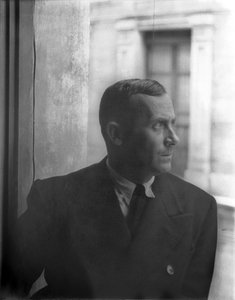
Joan Miró
1893 - 1983 , España
Datos clave
- Artistas Que Influyeron:
- Vincent van Gogh
- Paul Cézanne
- Estilo Artístico: Surrealismo, Arte Abstracto
- Fecha De Muerte: 1983
- Fecha De Nacimiento: 20 de abril de 1893
- Lugar De Nacimiento: Barcelona, España
- Nacionalidad: Española
- Nombre Completo: Joan Miró i Ferrà
- Obras Notables:
- La Granja
- Interiores Holandeses
- Pintura (1933)
- El Nacimiento del Mundo
Artículos relacionados
Joan Miró: Las 25 Obras Maestras del Genio Catalán | Arte y Decoración
Descubre las 25 obras maestras de Joan Miró, el genio del surrealismo catalán. Explora su arte abstracto, colores vibrantes y la historia detrás de cada cuadro. Reproducciones de alta calidad en OriginalUniqueArt.com para transformar tu hogar con arte original.
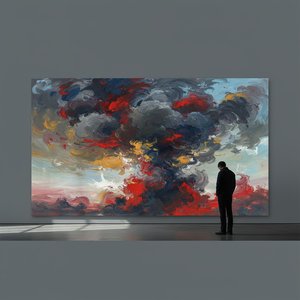
Más Allá de la Representación: Explorando el Paisaje Emocional del Expresionismo Abstracto
Descubra el Expresionismo Abstracto en profundidad. Análisis de artistas clave como Rothko y Richter, su contexto histórico e inversión en arte. Guía experta para coleccionistas.

Expresionismo Abstracto: 10 Obras Maestras que Transformaron el Arte |
Descubre las 10 obras maestras del Expresionismo Abstracto: Pollock, Rothko y más. Explora la historia, técnica y significado de estos lienzos icónicos. Reproducciones de arte exclusivas en .

Kandinsky: Las 25 Obras Maestras del Pionero de la Abstracción | OriginalUniqueArt
Descubre las 25 obras maestras de Wassily Kandinsky, pionero del arte abstracto. Explora su expresionismo, composiciones únicas y la historia detrás de cada cuadro. Reproducciones de alta calidad para decorar tu hogar con arte moderno en OriginalUniqueArt.com.

Abstracción Geométrica: 10 Obras Maestras que Transformaron el Arte Moderno | OriginalUniqueArt
Descubre las 10 obras maestras de la abstracción geométrica que revolucionaron el arte moderno. Explora a Mondrian, Malevich y Kandinsky en OriginalUniqueArt.com. Reproducciones de alta calidad para tu hogar.